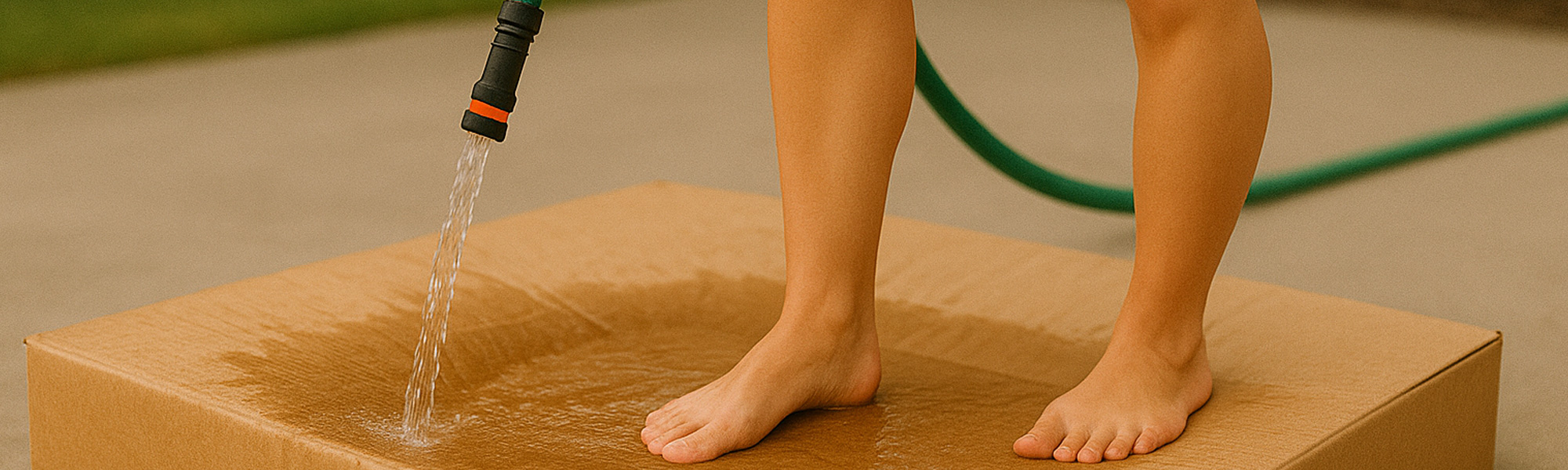
There are moments when a cardboard box seems to take on a personality of its own. You drag it outside, place it upside down on the ground, step onto it with full confidence, start treading it and expect it to crush. Instead, it pushes back. You shift your feet, lean your weight through your legs, tread across every surface and still the thing holds firm. We've all had one of those boxes that simply refuses to break down, no matter how much you stand on it.
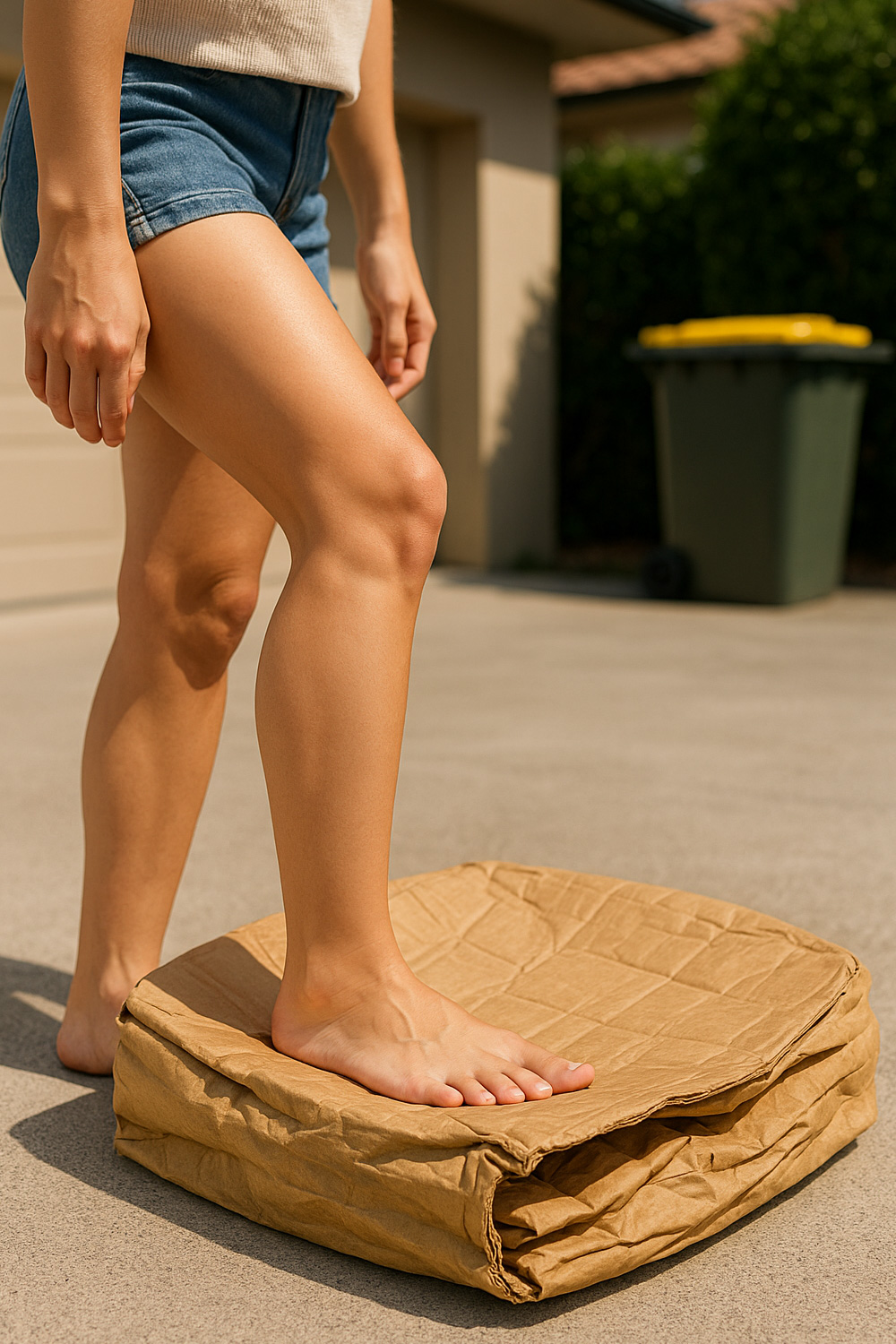
Sometimes it's the huge cartons that once held a microwave or a bulk delivery. Other times it's the smaller fruit and vegetable boxes, deceptively compact but reinforced to survive transport. You try folding, pressing and treading from every angle, yet the cardboard stays stiff and uncooperative. These stubborn boxes interrupt the flow of recycling and take up more space than they deserve, which is why learning a few reliable ways to make them collapse neatly is so valuable.
Every household encounters a box that seems determined to keep its shape. Thick appliance cartons, reinforced packaging and overly rigid delivery boxes often refuse to fold no matter how much weight you put on them. These are the boxes that sit beside the bin for days, get moved around the garage and eventually become a quiet frustration. Yet they still need to be reduced into something that fits neatly into kerbside recycling. The key is understanding why tough boxes fight back and how to use technique, preparation and sometimes teamwork to make them collapse cleanly.
Why Some Boxes Are So Hard to Collapse
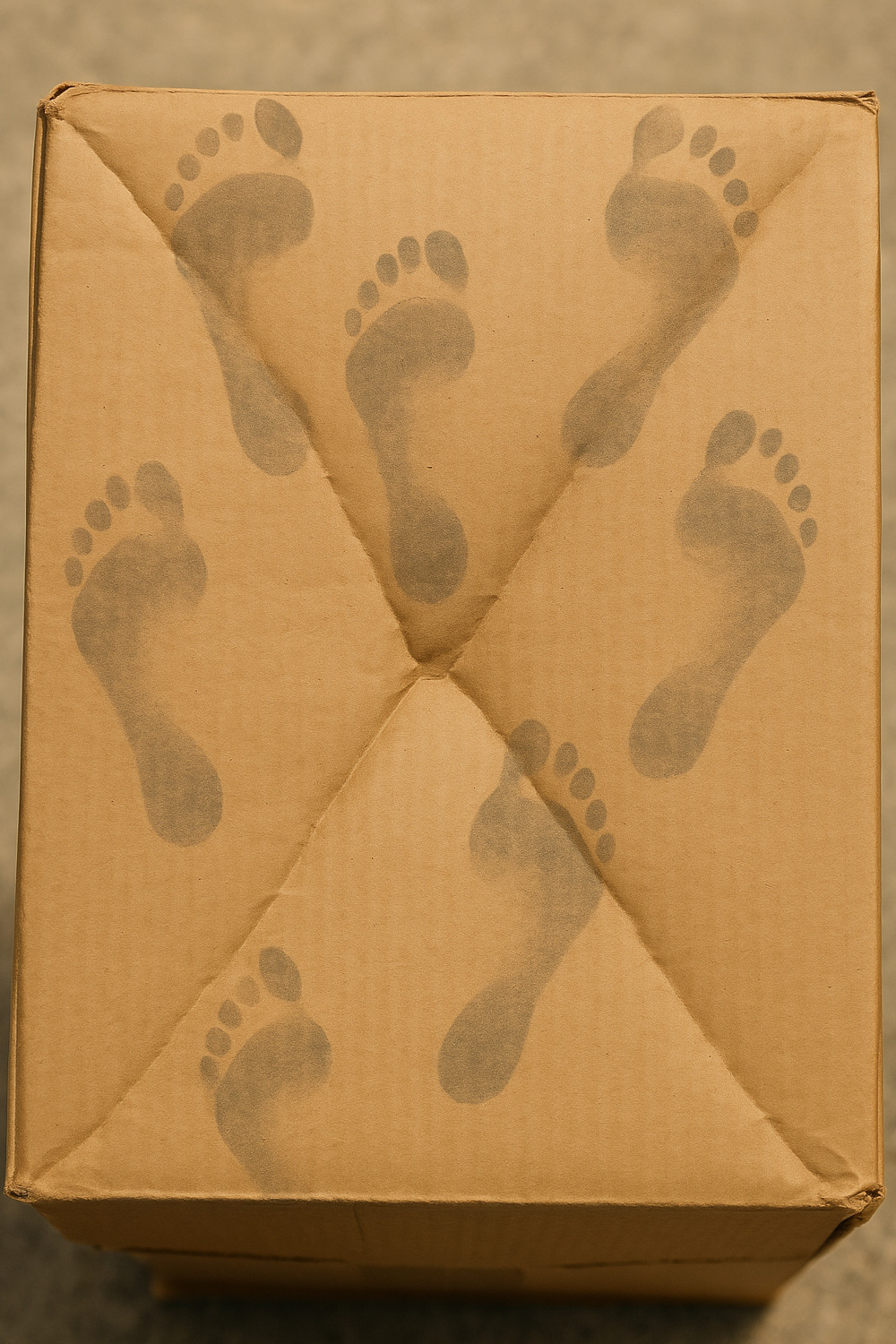
Stubborn cardboard behaves differently from ordinary cartons because of the way it's manufactured. Heavy-grade fibreboard contains multiple layers pressed tightly together, which means the creases don't open as easily. These boxes are usually designed to protect fragile appliances or survive long-distance freight, so their internal ribs and glued seams are far stronger than you expect. The good news is that toughness doesn't equal invincibility. A combination of preparation and controlled force will bring even the most stubborn packaging down to a neat pad.
Another factor is how the cardboard has been treated after it leaves the mill. Many tough boxes are coated, laminated or heavily compressed during packing, which locks the fibres into a stiff, springy state. Corrugation direction also matters - when the flutes run vertically, the walls behave like miniature columns that resist downward pressure far longer than flat sheet stock. This is why simple standing often does nothing at first. The box needs deliberate foot action to break those internal stresses. Twisting, edging your weight through the ball and heel, and forcing the panels to bow inward all disrupt the fibre structure. Once your feet start crushing the walls out of alignment rather than just pressing straight down, the cardboard stops behaving like thin timber and finally gives way.
Preparing the Box Before You Start
What really makes a difference with stubborn boxes is exposing their natural weak points. Reinforced cartons are often sealed shut with heavy tape and overlapping flaps that hold the whole frame rigid. Before you try to crush anything, opening the flaps fully breaks the top structure so the box is no longer acting as a sealed, load-bearing frame. When the flaps are spread out properly, the walls are free to move and the box is far more willing to fold.
Any crushing method you choose becomes easier, whether you're stepping onto it barefoot, working with a partner or softening it briefly with a light hose spray.
Take Off Your Shoes and Crush Barefoot

Boxes should always be crushed barefoot. It is the most natural, controlled and stable way to break down tough cardboard, and it lets you feel exactly how the box is responding under you. Chances are you are already not wearing shoes, but if you are, take them off.
Once your feet are free, everything becomes easier. Bare soles spread and adjust, finding their own secure hold on whichever surface you are working on. You can sense where the cardboard is strongest, where it is beginning to bow and where your weight needs to go next. That instant feedback is what lets you crush a stiff box cleanly rather than struggle against it.
Those few seconds of preparation shift the whole task into something effortless. With your shoes aside and your balance set, you step onto the box with confidence, ready to press, twist and ride it down until it finally gives.
With regular barefoot living, the skin on your soles naturally becomes tougher and more capable. That slight leathery firmness gives you grip on the cardboard's surface, helping you hold your position as the box shifts and compresses beneath you. It means every press has traction behind it. Instead of sliding or fighting for balance, your feet stay planted, letting you draw the box down in a smooth, controlled collapse.
For many people, that contact is also genuinely enjoyable. There is something deeply satisfying about the feeling of a cardboard box compacting beneath your feet, the surface softening and giving way as you guide it down with steady, confident pressure.
Standing Inside the Box to Force the Walls Inward
Another effective technique for boxes that refuse to collapse from above is to work from the inside. This method involves standing carefully on top of the box or stepping into it once the flaps are opened, then using one foot at a time to press the side panels inward. Instead of relying on downward weight alone, you actively attack the box's vertical strength by removing the support those walls provide to each other.
Once you are balanced, lower one foot against a side panel and push firmly while keeping the other foot planted for stability. This sideways pressure forces the wall to bow, breaking the column effect created by vertical corrugation. As soon as one panel gives, the entire structure weakens. You can then shift your weight, press another panel inward, and feel the box begin to collapse around you. The moment those side walls lose their alignment, the cardboard stops resisting and folds rapidly into itself, turning even a rigid carton into a crushed, controllable shape ready for recycling.
Crushing With a Partner: Doubling the Pressure

Working with another person turns a stubborn box into something manageable. Two people can apply pressure in ways that one person simply can't, especially on heavy-grade fibreboard. The most common method involves each person standing on opposite edges so their weight pushes the walls inward at the same time. This shared pressure forces the internal ribs to buckle and gives you control over how quickly the box collapses.
Partners can also work in stages. One person applies steady pressure on one side while the other uses gentle steps to encourage the walls to fold toward the centre. Once the first crease gives way, the rest of the structure becomes much easier to flatten. Many couples adopt this method without even thinking about it during a clean-up session. Someone steps on one side, someone else helps from the other, and within seconds a tough box turns into a flat, manageable slab ready for the bin.
Softening the Cardboard With Water
Water is one of the most underrated tools for dealing with rigid cardboard. The fibres relax as soon as they are lightly dampened, and even a brief spray from a garden hose makes a stubborn box far more willing to collapse. The key is to mist the cardboard rather than soak it. Too much water creates a sloppy, uneven break that turns the box into a heavy, pulpy mess. A fine spray softens only the upper layers while keeping the structure intact enough for a clean crush.
Give the box a minute or two after spraying. As it absorbs that light moisture, it gains a gentle flexibility that was never there when dry. This is the perfect moment to step on. With bare feet you can feel the shift instantly. The surface softens, the walls start to bow and the glued seams begin to flex instead of resisting. From here, the crush becomes smooth and controlled.
You can tread through the box steadily, feeding the softened cardboard beneath you as you move. Each press takes more of the rigidity out until the entire structure folds in on itself. What was once a stiff, uncooperative box becomes a flat, easily managed pad ready for recycling.
Using the Right Foot Technique for Maximum Control
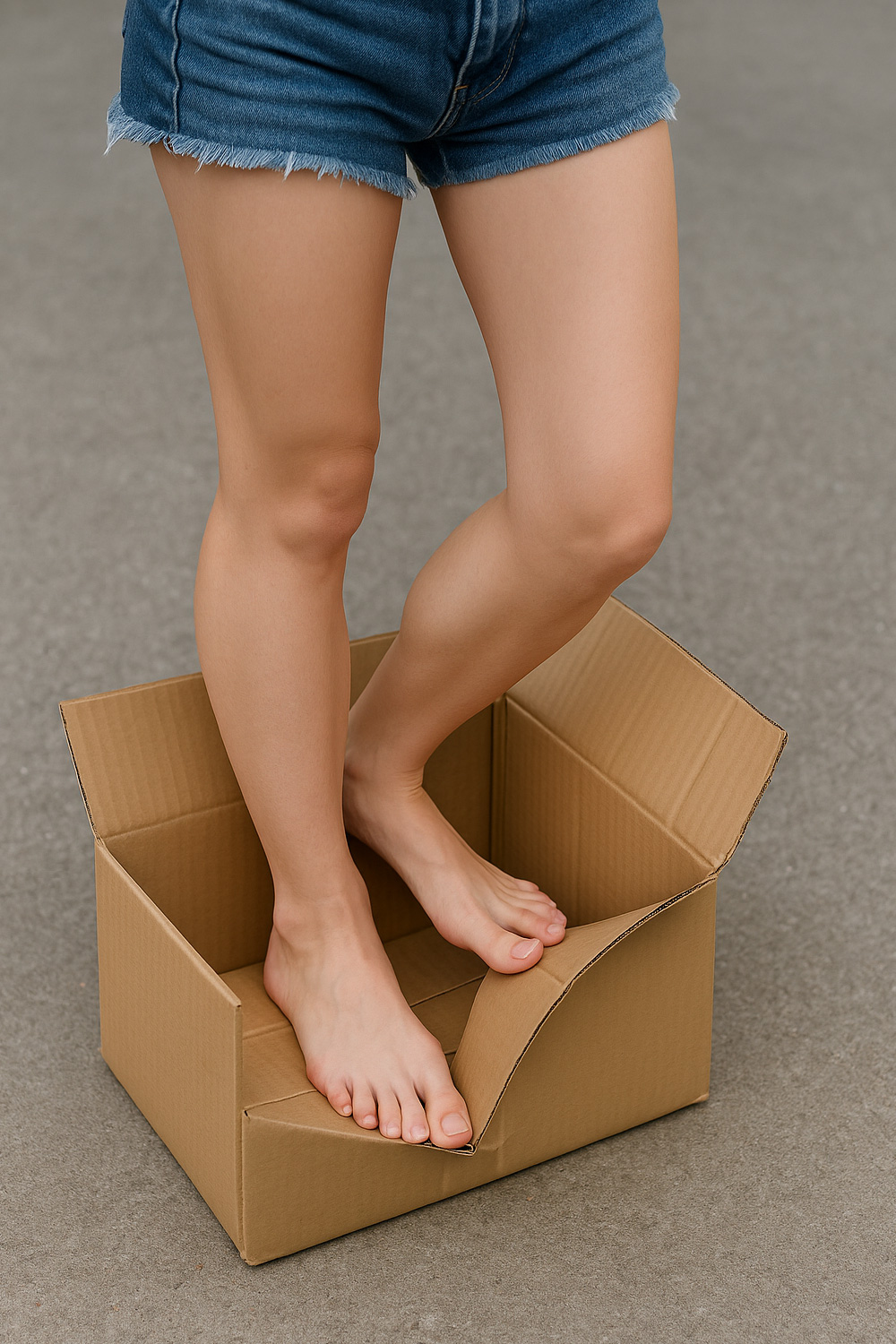
Technique matters far more than brute force when you are dealing with genuinely tough cardboard. Many Gold Coast households already crush their recycling barefoot as part of a quick outdoor tidy, and for good reason. Bare feet give you far better sensory feedback than shoes ever can. You feel the shifts, the tensions and the points that refuse to budge, which lets you place your weight exactly where it needs to go. The aim is simple: break the strongest sections first, then guide the rest of the structure inward.
When a box refuses to collapse under normal stepping, flip the approach. Stand it upright with the opening facing upwards. Step inside carefully and brace your heel against the back panel, letting the ball of your foot settle on the ground for balance. With your other foot, push firmly against the opposite panel. This opposing pressure forces the walls to bow and the seams to fail in the most controlled way possible.
Even extremely stubborn boxes give in to this method. You may not end up with a perfectly flat pad, but you will produce a set of crushed, broken panels that are fully destroyed and ready for disposal or the recycling bin.
Stomping as a First Step
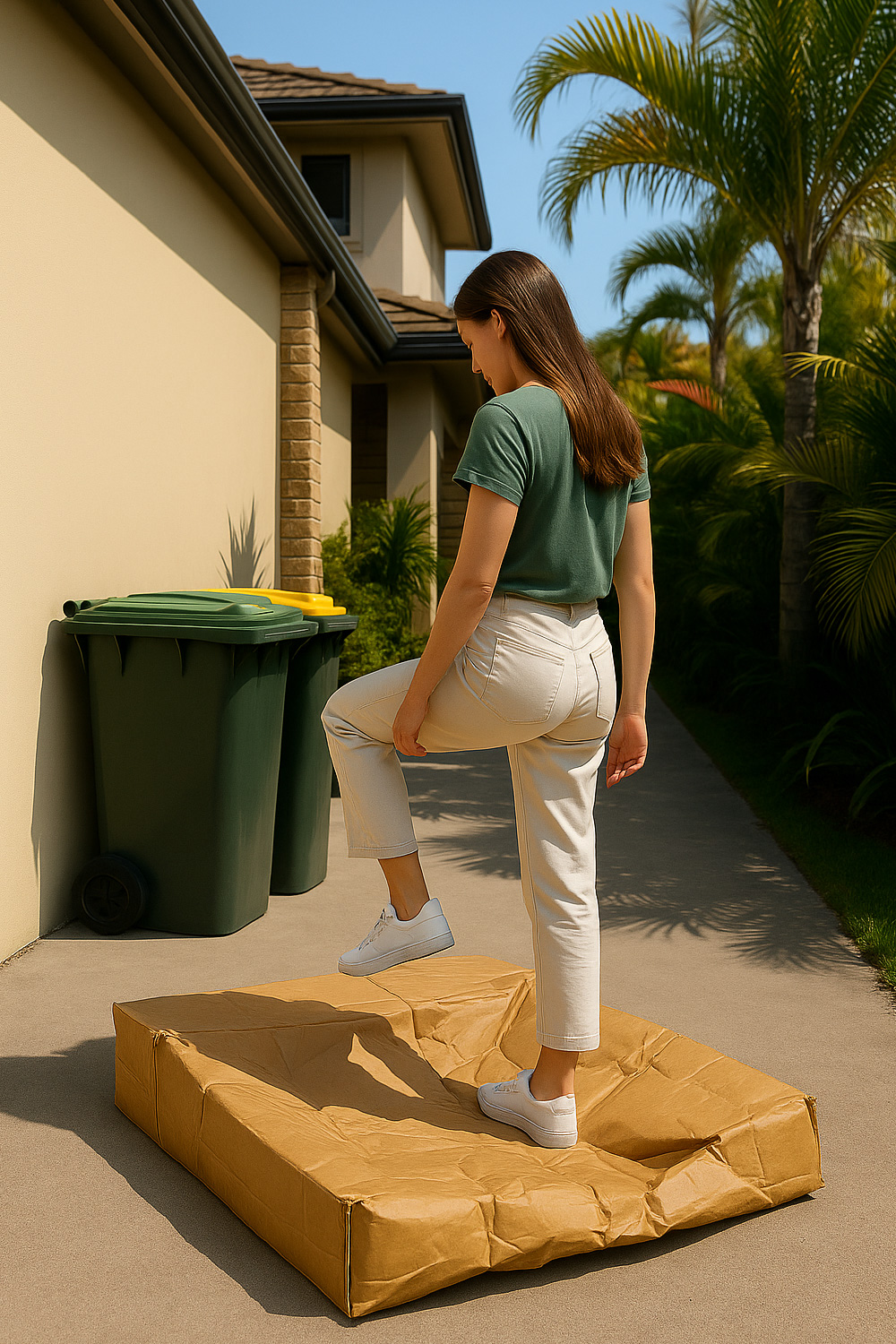
Some boxes are so rigid that your first instinct is to give them a few strong stomps. There is nothing wrong with that. A couple of firm, controlled stomps can jolt the fibres, loosen the glue lines and start the collapse, especially with oversized delivery cartons or heavy produce boxes. Stomping acts like a quick shock treatment, shaking the structure just enough to make the proper crush easier.
Some people stomp with shoes, and once the cardboard has softened, they slip them off and switch to a barefoot finish. Bare feet give the precision that shoes simply do not. You can guide the weakened panels inward, feel where the pressure needs to shift and refine the collapse into a flat, recyclable pad.
The combination works surprisingly well. Let the stomps do the early heavy lifting, then let your bare feet take over to clean up the job and press every last ridge and seam into place.
Combining Methods for the Worst Boxes
Some boxes require more than one technique. A tough appliance carton might soften with water but still resist the first round of pressure. In these cases, it helps to combine approaches. You might dampen the box lightly, give it a moment to absorb the moisture, then bring in a partner to apply steady pressure from both sides. Or you might start with the right foot technique to break the frame and finish with a second person helping compress the remaining ridges. There is no single correct order. What matters is using the methods that make the box behave more like ordinary cardboard again.
Getting a Perfectly Flat Pad for the Bin
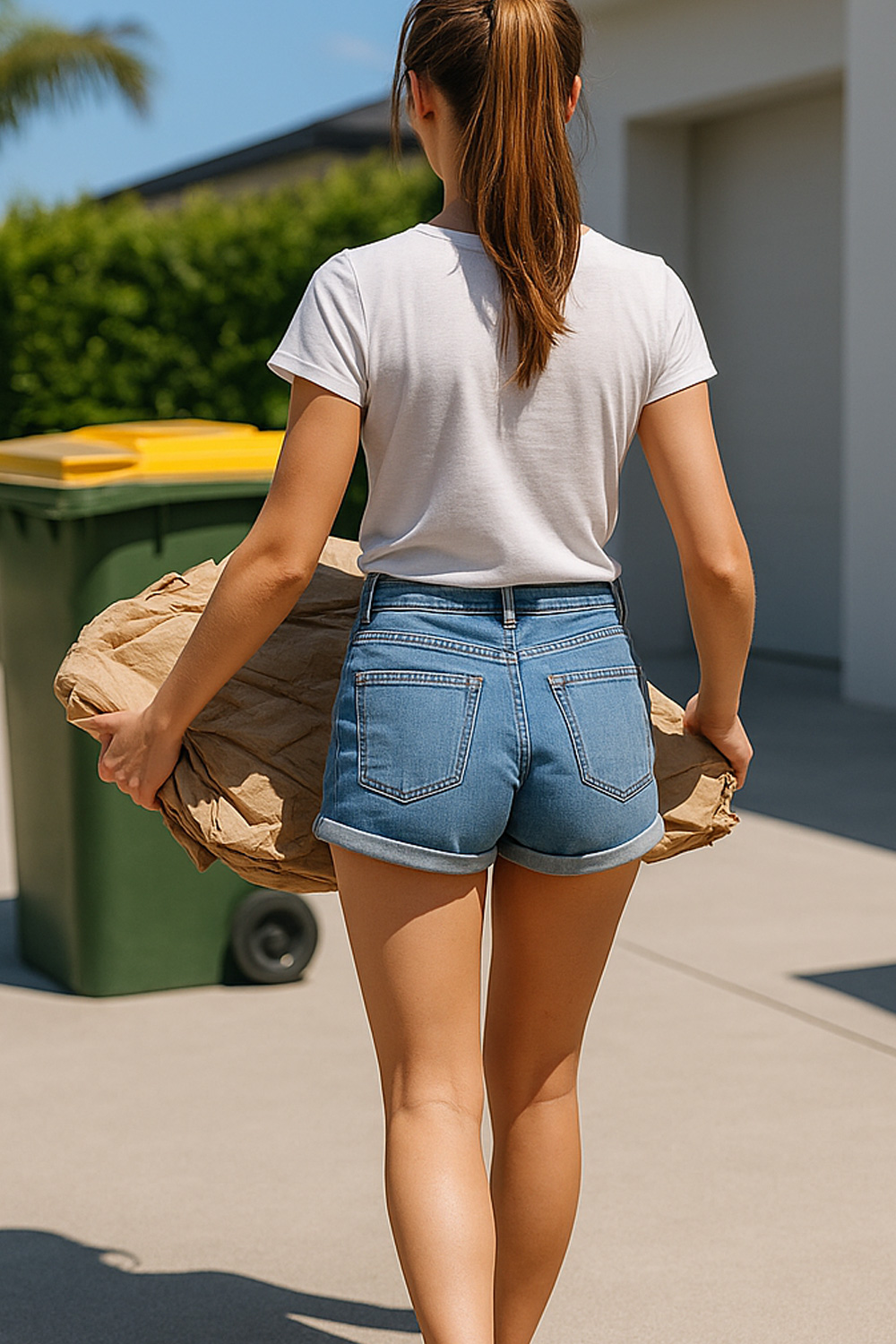
The aim of all this effort is not simply to defeat the box, but to turn it into a flat, space-efficient pad that sits neatly in the recycling bin. Tough boxes collapse in stages. First the frame breaks, then the sides fold, and finally the remaining creases settle under even pressure. When a box is flattened properly it takes far less space, sits neatly among other recycling and doesn't spring back when the lid is closed. Many households notice that proper crushing increases usable bin space by a significant margin. What looks like a single bulky problem becomes a thin layer that disappears into the bottom of the bin.
Tough boxes aren't actually difficult once you understand how to work with them. Heavy cardboard resists quick pressure but responds well to preparation, shared force, moisture and precise footwork. Whether you flatten boxes alone on the driveway, slip out barefoot for a quick tidy-up or team up with someone to force the walls inward, the goal remains the same. With the right approach, even the thickest, most stubborn box folds down into a clean, compact pad that keeps your recycling organised and your home running smoothly.
You might also like





Disclaimer: Every effort has been made to ensure the accuracy of the information provided, but we make no guarantees regarding its completeness or reliability. The data is presented for general informational purposes only and does not constitute financial, investment, or legal advice. We are not liable for any errors, omissions, or consequences arising from its use. Users should verify details with relevant sources and seek professional advice where appropriate for the most accurate and up-to-date guidance.