
Indoor bins are one of the few household tools used dozens of times a day without much thought. They sit quietly in kitchens, laundries, bathrooms and garages, shaping how waste is handled from the moment it is created. When the bin works well, everything downstream works better. Recycling fills more slowly, odours are easier to manage, and collection day stops feeling like a weekly reset after quiet inefficiency.
Choosing indoor bins is not really about capacity alone. It is about how frictionless each interaction feels. Can something be dropped in without rearranging what is already there. Can cardboard be handled properly at the moment it becomes empty. Can wet waste be separated cleanly before it causes smell or mess. The answers to these questions are set by bin design, placement and proportions long before collection day arrives.
A well chosen indoor bin quietly trains behaviour. It nudges people to crush, separate and place items correctly without stopping to think. That is why it is worth treating indoor bins as part of household infrastructure rather than an afterthought bought on size alone.
Kitchen Bins as the Control Centre
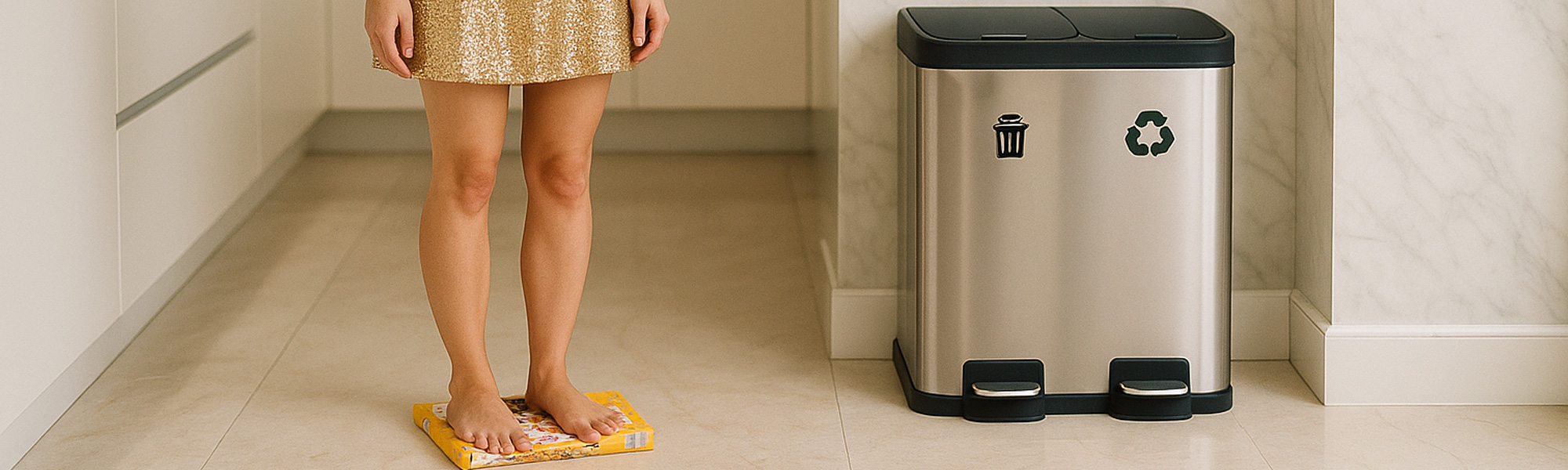
The kitchen bin does most of the work and deserves the most attention. This is where packaging first appears and where the biggest gains in recycling efficiency are made. A dual compartment bin with separate general waste and recycling sections is almost always the most effective choice. It removes the excuse to deal with recycling later and ensures cardboard and containers are handled at the right moment.
The key is accessibility. The recycling side must be as easy to use as general waste, not smaller, hidden or awkward. When the recycling compartment feels secondary, people unconsciously postpone dealing with boxes and containers. That is when intact packaging piles up on benches or gets dropped whole into the bin, locking in wasted space.
A good kitchen setup allows a simple, natural flow. A cereal box is emptied, its dropped to the floor and quickly crushed under bare feet. The flattened cardboard goes straight into the recycling side of the bin and the person walks away. No tools, no cutting, no storage pile waiting for later. That single motion is where most weekly bin capacity is won or lost.
Pedal operated lids are still the most practical option for kitchens, but lid action matters. A smooth, predictable open encourages quick use. Heavy lids that need to be held open slow everything down and make people rush, which is when boxes are shoved in rather than crushed properly. Soft close is useful for noise, but the lid must stay open long enough to complete the task without fighting it.
Size and Proportion Over Raw Volume
Bigger is not always better indoors. Oversized bins inside the house encourage waste to sit longer than it should, especially general waste. This leads to smell, leaks and a reluctance to empty them until they are truly full. A slightly smaller general waste compartment emptied more often is usually cleaner and easier to live with.
Recycling compartments benefit from being tall rather than wide. Height allows flattened cardboard to stack vertically and settle downward under its own weight. Wide, shallow bins encourage bridging, where sheets span the opening and trap empty space beneath. The internal shape of the bin matters just as much as the litre rating printed on the box.
Liners should fit snugly without excess slack. Loose liners fold inward and steal volume, especially once cardboard is added. For recycling, many households skip liners entirely indoors, which makes sense when cardboard is dry and containers are rinsed. The bin itself should be easy to wipe clean so the absence of a liner is not a drawback.
Bin Placement
How people move around the house should influence bin placement. In many homes, especially in warm climates, people are barefoot most of the time indoors. This changes how easily cardboard can be dealt with at the source. A kitchen bin placed near open floor space rather than wedged between cupboards makes it easier to drop packaging down, crush it naturally, and dispose of it immediately.
This is not about turning waste handling into a performance. It is about allowing the most efficient action to happen without planning. When the floor area is clear and the bin is close, the habit forms almost automatically. Over time, every box enters the recycling stream already collapsed, and the outdoor bin fills evenly instead of unpredictably.
The same logic applies to children and other household members. When the system is simple and obvious, it is followed. When it requires carrying boxes elsewhere or waiting for a later step, it quietly fails.
Secondary Bins and Load Distribution
No single indoor bin should be expected to handle everything. Secondary bins in pantries, laundries and home offices reduce pressure on the main kitchen bin and prevent waste from migrating to benchtops and corners. These bins should be sized for frequent emptying and focused on specific waste types.
A small paper and cardboard bin in a home office keeps packaging and documents out of general waste and encourages flattening before disposal. A laundry bin for soft plastics or cleaning waste prevents wet or scented items from contaminating kitchen recycling. Each secondary bin reduces friction by shortening the distance between waste creation and disposal.
Consistency matters. If bins look and operate similarly across rooms, people use them correctly without thinking. Mismatched lids, confusing colours or awkward openings introduce hesitation, and hesitation is where habits break down.
The Family Box Crush Pile as an Extra Indoor "Bin"
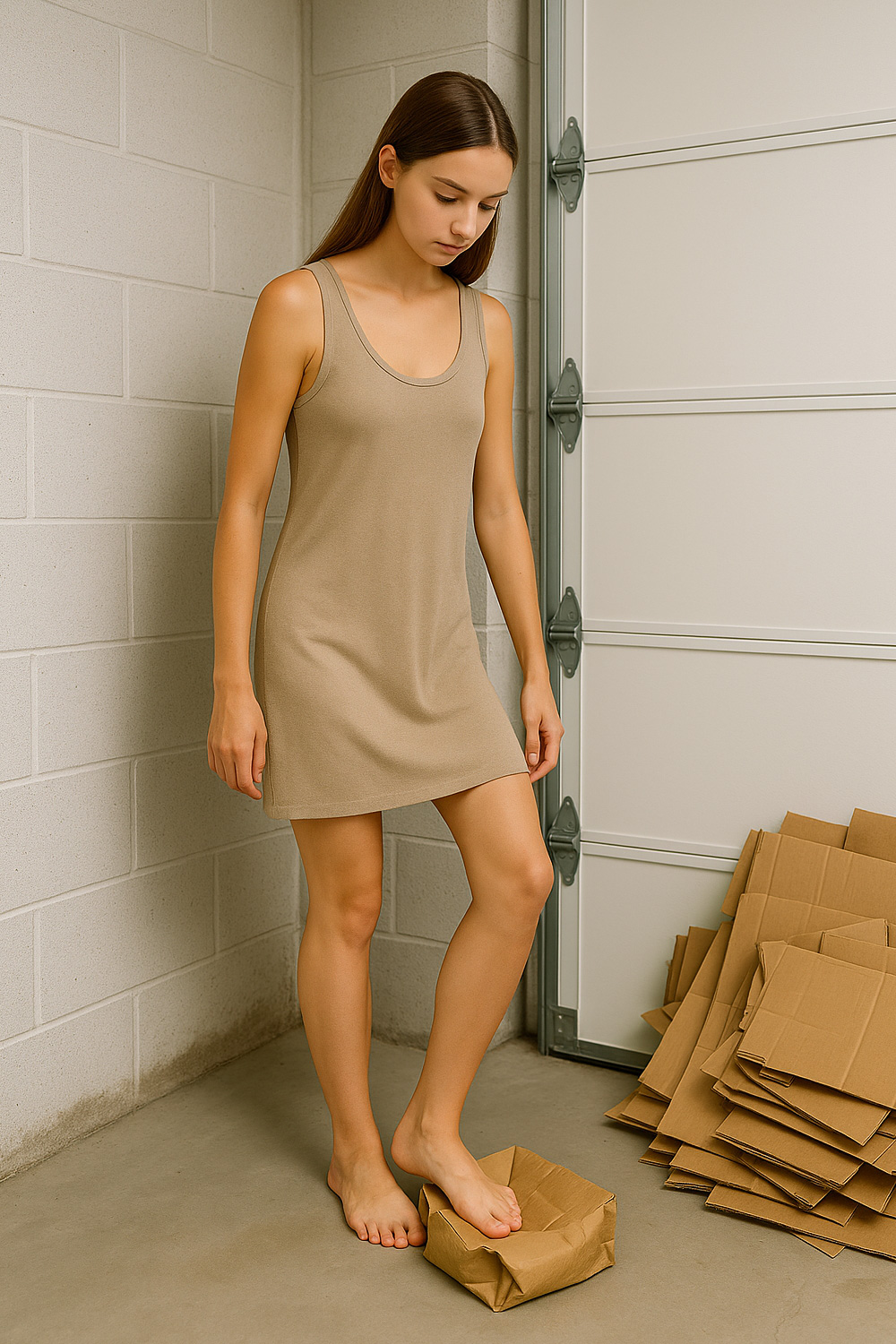
For many households, one of the most effective indoor recycling solutions is not a bin at all, but a dedicated box crush pile. This is simply a small, defined spot where empty cardboard boxes go immediately after they are opened. Treated properly, it functions like another indoor bin, absorbing bulk before it ever reaches the recycling wheelie bin and preventing boxes from drifting through the house.
The value of the pile is timing. Cardboard is easiest to deal with the moment it becomes empty, while it is clean, dry and unsupported. Dropping a box onto the floor and crushing it under bare feet makes a bulky and awkward package flat, flexible and easy to stack in seconds. Each new box presses the ones beneath it flatter, so the pile naturally compresses itself over time.
Because the setup is simple and visible, everyone uses it without being asked. Kids enjoy the physical action, adults appreciate that it never needs scheduling, and nobody has to decide where a box should go. When the pile is cleared into the recycling bin once or twice a week, the volume reduction is obvious. Less space is wasted, the garage or laundry stays clear, and recycling stops feeling like something that needs to be caught up on later.
Managing Smell and Moisture Indoors
Odour is usually a symptom of timing rather than volume. Indoor bins that allow waste to linger too long or trap moisture are the problem, not the waste itself. Ventilated designs can help, but they are only effective if paired with frequent emptying and dry recycling practices.
In kitchens, separating food waste from general waste can dramatically improve smell control. Even a small caddy emptied daily keeps the main bin cleaner. For general waste, smooth internal surfaces with minimal seams are easier to wipe and less likely to harbour residue.
Recycling bins benefit from clear rules. Containers should be emptied of liquid before going in. Cardboard should be dry and crushed immediately. When these steps are built into the flow of the kitchen, smell simply does not develop.
Materials, Durability and Cleaning
Indoor bins are handled constantly and should be treated like any other high touch household item. Cheap plastics scratch easily, and those scratches hold grime and odour. Thicker, slightly flexible plastics or powder coated metal bodies tend to age better.
Corners and hinges deserve attention. Complicated mechanisms are harder to clean and more likely to fail. A bin that can be fully opened and wiped down quickly is more likely to stay clean, which in turn makes people comfortable using it properly.
If a bin feels unpleasant to touch or open, people subconsciously avoid it. That avoidance shows up later as clutter, overflowing bins and rushed disposal.
Choosing Once and Living With It Daily
The best indoor bin is the one that disappears into daily life. It supports good habits without instruction and removes excuses without effort. When the kitchen bin makes it easy to crush cardboard immediately, separate waste cleanly and move on, the outdoor bin becomes a non issue rather than a weekly frustration.
Choosing indoor bins is ultimately about designing behaviour at the smallest scale. Every smooth interaction compounds over the week. Every awkward one steals capacity and patience. Get the indoor setup right, and everything from recycling volume to household cleanliness improves quietly in the background, exactly as it should.
You might also like






Disclaimer: Every effort has been made to ensure the accuracy of the information provided, but we make no guarantees regarding its completeness or reliability. The data is presented for general informational purposes only and does not constitute financial, investment, or legal advice. We are not liable for any errors, omissions, or consequences arising from its use. Users should verify details with relevant sources and seek professional advice where appropriate for the most accurate and up-to-date guidance.