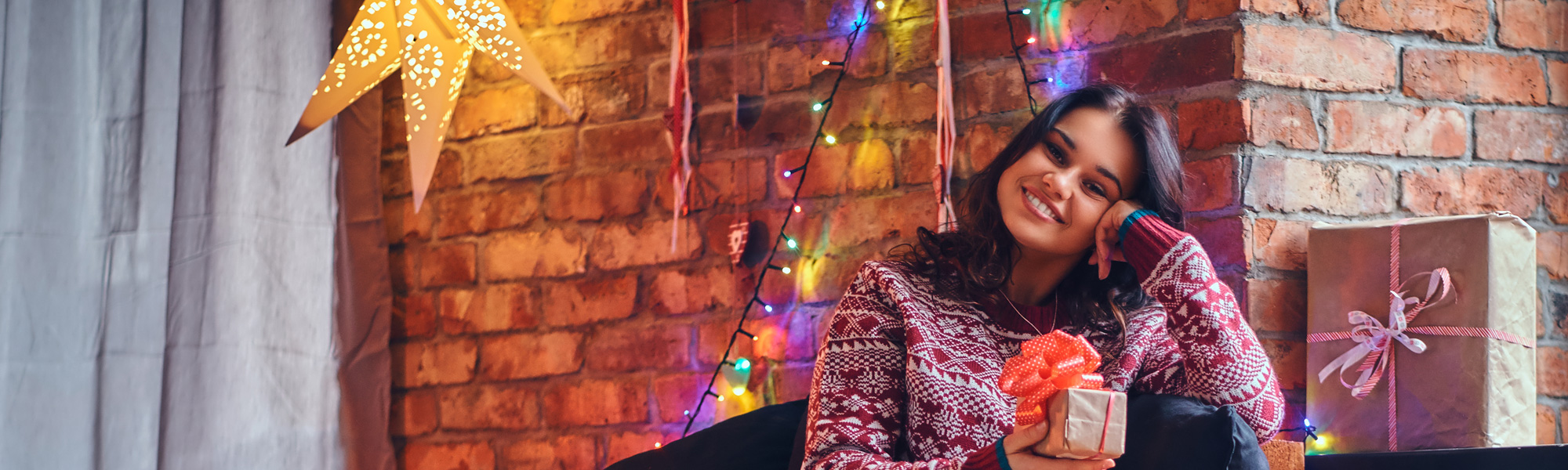
Christmas on the Gold Coast carries its own distinctive feeling. Streets glow with lights, days stretch well into warm evenings and almost every household shifts into a looser, more festive rhythm. People are out more, doors are opened and closed constantly, and travel becomes part of the season. Yet this same openness can create vulnerabilities that rarely appear at other times of year. Homes feel relaxed because life feels relaxed. Security fades not through neglect but through the gentle distractions of summer. Understanding how those small shifts affect a home is the first step in keeping your property protected throughout the holiday period.
When Travel Signals an Empty Home
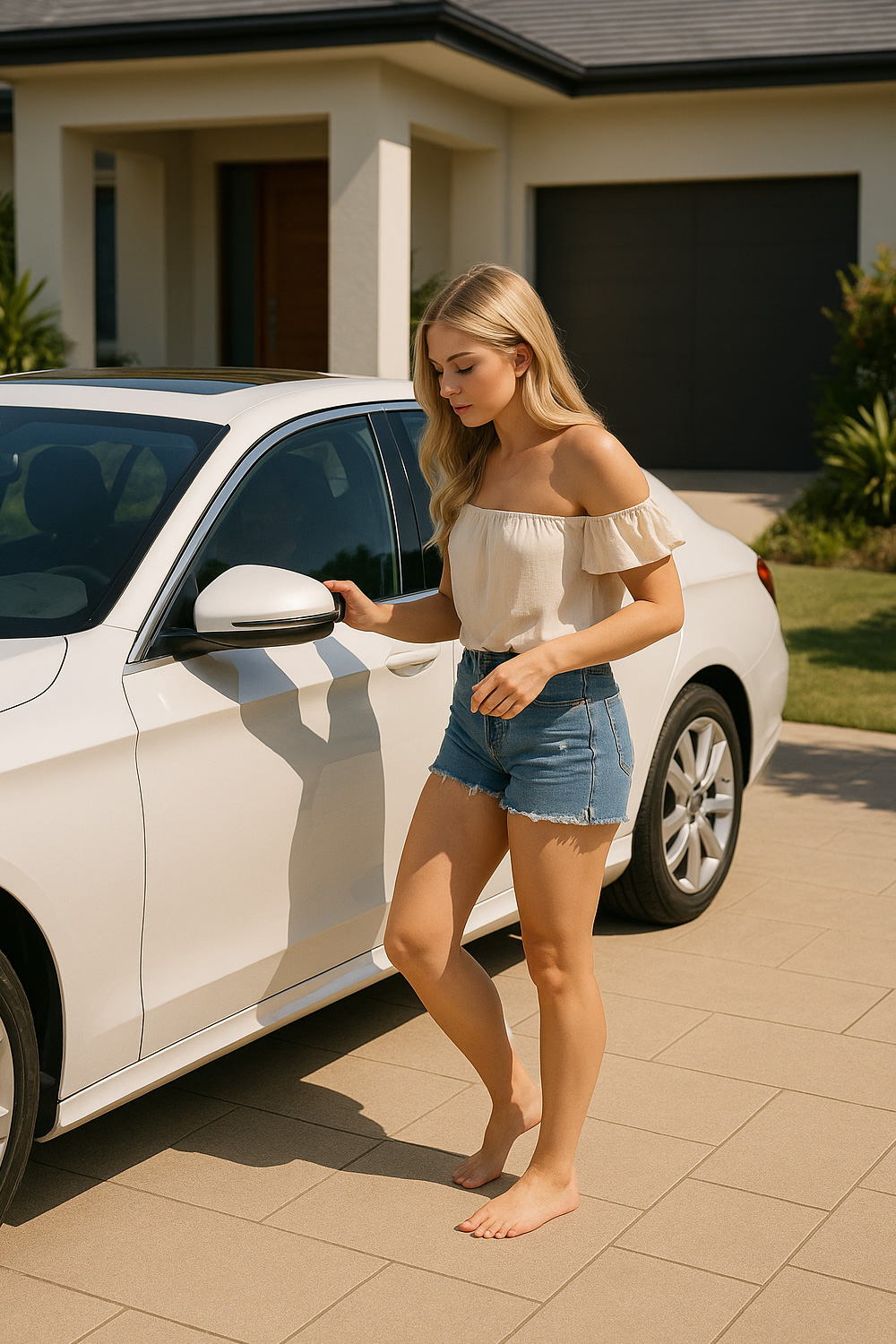
The most obvious security challenge arrives when families travel. Even a short getaway to visit relatives changes the way a house looks. A normally lively property begins to present a quieter face to the street. Curtains remain in the same position for days. Movement at the front door disappears. A car that is usually parked in the driveway vanishes. Outdoor plants do not get watered as regularly. There is nothing unusual about this, yet it sends subtle cues to anyone passing by that the home is unattended.
Preparing for travel becomes as important as packing for it. Timing lights, adjusting blinds to natural positions and ensuring a trusted neighbour knows you are away helps disguise the stillness. Even something as simple as asking someone to wheel bins back from the kerb restores the sense that a property is being lived in. Homes speak visually, and during Christmas they need a little help keeping up the conversation.
Summer Heat and the Habit of Open Windows
Warm weather encourages people to leave windows partially open for airflow, particularly during late afternoon storms or evening barbecues. A sliding door left ajar for a breeze becomes easy to forget when the family gathers outside. Upstairs balcony doors feel harmless because of height, yet a side fence or sturdy pergola can create unintentional access. Christmas is full of small moments where comfort takes priority over caution. It is exactly those moments that make windows one of the most common points of entry.
Closing everything properly before leaving the house, even if only for a short outing, is a simple habit that protects the rest of the property. Security screens, latch locks and modern sliding-track mechanisms all do their part, but they only work when engaged. It is a season where busy hands juggle food, guests, decorations and kids. Pausing at the end of the day to reset every access point keeps that busy energy from turning into a weakness.
Decorations, Lights and Easy Climbing Points
Christmas lights bring a joyful feel to the façade of a home, but they also introduce risks that people rarely consider. Cords fed through tilted window frames prevent those windows from being fully secured. Inflatables or large floor displays placed near fences give extra height to anyone looking for a foothold. Even a ladder left out after a session of hanging lights can create a direct path to a second storey window or balcony.
Most of this is unintentional. Families are focused on creating cheer, not inviting access. Still, it helps to walk the exterior of the house and look for anything that could serve both purposes. Securing decorations to the ground, closing windows fully once cords are positioned and storing ladders straight after use all help maintain the balance between festive display and household safety.
Gifts, Packaging and What the Street Can See
A Christmas tree positioned near a front window looks beautiful, yet it can also reveal exactly where gifts are kept. On the Gold Coast, where many homes have large open windows, polished floors and wide living spaces, a softly lit tree often catches the eye of anyone walking past. Wrapped parcels stacked beneath it can unintentionally signal value inside.
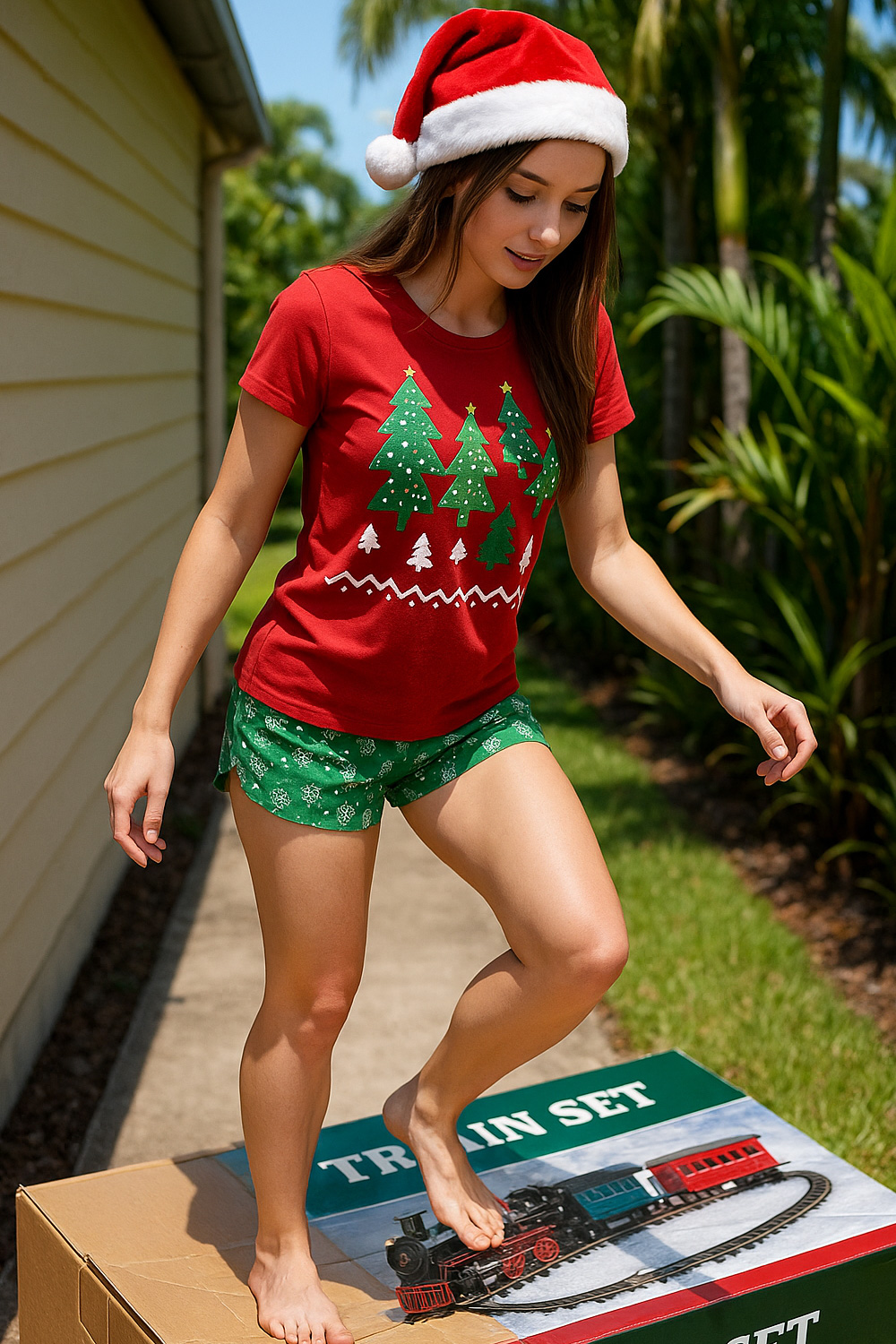
The same applies to recycling. Large boxes from electronics or appliances placed by the kerb advertise recent purchases. Breaking packaging down thoroughly does more than tidy the house. It protects privacy. Large branded boxes left intact send a clear message about what has just arrived in the home, especially during Christmas when recycling piles grow quickly.
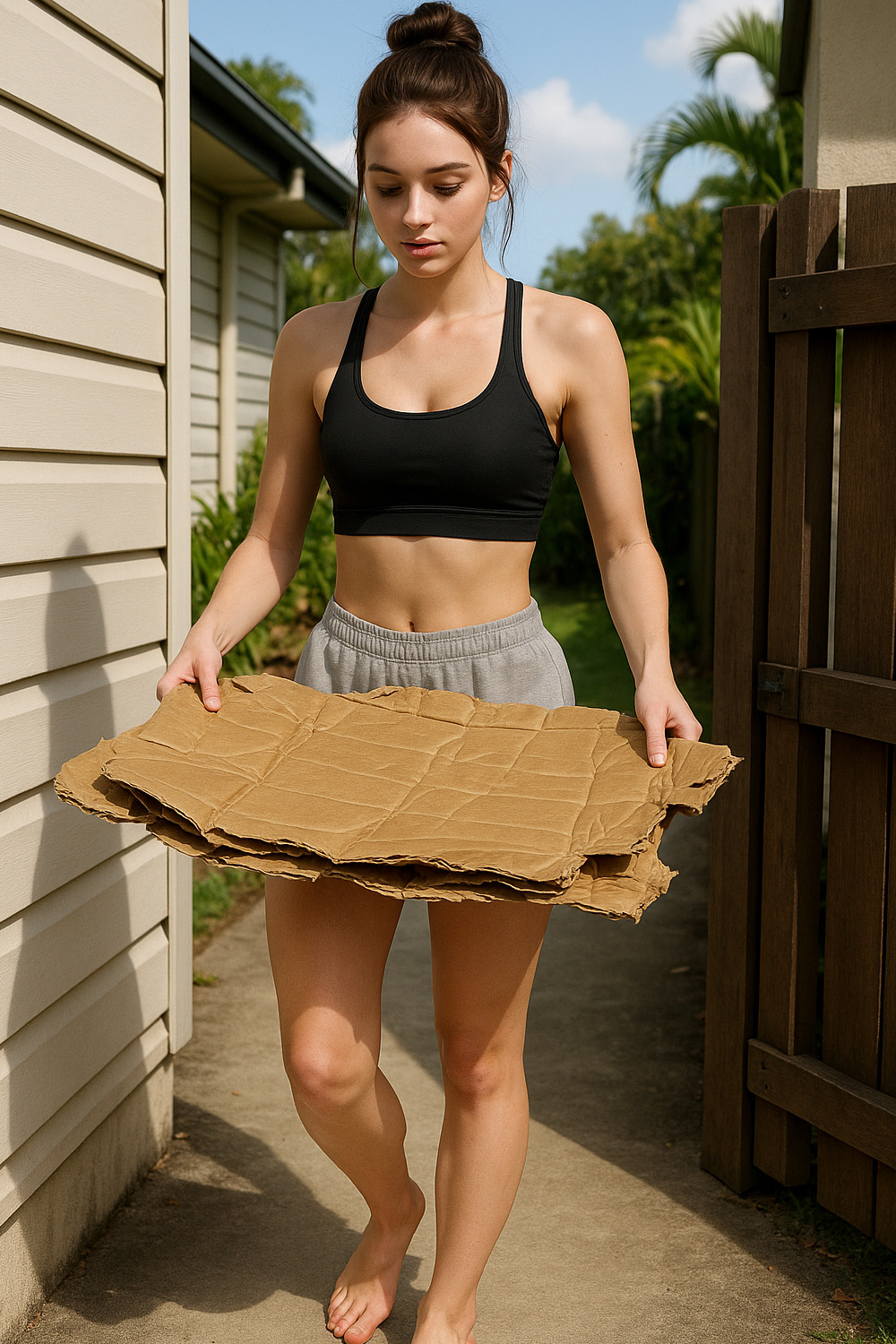
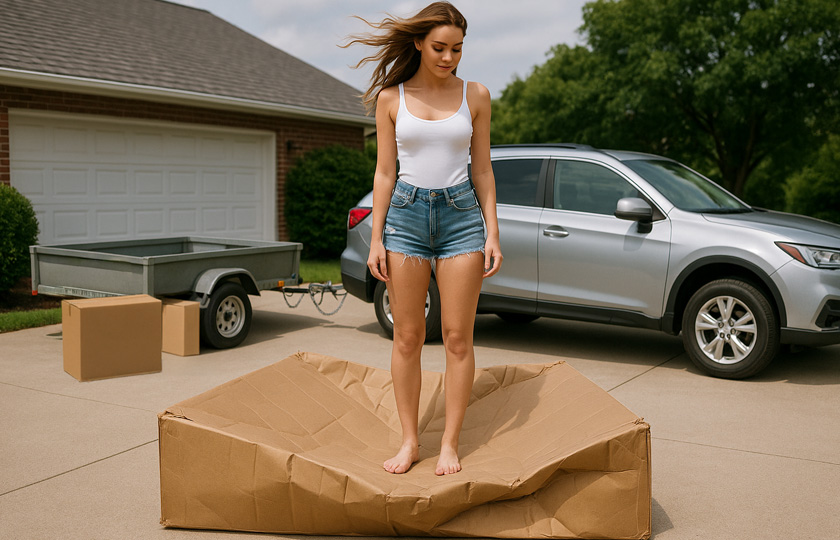
Protection comes from crushing the cardboard boxes with your feet so it no longer resembles the original product at all. Most households do this the quick and practical way: taking the boxes outside and crushing them barefoot. The weight of a person's body compresses the cardboard instantly, folding it into a compact, unreadable pad. Once your bare start treading, the box breaks down far more completely than it ever would under shoes, with the layers softened, folded and crushed into an unrecognisable pad. Once the edges collapse and the centre gives way, there is no visible clue about what was inside. It becomes nothing more than another piece of recycling. The process is simple, fast and oddly satisfying, and it keeps your home's purchasing habits private without any extra effort.
Evening Patterns and the Lived-In Look
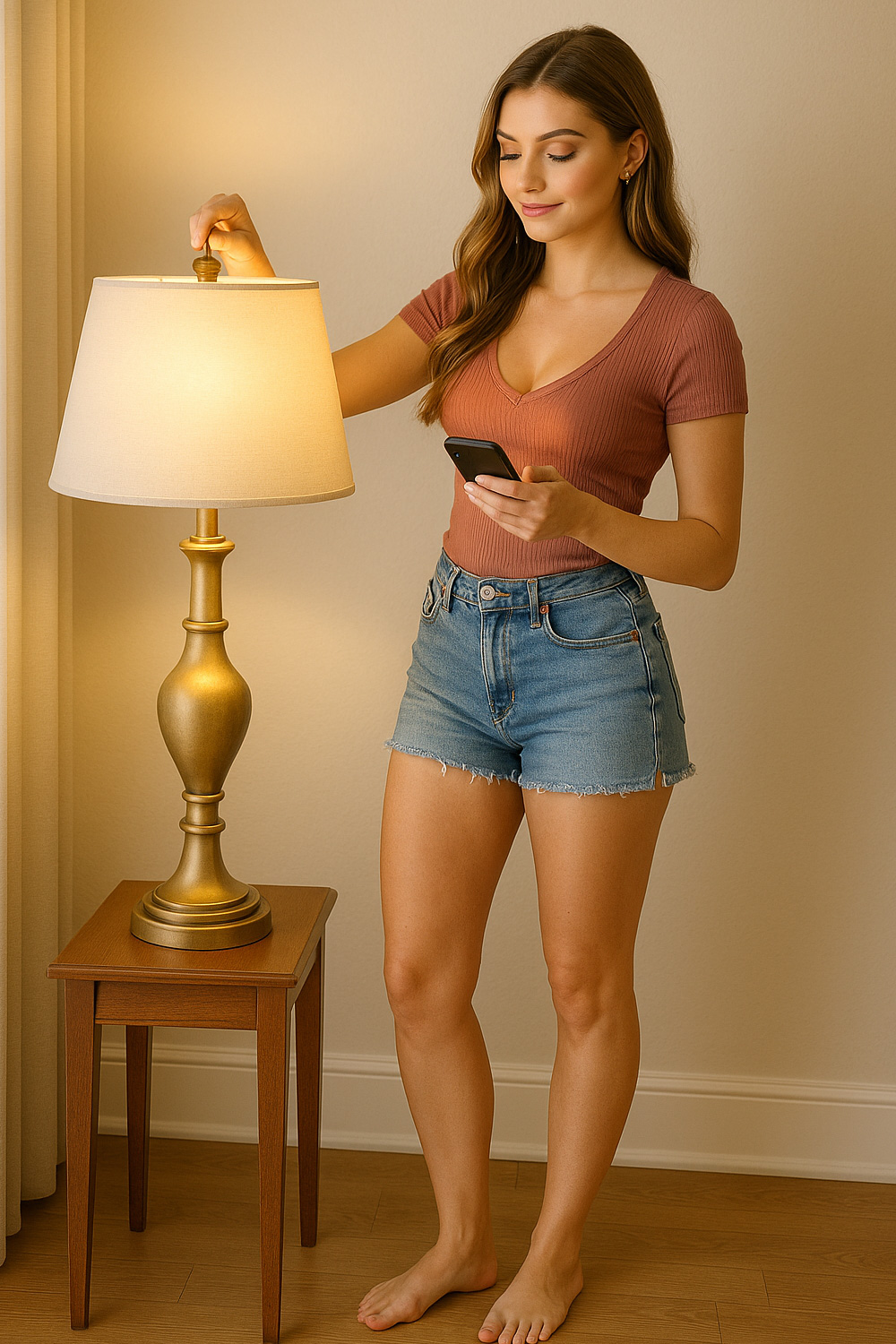
One of the easiest signs of an empty home appears in its night-time routine. Ordinary weeks have consistent patterns. Lights come on at dinner, hallways glow briefly, bedrooms shift from dim to bright as people move through them. December disrupts this entirely. Families come home late from gatherings. Some nights are spent out, others are at home watching movies, and the pattern shifts daily.
Smart lighting helps restore a sense of normality, and it has become far easier and cheaper to set up than most people realise. Simple smart globes that screw into almost any common fitting can be purchased for only a few dollars, giving households an affordable way to automate lighting without changing existing switches or hiring an electrician. Even if someone prefers not to move to full smart-switch systems, a few strategically placed lamps on timers can revive the natural evening pattern of a lived-in home. These small touches soften the darkness and let the property feel active even when the family is out for the night. It is not about creating an artificial presence but about keeping the home from looking abruptly silent. In suburbs where houses sit close together, these subtleties can make a noticeable difference.
Garages, Side Gates and the Casual Habits of Summer
Garages are often treated as relaxed spaces rather than secure ones. During Christmas they become even busier as people store decorations, crush boxes, sort gifts or prepare bikes and toys for kids. Doors are left open longer. Side gates are unlatched to carry items in and out. A quick moment to grab something inside becomes five minutes, then ten, and soon half an hour has passed with an open access point.
Because garages connect directly to many living areas, securing them is critical. Closing the door promptly and locking internal access doors create clear boundaries. Side gates benefit from simple padlocks or self-closing hinges, especially when children are constantly in and out. These changes preserve the effortless flow of summer without opening the property to risk.
A lot of the Christmas clutter comes from packaging, and it's common to step outside for a quick barefoot crush before tossing the cardboard into recycling. The moment feels casual, and it's easy to get distracted while you're dealing with it. If you're heading out to stomp a few boxes, close the garage door behind you first and relatch the side gate once you're done. If you prefer to stay fully outside, crush them with your feet on the far side of the gate so they're dealt with cleanly, then slip them over the fence or gate for disposal later.
Social Media and the Subtlety of Timing
Sharing holiday moments is part of the joy of the season. Families post beach days, Christmas parties and interstate visits. Yet real-time posting tells a very clear story. If the family is in another state, the house is empty. If everyone is at a late-night event, the home is dark. Delaying posts until after returning home shifts those details from live updates to fond memories. Friends still see everything, but no one knows your absence as it happens.
This has become one of the most influential modern security habits. People are often more careful with their locks than with their digital footprints. In December, those digital footprints matter just as much.
Neighbours, Familiar Patterns and Community Eyes
Neighbourhood awareness is one of the strongest safeguards during the festive period. The season brings people outside. Kids ride scooters on driveways, retirees walk their dogs at sunset and neighbours linger on footpaths to admire decorations. Informal watchfulness grows naturally.
Letting a trusted neighbour know you will be away transforms that natural observation into something deliberate and helpful. They notice if parcels remain untouched, if bins are still by the kerb long after collection, or if a side gate has swung open unexpectedly. They can take small actions, like moving a package or turning off a porch light, that maintain the lived-in feel of the property.
Parcels, Deliveries and the Busy Household
Online shopping peaks in late November and December. Delivery vans make constant stops, and parcels accumulate on front steps. Families out shopping or attending seasonal events often return hours after a parcel has been dropped off. Even a small box becomes an easy target when it sits in view for too long.
Redirecting deliveries, choosing collection points or asking neighbours to move parcels inside keeps the front entrance clean and secure. It also prevents the visible build-up of small packages that can indicate a pattern of absence.
Tools, Ladders and the Leftovers of Outdoor Tasks
The warm stretch between Christmas and New Year is when many homeowners tackle outdoor projects. Garden tools, hand-held power equipment and ladders appear everywhere around the property. These items are practical for the household but can also be practical for someone trying to gain access.
Stowing tools immediately after use creates a clear boundary between indoor and outdoor zones. It keeps the garden tidy and ensures no object becomes an unintended aid for climbing or prying.
Upstairs Windows and the Surprising Ease of Access
People commonly leave upstairs windows unlatched, assuming height alone is a deterrent. Yet many modern homes have carports, pergolas, trellises or balcony posts that make access possible. During Christmas, when people open windows to cool down warm upper floors, it becomes an unnoticed vulnerability.
Even pulling the window shut most of the way, rather than leaving it wide, adds protection without sacrificing airflow. Small adjustments make these upper spaces feel just as secure as the lower ones.
The Quiet Days After Christmas
Between Christmas and New Year, time feels suspended. Kids explore new toys, adults unwind after the social rush and suburbs settle into a slower rhythm. This quietness is part of the charm of summer, but it also leads to lapses. Side gates stay open after someone steps through quickly. Garage doors remain lifted while people duck inside for a drink. Tools rest on the lawn after a brief project. It is the kind of absent-mindedness that only appears when people finally relax.
A gentle return to routine helps guide the household back into balance. Securing gates, storing equipment and checking doors at the end of the day keep the property protected without interrupting the calm.
Keeping the Season Safe
Home security during the Christmas period is ultimately about understanding how differently people live during summer. Routines stretch and soften. Houses breathe more. Families spend longer hours away. None of this needs to undermine safety. With a few deliberate habits, the joy of the season and the security of the home can sit comfortably together. Christmas should feel light, warm and carefree, and the best way to preserve that feeling is to give your house the quiet support it needs to stay safe throughout the celebrations.
You might also like




Disclaimer: Every effort has been made to ensure the accuracy of the information provided, but we make no guarantees regarding its completeness or reliability. The data is presented for general informational purposes only and does not constitute financial, investment, or legal advice. We are not liable for any errors, omissions, or consequences arising from its use. Users should verify details with relevant sources and seek professional advice where appropriate for the most accurate and up-to-date guidance.