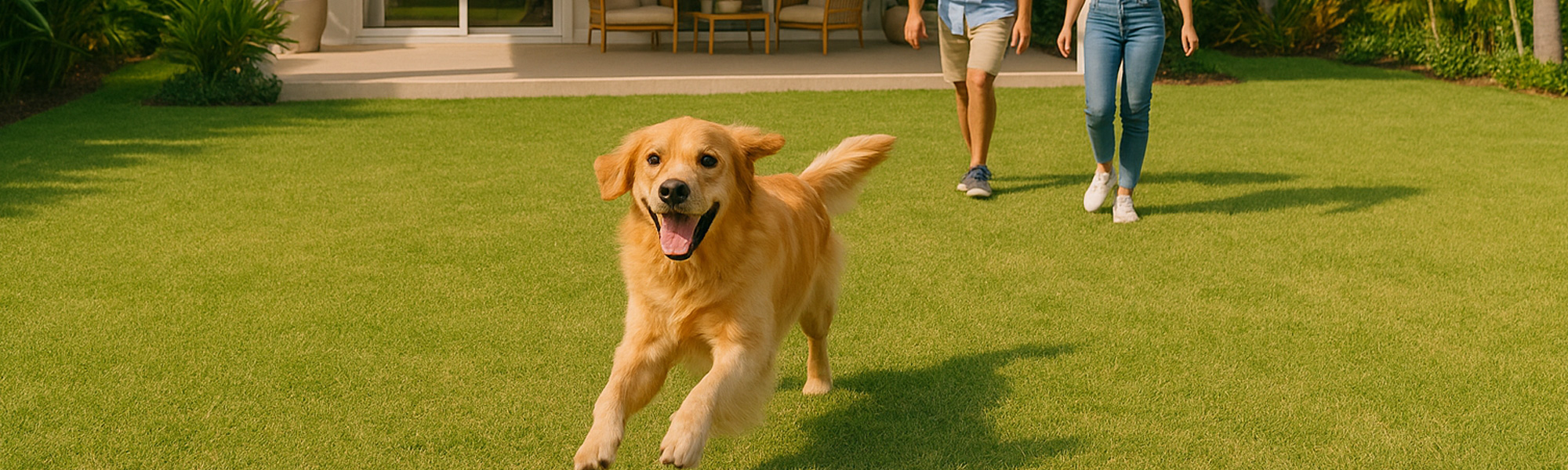
Moving house can be a wild mix of excitement and exhaustion. There's the scent of new paint, the shuffle of boxes, and that surreal moment when your life is packed into a truck. But while we're busy juggling keys and checklists, our pets are often standing there, ears tilted or whiskers twitching, trying to make sense of it all.
For dogs, cats, birds, and everything in between, home is more than four walls - it's scent, sound, routine, and familiarity. When that shifts, they need our reassurance to help them settle into the new rhythm. The good news is that with a little planning, patience, and a calm tone of voice, the transition can be gentle and even joyful.
This article provides general information only and is not veterinary or legal advice. Always check federal, state and council requirements, and consult your vet or specialist pet relocation company for guidance specific to your pets before relocating.
Before the Move: Easing the Change
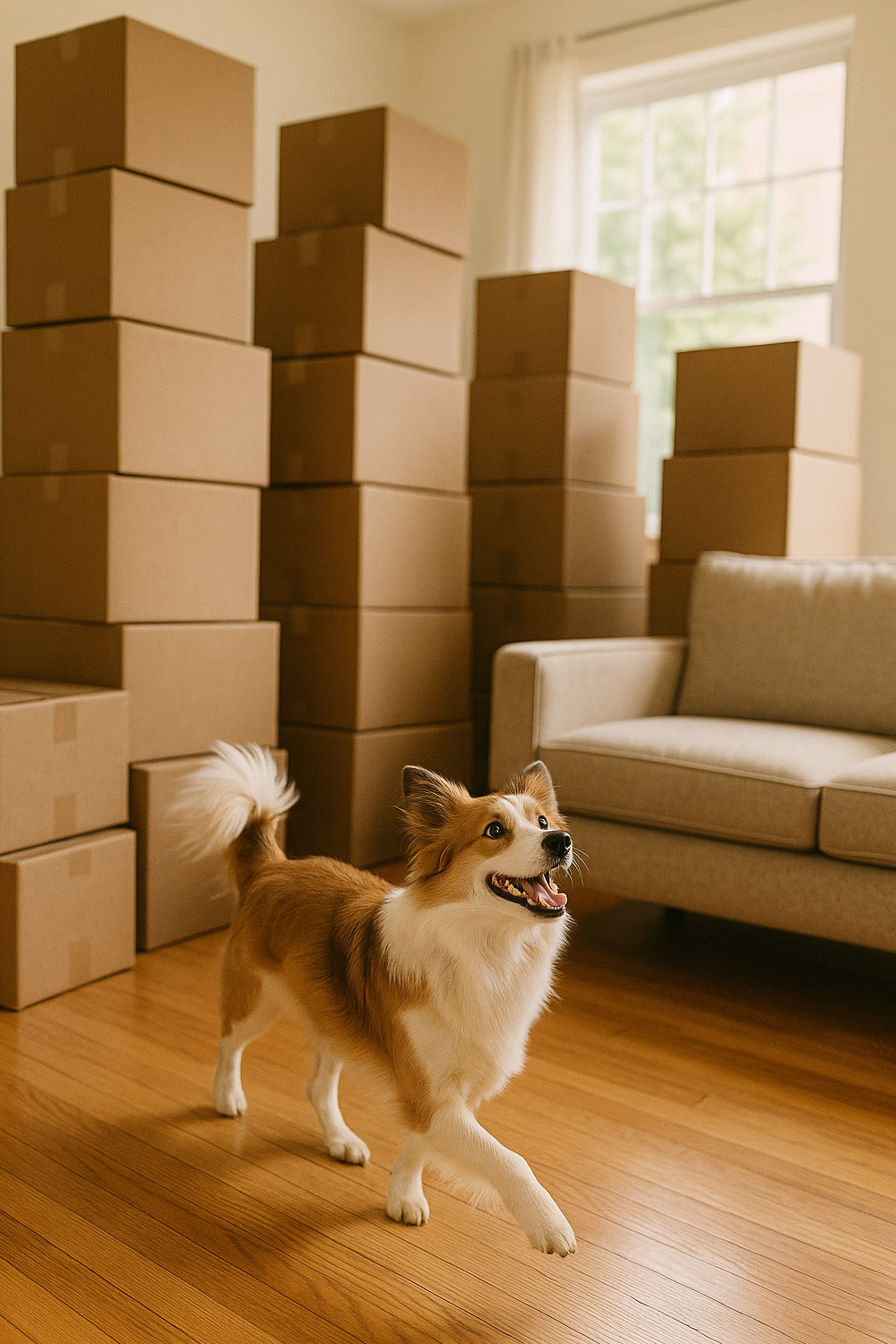
Most pets know something's up long before the furniture starts to move. Boxes appear, routines change, and humans become more distracted. Animals notice these small cues, and they mirror our moods. Staying calm and upbeat in the weeks leading up to the move makes a world of difference.
Keep life feeling as "normal" as possible. Walks should happen at the same time, dinner bowls should appear in the same spot, and bedtime should stay familiar. A consistent rhythm tells your pet that life is still safe. As boxes begin to stack up, let them explore. Cats will climb inside and claim them, dogs will sniff around, and birds will either eye them from a safe distance - or try to start chewing them. The more normal these new objects feel, the less they'll react when everything starts shifting.
A quick vet visit before you move is worth its weight in reassurance. Have vaccinations checked, flea and tick prevention topped up, and pet details updated to your new address. Most councils allow you to update animal registration details online, and it's worth double-checking that your emergency contact number is current in case a gate swings open before you've finished unpacking.
If you keep birds or reptiles, extra thought helps here too. Their routines are tied closely to light, sound, and temperature. Try to pack their enclosures last and set them up first at the new place, so their day-night rhythm isn't disrupted. A towel over the cage, a familiar perch, or the same background music can help them stay calm during travel.
Be sure to keep their food easily at hand, and not accidentally packed away during your move.
Moving Day: Keeping Calm in the Chaos
Moving day is rarely peaceful. There's the rumble of trolleys, the clang of furniture, and the constant opening of doors. For pets, it's sensory overload. The trick is to manage the noise and commotion so that it feels as ordinary as possible.
Create a sanctuary room before the removalists arrive - perhaps a spare bedroom, bathroom, or laundry with food, water, bedding, and toys. Place a clear sign on the door that says Pets Inside - Please Do Not Open. That small precaution prevents the heart-stopping moment of a cat darting past the movers or a startled dog slipping out the gate.
If your pet struggles with noise or strangers, consider booking a day at a trusted pet sitter or kennel. Many boarding facilities offer short-stay options designed specifically for moving days, giving animals a calm retreat while you handle the heavy lifting.
Keep your own energy calm. Animals take their cues from you. If you sound relaxed, they'll read the day as normal - just a slightly busier version of home.
A Special Warning Note About Birds
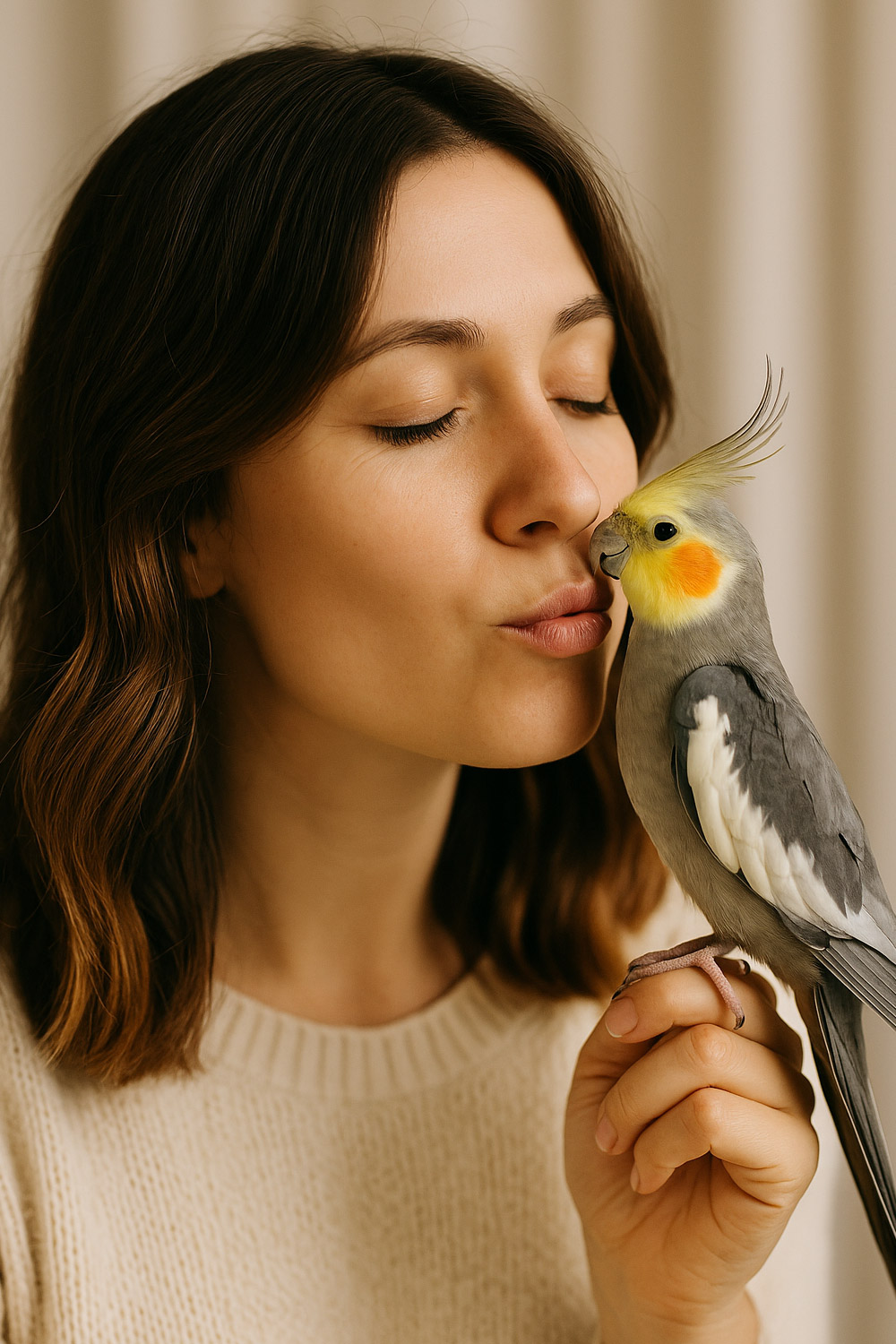
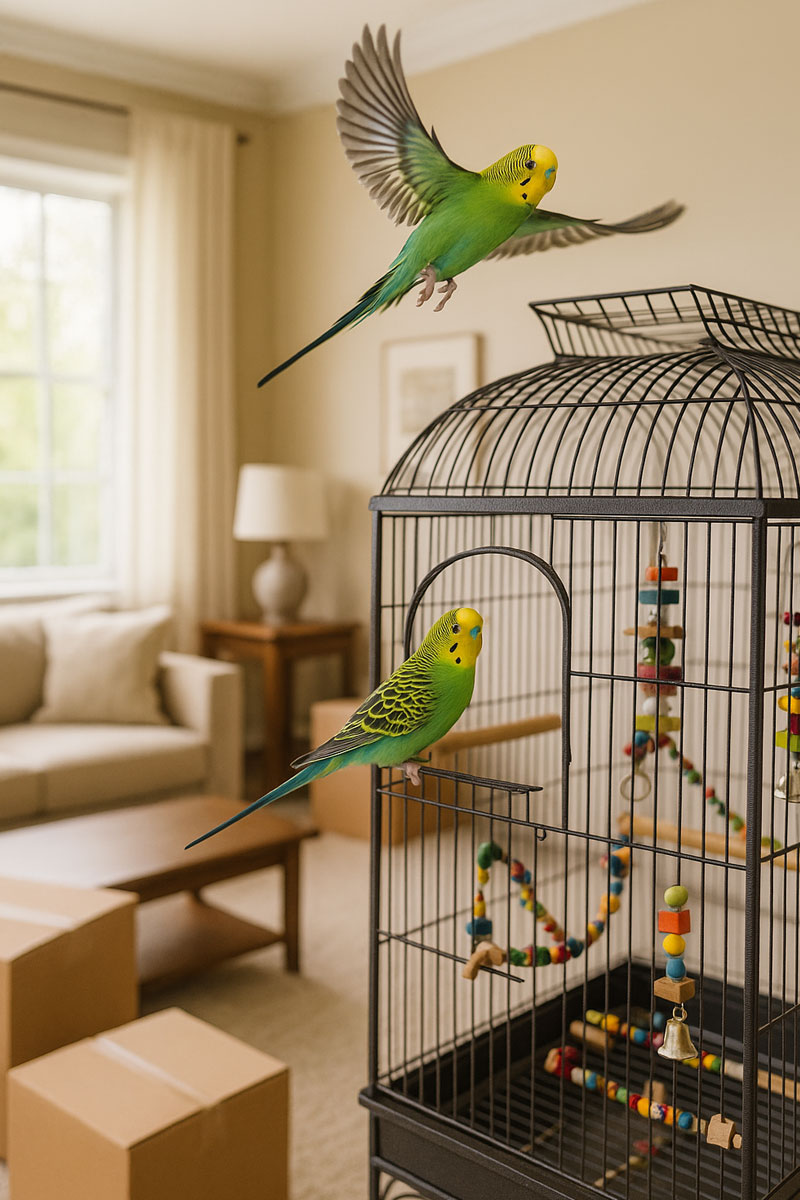
Birds are especially sensitive to airborne toxins and chemical residues. Their respiratory systems are more complex than ours, with air sacs and a unique airflow that makes them far more vulnerable to fumes than most other animals. Avoid using strong cleaning sprays, air fresheners, scented candles, or any kinds of insecticides anywhere near cages or open rooms where birds are kept. Fresh paint, floor varnish, glues, and non-stick cookware fumes can also release volatile compounds that are dangerous to them.
When birds are out of their cages, always double-check your entire house before letting them fly. There may be unfamiliar openings or hazards you don't immediately see - gaps above kitchen cabinetry, skylights, ceiling vents, open flues, or narrow spaces behind cupboards and appliances where small birds could fall or become trapped. Check that windows and sliding doors are securely closed, ceiling fans are off, and stovetops are cool.
Be careful about their navigation too. In a new home, birds don't yet recognise reflective glass, mirror panels, or open stair voids. They may misjudge distances or fly at speed into unseen obstacles. Switch on extra lights if needed to make boundaries clear, and if needed, close blinds or curtains in more high-risk areas, and introduce flight sessions gradually while you supervise from nearby.
When birds are exploring, supervise closely so they don't chew on cords, treated wood, plants, or surfaces that might carry residue from cleaners or pesticides. Many common materials, from electrical wiring to painted trim, can be toxic if nibbled.
If cleaning or renovating your new home, move birds temporarily to a well-ventilated, separate area and wait until all odours have fully cleared before bringing them back inside. Even a small precaution here can literally save a life. If you're unsure which products or materials are safe, consult your avian vet before using anything new around your birds.
The Journey: Getting There Smoothly
Travelling with pets can be a balancing act of comfort, safety, and patience. Whether you're driving across town or setting off on a longer relocation, the journey itself is often the most confusing part for animals. The familiar sights and scents disappear, the car vibrates, and the usual household sounds vanish into the hum of the road. Keeping your pets secure, cool, and calm makes all the difference. Always plan rest stops, pack water and a few familiar items, and never leave pets unattended in cars - even for a minute. Vehicles heat up far faster than most people realise, especially in humid or sunny conditions. A little preparation turns a potentially stressful drive into a safe and surprisingly easy ride for everyone involved.
Dogs
Dogs are usually the easiest travellers, provided the car ride feels familiar. Use a secure harness or crate, pack their lead, water, and a favourite toy, and keep the car well-ventilated. Resist the temptation to feed them a full meal before the trip; a light snack is safer for sensitive stomachs. Many dogs find comfort in gentle background music or your voice chatting calmly. When you arrive, let them out on-lead first, so they can explore with a sense of control rather than racing into the unknown.
Cats
Cats tend to find the entire experience bewildering. Their survival instincts tell them to hide when the environment changes, so a sturdy, enclosed carrier is a must. Line it with a soft towel from home and cover it loosely to dim the light. Talking softly, or even playing a recording of familiar household sounds, can help them relax.
When you arrive, set up one quiet room with everything they recognise - litter tray, water, scratching post, and something that smells like you. Leave the carrier open and let them decide when to step out. Most cats take a few hours to a few days to explore beyond that first room, so let them set the pace.
Birds
Birds are creatures of habit and quick to startle. If possible, transport them in their usual cage rather than a new one, securing any swinging toys or feeders for the trip. Keep the car temperature steady and the cage covered to reduce visual overload. Consider using a specialised, well-designed bird carrier. When you arrive, set them up somewhere quiet, away from direct drafts or air-conditioning vents. Allow them to observe their new surroundings gradually - they'll soon start chirping again once they recognise your voice and routine.
Flying With Pets in Australia
If your move involves flying domestically, there's now a more comfortable option for some animals. A growing number of domestic airlines are allowing small pets to travel in the cabin with their owners on selected routes. They must stay in an approved carrier under the seat, but it's a far calmer experience than the cargo hold - and for short flights, it can make the journey feel much less stressful for everyone.
Always confirm the details before you book, as weight limits, fees, and seat availability vary between airlines. For larger animals or longer relocations, professional pet-transport companies remain the best way to ensure a safe and well-managed trip.
Moving Fish and Other Aquatic Pets
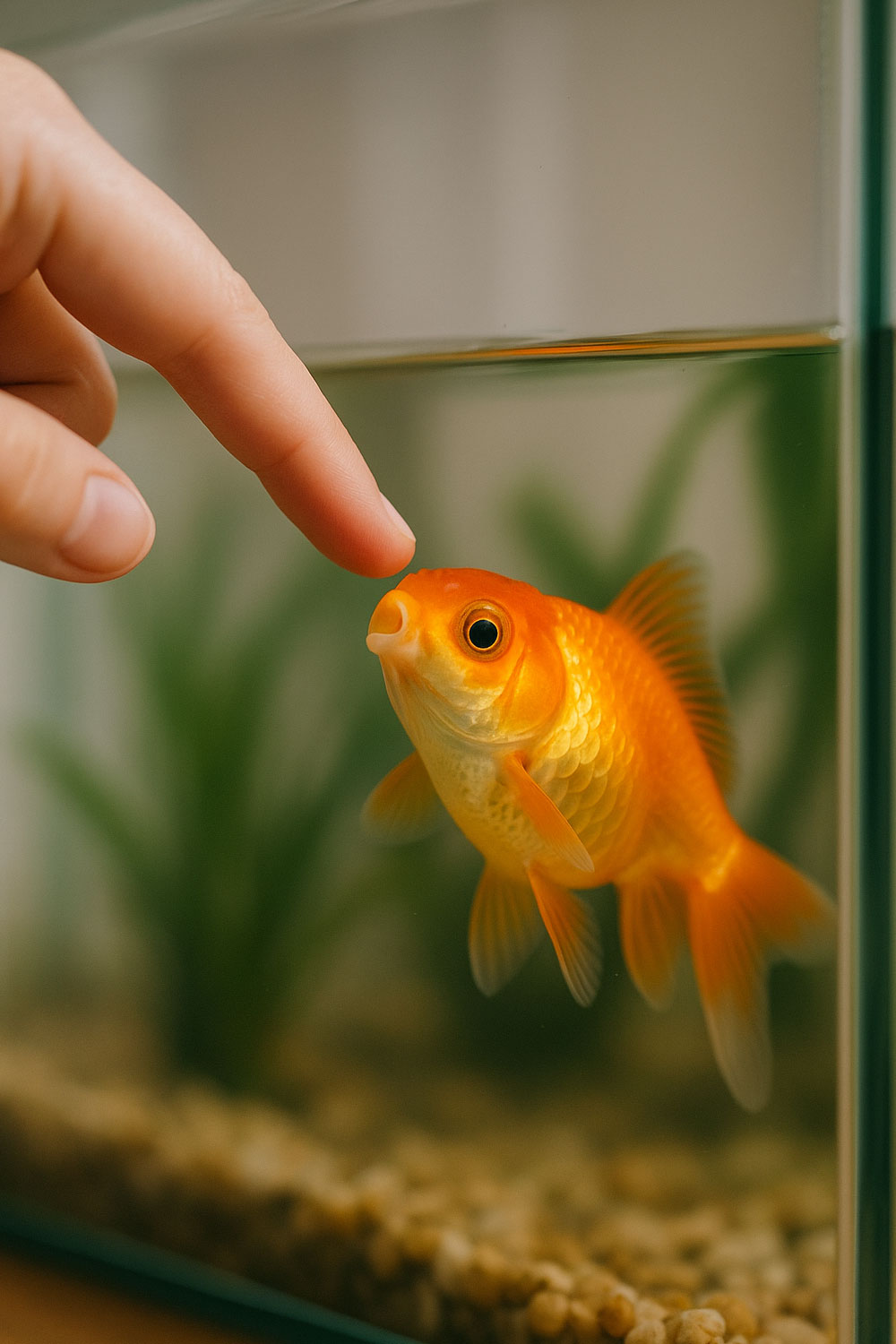
Fish and other aquatic pets are a whole different story when it comes to moving. They feel every ripple, every shift in light, and every change in water chemistry. Before you pack a single box, set aside a few buckets of their tank water so you can mix it into the new setup later - that familiar chemistry helps them stay calm. On the day, short trips are best managed with sealed bags or containers partly filled with water and topped with air, while longer moves call for a sturdy lidded bucket and a small air pump to keep oxygen flowing. A spare tub or backup container never hurts either - it's one of those little things that can save the day if something leaks or spills along the way. Keep them shaded and inside an air-conditioned vehicle, because Queensland's heat can rise fast. Always move the tank empty - even a few centimetres of water can crack glass or stress seals if the vehicle bounces.
Once you've arrived, gently refill with the saved water, reconnect filter media, and wait for the temperature and chemistry to stabilise before reintroducing your aquatic friends. Because different species have very different tolerance levels, it's wise to consult with a local aquarium specialist or vet. They might not wag their tails or chirp in thanks, but when they glide smoothly through clear water in their new home, that's their way of saying you did a really good job.
When Pets Are Coming From Overseas
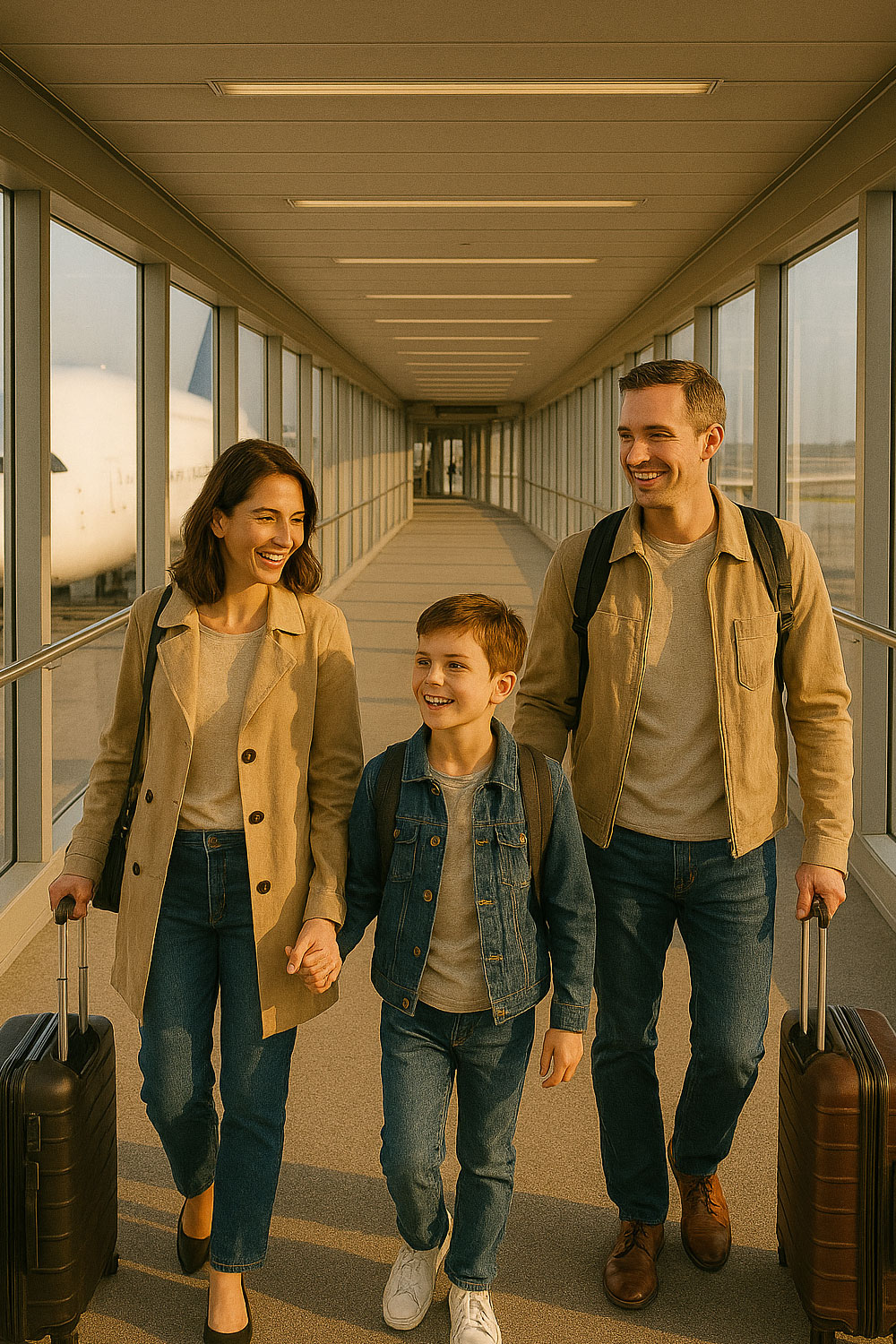
If you're relocating to Australia from abroad, bringing your pet can be a complex and highly regulated process. Australia's biosecurity laws are among the most rigorous in the world, designed to protect native wildlife and prevent the spread of pests and diseases. The process involves multiple approvals, health checks, and strict quarantine rules, and not every species is eligible for import. With careful preparation, accurate documentation, and the right professional help, however, many owners successfully reunite with their pets on Australian soil.
Most dogs and cats entering Australia must spend time in a government-approved quarantine facility, even if they come from countries with strong animal-health standards. The exact duration depends on the country of origin, health documentation, and vaccination history, with all post-arrival quarantine currently managed through the national centre in Melbourne.
Only a small number of species are eligible for import under Australia's strict biosecurity laws - typically dogs, cats, horses, and certain bird species from approved countries. Many other animals, including reptiles, amphibians, and exotic pets, are not permitted for private ownership. Rabbits, while allowed in some parts of Australia, are illegal to keep as pets in Queensland, so they cannot be imported into the state under any circumstance. Import approval for unusual species is generally restricted to zoos and licenced organisations.
It's also important to remember that many countries require a pre-export quarantine period before departure. This ensures your pet meets Australia's health and vaccination standards before boarding the plane. The pre-export stage may involve veterinary checks, parasite treatments, blood tests, or a short stay at an approved holding facility. Coordinating these steps precisely is crucial - timing errors can delay travel or invalidate your permit.
The Australian Department of Agriculture, Fisheries and Forestry provides detailed step-by-step guides on its website, including approved countries, required health certificates, and booking forms for quarantine accommodation. It's wise to start there, then confirm every stage with your local vet to ensure no detail is missed.
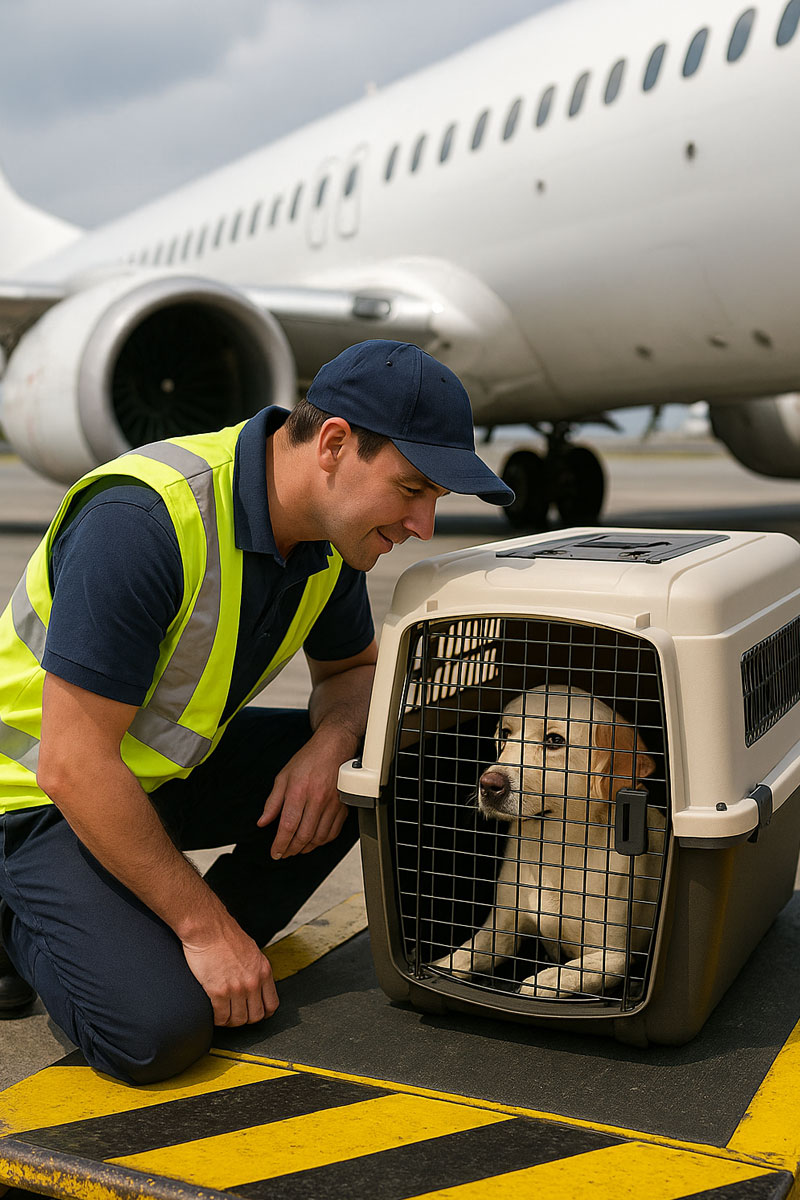
For most people, working with a specialist pet-transport company helps takes the stress out of the process. These accredited operators coordinate flights, customs paperwork, and veterinary checks, ensuring your animal travels safely and legally. Many offer door-to-door services that handle everything from airline-approved crates to comfort stops during long layovers. A good provider will also liaise directly with quarantine staff in Australia to schedule inspections and confirm release dates once your pet arrives.
Costs vary depending on the species, size, and country of departure, so it's worth requesting multiple quotes. Be wary of bargain options that cut corners on airline routes or health documentation - any error can result in extra quarantine time or, in rare cases, refusal of entry.
Planning early, keeping vaccinations current, and trusting experienced professionals are the real keys. Once you've cleared both stages of quarantine - at home and on arrival - your pet can join you in your new house, tail wagging or feathers fluffed, ready to start the next chapter of their Australian adventure.
Unpacking and Settling In
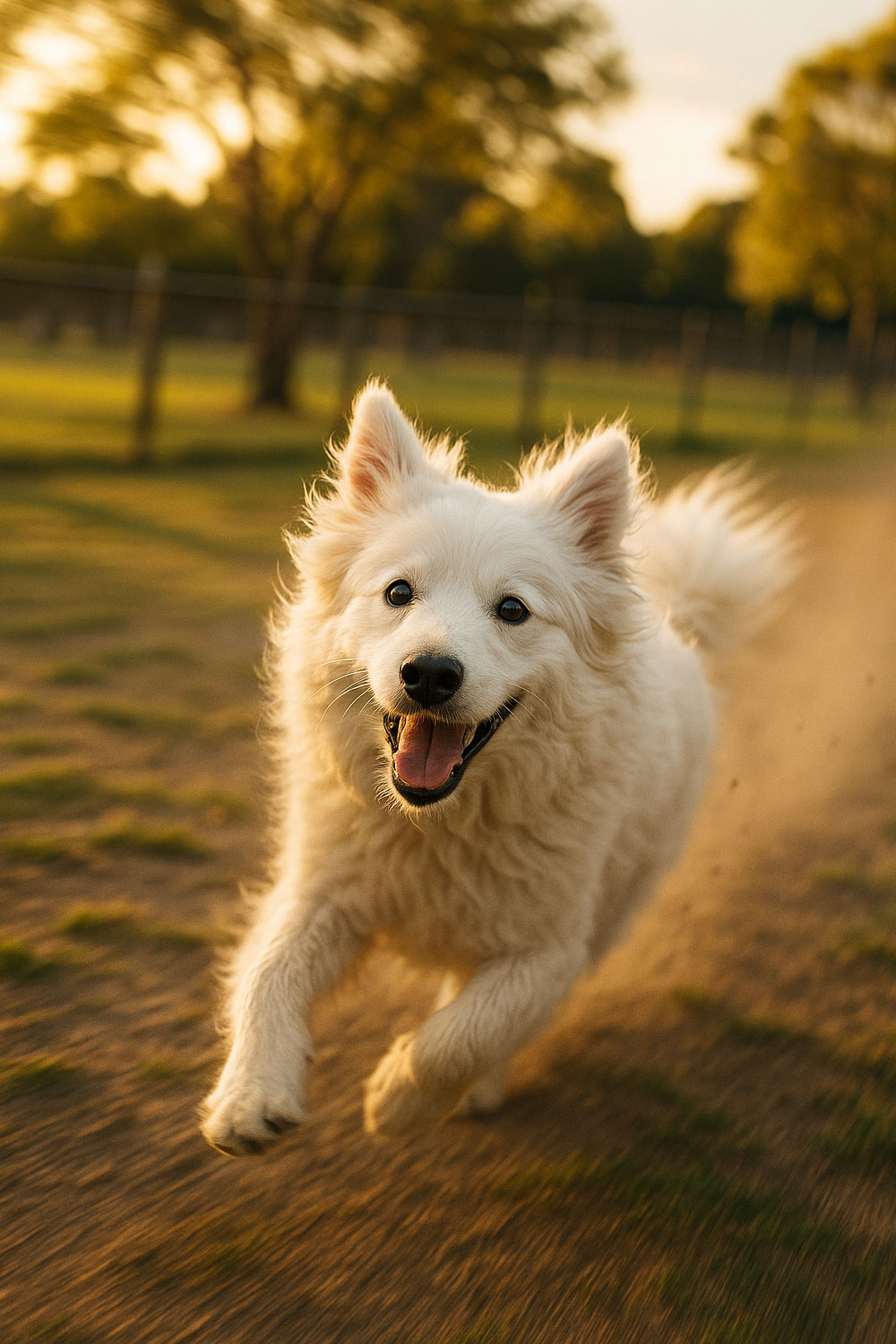
The first few days in a new house can feel like camping indoors. Boxes everywhere, strange echoes, and a jumble of scents. For your pets, it's all alien territory. Take it slowly.
Start by re-creating the "old home" smell. Unpack their beds, bowls, and toys before anything else, and keep them in roughly the same arrangement as before. Feed them at the usual times, even if you're eating takeaway out of a carton. Routines build reassurance faster than anything else.
Walk through the yard and check every boundary. Many Gold Coast properties back onto canals, reserves, or shared fences, and it only takes one gap or loose paling for an adventurous dog to disappear. Pool fences, garden gates, and side access paths all deserve a once-over before any free roaming.
Inside, let cats and small animals explore gradually. A curious cat will want to sniff every skirting board, while a shy one might hide under the bed for two days before resurfacing. Both are normal. The goal is to let them move on their own terms, with quiet encouragement rather than coaxing.
For birds, maintain familiar lighting patterns. If they used to sit near a window that caught the morning sun, try to replicate that. Be careful to protect their eyes when choosing where to place them, however, as the Queensland sun is strong. Keep their feeding and cleaning times identical for the first week. You'll know they're comfortable again when they start preening and vocalising in the same rhythm as before.
Helping Them Feel at Home
After the movers leave and the hum of daily life returns, you can start weaving in the small details that make a house feel truly lived in. Pets read these cues faster than we do.
Dogs will find comfort in walking their new neighbourhood, sniffing out every lamppost and fence line. Short, frequent walks build familiarity and confidence. A friendly chat with neighbours along the way also helps in case your dog ever finds an open gate.
Birds may stay quiet at first, but once they start whistling or mimicking household sounds again, you know they've accepted their new surroundings. If you keep multiple birds, observe their social behaviour for a few days; sometimes a small change in light or echo can affect the pecking order until everyone re-settles.
Finding Your New Vet
Once you've moved, take a moment to find your closest preferred veterinary clinic and book a routine check-up. This gives your new vet a chance to meet your pet and keep their records on file before any urgent situation arises. Choose a clinic that specialises in your type of animal - for example, an avian vet for birds or a practice experienced with exotic pets. It's also worth noting the location of the nearest 24-hour emergency vet and saving their number in your phones and on your fridge for quick access.
Making the New Neighbourhood Work
Most councils are welcoming of pets, but each area has its own rules. Be sure to register dogs and cats promptly after moving and update databases so they're traceable if they decide to explore before you've unpacked.
Scout out nearby parks, off-leash areas, and walking paths once you've settled in. Many councils list designated dog-friendly zones online, including beach sections and reserves. Rules can vary by season or tide, so always check local signage before unclipping a lead.
If you're renting, always confirm pet clauses in writing. Queensland tenancy rules protect responsible pet ownership, but a quick note in the lease saves confusion later. Keep your yard clean and tidy from day one - new neighbours appreciate it, and it helps your pets feel established too.
A Note on Behaviour Changes
Even the calmest pets can act a little odd for a week or two. Dogs might bark more, cats might go off their food, and birds might fall silent. These are natural reactions to change. Offer reassurance, quiet company, and gentle play.
If a pet refuses to eat or seems withdrawn for longer than a few days, touch base with your vet. Mild stress can be eased with natural remedies or pheromone sprays, but prolonged anxiety may need a professional plan.
Once the boxes are gone and the air smells like home cooking again, you'll see your pet's true personality resurface - tails wagging, paws padding, wings fluttering with curiosity.
The Joy of a Fresh Start
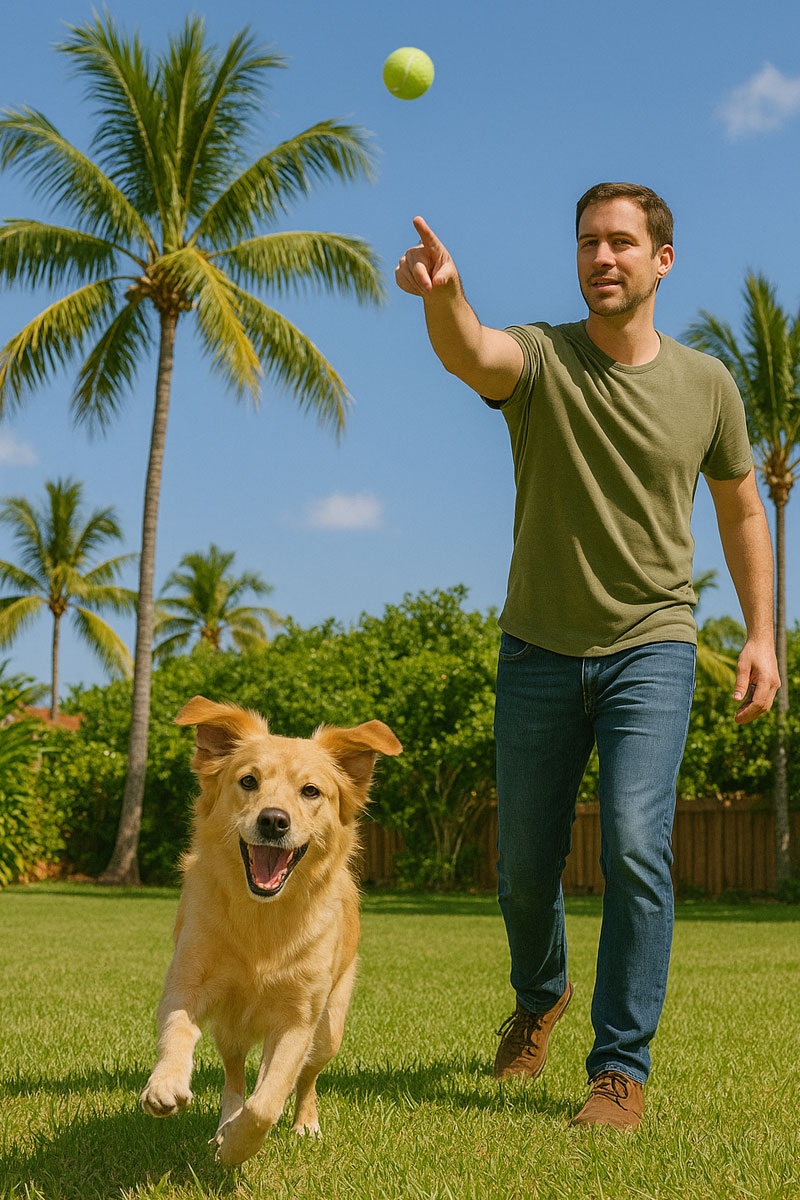
There's something lovely about watching a pet explore a new home. Dogs race from room to room, tails high. Cats peer through half-open doors like detectives. Birds tilt their heads at the new view. They remind us that home isn't about perfect order - it's about belonging.
Within a week or two, the routines return. The sound of the food tin, the jingle of the lead, the morning chatter. Pets forgive the chaos faster than we expect, and their calmness becomes the final sign that you've truly settled in.
Moving With Pets
Relocating can unsettle even the calmest companion. Whether they bark, purr, or chirp, pets notice the change long before you do. Keeping routines steady, spaces safe, and travel plans organised will help them adjust smoothly to their new home.

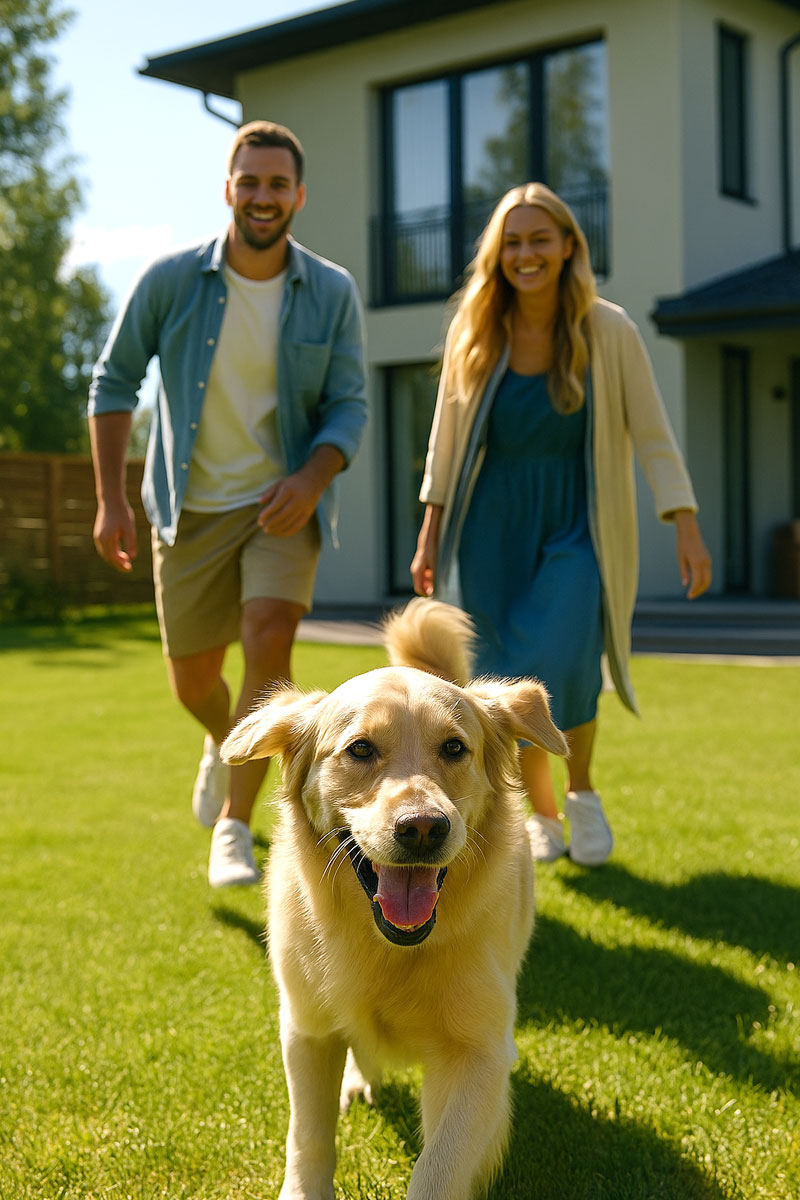
Rewards Pets Recommend
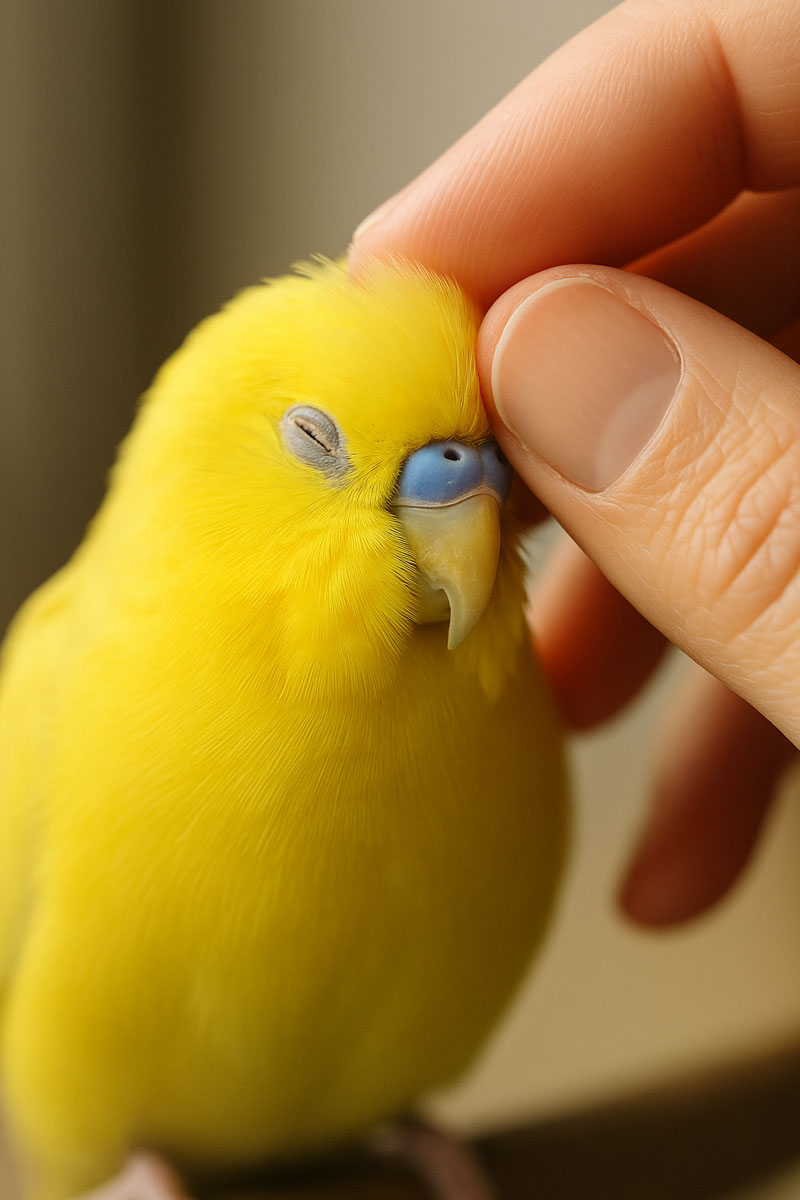
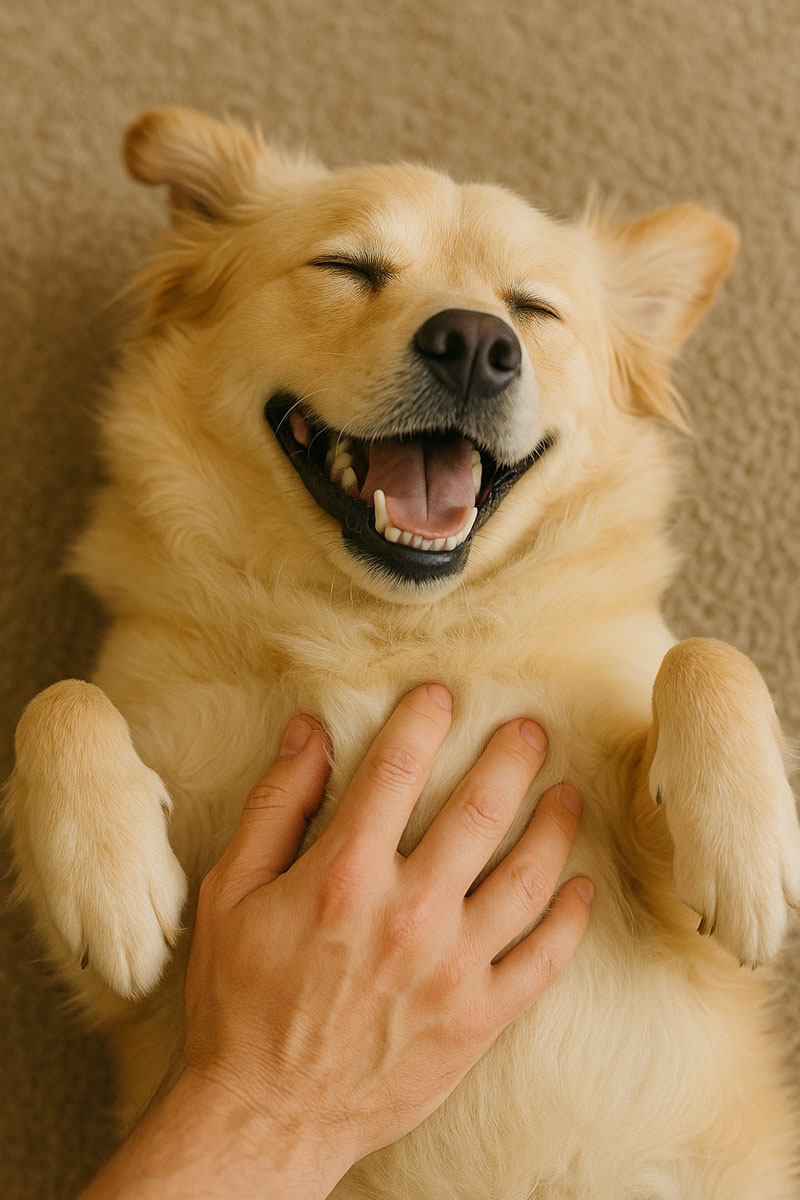
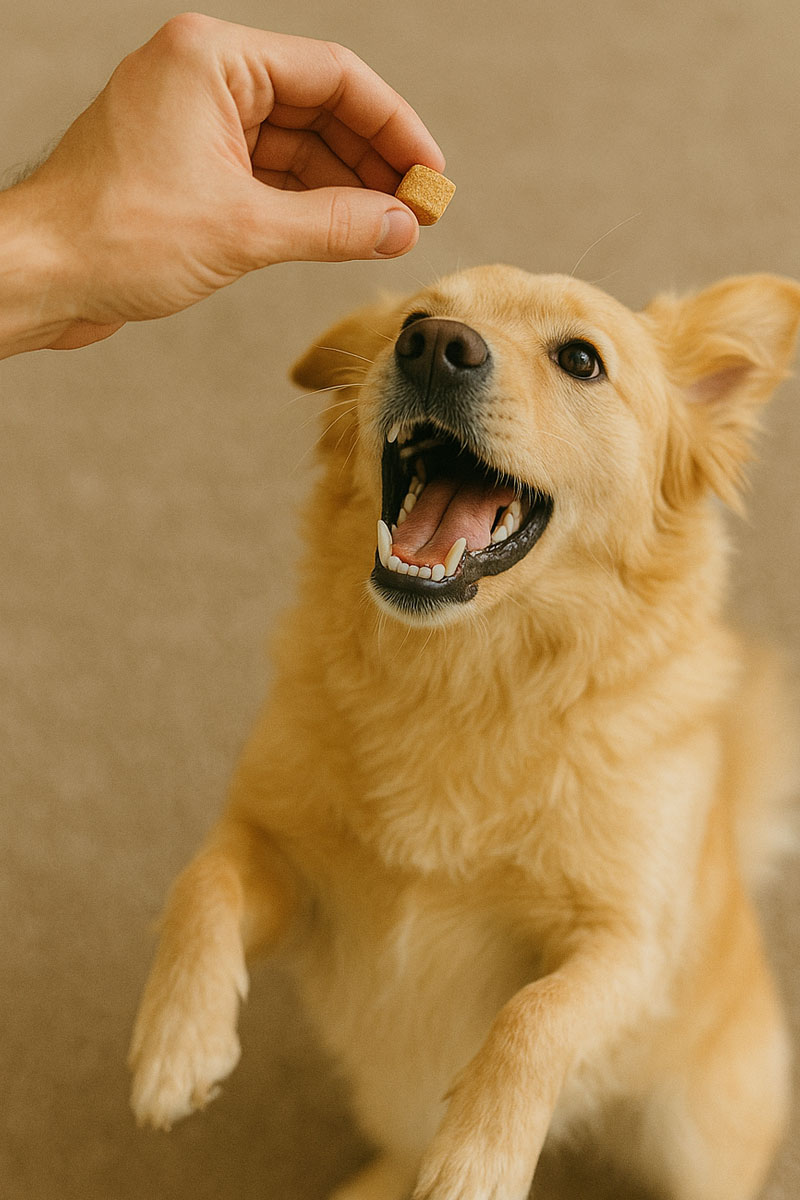
Over the years we've interviewed the real experts - the pets themselves - and they all suggest the following well-earned rewards for handling a house move like total legends:
You might also like






Disclaimer: Every effort has been made to ensure the accuracy of the information provided, but we make no guarantees regarding its completeness or reliability. The data is presented for general informational purposes only and does not constitute financial, investment, or legal advice. We are not liable for any errors, omissions, or consequences arising from its use. Users should verify details with relevant sources and seek professional advice where appropriate for the most accurate and up-to-date guidance.