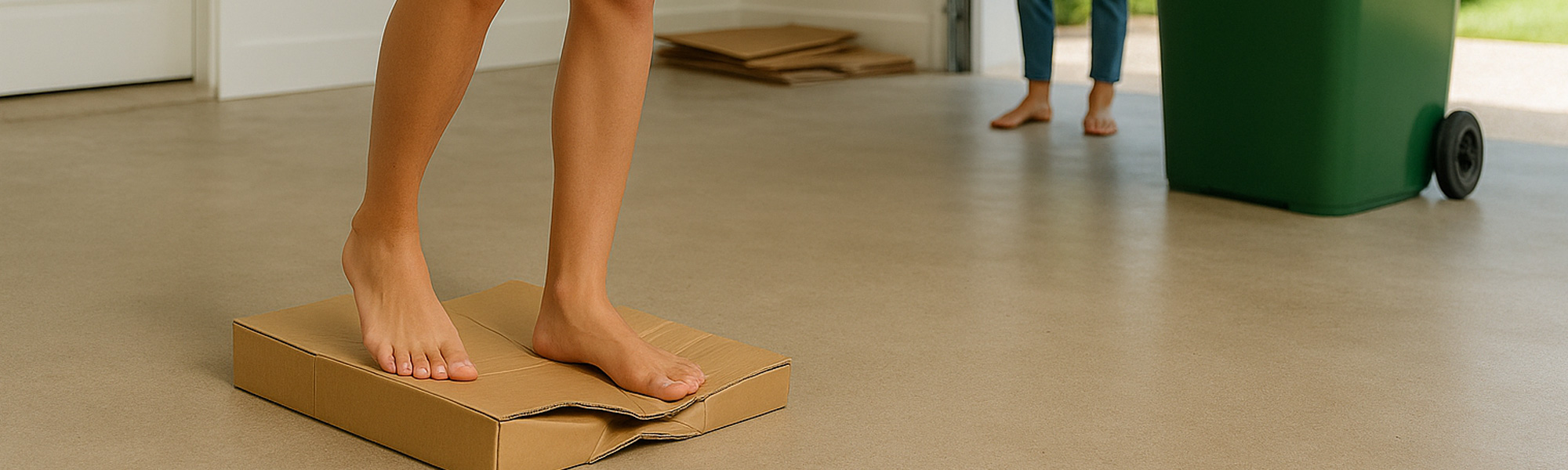
It's a proven recycling method that actually works - simple, satisfying, and oddly addictive once you start. Cardboard boxes are one of the biggest sources of everyday clutter in a family home, but this quick trick changes that. It's the kind of small system families love because everyone can join in - and once they do, they rarely stop.
It always starts small. A couple of deliveries, a grocery box or two, maybe the new kettle you ordered last week. They lean against a wall, patiently waiting for "later." By the weekend, they've multiplied - a small skyline of cardboard that now has its own postcode.
Every house has its version of this. It's not mess, exactly - just the overflow of modern life. And yet, there's an odd satisfaction in fixing it. The simplest way? Create a family box-crush pile - one small corner where boxes go to meet their end. No tools, no rules, no arguments about whose turn it is. Just drop, crush, and walk away.
A Corner With a Purpose
You don't need much. A patch of floor in the garage, a spot near the laundry door, somewhere dry and easy to reach. The kind of place you naturally pass through on your way in or out.
Lay down an old mat or just have a cleared area as a base, not for show but for definition. It tells everyone: this is where the boxes go. Suddenly, the job stops being a job. The cardboard has somewhere to be, and that's half the battle won.
The Crush - Where Boxes Go to Meet Your Feet
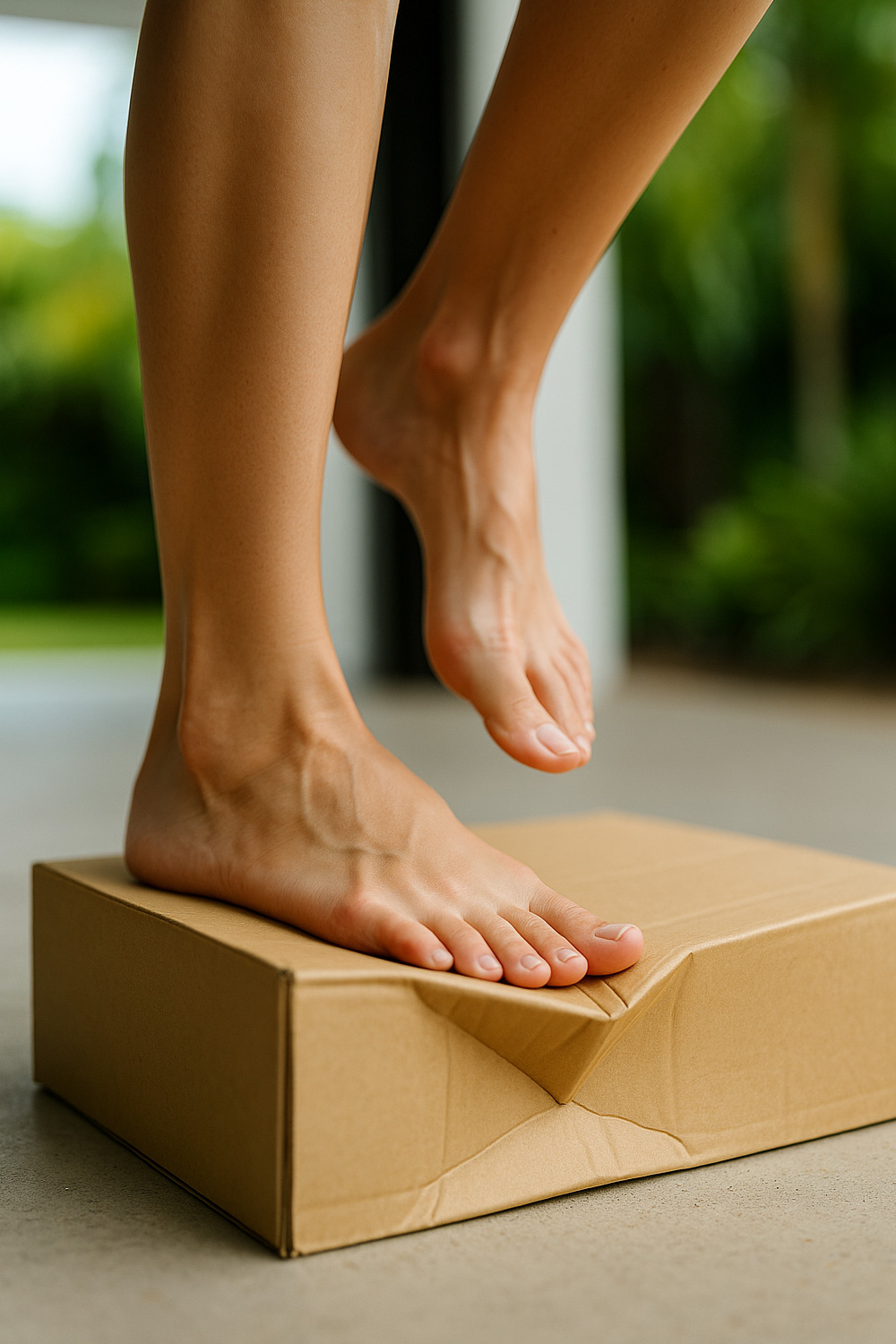
You step down lightly and feel the box give beneath your bare feet - a soft crunch, maybe a quick puff of air - that small satisfaction of turning clutter into calm. There's something quietly incredible about it - the way a stubborn, bulky box suddenly gives in, folds, and disappears beneath you. After just a few treads, you turn the bulky box that once filled the hallway, the kind that always seems to get in the way, into tidy, obedient rubbish.
It doesn't take effort - just your feet, a little weight, and a moment. The cardboard collapses and squashes in on itself, neat and cooperative. Each new delivery joins the last, pressing everything a little flatter. By week's end, what began as chaos has turned into a tidy pile no higher than a pizza box.
It's quick, safe, and unexpectedly pleasant - one of those small household gestures that clears both space and headspace.
Family-Friendly by Nature
Because it's simple, everyone joins in. Kids love the soft crunch and the feeling of helping; adults love that it's one task that never needs reminding. There's nothing sharp, no tools to manage - just clean, dry boxes and a quick press that feels good every time.
Little by little, it becomes a household rhythm. Someone opens a parcel, someone else walks past and flattens the box. Nobody plans it, but somehow it always gets done.
Keeping It Clean
There aren't many rules. Just make sure the boxes are empty, dry, and free of anything that isn't cardboard - no food scraps, no foam, no plastic inserts. After that, the pile more or less looks after itself.
Every couple of days, or whenever it feels full, it all goes into the recycling bin in one easy lift. You'll be surprised how much fits once the air's gone. The space stays open, the garage feels bigger, and that small sight of clear floor brings the quiet satisfaction of a job quietly done.
Why It Works
The box-crush pile turns procrastination into momentum. There's no "I'll do it later" - it happens in the same breath as opening the parcel. You deal with it immediately, and it feels good.
And it's not just about tidiness. There's something deeply human about hearing that soft collapse, feeling the give beneath your feet, watching order return to a corner of your home. It's proof that sustainability doesn't have to be complex. Sometimes it's just about knowing where things go and letting the habit take over.
The Small Joy of Seeing It Done
When the pile's gone and the space is clear, you'll notice it - that little spark of calm. The task that never quite felt worth starting has been quietly solved. No rush, no roster, no list on the fridge. Just a small, shared rhythm that keeps the household ticking over.
It's the sound of life running smoothly: a soft crackle underfoot, a quick glance back, a clean floor. Done.
How A Box Crush Pile Works - Simple Steps, Real Results
From setup to that final satisfying crunch, here's how the family box-crush pile keeps recycling easy and the house clear.
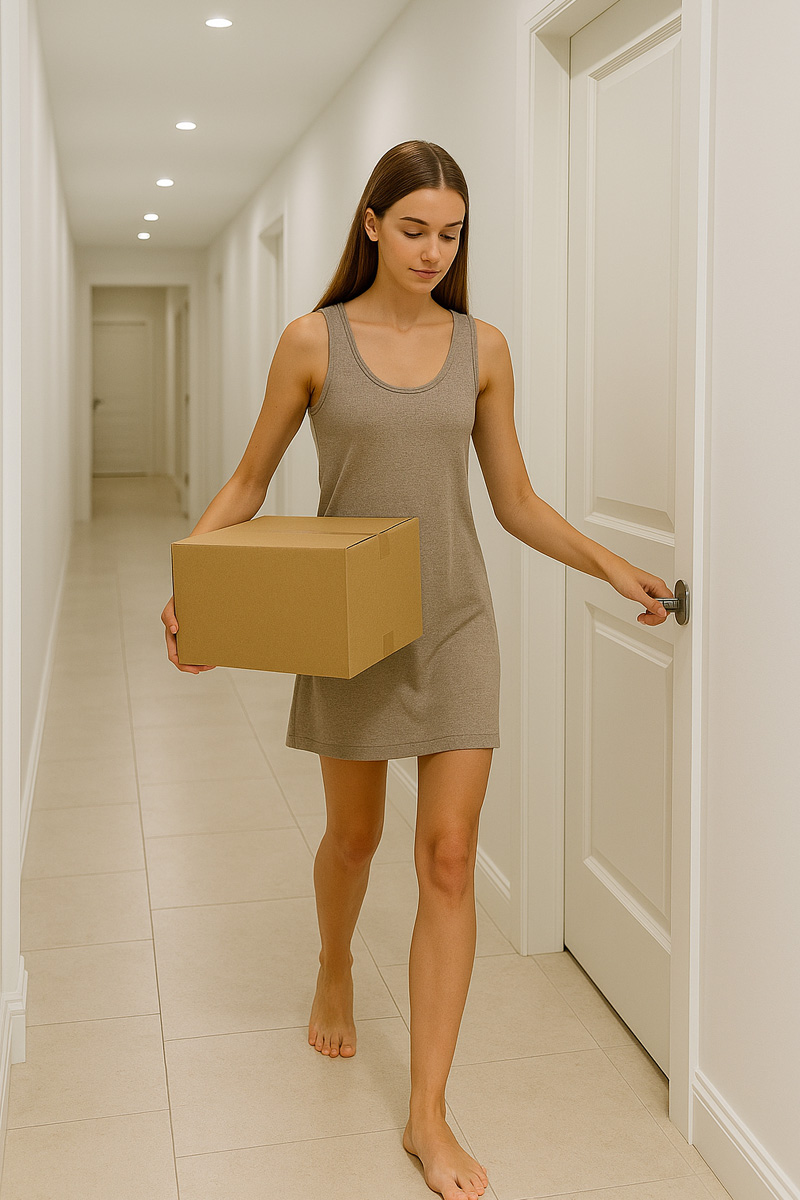
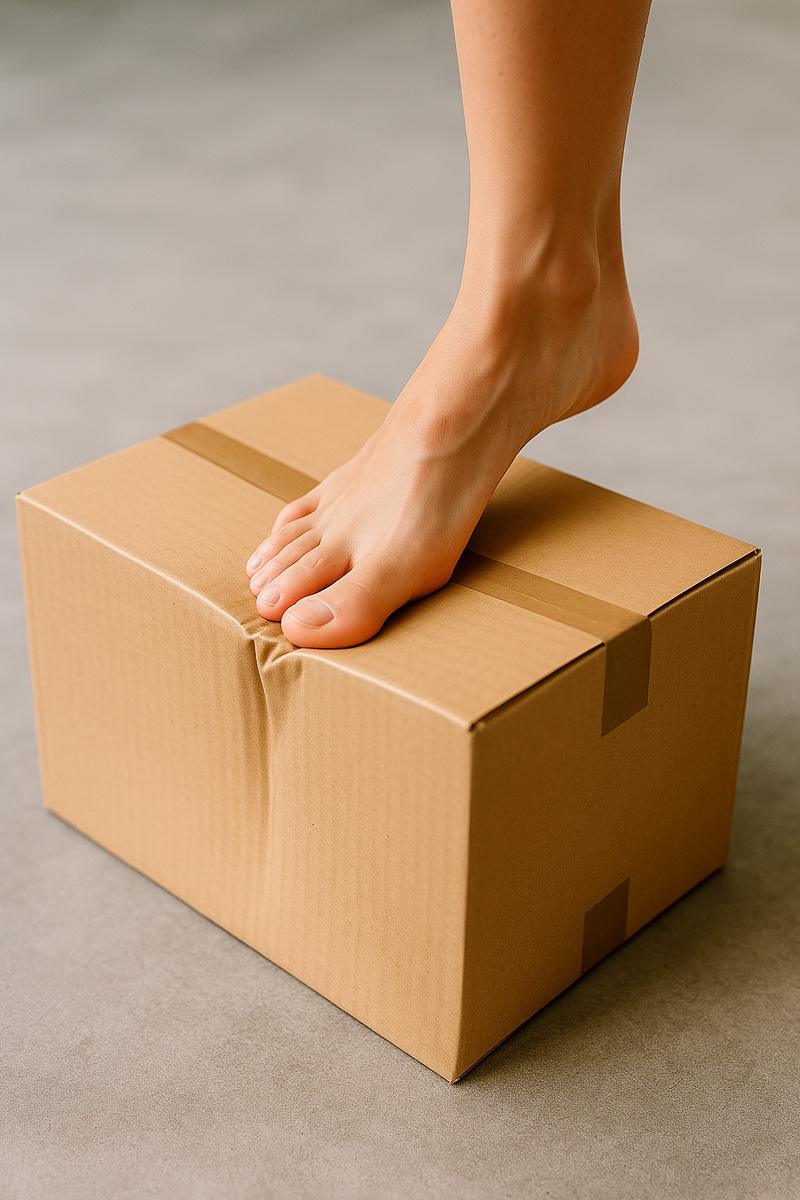
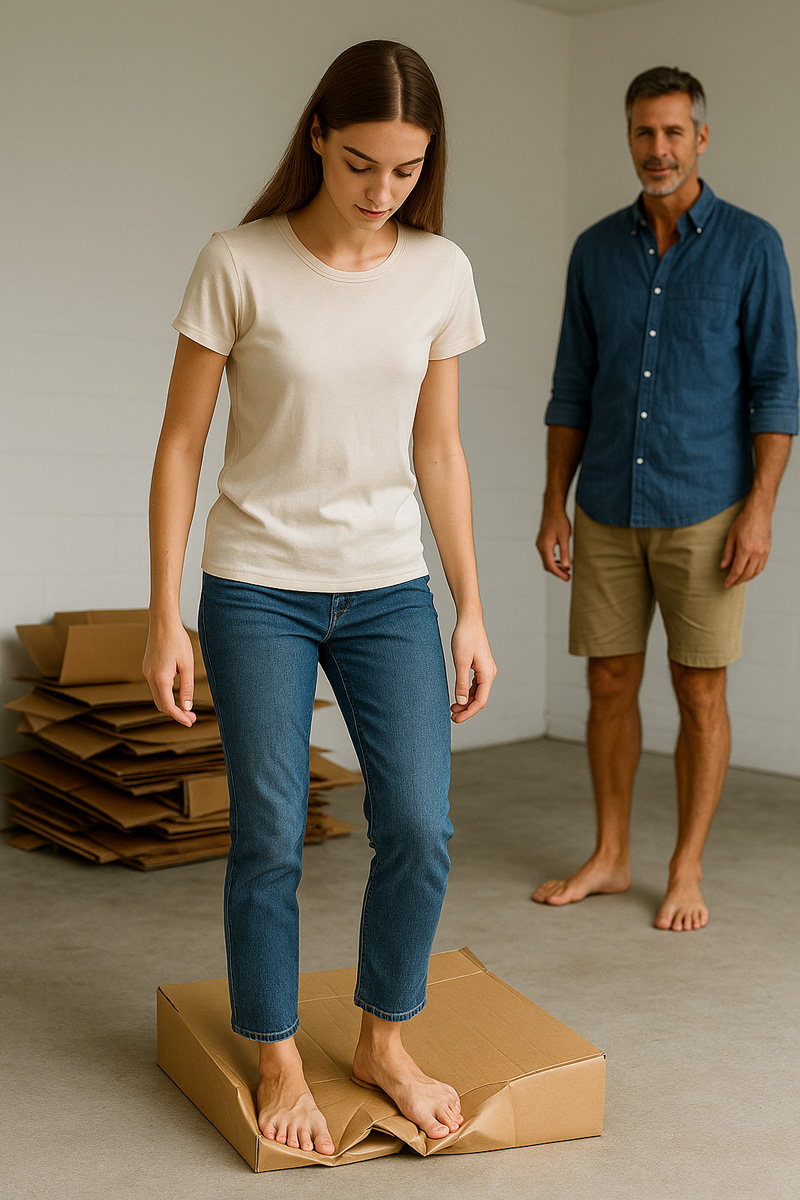
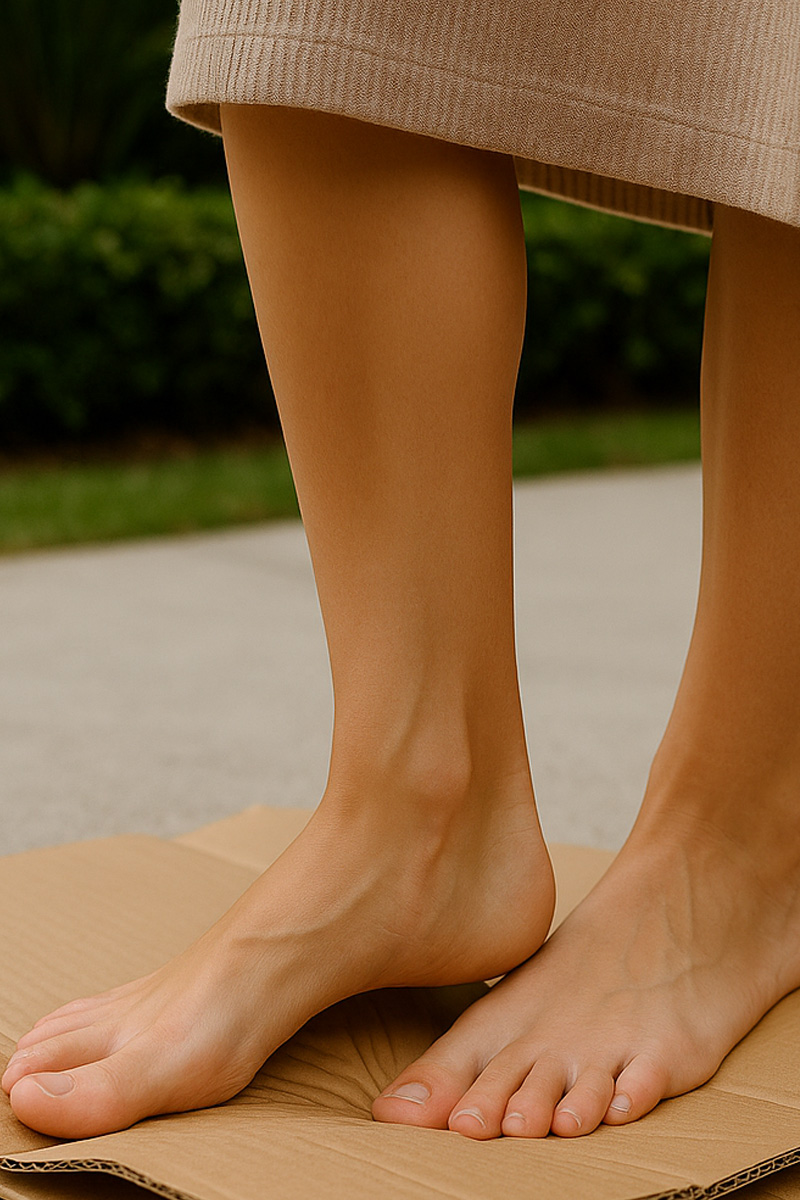
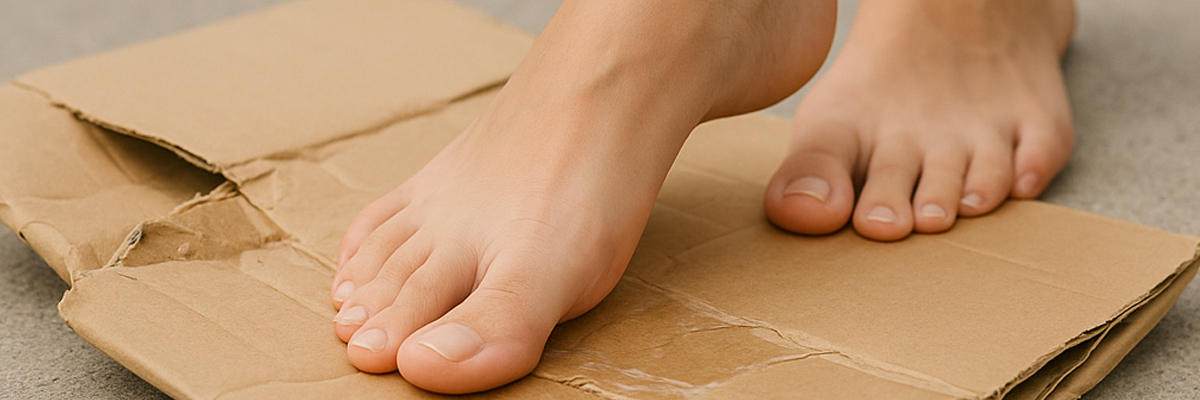
Smart recyclers crush their boxes barefoot. It's faster, softens the cardboard, and makes everything fit better - saving up to 30% more bin space. And people always agree - the feeling of soft cardboard giving way beneath your feet - it's just incredible! A small, guilty pleasure that somehow makes recycling feel good.
Find out How to Properly Crush Your Boxes »
You might also like



Disclaimer: Every effort has been made to ensure the accuracy of the information provided, but we make no guarantees regarding its completeness or reliability. The data is presented for general informational purposes only and does not constitute financial, investment, or legal advice. We are not liable for any errors, omissions, or consequences arising from its use. Users should verify details with relevant sources and seek professional advice where appropriate for the most accurate and up-to-date guidance.