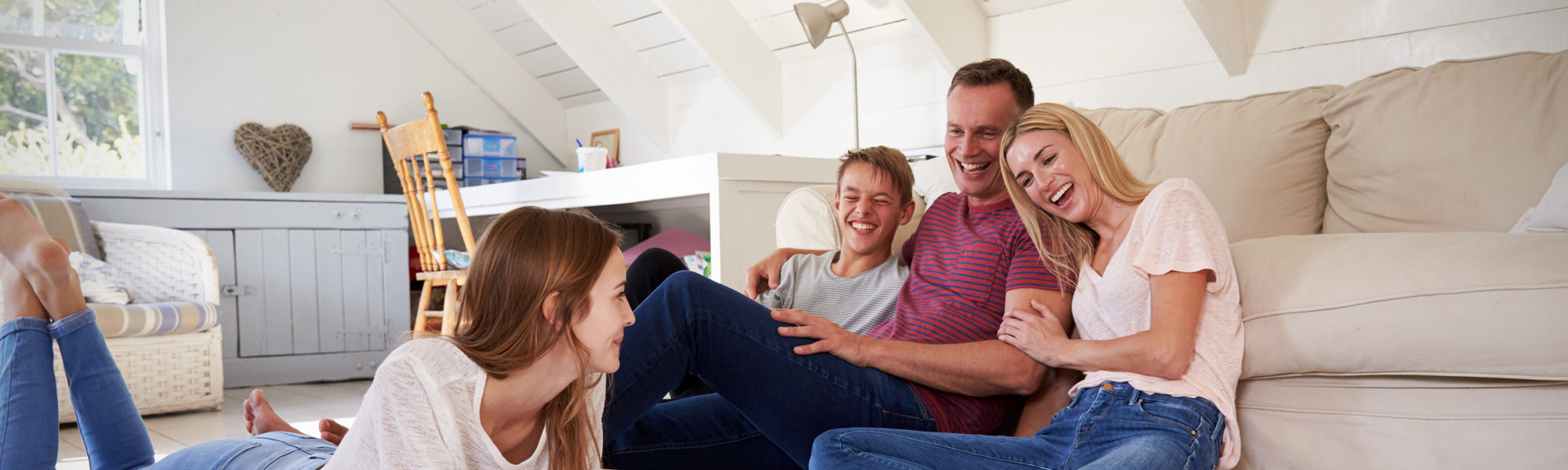
A healthy home isn't created through dramatic overhauls or complicated systems. It's shaped quietly, day by day, through the choices you make about cleanliness, airflow, rubbish disposal, pests, moisture and the way you move through your own space. On the Gold Coast, where warm weather, humidity and barefoot living blend into everyday routines, these simple practices become the backbone of family wellbeing. When repeated consistently, they fade into the background of daily life, yet they form the clearest foundation for long-term health in the home.
Clean, Fresh Air Moving Through the Home
Fresh air is one of the easiest and most effective ways to improve the health of your home. Opening windows encourages natural ventilation, clears out stale air and reduces the build-up of indoor pollutants from cooking, cleaning or simply existing in a closed space.
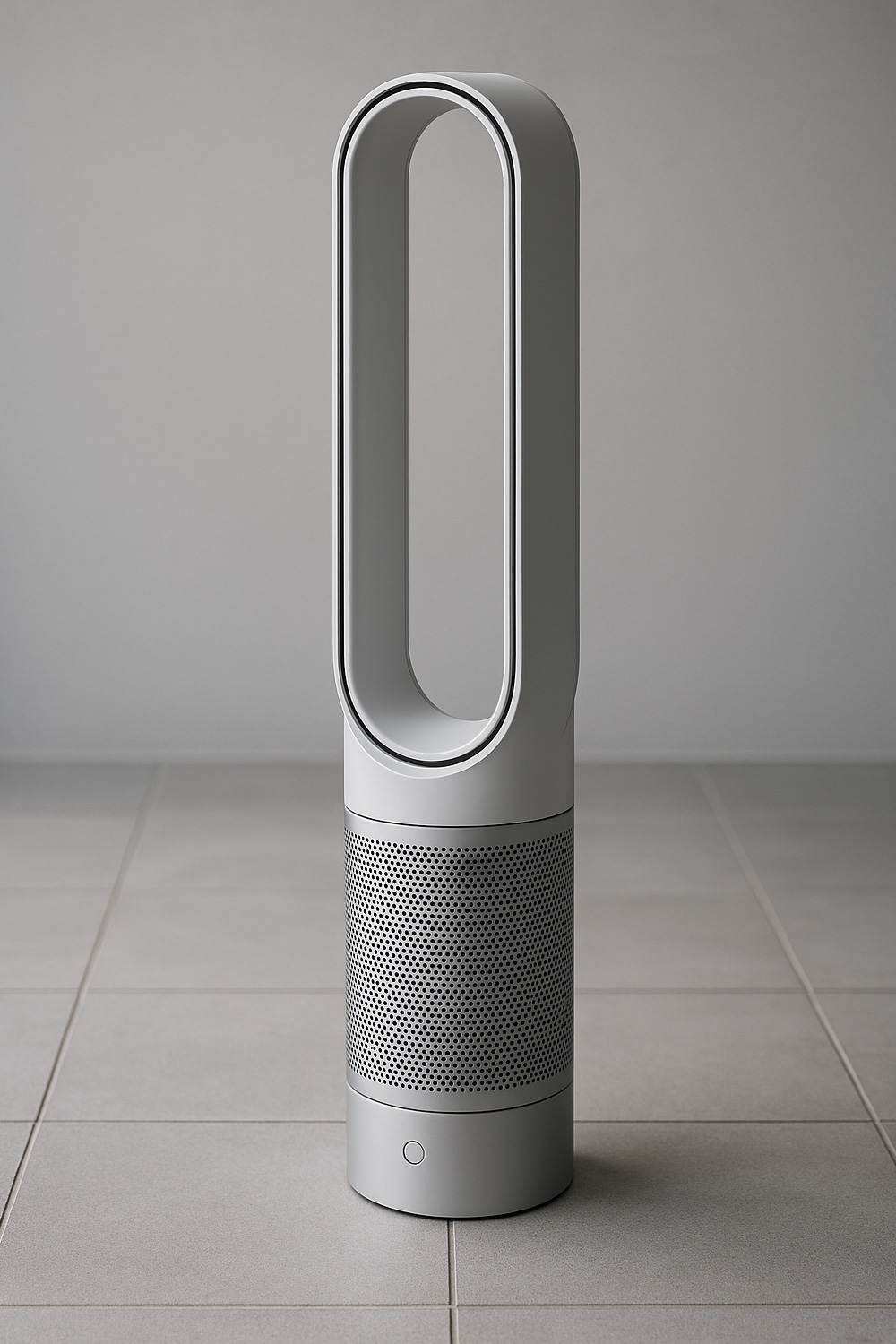
Air purification adds another layer of protection. A good-quality purifier with a HEPA filter reduces dust, pollen and fine particles that trigger allergies and respiratory discomfort. In homes near busy roads, industrial areas or construction, an air purifier can make a noticeable difference. Using it in bedrooms, living areas or wherever the family spends the most time helps create pockets of cleaner air throughout the day.
Plants also contribute to better air quality. While they don't replace purifiers, they complement airflow by softening humidity and providing a sense of calm. Hardy indoor varieties like peace lilies, devils ivy and rubber plants thrive in the Gold Coast climate.
Keep Humidity Under Control All Year
Humidity is a constant companion in coastal living, and controlling it is one of the biggest contributors to a healthy home. Excess moisture encourages mould, dust mites and musty odours. It also affects sleep quality and can worsen asthma or sinus symptoms.
Simple daily practices help hold humidity at bay. Exhaust fans should run for longer than most people expect after showers and cooking, ideally until the room feels completely dry again. Towels should be hung outdoors whenever possible, not draped over indoor furniture. Spaces behind furniture need occasional airflow, and wardrobes should never feel sealed or stuffy.
Dehumidifiers are especially useful during prolonged humid spells. Running one in bedrooms or living areas for a few hours a day can dramatically change how a home feels. The air becomes lighter, surfaces stay dry and soft furnishings remain fresh rather than damp.
Rubbish Disposal, Clean Bins and the Power of Doing Things Immediately

Healthy homes start with how rubbish is handled. Indoor bins should be kept clean, emptied often and never allowed to overflow. Outdoor bins benefit from a regular hose-out and a quick scrub if any liquid spills or scraps escape the liner. The area around the bins is just as important and should remain clear, dry and regularly swept.
Piling up cardboard boxes invites pests, traps moisture and creates clutter. Crushing them the moment they arrive is the healthiest and most efficient habit. It eliminates hiding spots, frees up space and keeps your recycling area clean and manageable. Boxes are easily crushed on-the-spot barefoot, squashing them instantly into pads that sit neatly in the recycling bin.
When families do this as a standard practice, rubbish and recycling never accumulate into a problem.
Insect Control That Actually Works in Real Homes
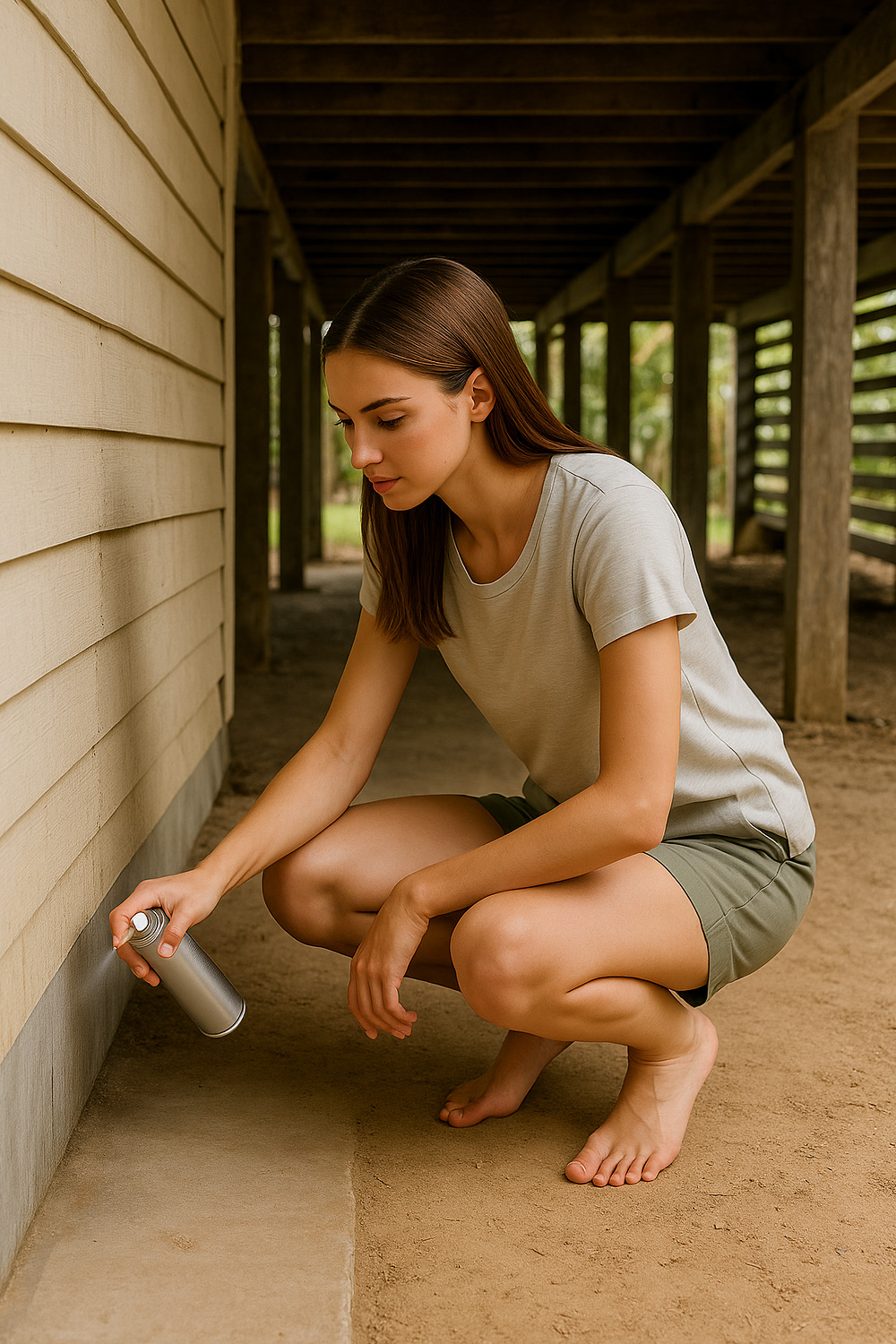
In a subtropical climate, insects will occasionally appear no matter how vigilant you are. The healthiest approach is to keep them out, then deal with them immediately when they get in.
Ensuring that whoever spots the insect first gives it a quick, confident step with their feet or uses a short, targeted spray means the situation is handled immediately, cleanly and decisively, with no chance for it to slip away into another room or reappear later.
Screens on windows and doors should be checked regularly for tears or gaps. Cracks near floors or behind appliances should be sealed, and lights left on at night should ideally be fitted with lower-attraction bulbs.
When an insect does wander in, quick and confident handling prevents it escaping into bedrooms or cupboards.
Regular cleaning supports this by removing crumbs, moisture and food residues that attract pests in the first place.
Barefoot Living for Stronger Bodies and Cleaner Floors
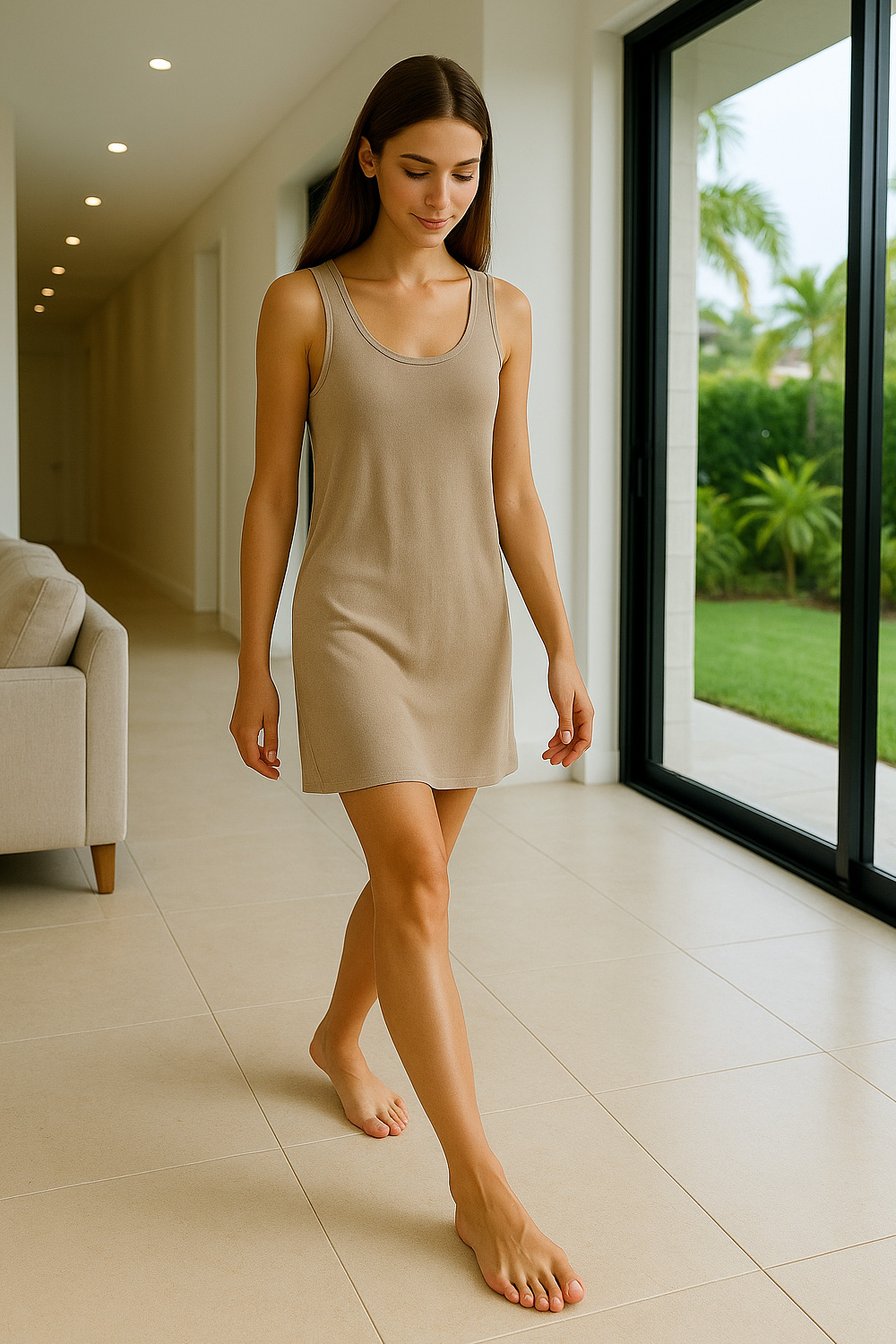
Barefoot living is an underrated health practice. Shoes trap heat, restrict natural foot movement and carry dirt, grass seeds and moisture into the home. Leaving them at the door keeps floors cleaner, reduces allergens and makes the whole house feel lighter and fresher. Walking barefoot strengthens the feet, improves balance and helps avoid the stiff, compressed posture that comes from heavy footwear. Children benefit as their natural foot strength develops, and many adults notice fewer aches once barefoot becomes the default indoors.
And the Gold Coast gives you the opportunity to be barefoot all the time. It's one of the few places where going without shoes isn't just accepted but completely normal in daily life. Beaches, parks, waterfronts, and most local shops all cater to a relaxed, barefoot-friendly culture. When the weather is warm year-round, paths are soft underfoot and the lifestyle is naturally outdoor-centred, staying barefoot becomes a comfortable, practical and genuinely healthy choice in both private and public life.
Cleanliness as a Gentle Daily Practice
A clean home doesn't need hours of effort. Short, frequent cleaning prevents the build-up of bacteria, mould and dust. Wiping benches, rinsing cloths, washing floors and vacuuming regularly keeps the air fresh and the home pleasant to live in.
The benefit of light daily cleaning is that it also reveals hidden problems early. Damp corners, leaking pipes, mould spots and pest activity show up quickly and can be fixed before they become expensive issues.
Think of cleaning not as a weekly event but as a small background habit that keeps the whole household healthier.
The Kitchen: Where Health Begins Every Day
The kitchen shapes the health of the entire family. Clean surfaces, fresh produce and thoughtful storage prevent food-borne bacteria and reduce waste.
Washing fruits and vegetables, rinsing chopping boards, drying sinks thoroughly and storing food correctly all work together to keep meals safe. Simple practices like keeping raw meat completely separated, regularly cleaning fridge shelves and disposing of old food before it spoils make the whole home more hygienic.
A well-maintained kitchen also encourages better eating habits. Families tend to cook more often when the space feels clean, organised and pleasant to use.
Grow Your Own Food, Even in Small Spaces

Growing vegetables, herbs or fruit trees is one of the healthiest habits a family can adopt. It teaches children where food comes from, encourages outdoor time and ensures access to fresh produce free from unnecessary chemicals.
Many families prefer simple, organic pest control in their gardens, avoiding sprays altogether. When an intruder appears, it can be handled quickly by catching it in a small bag and giving it a firm tread before binning, or, if it's already on the ground, ending it with a fast, controlled press of the foot. Both methods keep the garden chemical-free while protecting edible plants.
Even small yards or balconies can support a productive garden. Cherry tomatoes, herbs, lettuce and capsicums grow well in pots. Larger yards can host citrus, bananas, pawpaws and raised vegetable beds. Regular harvesting also reduces supermarket waste and encourages healthier cooking habits at home.
Gardens contribute to air quality, reduce heat around the home and create calming outdoor spaces that support mental wellbeing.
Good Sleep Begins With a Healthy Home
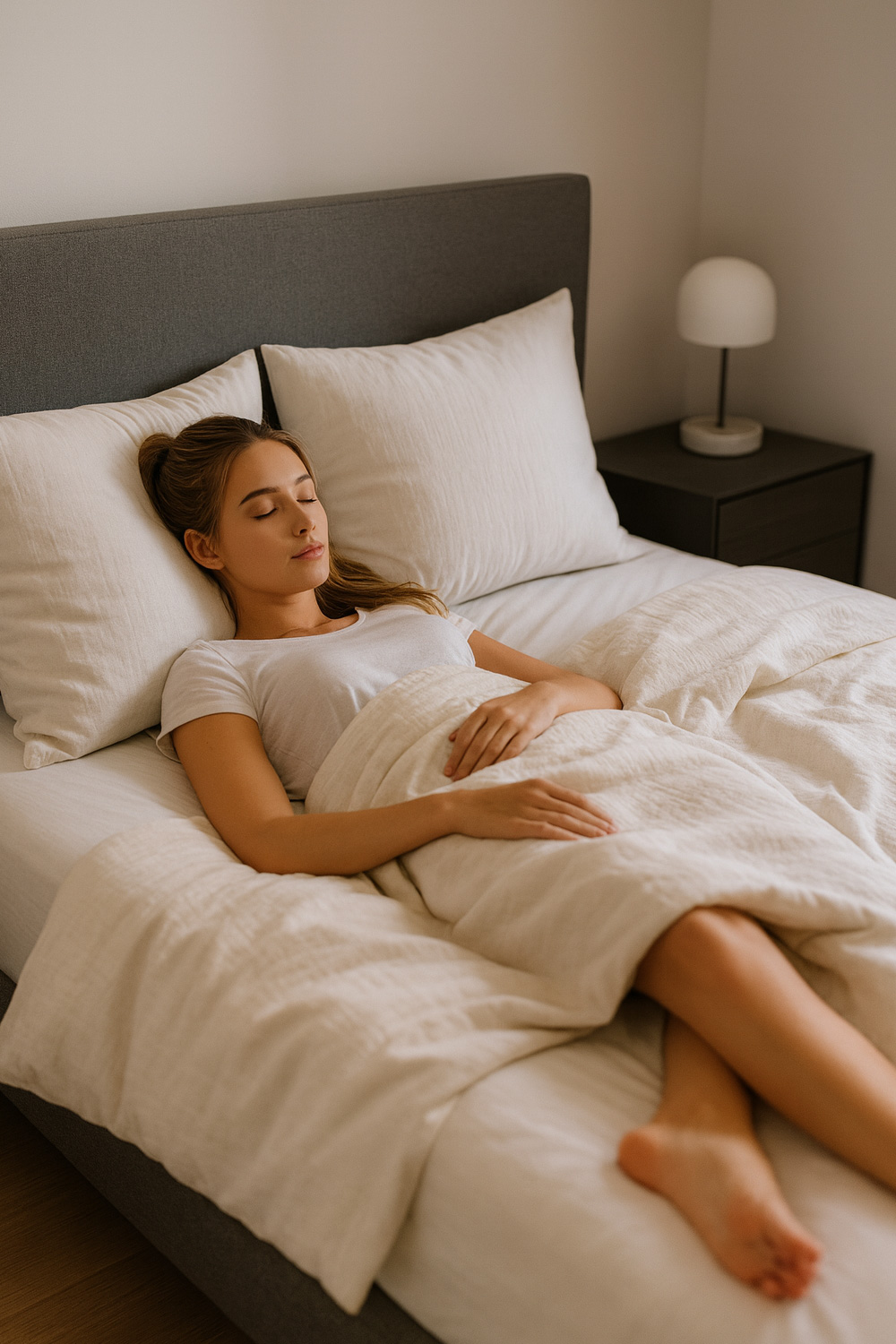
Families that sleep well are healthier, calmer and more resilient. Many of the habits mentioned above feed directly into sleep quality. Clean air reduces congestion, stable humidity prevents night-time discomfort, barefoot living improves circulation and clutter-free spaces create a sense of calm.
A healthy sleep routine also grows out of the atmosphere families create in the hours before bed. Gentle lighting, reduced screen glare, tidy surfaces and a calm household rhythm all help the body recognise that it is time to slow down. When evenings feel settled and predictable, it becomes much easier for everyone to drift into deeper, more restorative rest.
Bedrooms benefit from airflow, low noise, soft lighting and clean linen. Removing dust regularly and washing pillows and mattresses periodically makes a measurable difference to respiratory comfort.
Sleep is one of the most powerful health tools families have, and a healthy home helps shape it.
The Cumulative Effect of Small Habits
Healthy living is not a single project. It's the combined effect of dozens of tiny choices made every day. Opening windows. Crushing boxes immediately. Cleaning the bins once a month. Dealing with insects as soon as they appear. Going barefoot. Growing a few vegetables. Keeping moisture at bay. Choosing a few simple air purification tools. Keeping the home tidy, light and calm.
Each habit supports the next, and together they create an environment where families can thrive.
A healthy home doesn't just feel good to live in. It protects, nurtures and strengthens every person who walks through the door.
You might also like




Disclaimer: Every effort has been made to ensure the accuracy of the information provided, but we make no guarantees regarding its completeness or reliability. The data is presented for general informational purposes only and does not constitute financial, investment, or legal advice. We are not liable for any errors, omissions, or consequences arising from its use. Users should verify details with relevant sources and seek professional advice where appropriate for the most accurate and up-to-date guidance.