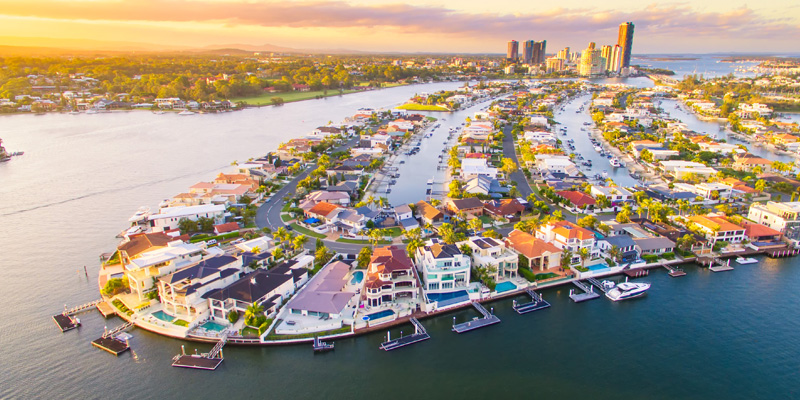
Gold Coast gardens have evolved beyond trend and into lifestyle. The region's subtropical warmth, salt-tinted air and sandy soils continue to define design choices, while a growing layer of climate awareness and creative restraint has taken hold. Today's gardens are living, breathing extensions of the home - cool in summer, low-maintenance year-round, and deeply connected to the local landscape. From Burleigh's breezy headlands to Hope Island's canal estates, these spaces reflect a coastal identity built on texture, tone and resilience.
Below we explore the key garden styles shaping 2026, plant palettes proven for the Gold Coast's climate, and practical guidance on sustainable materials, water management and design execution. Whether you're planning a full landscape renovation or refreshing a small courtyard, these ideas will help you create an outdoor space that thrives in local conditions and complements the barefoot ease of coastal living.
Tropical Resort-Style (Subtropical Planting)
The resort garden remains the Gold Coast's signature look - lush, layered and calm. But for 2026, designers are toning down overly manicured spaces and returning to natural flow and soft planting. Broad-leafed species create shade, while understory colour and texture balance open pool terraces and alfresco areas. Think tall palms casting moving shadows, structural foliage that plays with light, and lush pockets of greenery that frame water and stone.
Popular inclusions are hardy, low-water tropicals that hold form in wind and sun - perfect for coastal conditions and high-UV exposure. Integrated lighting brings the garden to life after dusk, while hidden drip systems keep water use efficient and targeted. The result is a relaxed, timeless resort feel without excess maintenance.
Sample plant ideas:
- Strelitzia nicolai (Giant Bird of Paradise) - bold height and tropical form
- Archontophoenix alexandrae (Alexandra Palm) - elegant palm with glossy fronds
- Alpinia zerumbet ‘Variegata' (Shell Ginger) - foliage colour and light fragrance
- Cordyline fruticosa (Ti Plant) - vibrant foliage contrast for shaded courtyards
- Heliconia psittacorum (Parrot's Beak Heliconia) - tropical flowers for vertical interest
- Dianella caerulea (Blue Flax Lily) - hardy edging plant with blue berries
- Hibiscus rosa-sinensis (Tropical Hibiscus) - enduring Gold Coast classic with high-impact blooms
Rock-Intensive Garden (Dry Rockery & Xeriscape)
Dry gardens are increasingly popular for 2026 as water efficiency and heat tolerance take centre stage. These spaces use contrast - stone, shadow and silvery foliage - to achieve both resilience and sculptural beauty. Gravel swales replace lawns, succulents cluster around sandstone outcrops, and the garden feels still and deliberate, designed to thrive through heatwaves and long dry spells.
Rock-intensive gardens also lend themselves to smaller lots, verges and modern facades where maintenance and irrigation access are limited. To soften the look, designers are now blending native groundcovers among stonework, allowing micro-habitats for lizards, skinks and native bees.
Sample plant ideas:
- Carpobrotus glaucescens (Native Pigface) - native succulent groundcover with magenta flowers
- Lomandra longifolia (Mat Rush) - architectural grass with drought endurance
- Westringia fruticosa (Coastal Rosemary) - silvery hedge or clipped shrub
- Agave attenuata (Foxtail Agave) - striking soft-formed succulent
- Eremophila glabra (Emu Bush) - flowering native for full sun and poor soils
- Crassula ovata (Jade Plant) - tough, glossy, long-lived feature shrub
- Myoporum parvifolium (Creeping Boobialla) - mat-forming groundcover with white flowers
Coastal Native Garden (Salt & Wind Tolerant)
Authentic, ecological and unpretentious - the coastal native garden continues to define the modern Gold Coast landscape. It feels light underfoot, alive with birds and butterflies, and entirely appropriate to the dunes, headlands and sandy backyards of the region. The focus for 2026 is biodiversity and stability: gardens that not only look good but perform an environmental role by filtering runoff, stabilising soil and feeding pollinators.
Planting is layered but open - native grasses, spreading shrubs and hardy canopy trees. Designers are favouring free-form paths and natural mulch to keep roots cool and soil alive. Native gardens near the foreshore can also double as low-maintenance buffer zones against salt-laden winds.
Sample plant ideas:
- Banksia integrifolia (Coast Banksia) - coastal icon providing nectar and structure
- Leptospermum laevigatum (Coast Tea-tree) - twisted trunks and natural screening
- Scaevola calendulacea (Dune Fan Flower) - trailing groundcover for sand stability
- Hibbertia scandens (Snake Vine) - bright yellow vine ideal for fences or sandhills
- Pandanus tectorius (Screw Pine) - sculptural native suited to exposed coastal ridges
- Lomandra hystrix (Creek Mat Rush) - lush native grass for moist or shaded areas
- Melaleuca quinquenervia (Paperbark) - textured bark and shade habitat tree
Modern Mediterranean
In 2026, the Mediterranean look is refined - less villa, more minimal. It suits courtyards, rooftop terraces and north-facing patios where sun and reflective walls amplify heat. Silvery foliage, aromatic herbs and stone underfoot give a cooling visual tone. Terracotta and ceramic planters are reappearing, often paired with sculptural water features or small pebble basins that recycle greywater.
Low-water, high-character species dominate this palette, thriving in the same conditions as the Coast's dry seasons. When planted in raised beds with sandy loam and biochar, they stay lush with little irrigation. Many homeowners are blending Mediterranean elements with local natives for a fusion aesthetic that feels global yet grounded in place.
Sample plant ideas:
- Olea europaea (Olive - non-invasive cultivars) - traditional structure tree for patios
- Lavandula dentata (French Lavender) - purple haze and honey scent
- Salvia rosmarinus (Rosemary) - clipped hedges or cascading edges
- Thymus vulgaris (Common Thyme) - aromatic groundcover for paving gaps
- Curio repens (Blue Chalk Sticks) - sculptural tone against sandstone or concrete
- Euphorbia characias (Mediterranean Spurge) - striking lime bracts for form contrast
Subtropical Rainforest Pocket
For homes near the hinterland or shaded south/east aspects, rainforest-inspired gardens remain the ultimate retreat. In 2026, designers are merging rainforest planting with water management - using rain chains, soak pits and shaded retention zones to slow and absorb stormwater naturally. The ambience is lush and cool: filtered light, bird calls and soft movement through layered green tones.
Sample plant ideas:
- Syzygium australe (Lilly Pilly) - native screen and bird-attracting foliage
- Archontophoenix alexandrae (Alexandra Palm) - graceful canopy palm
- Asplenium australasicum (Bird's Nest Fern) - bold understorey structure
- Cordyline petiolaris (Native Cordyline) - slender foliage and gentle colour
- Microsorum scolopendria (Kangaroo Fern) - creeping ground fern
- Blechnum orientale (Rainbow Fern) - moisture-loving mid-storey fern
- Livistona australis (Cabbage Tree Palm) - native canopy palm for depth and verticality
New for 2026: Climate-Adaptive and Edible Landscapes
The newest Gold Coast gardens are designed to be productive as well as beautiful. Edible plants are no longer confined to veggie beds - they're being woven into ornamental schemes. Dwarf citrus line sunny courtyards, rosemary and thyme fill borders, and passionfruit vines climb pergolas. Native bushfoods such as Finger Lime (Citrus australasica) and Midyim Berry (Austromyrtus dulcis) add both flavour and authenticity.
Climate-adaptive design also means flexible watering zones, seasonal shading and hardy root systems that handle extremes. Smart irrigation systems are now standard - connected to Wi-Fi weather data and soil sensors for real-time adjustments. In combination with drought-tolerant planting, these systems can cut water use by more than half without losing lushness.
Plant Selection & Sustainability Notes
When sourcing plants, always confirm they are suitable for South East Queensland's conditions and not invasive. Choose from reputable local nurseries or growers certified under the Australian Plant Production Standard. Prefer cultivars that resist humidity-based fungal issues, especially for tropical ornamentals. Composting green waste on-site and using recycled mulch reduces landfill and supports soil life. In 2026, living soil is considered as important as design itself - biologically active, moisture-retentive, and carbon-rich.
Popular Hardscape & Material Trends For 2026
Gold Coast landscape materials this year favour organic texture and long-term durability. Honed limestone and shell-infused concrete remain popular, but more projects now incorporate recycled timbers, rust-toned corten edging, and porous aggregate pavers for sustainability. Water features are smaller, quieter, and often solar-powered. Coastal durability is key - every fitting, fixture and light must handle salt, humidity and heat.
- Use permeable paving or natural stone for reduced runoff and better infiltration
- Integrate rain gardens and bioswales for water filtration and landscape cooling
- Opt for downlighting to protect nocturnal wildlife and reduce glare
- Choose locally quarried stone and FSC-certified timber decking
- Upgrade to marine-grade stainless or powder-coated aluminium for coastal resistance
- Adopt low-voltage smart lighting systems linked to solar sensors
Working with Landscape Designers in 2026
Professional landscape designers on the Gold Coast are increasingly multidisciplinary - blending horticulture, architecture and sustainability. When hiring, look for demonstrated experience with coastal builds, drainage management, and native plant integration. A detailed design package should include a scaled plan, planting schedule with botanical names, irrigation zoning, and a lighting layout.
Ask to see recent projects between Currumbin and Sovereign Islands, and confirm that their plant selection adheres to Queensland's restricted species list. Designers who collaborate directly with builders and pool contractors can help streamline approvals and save on rework costs later.
Quick Planning Checklist
- Test drainage before planting; amend sandy soils with compost and zeolite
- Match planting density to irrigation capacity and solar exposure
- Design windbreaks near the foreshore using layered natives like Casuarina and Banksia
- Prioritise drought-tolerant and salt-hardy plants for exposed zones
- Install smart irrigation with moisture sensors and seasonal scheduling
- Stage landscaping in logical order: hardscape, canopy, understorey, groundcovers
- Top-dress annually with composted mulch to stabilise moisture and temperature
- Schedule maintenance every change of season - light pruning, irrigation checks, soil refresh
Final Word
Gold Coast garden design has settled into a new rhythm - one that balances natural beauty with intelligent functionality. Whether it's a tropical retreat, a low-water rockery or a native coastal meadow, the best gardens now work in partnership with the environment, not in opposition to it. The next wave of landscaping on the Coast is lighter, sensory and sustainable, shaped by living soils, smart water systems and an effortless barefoot aesthetic that mirrors the region's sun, salt and easy rhythm of life.
You might also like



Disclaimer: Every effort has been made to ensure the accuracy of the information provided, but we make no guarantees regarding its completeness or reliability. The data is presented for general informational purposes only and does not constitute financial, investment, or legal advice. We are not liable for any errors, omissions, or consequences arising from its use. Users should verify details with relevant sources and seek professional advice where appropriate for the most accurate and up-to-date guidance.