Queensland does heat differently. The Gold Coast's long summers arrive with a kind of bright, relaxed intensity, where every day feels washed in sunlight and the air sits gently on the skin. It's beautiful, but the warmth clings, and by afternoon the humidity grows thick enough that rooms take on a heavy stillness. A good air conditioning system isn't just about cold air; it's about shaping a home so it feels calm, dry and comfortable even when the day outside is glowing white with heat. Families across the Gold Coast rely on well-designed systems not only for comfort but for wellbeing, productivity and sleep. Understanding the types of air conditioning that genuinely suit Queensland's climate is essential, because what works well in a dry inland city can fall apart quickly beside the coast.
Queensland's conditions place unique demand on both the indoor components that deliver comfort and the outdoor units that face relentless sun, salt and storms. Humidity, in particular, is the quiet tyrant of coastal cooling. Many people focus only on temperature, believing a lower number on the thermostat equals greater comfort, but the true relief comes when moisture is removed from the air. This is where Queensland-appropriate systems shine. They are built to dehumidify steadily, to keep rooms feeling crisp rather than clammy, and to run long, efficient cooling cycles that prevent the energy bill from ballooning. Choosing the right system is a balancing act between design, performance and durability.
Split Systems - The Queensland Standard
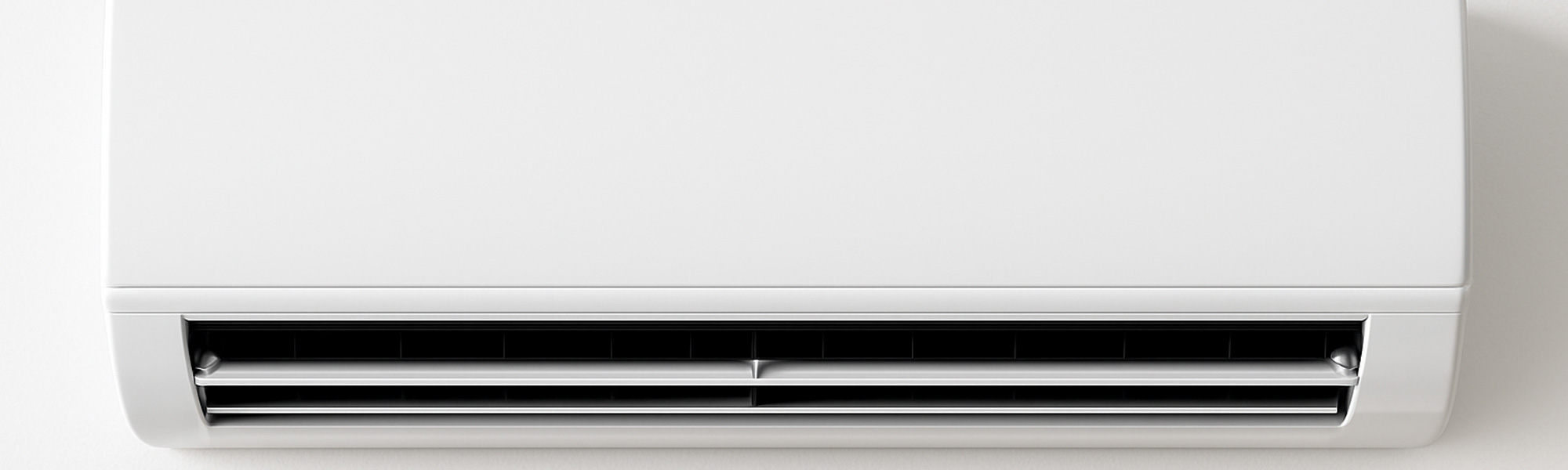
The humble wall-mounted split system remains the most common cooling method across the Gold Coast. It's straightforward, efficient and perfectly suited to both modern apartments and established homes. A split system consists of an outdoor condenser and an indoor head unit connected by insulated refrigerant lines. On humid days, it quietly removes moisture from the air while adjusting temperature in smooth, inverter-driven waves instead of harsh on-off cycles.
Split systems excel in bedrooms, living rooms and mid-sized spaces. They are ideal for renovations because they avoid major structural changes. A good installer will study the room's size, ceiling height, glazing, sunlight exposure and furniture placement to determine the correct kilowatt rating. Undersizing leaves the unit constantly struggling, while oversizing produces quick blasts of cold air without enough runtime to dehumidify. In Queensland, the second issue is surprisingly common. The room may be cool, but the air feels sticky, because the moisture hasn't been processed. A properly sized split system avoids this entirely.
Indoor placement matters too. The indoor head should cast cooled air across the room, not directly into seating. Poor positioning can create uneven cooling where one side of the room is cold while the other remains humid. Outdoor placement matters equally, as condensers need shade, airflow and drainage. Queensland's summer storms can create intense water runoff around outdoor units, so raising them slightly above ground level helps protect them.
Multi-Split Systems for Stylish, Space-Conscious Homes
Multi-split air conditioning expands the concept by allowing several indoor units to connect to one outdoor condenser. This solves a major problem in narrow-lot Gold Coast homes and prestigious façades where multiple outdoor units would clutter the exterior. A single well-positioned condenser can feed the living room, master bedroom and additional spaces without sacrificing visual appeal.
Multi-splits operate with the same dehumidification power as traditional split systems. They are, however, more complex to install due to long refrigerant runs and pressure balancing. Only experienced installers should work with them. When designed correctly, a multi-split system becomes an elegant solution that controls different rooms independently while preserving the sleek exterior look that prestige coastal homes demand.
Ducted Air Conditioning - The Luxury of Whole-Home Comfort
For many homeowners, ducted air conditioning is the pinnacle of Queensland comfort. Instead of cooling one room at a time, it creates a gentle, even climate across the entire house. The system is built around a central fan coil located in the roof cavity. From there, insulated ducts lead to ceiling diffusers positioned unobtrusively throughout the home.
Zoning is the star of a well-designed ducted system. Day zones, night zones, guest rooms and lifestyle areas can all be separated so the home cools only where needed. On the Gold Coast, this is a game changer. Large open living areas receive more cooling power during the day, and quiet bedroom zones take priority at night. Properly set zones dramatically reduce power usage and prolong the life of the system.
Ducted systems also benefit from their aesthetic invisibility. Families who prioritise clean lines and uncluttered spaces appreciate that there are no wall units or visible pipes. Everything hides above the ceiling, leaving only minimalist diffusers that match modern Gold Coast architecture.
Queensland's climate puts heavy demand on ductwork. Roof spaces become extremely hot, so ducts must be heavily insulated to prevent energy loss. Poorly insulated ducting leaks cool air into the roof instead of the room and forces the system to work harder. A good installer understands airflow mathematics, ensuring every diffuser receives equal pressure for a smooth, even cooling experience.
Hybrid Designs - Tailoring Cooling to Modern Coastal Architecture
Large Queensland homes with soaring ceilings, big voids and walls of glass often benefit from hybrid air conditioning designs. In these homes, a single cooling style can't handle the diverse demands of different spaces. High-volume areas such as living rooms might use ducted air for even airflow, while private spaces such as bedrooms use individual split systems for silence and personal control.
This hybrid approach has become popular in hilltop and waterfront homes where designers want technical performance without compromising architectural drama. The result feels tailored and intelligent, giving each zone exactly what it needs for comfort.
Why Evaporative Cooling Doesn't Work in Coastal Queensland
Homeowners who move from inland regions sometimes arrive with the expectation that evaporative cooling will be an option, but the Gold Coast climate ends that idea immediately. Evaporative coolers rely on dry air to draw heat away as water evaporates, but when the humidity rises, the cooling effect collapses. Instead of gentle relief, you get warm, damp airflow that actually increases the heaviness of the room. Add the salty coastal environment and you have a recipe for corrosion and constant maintenance. It's why evaporative systems are not considered suitable anywhere along the Queensland coast and why refrigerative cooling systems dominate the market here.
Durability in a Coastal Climate - The Often-Forgotten Factor
The Gold Coast's beauty comes with salt air, storms and high UV exposure. Outdoor condensers face constant attack from these elements. Cheaper air conditioning systems may look fine initially but can corrode quickly, leading to refrigerant leaks and shortened lifespan. Homeowners should look for coated coils, sturdy casings, strong fan guards and good drainage paths. Installers sometimes position outdoor units slightly under eaves or erect small shade hoods to protect the condenser without restricting airflow.
Airflow is critical for performance. A condenser crammed into a tight side passage will run hot, struggle during heatwaves and use more power. Good installers keep units clear of obstructions and always consider long-term service access.
The Art of Humidity Control - The True Key to Comfort
Queensland comfort isn't just about coolness; it's about dryness. Humidity settles on the skin and in fabrics, making rooms feel warmer even when the temperature isn't extreme. Modern refrigerative systems gently draw moisture out of the air as they run. Inverter compressors are especially effective because they allow long, low-power cycles that steadily dehumidify without constant cycling.
When humidity is managed well, homes feel noticeably fresher. Sheets dry properly. Floors feel clean. Evening relaxation becomes effortless. People often discover that a properly calibrated air conditioner at a higher temperature feels far more comfortable than a poorly performing unit set unnecessarily low.
Installation - Where Queenslanders Either Win or Lose Comfort
Few homeowners realise that installation quality has more impact than the brand they purchase. Two identical air conditioners can perform extraordinarily differently depending on who installs them. A licensed Queensland installer begins by assessing the home's heat load. This involves studying window sizes, aspect, insulation quality, slab type, ceiling design and even how wind moves around the property.
For split systems, the installer chooses pipe runs that avoid long distances and unnecessary bends. For ducted systems, they design a duct layout that balances air pressure and avoids heat-gain pathways in the roof. They create accessible return-air locations so filters can be cleaned easily, and they position control panels where families naturally pass through the home.
Electrical load must also be considered. Queenslanders often use dishwashers, ovens, dryers and pool equipment at the same time their air conditioners run. Installers need to ensure that the home's switchboard can handle peak simultaneous usage during summer heatwaves.
Smart Controls, Solar Integration and the Future of Cooling
Smart air conditioning controls have become standard in many Gold Coast homes. These systems allow cooling adjustments from a phone, letting families chill the house slightly before arriving home or warm a bedroom on a cool winter morning. In summer, smart zoning makes overnight cooling efficient and gentle.
When paired with solar panels, air conditioning becomes far cheaper to run. Queensland's sun generates peak energy exactly when air conditioners work hardest. Many homeowners now adjust daytime cooling to take advantage of this, setting their systems to maintain a steady indoor temperature that prevents heat build-up while costing very little due to solar offset. Inverter technology works perfectly with this strategy, allowing stable, efficient operation throughout the day.
Choosing the Right System for Your Lifestyle
Choosing air conditioning on the Gold Coast is never one-size-fits-all. Bedroom-heavy homes benefit from several well-planned split systems. Families who entertain often lean toward ducted setups with beautiful, seamless comfort. Busy households with diverse routines choose multi-splits that let everyone control their own temperature. And architectural homes with dramatic spaces often turn to hybrid cooling designs that match the unique rhythm of their floorplan.
What unites all good Queensland cooling decisions is a respect for humidity, architecture and lifestyle. When everything is properly matched and professionally installed, the system fades quietly into the background. Rooms stay cool without feeling icy, the air stays dry and fresh, and the home becomes the calm, comfortable retreat Queenslanders rely on after long sunlit days.
You might also like




Disclaimer: Every effort has been made to ensure the accuracy of the information provided, but we make no guarantees regarding its completeness or reliability. The data is presented for general informational purposes only and does not constitute financial, investment, or legal advice. We are not liable for any errors, omissions, or consequences arising from its use. Users should verify details with relevant sources and seek professional advice where appropriate for the most accurate and up-to-date guidance.