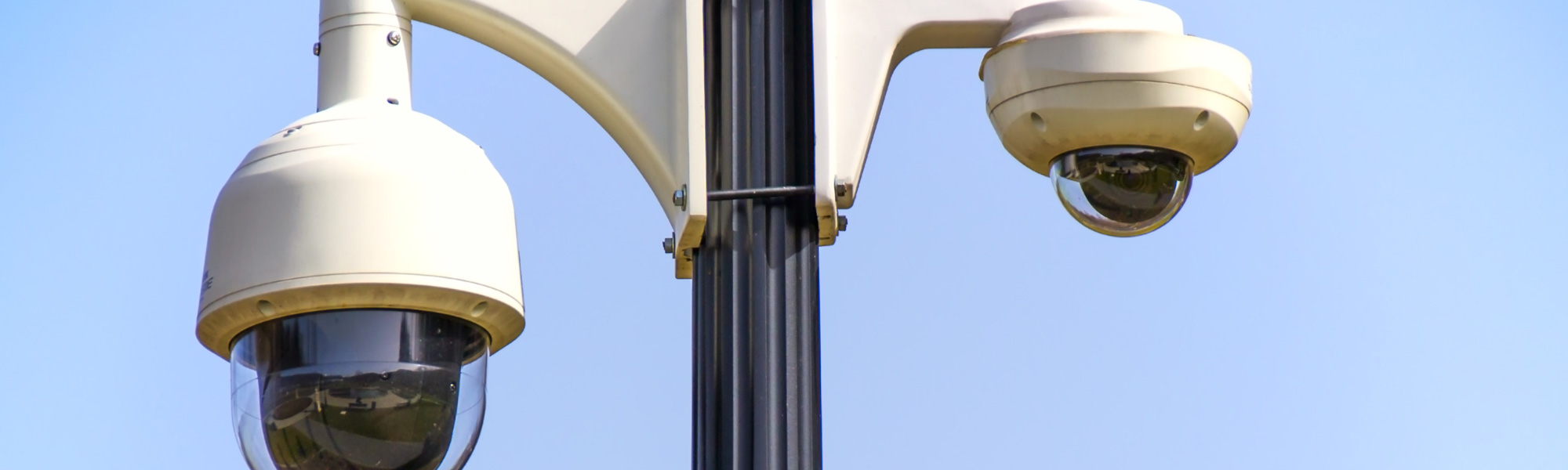
High-end homes on the Gold Coast have always needed a little more thought around security. Prestige architecture, open-plan glass, landscaped gardens and quiet coastal streets create the serene lifestyle that locals cherish, yet they can also require a more sophisticated approach to protection. While most households do well with standard security - alarms, cameras and good habits, some properties call for a level of security that sits far above the usual checklist. For families who travel often, manage high-value assets, or simply want a deeply layered system that works quietly in the background, advanced residential security is now a fully attainable option in Queensland.
What's changed is how discreet and well-integrated these solutions have become. Modern executive-grade systems aren't loud or intimidating. They fold into the architecture, maintain the relaxed feel of a Gold Coast home, and deliver a degree of certainty that ordinary consumer devices can't match. The goal isn't to create a fortress. It's to create an environment where the household moves easily through the space, while every part of the property remains monitored, protected and compliant with Australian laws.
The Modern Threat Landscape for High-End Homes
Executive security begins with understanding risk in a level-headed way. The Gold Coast doesn't experience the crime rates of major global cities, but targeted theft and opportunistic access do exist, and larger properties can attract attention simply because they look well-appointed. Residential layouts also influence vulnerability. Waterfront blocks, open side paths, large garages, outdoor pool areas and lush tropical landscaping can create natural concealment. None of this is cause for alarm, but it underscores why advanced systems are modular, layered and built around the actual shape of the home rather than a one-size-fits-all kit.
Another modern factor is digital exposure. Families today rely heavily on WiFi networks, cloud devices, smart entertainment systems, remote work equipment and automation hubs. This creates a parallel digital surface that needs just as much protection as doors and windows. Executive-level security isn't only about physical deterrence. It's about closing digital gaps, controlling access, encrypting communications, and ensuring that no part of the home becomes a soft entry point.
Compliant, Discreet and Architectural
Australia and Queensland have clear laws around surveillance, privacy and data handling. Anything involving cameras, recording, remote monitoring or retained footage must comply with the Invasion of Privacy Act 1971 (Qld), the Privacy Act 1988 (Cth), and relevant surveillance-device laws. Executive-grade installers and consultants always design around these requirements, ensuring that internal cameras are used responsibly, outdoor views don't capture neighbouring properties, and any monitoring arrangements are fully disclosed.
High-end installations also focus on aesthetics. Concealed housings, integrated conduits, recessed sensors and architectural lines ensure that the system becomes part of the home rather than sitting on top of it. Glass balustrades around a pool, frameless windows, timber ceilings and tropical gardens all receive tailored sensor placements that maintain visual harmony.
Layered Physical Security: The Invisible Perimeter
At the outer boundary, advanced homes often use a multi-layered approach. The perimeter is monitored through discreet beam sensors that track movement around fencing, gate lines and garden edges without visible clutter. Smart gates integrate number plate recognition to allow authorised vehicles to enter automatically, while visitor access is controlled through encrypted intercoms.
Waterfront properties sometimes use maritime-rated sensor arrays that define a virtual shoreline boundary. These quietly detect unauthorised entry from the canal side and are specifically calibrated to ignore passing wildlife and boats. Every part of the system is designed to operate without generating false alarms that might inconvenience the household or neighbours.
In the garden and outdoor spaces, executive solutions rely on environmental detectors that account for the Gold Coast's climate. High humidity, tropical storms, salt air and dense planting can affect consumer-grade sensors, but enterprise-level units are engineered to avoid corrosion, reduce reflections and maintain stable performance even after years of coastal exposure.
The Secure Envelope: Doors, Windows and Structural Hardening
Once an intruder passes the outer perimeter, the home still needs an unbroken protective envelope. Advanced homes often upgrade hinge hardware, latching and framing systems so that forced-entry resistance is significantly higher than normal construction. Laminated security glass can look identical to standard glazing yet resist severe impact attempts. Door cores are reinforced. Window tracks include anti-lift features. Sliding doors integrate multi-point locking without appearing bulky.
Sensors at this level go beyond open-close triggers. They can analyse vibration patterns, detect unusual pressure on the frame, and communicate in encrypted channels that can't be spoofed. Even power outages don't interrupt them because they're backed by internal redundancy, isolated circuits and protected cabling.
Interior Monitoring: Precision Without Disturbing Daily Life
Internal protection requires sensitivity, especially in Queensland where privacy expectations are high. Executive systems use smart detection rather than constant visual surveillance. This includes occupancy sensors, thermal mapping, spatial tracking and motion analytics that identify unusual behaviour inside the home while respecting private zones.
Where cameras are used, they are carefully placed to monitor entry points, hallways and key transit areas rather than intimate living spaces. The data is encrypted, stored locally, and accessed only by authorised users according to Australian privacy rules. For many families, internal visual monitoring is used only when the home is unoccupied.
Integration with automation is a major advantage. If a breach is detected, the lighting system can trigger a specific scene, blinds can close, and alarms can stay silent until verification is complete. The idea is to manage the situation with precision rather than noise.
Access Control: Who Enters, When, and How
Executive-level security relies heavily on credential-based access rather than simple keys. Encrypted fobs, biometric readers, secure PIN pads and phone-based credentials provide granular control over who can enter each zone and at what times.
Guest access can be temporary. Trades can be admitted only to specific areas. Deliveries can be placed in secure drop zones that automatically lock once the parcel is inside. All of this is logged, timestamped and managed through an encrypted platform that stores data within Australia to comply with local privacy obligations.
For multi-generational households or large families, this becomes one of the most valued features. Children can come and go independently while parents retain oversight without needing to monitor constantly.
Cybersecurity: The New Frontier of Residential Protection
Advanced home security treats the digital environment with the same seriousness as physical entry. Executive systems often include secure WiFi segmentation, encrypted IoT networks, hardware firewalls, intrusion-prevention systems and robust encryption. Every automation device, camera, mesh node and access point is validated and isolated so that a breach in one area cannot compromise the whole network.
High-value homes increasingly rely on remote work, cloud services, media servers and app-based automation. A strong cybersecurity layer ensures that the home remains protected even when every system is online twenty-four hours a day.
A dedicated security audit is sometimes performed annually. This ensures that the software remains patched, unused devices are disabled, and all logs comply with Australian data-retention principles.
Remote Monitoring and Professional Response
Some households choose to engage a licensed security monitoring centre. In Queensland, any provider that monitors alarms, receives signals or coordinates response must hold appropriate security licences and operate under the Security Providers Act 1993 (Qld). This ensures that the monitoring team can legally view and handle alarm information and deploy licensed guards if escalation is required.
Executive-grade monitoring no longer means a guard racing through traffic. Instead, it's a structured, evidence-based process. The system verifies events using multiple sensor types, cross-checks the situation, and escalates only if required. Quiet, efficient, lawful and accurate — exactly what high-end homeowners expect.
Discretion, Privacy and Low Impact on Daily Life
The hallmark of an advanced security system is that it disappears into the background. Families still enjoy the breezy openness of Gold Coast living. The doors slide back during summer evenings. The tropical garden remains full and natural. The pool terrace remains open and inviting.
Yet beneath that relaxed lifestyle is a silent infrastructure that watches doors, perimeter lines, waterways and digital channels without interfering with the flow of everyday life. Children play in the yard. Friends visit. The household continues normally while the system does the work.
Building an Executive-Level Plan for Your Home
Advanced security is always custom. There is no generic kit or template. Gold Coast homes vary dramatically in their architecture, orientation, landscaping, materials and access patterns. The process often begins with a professional risk assessment, a walk-through of the entire property, a discussion of lifestyle patterns, and a review of digital systems.
From there, a layered plan is developed. Each layer supports the next. The goal is not just to detect intrusion, but to prevent it. Not just to notify the homeowner, but to resolve the incident calmly and lawfully. And not just to protect valuables, but to preserve tranquillity.
For families who require this level of certainty, the investment is worthwhile. Executive-level security brings confidence, privacy and peace of mind that remain consistent regardless of whether the home is occupied, vacant or undergoing maintenance.
This article provides general information only and does not constitute legal, security or professional advice. Always consult licensed Queensland security providers, legal professionals and cybersecurity experts for advice tailored to your property and circumstances.
You might also like





Disclaimer: Every effort has been made to ensure the accuracy of the information provided, but we make no guarantees regarding its completeness or reliability. The data is presented for general informational purposes only and does not constitute financial, investment, or legal advice. We are not liable for any errors, omissions, or consequences arising from its use. Users should verify details with relevant sources and seek professional advice where appropriate for the most accurate and up-to-date guidance.