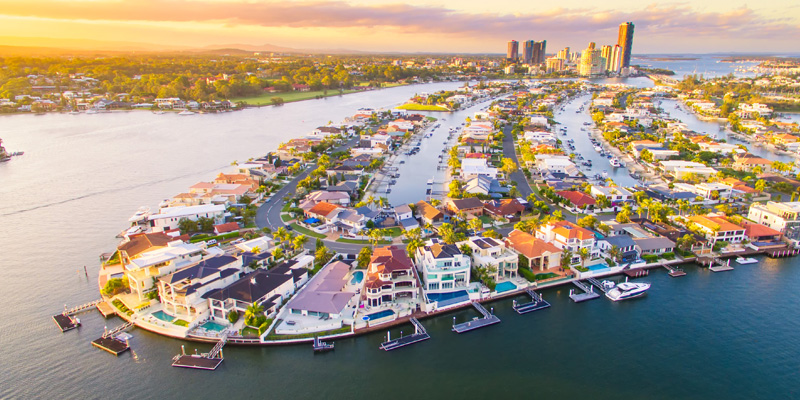
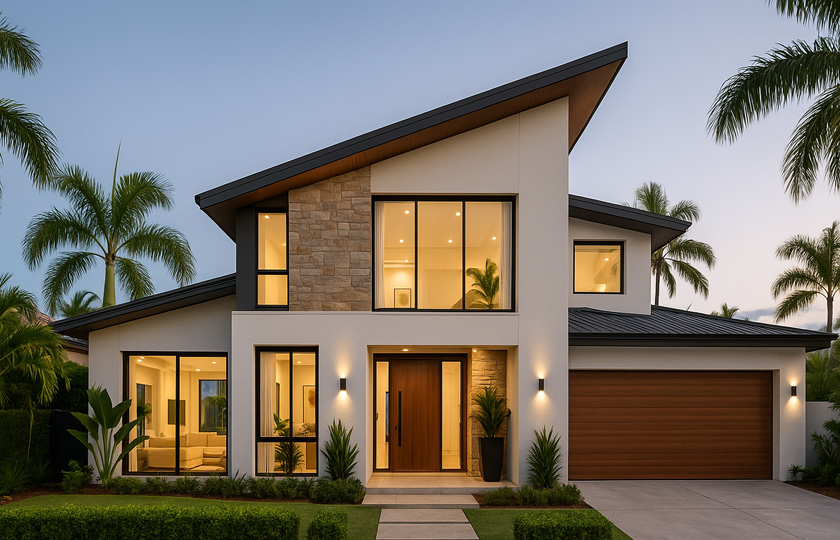
Luxury on the Gold Coast is no longer confined to beachfront towers, canal estates or hilltop architectural statements. Across the middle-ring suburbs, a slow but unmistakable shift has taken place. Prestige features that once belonged exclusively to high-end postcodes are appearing in inland family neighbourhoods, reshaping buyer expectations, altering value trajectories and redefining what constitutes a premium home away from the shoreline.
This pattern is not driven by a single factor. It is the product of cost pressures, design evolution, changing demographics, interstate migration and developers responding to a new market psychology. What is notable is how rapidly it has normalised. Features that would have once seemed excessive in modest streetscapes now appear completely natural, even expected, as buyers internalise a higher baseline for design, finishes and comfort.
How Luxury Features Became Mainstream Expectations
The first driver behind this trend is the simple escalation of construction standards. As building codes improved, energy efficiency increased and design media became more influential, the average new home gradually adopted characteristics that previously belonged to bespoke builds. High ceilings, broad window spans, engineered stone benchtops, butler's pantries, extensive storage solutions and designer tapware began appearing in mass-market projects.
This drift upward set off a feedback loop. Buyers saw these features in display homes, model houses and estate marketing, began expecting them as standard, and pushed developers to include more. Even inland estates that once prioritised affordability now pursue aspirational aesthetics because the market no longer separates family practicality from prestige presentation. Inland properties that fail to meet this new standard find themselves overlooked in favour of competing stock that appears more polished.
The Influence of Interstate Migration on Taste and Expectations
Migration patterns have had a profound impact on this suburban luxury shift. Many new arrivals from Sydney and Melbourne come from markets where high-end finishes are extraordinarily common, even in smaller homes. When these buyers enter Gold Coast inland suburbs, they carry their design expectations with them.
This creates a quiet form of competitive upgrading. Sellers who renovate begin adopting coastal or minimalist luxury styles that appeal to interstate buyers. Developers building in middle-ring areas mirror the standards seen in higher-value coastal zones to attract this demographic. The end result is a steady uplift in the way inland housing presents, with prestige once reserved for premium suburbs now reproduced in locations that historically offered simpler, more functional dwellings.
Landscaping as a Signal of Elevated Value
One of the most visible markers of suburban luxury is landscaping. Inland properties are increasingly adopting manicured tropical gardens, structured planting arrangements, sculpted lawn edges and architectural outdoor lighting. These additions were once rare in areas not associated with prestige.
The landscaping shift also reflects changing lifestyle values. Families want outdoor spaces that feel retreat-like rather than purely practical. They want greenery that integrates with interior living, simple maintenance patterns and backyard areas that feel intentional rather than incidental. High-quality landscaping transforms even modest lots into private sanctuaries and contributes to a perception of value beyond the home's floorplan or façade.
The Rise of Luxury Interiors in Modest Locations
Interiors have become a central part of the suburban luxury movement. Even homes built twenty years ago are being renovated with stone benchtops, soft-close cabinetry, brushed-metal tapware, built-in joinery, premium flooring and statement lighting. These upgrades dramatically elevate perceived value and shorten days on market.
The shift is not purely aesthetic. Modern buyers expect storage integration, hidden appliances, study niches, acoustic improvements and multipurpose spaces that allow for remote work. Older homes that undergo prestige-oriented interior renovations gain broader appeal and often outperform unrenovated competition far more sharply than in past cycles.
Pools, Outdoor Rooms and the Lifestyle Upgrade
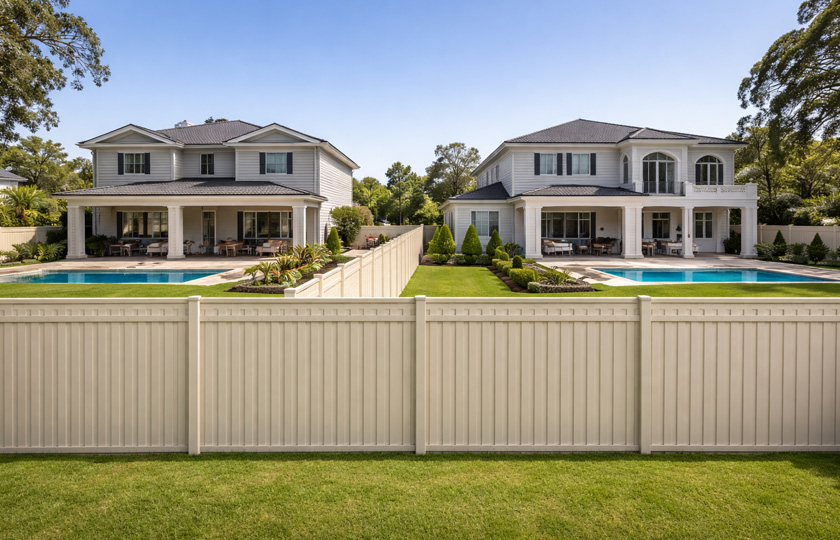
Prestige features once limited to high-end canal homes are now common inland: magnesium pools, covered outdoor rooms, motorised blinds, exposed-beam alfresco areas, high-end barbecue installations and even small-scale architectural water features.
The appeal is lifestyle-based rather than status-based. As work patterns decentralised and more people spend longer hours at home, the desire for resort-style outdoor comfort expanded beyond coastal suburbs. Inland households began investing in the same features that made coastal living attractive, leading to a rise in sophisticated backyard environments that would have previously been considered out of character for middle-ring areas.
Developer Response and the Evolution of New Estates
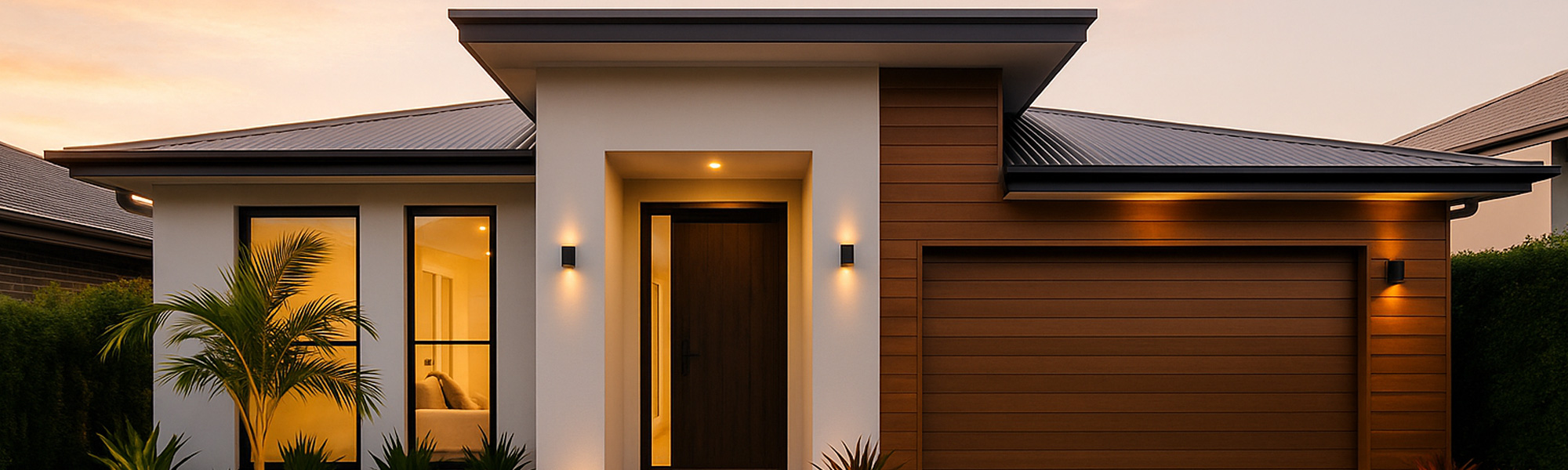
Developers have reacted aggressively to these new expectations. Modern inland estates are marketed with language and imagery traditionally associated with prestige master-planned communities. Display homes showcase premium finishes, integrated technology, statement façades and carefully curated external textures.
Lot sizes may remain modest, but the built form is deliberately elevated. Façade layering, mixed materials, wide entries, smart-home integration and daylight-maximising design cues create a near-luxury feel at accessible price points. Families walking through these estates internalise this as the new norm, reinforcing the cycle further.
How Suburban Luxury Is Rewiring Market Value
As prestige features migrate inland, price gaps between coastal and inland areas have narrowed. Inland homes that present with high-end upgrades now command stronger buyer attention and, in some cases, challenge the value levels of coastal suburbs that have not undergone equivalent renewal.
This rebalancing does not diminish the premium of beachside or canal living but it does extend the definition of what buyers consider desirable. A well-renovated inland home can now attract competition from both local families and interstate buyers seeking lifestyle quality without coastal price or maintenance considerations.
The Hidden Cost Structures Behind the Trend
The suburban luxury shift is partly driven by costs associated with coastal prestige living. Insurance premiums, maintenance obligations, material degradation and periodic renovations make coastal luxury a highly committed lifestyle choice. Inland homes with prestige finishes offer similar comfort without the same level of long-term upkeep.
This positions inland luxury as a rational alternative, not merely a budget compromise. Buyers can enjoy modern design, architectural features and sophisticated outdoor spaces with reduced exposure to coastal wear, corrosion or extreme weather-related maintenance cycles.
Interior Designers and Builders Standardising Prestige Aesthetics
Another quiet force behind suburban luxury is the gradual standardisation of high-end aesthetics through suppliers, cabinetmakers, stonemasons and building designers. As supply chains evolve and premium materials become more accessible, builders incorporate them as standard inclusions rather than optional upgrades.
This creates a design environment where even entry-level homes reflect a taste profile once limited to bespoke architectural projects. Buyers entering the inland market no longer perceive prestige features as extravagant but as part of a balanced modern living environment.
The Suburbs Most Likely to Lead the Next Wave
Not all suburbs participate at the same rate. The strongest suburban luxury uplift typically appears in middle-ring locations with established schools, growing family demographics, modernised housing stock and active renovation culture. Suburbs that blend affordability with upwardly mobile residents tend to adopt prestige features fastest.
Neighbourhoods where older homes sit on large blocks also show strong potential, as owners use renovation and extension strategies to elevate their properties beyond traditional suburban presentation.
What Buyers Should Take From the Trend
For buyers, the suburbanisation of luxury offers greater choice and a broader spectrum of lifestyle environments. Inland suburbs now support an elevated form of family living that was once only accessible near the coastline. Buyers can select homes that feel contemporary and aspirational without stepping into the coastal premium market.
It also means that renovation opportunities must be assessed through a more sophisticated lens. Basic refreshes no longer suffice when competing properties present with premium finishes. Strategic upgrades are now necessary to secure strong resale outcomes.
What Sellers Must Understand to Stay Competitive
Sellers in inland areas must recognise that presentation matters more than ever. Homes that lack modern upgrades may struggle to compete, even if they sit in well-regarded family suburbs. Prioritising the right prestige improvements can have a dramatic impact on buyer interest and sale price.
Outdoor enhancements, modernised kitchens, upgraded bathrooms, integrated storage and premium lighting installations are among the most powerful features inland buyers currently respond to. Sellers who understand this shift can outperform local market averages with surprisingly modest renovation budgets.
A Market Redefined by New Aspirations
The suburbanisation of luxury marks a significant evolution in Gold Coast property dynamics. Prestige is no longer geographically limited. It has become a design language and lifestyle expectation that moves with buyers rather than staying fixed to traditional postcodes.
As inland suburbs adopt these elevated standards, value spreads more evenly across the city. Families gain access to higher-quality housing, interstate movers find familiar comforts inland and developers reshape entire communities with features once exclusive to prestige enclaves.
The end result is a far more sophisticated suburban market, where luxury is defined not by proximity to the water but by the way homes feel, function and elevate everyday life.
This article provides general commentary on current Gold Coast property trends. It is not financial advice, valuation advice or guidance specific to any individual property, suburb or transaction. Market conditions vary between locations and can change quickly. Buyers and sellers should seek independent professional advice before making decisions involving property purchases, renovations or sales strategies.
You might also like


Disclaimer: Every effort has been made to ensure the accuracy of the information provided, but we make no guarantees regarding its completeness or reliability. The data is presented for general informational purposes only and does not constitute financial, investment, or legal advice. We are not liable for any errors, omissions, or consequences arising from its use. Users should verify details with relevant sources and seek professional advice where appropriate for the most accurate and up-to-date guidance.