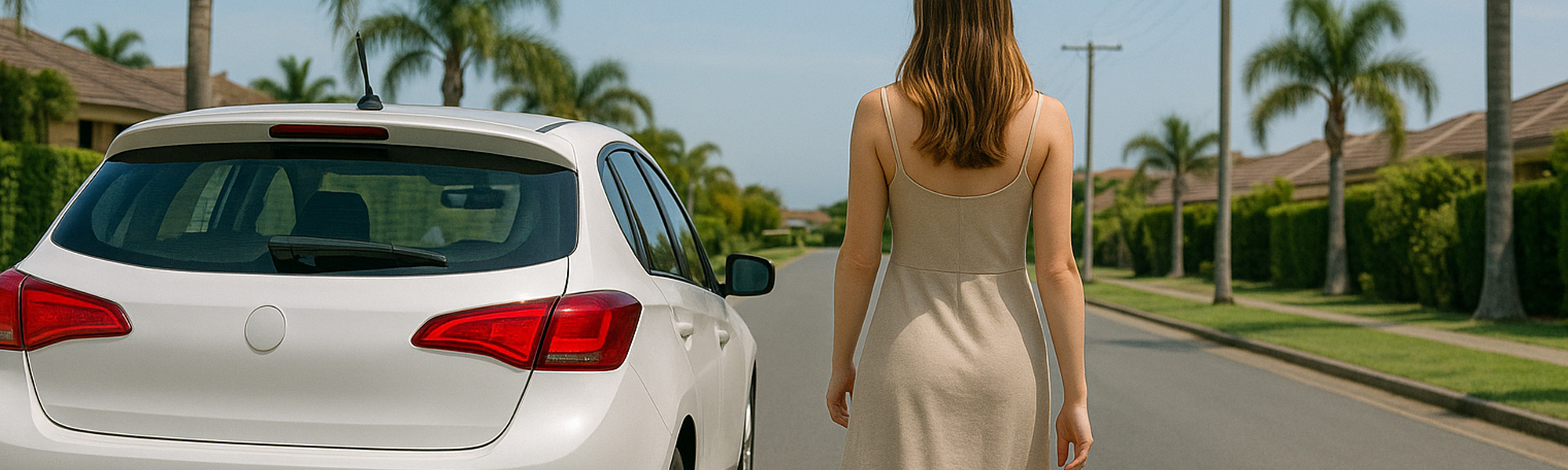
Across Australia, household parking has quietly become one of the great everyday pressure points. Families are running more vehicles than ever, multi-generational living is on the rise, garages have been converted into gyms or storage rooms, and visitor parking spills onto verges and lawns with increasing regularity. On the Gold Coast especially, where many homes sit on compact blocks or battleaxe lots, the simple act of finding a place to put the car can reshape the way a property functions.
Yet home parking problems can often be solvable. With creative thinking, careful design and a willingness to reassess how space is used, homeowners can reclaim order, improve safety, restore kerb appeal and even increase the value of their property. The solutions range from minor adjustments to full-scale transformations, but each begins with understanding the real pressures at play.
The Hidden Reasons Behind Parking Stress
Parking strain rarely comes from a single source. Instead, it's a blend of lifestyle changes, property design trends and modern household dynamics. Families today often run one car per adult, meaning a four-person home can easily juggle three or four vehicles. Young adults living at home longer compound this, as do blended families where multiple households periodically merge.
Property design also contributes. Many suburban homes built between the mid-1990s and early 2010s were planned around double garages on small lots. These homes look efficient on paper but struggle in reality when the garage becomes a storage sanctuary or a home gym. Add caravans, boats, trailers, jet skis or work utes, and the parking equation becomes unmanageable.
Even the environment plays a role. Coastal suburbs experience high visitor turnover, and what begins as one neighbour's overflow parking can quickly evolve into a street-wide squeeze.
Reconsidering the Garage - Its Purpose and Its Potential
The garage is your property's most under-utilised real estate. Many households treat it as a default storage room, packing it with sports gear, boxes, tools, old furniture and seasonal items. Once reclaimed, it can often free up two entire parking bays instantly.
Transforming the garage back into a functional parking space requires disciplined decluttering and sometimes a minor fit-out. Wall-mounted racks, overhead storage grids, vertical bike hooks and slimline cupboards can free floor space. Introducing built-in shelving can lift the entire inventory off the ground and create a defined zone for everything from camping gear to paint tins.
Some homes go further, integrating hybrid use. A garage can still house a treadmill, laundry station or workshop bench if the design keeps the vehicle zone clear. Roller-door height extensions can also be added to accommodate taller SUVs or vans, reducing the need to park these on the street.
Extending Your Driveway - A High-Impact Upgrade
Where land allows, extending the driveway remains one of the most effective ways to increase on-site parking. Even an extra metre or two of width can convert awkward parallel parking into smooth, side-by-side convenience.
Driveway extensions come in many forms. Some owners create a dual parking pad beside the main driveway using exposed aggregate, coloured concrete or permeable pavers that satisfy stormwater requirements. Others introduce a tapered section near the street, allowing two cars to pass or reverse independently without shuffling vehicles like a sliding puzzle.
In coastal areas, integrating tropical landscaping around a widened driveway softens the visual impact. Strategically placed pandanus, cycads or low-profile heliconias can maintain privacy while preserving turning arcs. Thoughtful landscaping also improves drainage and prevents the area from becoming a heat trap.
Reclaiming Side Yards and Under-Used Spaces
Most homes possess forgotten corners that can be repurposed with modest effort. Side yards, service areas or the dead space beside a garage can become highly functional parking zones.
Converting a side yard into a parking bay typically involves adding a reinforced surface, adjusting fencing, and ensuring clear access for turning. Councils often allow permeable materials such as gravel stabilising grids or turf block pavers, which maintain a green aesthetic while supporting vehicle weight.
Some households create a scooter or motorbike station rather than a full car bay. This frees primary parking for larger vehicles and reduces clutter near the entry points of the home. Others add a narrow trailer bay along the boundary, keeping weekend toys neatly contained rather than dominating the front yard.
Multi-Use Front Yards - Rethinking Kerb Appeal
Front yards can serve dual purposes without sacrificing aesthetics. Clever design allows a lawn or garden bed to become a parking platform when needed, while still presenting beautifully from the street.
Reinforcement mats hidden under turf create an invisible car-capable surface that remains lush and green. When the car leaves, the area looks like ordinary lawn. Similarly, low-profile retaining walls can create terraced parking platforms that double as sculptural landscaping elements.
The trick is integrating hardscaping in a way that supports your home's architecture. Coastal homes suit light, sandy-coloured aggregates or stone textures that echo the beach. Hinterland homes benefit from darker rockwork or delicate planting transitions.
Creating Rotational Parking Systems at Home
When space is extremely tight, households can adopt a rotational parking strategy. This approach relies on clear routines rather than construction, making it ideal for rental properties or homes with no expansion options.
Rotational systems assign priority spaces based on schedules. For example, the person who leaves earliest can park closest to the street, while late-returning drivers use deeper or less convenient spots.
Micro-Parking for Smaller Transport Modes
Not every vehicle is a full-sized car. Households that run electric scooters, e-bikes or lightweight motorbikes can dramatically reduce parking congestion by designing micro-bays.
A compact concrete pad beside the home's entry, or a covered alcove near the garage, frees larger spaces for cars. Charging points can be integrated discreetly into fence posts or external power outlets. This approach is especially useful for families where young adults use scooters or small bikes to commute rather than driving a car.
Micro-bays also reduce the chance of these smaller vehicles cluttering hallways, laundry rooms or living spaces.
Rethinking Fences, Gates and Access Points
Boundary treatments often limit what is possible on a block. Replacing a solid fence with a sliding gate can open up an entire span of frontage. Similarly, a pivot gate or telescopic gate can dramatically improve manoeuvrability where space is narrow.
Driveway widening is frequently constrained by old boundary lines. Removing unnecessary garden edging, relocating letterboxes, or adjusting retaining walls can recover valuable centimetres that improve turning ease. Even slight adjustments can prevent kerb scrapes and reduce the need for multi-point turns.
Adding a Carport - Fast, Effective, and Lower-Cost
A well-designed carport adds sheltered parking without the complexity of a full garage conversion. Many councils treat carports more flexibly within planning frameworks, making them easier to approve.
Modern carports use lightweight steel frames, insulated roofing, timber battens or aluminium slats that complement contemporary architecture. Integrated lighting and drainage can make them feel polished and permanent. In coastal climates, choosing corrosion-resistant materials is essential.
Some owners opt for a drive-through arrangement, where a carport sits forward of an existing garage. This doubles usable space, keeping one car under cover while protecting another from the elements without locking up the area.
Permanent Off-Street Parking for Boats, Caravans and Utes
Recreational and work vehicles cause some of the biggest parking headaches. Dedicating a defined, structurally supported space for these vehicles resolves ongoing conflict and keeps the main driveway free.
A separate hardstand, ideally concealed behind a gate, keeps boats and caravans secure without dominating the home's façade. Reinforced slabs, tie-down points, and power access make the space practical. Design cues can soften the look, including bamboo screening, slatted privacy panels, or tropical planting that maintains airflow around the stored vehicle.
Future-Proofing Homes for Multi-Car Households
As families evolve, so do their parking needs. Smart homeowners think ahead, designing flexibility into their property. This might mean creating a space that can easily convert between lawn and parking pad, planning for a future carport, or allowing for scooter bays that can convert into EV charging stations as needed.
Many new builds now include extra off-street parking as a central design element. Builders are also paying closer attention to turning circles and driveway gradients, reducing the risk of bumper damage on steep coastal blocks.
Creative Solutions That Push the Boundaries
Some of the most memorable parking solutions are the ones that challenge expectations. Homes with steep frontages sometimes install mechanical car lifts, allowing vehicles to descend below ground into hidden garages. Others integrate circular turning pads that rotate the car without reversing at all.
In certain luxury homes, architects subtly incorporate parking into courtyards, allowing cars to rest beneath floating pergolas, operable louvres or cantilevered upper levels. These ambitious approaches merge architecture with functionality and turn parking into a design statement rather than a constant frustration.
Leasing a Neighbour's Unused Space
In tightly packed suburbs, one of the most surprisingly effective solutions is sitting just over the fence. Many households have more paved space than they actively use, especially where a neighbour keeps a boat elsewhere, no longer drives, or simply has a surplus bay that sits empty week after week. Quietly approaching a neighbour to discuss a private leasing arrangement can create a stable, mutually beneficial parking solution without any construction at all.
These agreements work best when they are clear, friendly and documented. Both parties should outline when the space can be used, how access is handled, whether a small fee is appropriate and what happens if circumstances change. Some neighbourhoods operate entirely informally, while others prefer a light written agreement to avoid misunderstandings later.
It is essential, though, to check the legal and planning context before committing. Not all councils permit the leasing of residential parking spaces, and some body corporate by-laws tightly regulate how driveways and visitor bays may be used. Ensuring compliance at the outset protects both households and keeps the arrangement harmonious. When allowed, this approach can relieve daily parking stress and strengthen neighbourly ties at the same time.
Bringing Harmony Back to Your Driveway
Home parking pressures can make daily life feel messy, stressful and unnecessarily complicated. Yet with thoughtful planning, modest upgrades or ambitious redesigns, the chaos can settle into a smooth, predictable flow. A well-organised parking strategy improves safety, enhances kerb appeal and restores calm to busy households.
Most importantly, these solutions are not just practical fixes. They shape how families move, live and interact with their home. When every car has a place, the entire property feels more spacious, more functional and more enjoyable.
Any changes to parking arrangements on private property should always be carried out in accordance with local council requirements, state planning legislation and the specific rules that apply to your suburb or zoning. Driveway widening, adding hardstand areas, modifying fencing, installing carports, altering drainage, creating parking pads on lawns or placing vehicles in side yards may all require council approval, building consent or engineering certification depending on the scale and location of the work.
Before beginning any project, homeowners should confirm what approvals are needed, check setback rules, understand stormwater obligations, and ensure that proposed materials comply with local standards. Where design or structural work is involved, seek advice from qualified professionals. This article provides general information only and is not a substitute for formal planning or legal guidance.
You might also like


Disclaimer: Every effort has been made to ensure the accuracy of the information provided, but we make no guarantees regarding its completeness or reliability. The data is presented for general informational purposes only and does not constitute financial, investment, or legal advice. We are not liable for any errors, omissions, or consequences arising from its use. Users should verify details with relevant sources and seek professional advice where appropriate for the most accurate and up-to-date guidance.