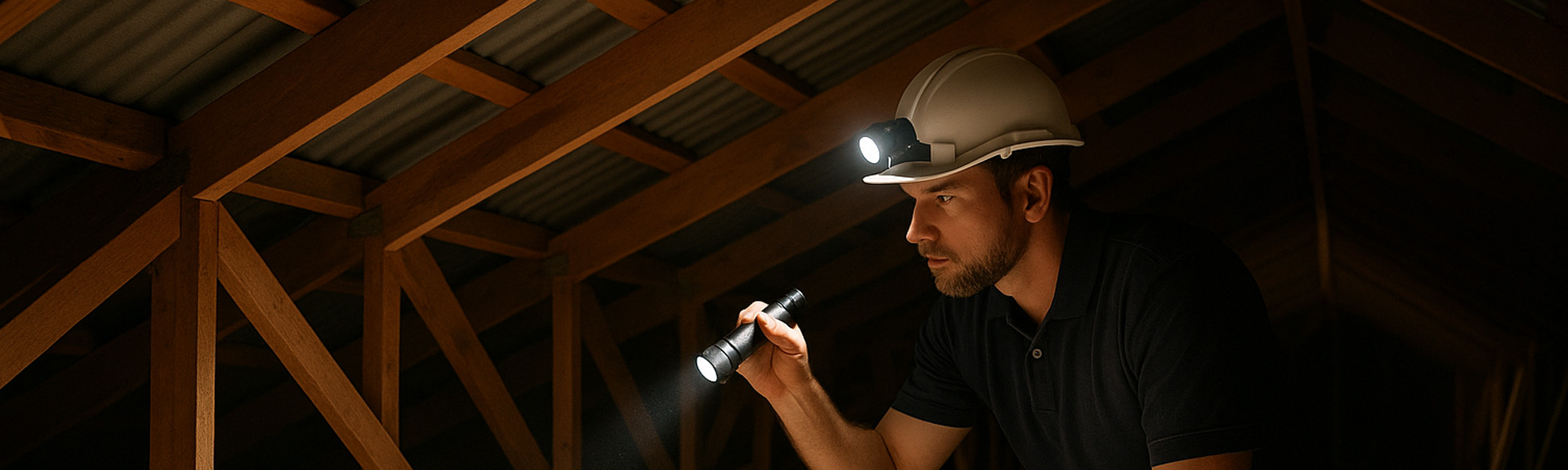
Buying property in Queensland relies heavily on accurate, independent information about the condition of the home. A building and pest inspection is the most reliable way to uncover issues that are not immediately visible during an open home or private viewing. These reports give buyers a realistic understanding of what they are committing to, how the structure is performing, and whether pests, moisture or age related defects are present. Far from being a formality, a detailed inspection shapes negotiation, pricing and the overall confidence of the purchase.
A high quality inspection is not simply a checklist. It is a methodical evaluation of the building envelope, the structural frame, serviceability of key components, safety risks, moisture behaviour, pest activity and any material deterioration that may affect long term performance. Understanding how these inspections work, what they can reveal and how to interpret the results is essential for informed decision making.
The Purpose of a Building and Pest Inspection
At its core, the inspection aims to identify significant defects and conditions that may influence the value or usability of the property. Buyers are often surprised by the level of insight these reports provide. Even well presented homes can hide issues behind cosmetic finishes. Timber framed houses, slab on ground designs, older brick veneer, coastal properties and renovated dwellings each have their own risk profiles.
The inspection gives a qualified, independent view of how the home has aged and how it is likely to perform in the years ahead. It also helps buyers understand which problems are minor maintenance tasks and which are serious structural or safety concerns that warrant negotiation or reconsideration.
What Inspectors Look For
A licensed inspector assesses the building from top to bottom, following Australian Standard 4349.1 for building inspections and AS 4349.3 for timber pest inspections. They examine the accessible interior, exterior, roof void, subfloor areas where present, outbuildings, garages, retaining walls and immediate site drainage conditions.
Inside, they look for cracks, uneven floors, door misalignment, moisture damage, poor ventilation, water staining, damaged plasterboard, sagging ceilings and any evidence of movement or leaks. They also note the age and observable condition of fixtures and materials, although they do not give electrical, plumbing or gas compliance assessments, which are separate disciplines.
Outside, inspectors check cladding integrity, roof coverings, guttering performance, flashings, sealants, structural elements of decks and balconies, fencing close to structures, drainage paths, termite barriers and any areas where water might accumulate against walls.
Pest inspections focus heavily on timber framing, skirting boards, subfloor timbers, tree stumps near the house, garden beds built against walls and moisture zones that may attract termite activity. They look for live insects, damage patterns, mud tubes, past treatments and any environmental conditions likely to encourage infestation.
Limitations Buyers Should Understand
Building and pest inspections are thorough, but not invasive. Inspectors cannot cut open walls, lift roof tiles or move heavy furniture. Their findings are based on what is visible and accessible at the time of inspection. Locked rooms, stored items, recent painting or renovations can reduce visibility. Moisture readings and thermal imaging can indicate hidden problems, but they still cannot confirm what lies behind finishes without further investigation.
Buyers should read the limitations section of the report carefully. It sets expectations for what was not inspected, what could not be accessed and whether certain areas need specialist follow up. This prevents misunderstandings later.
Moisture Concerns and Water Management
Moisture is one of the most common issues discovered in Queensland homes. Inspectors pay close attention to bathrooms, laundries, kitchens, external walls, window flashings and any rooms below ground level. Water staining or high moisture readings may signal plumbing leaks, failed membranes, ventilation issues or drainage weaknesses around the home.
Site drainage is equally important. Poor falls, blocked gutters, downpipes discharging at the base of walls and inadequate stormwater pathways can lead to significant moisture intrusion. These findings often require a plumber, roofer or drainage contractor to provide further advice.
Structural Movement and Foundation Performance
Many properties experience some level of movement over time. Minor settlement cracks are normal, but wider cracks, stepped patterns in brickwork, distortion in architraves or jamming doors may indicate more serious movement. Inspectors note the type, direction and severity of cracking, but structural engineers are required to diagnose the exact cause and provide solutions.
Understanding whether movement is historic, active or seasonal helps buyers assess long term costs and potential risks. Homes in reactive clay soils, sloped blocks or areas with older retaining structures warrant particular attention.
Timber Pests and Their Impacts
Termites remain one of the major concerns for Queensland buyers. A pest inspection identifies evidence of activity, past damage or conducive conditions that attract infestation. Even if the house appears untouched, environmental factors like garden beds built too high, timber landscaping close to walls, leaks or poor ventilation can lift the risk profile.
If termite damage is suspected, buyers should arrange further invasive inspections or obtain repair cost estimates. Insurance does not cover termite damage, which makes early detection and prevention essential.
Roof, Deck and External Structure Performance
The roof is one of the most important and often most costly elements of a home. Tile dislodgement, rusted screws, loose flashings, aged membranes and blocked gutters can all lead to leaks. Inspectors assess observable roof conditions from ladders and internal roof spaces, but cannot access areas that present safety risks.
Decks and balconies, especially timber ones, require careful assessment. Moisture, UV exposure and poor construction detailing can weaken connections and framing. Any sign of rot, termite activity or structural instability should be taken seriously.
Renovations and Hidden Complexity
Renovated homes often look flawless on inspection day. However, building and pest reports can reveal inconsistencies between old and new work, incomplete waterproofing, unvented bathrooms, structural modifications, poorly installed skylights, non compliant deck extensions or internal walls that have been moved without engineering approval.
Buyers should not assume that newly renovated means problem free. The inspection helps distinguish cosmetic improvements from genuine structural quality.
Interpreting the Report and Next Steps
A detailed building and pest report can be long and technical. Buyers should read it carefully and ask the inspector questions. Understanding which findings are urgent, which are medium term maintenance issues and which are minor observations helps shape the decision.
If significant issues arise, buyers commonly request contractor quotes, negotiate with the seller or request rectification before settlement. Some defects are manageable, but others may materially change the value proposition.
Why Buyers Should Attend the Inspection
Although not mandatory, attending the inspection gives buyers direct access to the inspector as they work. Inspectors can highlight key issues, show specific defects and explain the likely implications. Seeing the property through the lens of a trained professional often provides clearer context than reading the report alone.
Choosing a Qualified Inspector
A good inspection depends on the skill and independence of the inspector. Buyers should choose licensed professionals with experience in Queensland building types and conditions. It is worth confirming that the inspector carries the appropriate insurance, follows the relevant Australian Standards and provides both building and pest services during the same appointment.
Inspectors who offer thermal imaging, moisture mapping or detailed photographic documentation can provide additional value, especially for higher risk homes.
The Role of Inspections in Negotiation
Inspection results often influence contract negotiations. Buyers can request repairs, seek compensation, adjust their offer or withdraw under the conditions of the contract. Vendors who understand the issues may agree to rectification or price adjustments, while others may decline. Either way, inspections shift the conversation to factual, documented findings rather than guesswork.
Final Thoughts for Buyers
A building and pest inspection is one of the most important due diligence steps in the Queensland property market. It provides a grounded understanding of how the home is performing, what maintenance lies ahead and whether pests or moisture are compromising the structure. Even a home that appears immaculate can carry hidden risks. The inspection delivers clarity before significant financial commitments are made.
By using a qualified inspector, understanding the limitations of the process and engaging actively with the findings, buyers place themselves in the strongest possible position to make informed, confident decisions about one of the largest investments they will ever make.
You might also like




Disclaimer: Every effort has been made to ensure the accuracy of the information provided, but we make no guarantees regarding its completeness or reliability. The data is presented for general informational purposes only and does not constitute financial, investment, or legal advice. We are not liable for any errors, omissions, or consequences arising from its use. Users should verify details with relevant sources and seek professional advice where appropriate for the most accurate and up-to-date guidance.