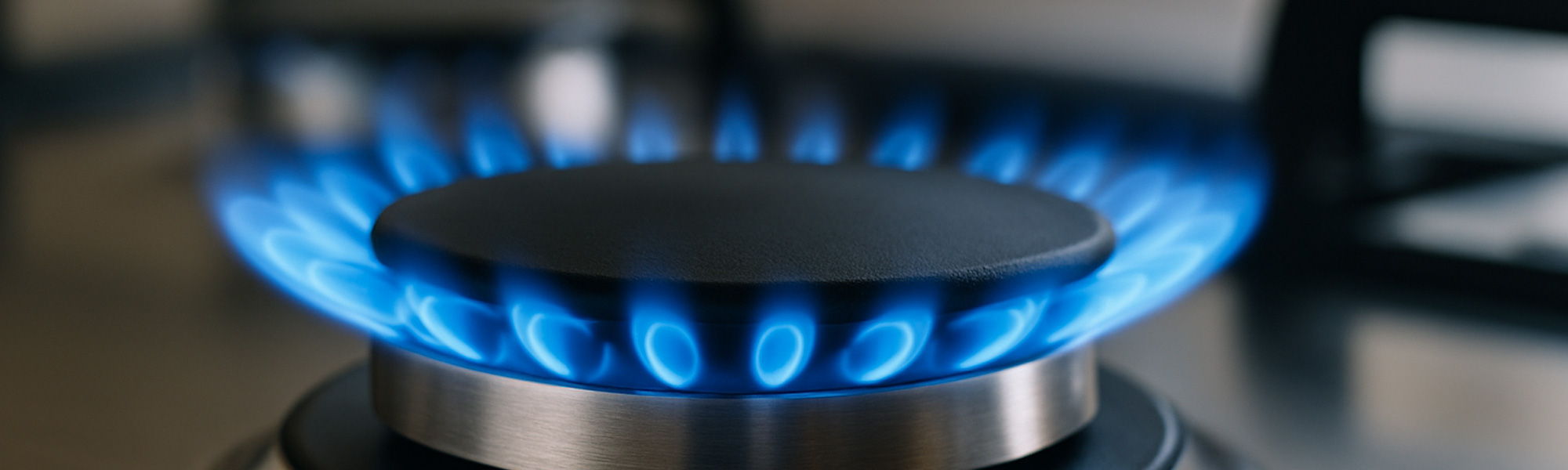
Gas cooktops have long been part of Australian kitchens, prized for their responsiveness and the sense of control the flame gives. Yet the same flame that feels familiar and reassuring also introduces hidden risks that most households barely think about. From invisible by-products in the air to the way a sealed modern home behaves when the burners are running, living with gas is a responsibility that works best when it's understood clearly and handled with calm, practical habits.
The Everyday Appeal - and the Risks We Overlook
Many homes feel built around the cooktop. It's where people gather at the end of the day, where a sauce simmers quietly, where a quick fry-up fills the kitchen with warmth. But gas behaves differently from electric appliances. It is an active combustion system running inside your home, and that alone creates consequences for air quality, oxygen availability, and the way the room feels during extended cooking sessions.
It's common to underestimate these effects because everything looks normal. The flame burns, the food cooks, and the room seems unchanged. Yet each time a burner lights, microscopic changes begin to happen in the air long before any smell or visible clue gives them away.
The Hidden Air-Quality Impact of Open Flame
A gas flame is small, controlled and deceptively clean-looking, but its by-products disperse instantly through the space. Ultrafine particles, nitrogen dioxide and light combustion residues rise from the flame and can fill a kitchen rapidly, especially when the air is still. These particles aren't visible; they drift easily, move into adjacent rooms and linger long after cooking finishes.
Most households only think about grease, not particles too small to see. But those particles accumulate when windows are closed, when the home is sealed to keep in cool air, or when the rangehood is forgotten during a quick meal. Sensitive airways often notice the effects first. A feeling of heaviness, slight irritation or the sense that the air has grown stale is often the earliest sign.
The Oxygen Balance: What the Flame Draws from the Room
Every gas burner relies on oxygen. When a kitchen is open and breezy, the air replenishes freely. But Gold Coast homes today are more sealed than ever, with dense glazing, efficient weather stripping and air-conditioning running through warm seasons. Without real airflow, the flame begins consuming the oxygen inside the room faster than it can be replaced.
As the oxygen level dips, combustion becomes less complete. The flame can shift in character, burning slightly lazier, with uneven sections or hints of yellow at the tips. This is the moment where emissions rise sharply. The room feels stuffier, and the cook often assumes they're just feeling the heat of the recipe rather than the air itself changing around them.
Carbon Monoxide and Incomplete Combustion
One of the most important risks to understand is carbon monoxide. A well-tuned burner produces very little, but real households aren't perfect environments. Burners get dirty. Caps shift slightly. Pots create heat shadows that interfere with combustion. When oxygen becomes limited, the flame loses its ideal shape and carbon monoxide production increases.
Carbon monoxide has no smell, no colour and no warning besides how the body begins to feel over time. Headaches, light fatigue or a vague sense of discomfort during long cooking sessions often go unnoticed or are dismissed as normal kitchen tiredness. Proper ventilation and burner maintenance are the key protections, but they must be used every single time.
Why Modern Homes Intensify the Problem
Older homes had natural drafts and constant air movement. That accidental ventilation meant the flame always had a steady supply. Today's homes are designed to keep air in, not let it escape. Sliders are closed for privacy. Windows stay shut on humid days. Air-conditioning pulls air through the house without introducing fresh air from outside.
The result is a perfect environment for emissions to build. Steam clouds from simmering pots meet ultrafine particles from the flame and form a dense, invisible layer in the room. People instinctively reach for the rangehood after smoke or steam appears, not realising that the invisible by-products were accumulating long before.
Recognising the Signs of Poor Combustion
A good flame is crisp and blue with consistent height. A bad flame is often still blue but subtly wrong. Uneven rings, taller sections, occasional sputters or yellow flecks suggest that something is interrupting the burn. Even light spillage from a prior meal can influence the flame, causing incomplete combustion that raises emissions.
It's worth pausing before cooking to check the burner caps, ensure the ring is seated properly and confirm the flame looks even. These tiny checks take seconds and can prevent hours of poor air quality.
Using Ventilation Correctly
Ventilation is more than switching on the rangehood. It's about creating a path for the air to move. An external-vented rangehood draws out fumes effectively, but a recirculating one only traps grease and pushes the rest back into the room.
Opening a nearby window, even slightly, makes an enormous difference. A small supply of fresh air restores proper combustion, stabilises the flame and allows the rangehood to work efficiently. The room feels fresher instantly because the air has somewhere to go.
Safe Cleaning and Everyday Maintenance
Burners work best when cared for regularly. Cleaning isn't just cosmetic; residue on the caps and rings directly affects combustion. A gentle scrub, careful drying and proper re-seating of the pieces keeps the flame even and prevents micro-leaks of unburnt gas from forming around uneven joints.
Igniters also need attention. When damp or clogged, they can misfire, causing pockets of unburnt gas to briefly collect before ignition. The familiar quiet pop many people hear when a burner finally lights is a sign of this happening.
What to Do if You Smell Gas
Even a faint smell is enough to act. Turn off the burner immediately, avoid touching electrical switches and open the nearest windows. If the smell lingers, turn off the supply at the isolation tap or cylinder and call a licensed professional. Gas disperses quickly outdoors but can concentrate indoors in places people don't expect, such as under benchtops or behind drawers.
Handling Removal and Replacement Safely
Many households eventually decide to replace their gas cooktop when renovating or upgrading to induction. Gas disconnection and reconnection must be handled by a licensed gasfitter, and this is not optional. They check for leaks in the line, ensure the isolation tap is working, test the pressure and certify the installation.
Improper removal is risky. A damaged or uncapped hose, even briefly exposed, can release gas into the cabinetry. A small leak often goes unnoticed because it rises gently into the benchtop cavity rather than into the room immediately.
When installing a new cooktop, the surrounding bench, cabinetry clearance and ventilation requirements all matter. A professional ensures all of it meets current safety standards.
Living Safely with a Gas Cooktop
Gas is perfectly manageable with thoughtful habits. Using the rangehood every time, checking the flame, cleaning the burner rings and opening a window during longer cooking sessions transform the kitchen into a safer, healthier space. These steps don't interrupt the cooking; they make it more comfortable and far easier on the air.
Small changes have an outsized effect. The kitchen feels fresher, cooking feels easier and the home absorbs far fewer airborne by-products. It's the kind of comfort that becomes obvious only once you've experienced both sides.
The Calm Confidence of Understanding Your Appliance
A gas cooktop shouldn't feel mysterious or intimidating. It's simply a tool that behaves best when treated with respect and a little maintenance. Knowing what the flame needs, how the room responds and when ventilation matters turns the entire process into something predictable and straightforward.
Homeowners who understand these details find they cook more comfortably, breathe more easily and manage their appliance with far greater confidence. Gas becomes a deliberate choice rather than an unexamined habit, and the kitchen becomes a safer and more enjoyable part of the home.
You might also like





Disclaimer: Every effort has been made to ensure the accuracy of the information provided, but we make no guarantees regarding its completeness or reliability. The data is presented for general informational purposes only and does not constitute financial, investment, or legal advice. We are not liable for any errors, omissions, or consequences arising from its use. Users should verify details with relevant sources and seek professional advice where appropriate for the most accurate and up-to-date guidance.