There has never been a better moment to invest in solar. Once considered a forward-thinking add-on reserved for early adopters, rooftop solar has now matured into one of the most reliable, efficient and financially compelling upgrades a home can receive. Queensland leads the nation in adoption, and the technology has quietly evolved far beyond the simple, heavy panels of the early 2010s. Today's systems are lighter, smarter, more durable and dramatically more efficient, turning everyday rooftops into steady, predictable power stations.
The appeal runs deeper than savings alone. A modern solar array gives homeowners control over how power is produced and consumed, softening the impact of rising electricity prices and helping households move toward cleaner, more stable living. Over time, it becomes a background part of the home's identity, producing energy quietly while the family goes about its day. The technology has matured into something that doesn't demand attention, yet rewards its owner every hour the sun is out.
Modern Solar Panels Are Not What They Used to Be
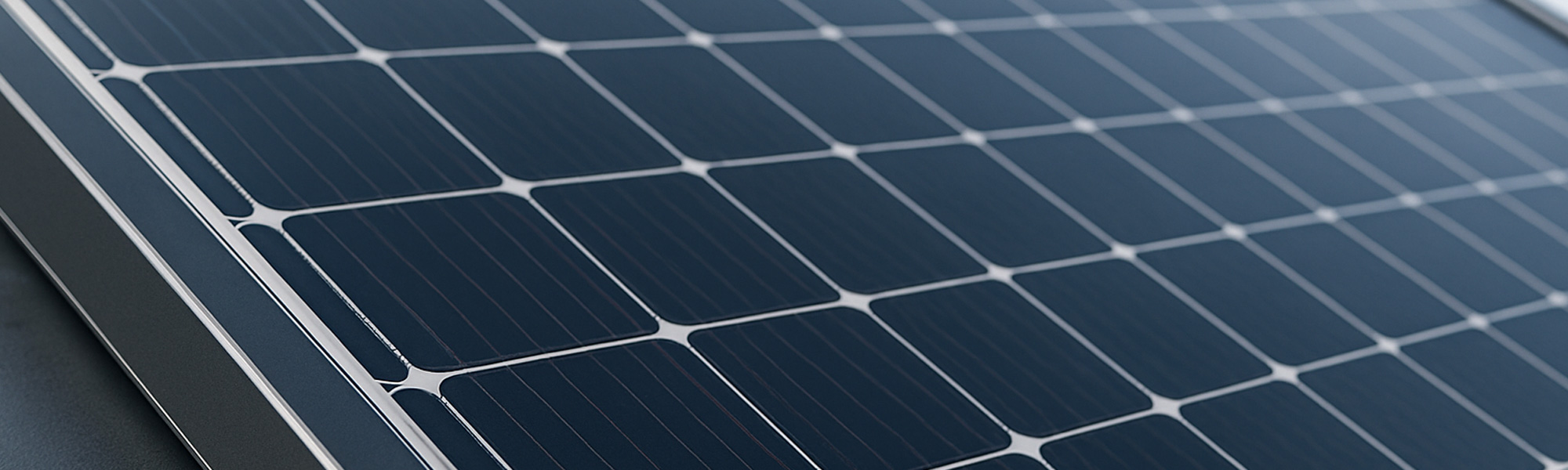
Walk past a newly built home and you'll notice something different about the roofline. Panels now sit lower and cleaner against the surface, with sleeker frames, darker cells and less visible cabling. Behind this improved appearance lies significant technological advancement.
Monocrystalline panels have become the dominant choice due to their strong efficiency and excellent performance in warm conditions. The latest half-cut cell designs reduce electrical resistance, helping the panel operate more effectively in both direct sun and partly shaded conditions. Modern panels also handle high temperatures far better than older models, which is crucial in Queensland's climate.
Another major shift is the rise of PERC (Passivated Emitter and Rear Cell) technology, which boosts efficiency by improving how cells capture and retain light. PERC kickstarted a wave of innovation over the last decade and continues to influence the panels available today, even as newer technologies enter the market.
N-Type Panels: The Next Big Step in Efficiency
The newest wave of solar technology is driven by N-type solar cells. Unlike traditional P-type panels, N-type cells are more resistant to light-induced degradation and heat-related performance loss. This means they maintain higher output for longer, which naturally extends the value of the system. They are also more efficient on a per-square-metre basis, allowing homeowners to generate more power from the same amount of roof space.
Two impressive N-type technologies now reaching the mainstream are TOPCon and heterojunction (HJT) panels. TOPCon panels build on the PERC design but enhance it with a thin conductive layer that reduces energy loss. HJT panels combine crystalline silicon wafers with ultra-thin layers of amorphous silicon, delivering exceptional performance in both full sun and low-light conditions. For homeowners planning a long-term energy strategy, these next-generation panels are becoming increasingly appealing.
The Smart Inverter: Where Everything Comes Together
While the panels gather sunlight, the inverter determines how that energy behaves inside the home. Modern inverters are no longer simple conversion devices. They are highly intelligent systems that track output, optimise performance and integrate with load management software. A good inverter can extract more real-world power from the same set of panels, especially when partial shade hits parts of the array.
Two main approaches dominate today's market. String inverters remain the most common and cost-effective option. They work by connecting panels in series, allowing the entire array to be managed as a single unit. For rooftops with consistent sun exposure, string systems offer excellent value and reliable performance.
Microinverters and optimiser-based systems take a different approach by controlling panels individually. This allows each panel to operate at its best regardless of shading, debris or orientation differences across the roof. Homes with complex rooflines or nearby trees often see stronger year-round performance from these systems. As panels become more efficient, microinverters have grown in popularity thanks to their flexibility, monitoring precision and ability to maintain output even in challenging conditions.
Durability Matters More Than Ever
Queensland's climate can be punishing. Intense sun, salt air along the coastline, sudden storms and humidity all take a toll on rooftop installations. Fortunately, solar manufacturers have spent years refining durability standards to match modern conditions.
Most high-quality panels now feature robust glass coatings, corrosion-resistant frames and weather-sealed junction boxes designed to handle extreme conditions. Warranties have stretched significantly, with many leading manufacturers offering 25-year performance guarantees and long structural warranties that reflect confidence in their designs.
For homeowners, this durability brings both financial and practical benefits. A well-installed system continues producing consistent power for decades, even as the home around it evolves. Pairing panels with high-grade racking and careful installation practices ensures the system remains secure through summer storms and strong winds.
A Growing Role in the Modern Household
As more homes adopt heat pump hot water, induction cooking, EV charging and home battery systems, solar becomes the foundation that supports everything else. The rooftop array can run appliances during the day, offset cooling costs and seamlessly charge a battery for evening use. Solar is no longer a standalone upgrade. It is the core of a future-ready energy ecosystem that intelligently manages how power is produced, stored and consumed.
Many homeowners also discover a subtle psychological shift once solar is installed. Energy becomes easier to understand. They start noticing how much power the home uses at different times of day. They become more aware of patterns in weather and consumption. Over time, the home feels more modern and responsive, with energy flowing in a cleaner, more controlled rhythm.
The Economics of Solar Have Never Been Stronger
Despite the technology becoming far more advanced, costs have taken a steady downward drift over the last decade. This puts high-performance systems within reach for many households. Rising electricity prices only make solar more appealing, as every kilowatt-hour generated on the roof is one less drawn from the grid.
Feed-in tariffs are no longer the centrepiece of the financial equation, but self-consumption is. Using the energy at home, either directly or via storage, maximises the return on investment. Many families now treat solar as a financial stabiliser - a system that gently reduces bills year after year, making overall home expenses far more predictable.
A Clean, Quiet, Long-Term Upgrade
Solar panels have become one of the most sensible additions a home can receive. They increase value, improve comfort, cut costs and reduce exposure to the wider energy market. They operate silently, require very little user input and integrate perfectly with emerging technologies that will shape household living over the coming decades.
As panel efficiency rises and inverter intelligence improves, rooftop solar is likely to become even more central to modern home design. What once was considered an optional upgrade is now a mark of a well-prepared, future-focused home - one that produces its own energy cleanly and consistently throughout the year.
This article provides general information only and is not a substitute for professional advice. Solar and battery systems should always be designed and installed by licensed electrical contractors who can assess your property, confirm compliance with Australian standards and ensure all equipment is suitable for local conditions. Regulations, safety requirements and product specifications may change over time, so readers should verify all details with qualified professionals before proceeding with any installation or upgrade.
You might also like






Disclaimer: Every effort has been made to ensure the accuracy of the information provided, but we make no guarantees regarding its completeness or reliability. The data is presented for general informational purposes only and does not constitute financial, investment, or legal advice. We are not liable for any errors, omissions, or consequences arising from its use. Users should verify details with relevant sources and seek professional advice where appropriate for the most accurate and up-to-date guidance.