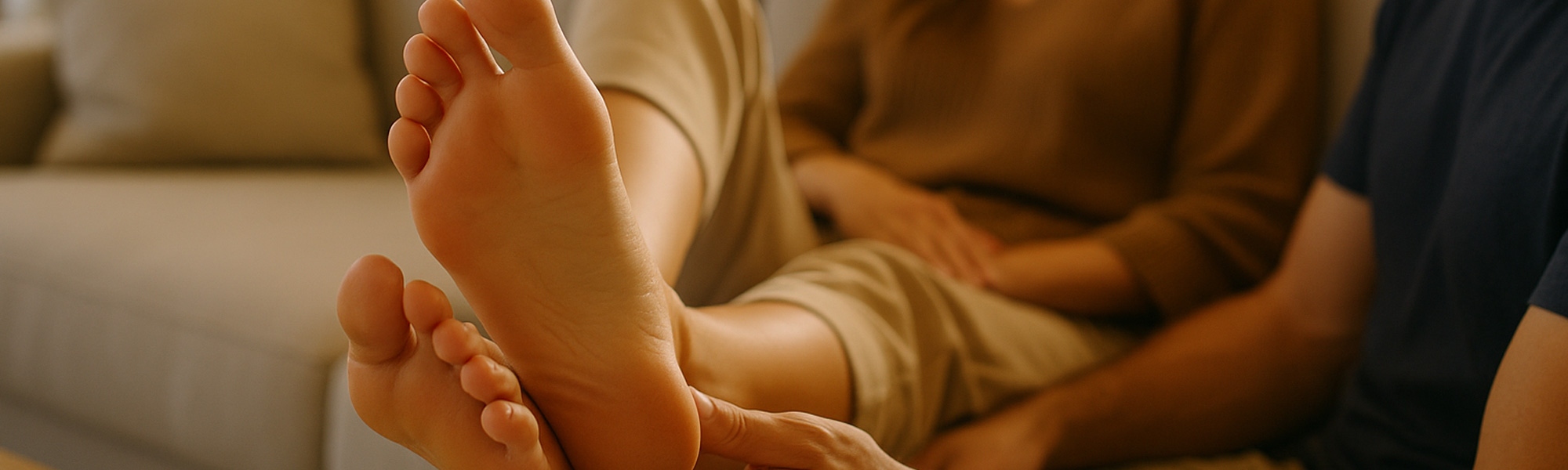
There's a small cultural shift happening on the Gold Coast, and most people don't even notice it until someone points it out. It's the rise of the all-day barefoot life. Not a quirky beach choice or a fleeting decision on a hot day, but a whole lifestyle: a person wakes up, moves through the morning, crushes the boxes, cleans the house, steps outside to the bins, drives, shops, fills petrol, shops again, returns home, relaxes on the sofa, and lets their partner massage their feet while watching TV. No shoes. No sandals. Not even a quick slip-on for public errands. Just bare soles meeting the world.
Barefoot living has always been a natural part of life on the Gold Coast - woven into the climate, the lifestyle and the way people move through their day. But a new question has started to emerge: how healthy is it, really? Not just for posture or muscles, but for hygiene, immunity, comfort, overall wellbeing - and even for the partner who might touch those feet later. And when you look closely, the answer is far more interesting, and far more positive, than most people ever expect.
This is the deeper story of a barefoot day: what happens to the skin, the body, the mind, the routine, and the person who moves through the world in its most natural state.
The Morning Reset: Clean, Fresh Skin
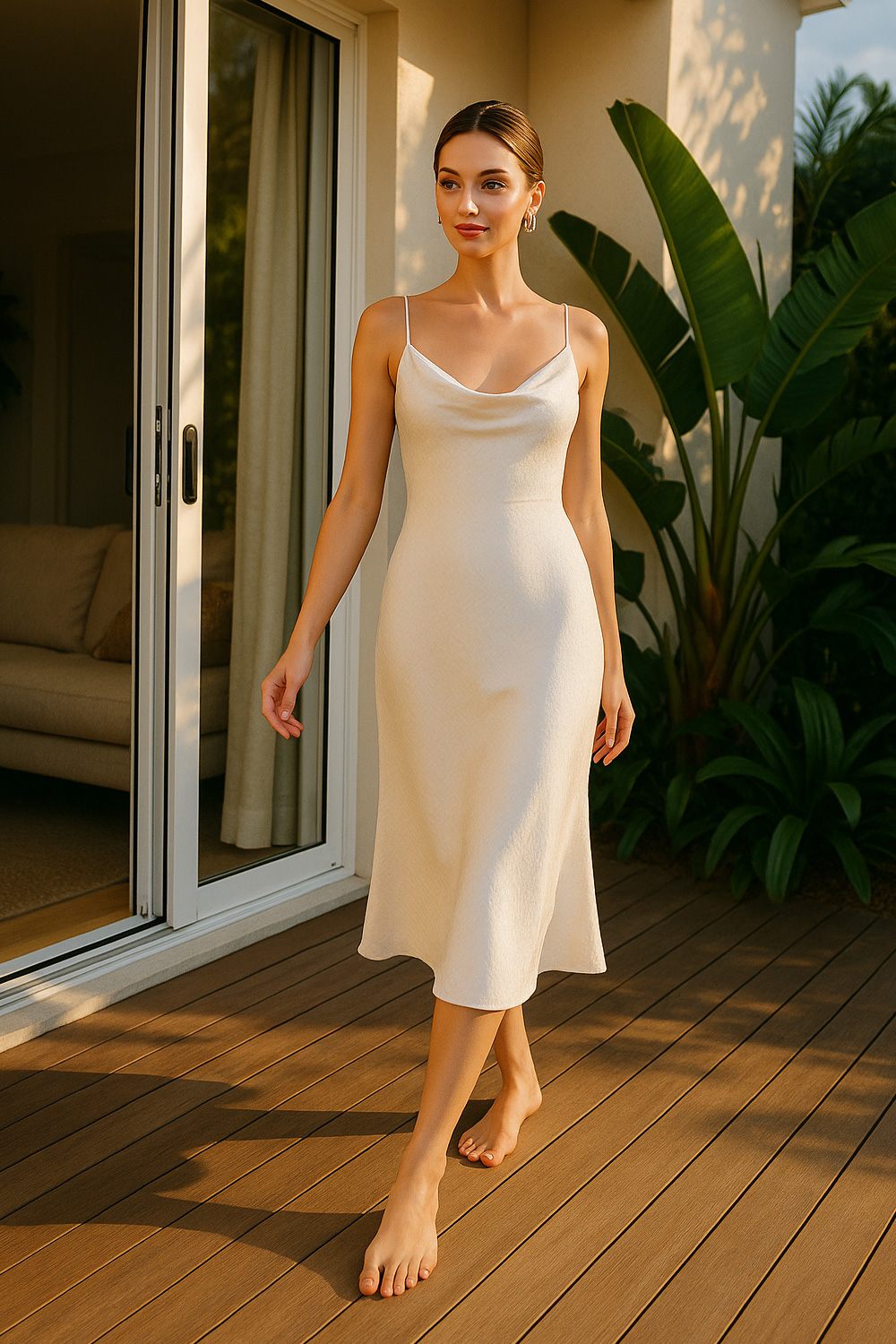
Bare feet are at their healthiest first thing in the morning. Unlike shoes, which trap heat and moisture from the moment they go on, starting the day barefoot gives the skin a clean slate. Sweat glands stay open and uncompressed, circulation flows freely, and the skin rebounds in softness that never quite returns once enclosed.
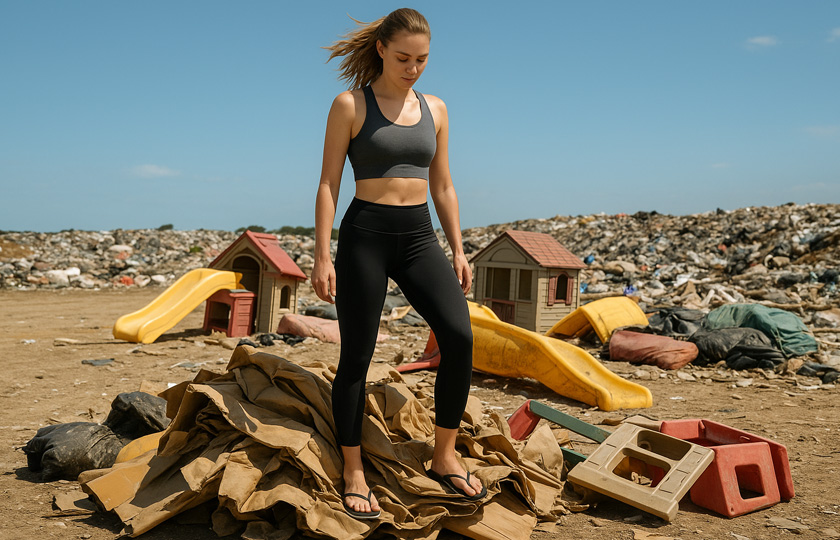
A barefoot morning is often the cleanest part of the day for the skin as well as the mind. Moving from bed to kitchen to bins without footwear keeps that light, grounded feeling intact. There's no shoe smell, no trapped moisture, no buildup. And when a person uses their feet as tools for daily tasks like crushing cardboard boxes, there's surprisingly little risk involved: cardboard is low-germ, dry, and non-porous. As long as the home is reasonably clean, the feet stay as hygienic as hands would be doing the same task.
The moment the feet touch the driveway, you'd expect everything to change. It doesn't. Hard outdoor surfaces here get blasted daily with UV, heat, and wind, all of which are hostile to bacteria. The Gold Coast's salt air make it even cleaner still. The soles collect dust, but dust is not dirt. Dust is simply the world's texture.
The Public Day: Exposure, Pressure and the Truth About Hygiene

The question everyone secretly wonders: What happens when someone spends the whole day barefoot in public?
Scientifically, two things matter most: what the feet actually contact, and how long anything stays on the skin.Public spaces on the Gold Coast are mostly dry, sunny, and hard-surfaced. Dry, sun-exposed environments are some of the least hospitable places for bacteria to survive. That's why outdoor playgrounds, footpaths and carparks tend to be cleaner (in a microbial sense) than indoor areas with soft, damp materials.
When a person walks barefoot through a shopping centre carpark, the surface they're stepping on is hot, abrasive, and baked daily by sun. Microbes simply don't thrive there. The foot collects minor marks: dust, softened asphalt residue, tiny specks of leaf matter. These are cosmetic, not unhygienic.
The hygiene concern most people imagine never quite materialises. For microbes to pose a real issue, they have to be moist, alive, and able to transfer. Outdoor materials don't offer that. What matters far more is what happens after the day is over: whether the feet remain unwashed for hours, or whether they're cleaned at night. A quick rinse with soap is enough to reset everything to a perfectly healthy baseline.
Most barefoot people do exactly that. They rinse alongside their evening shower. The cycle resets. The skin remains healthy, the nails stay clean, and the natural oils that protect the skin aren't stripped away the way they are by constant shoe wear and sweat-trapping socks.
The Body Benefits: Posture, Muscles and Natural Mechanics
The physical advantages of being barefoot all day are widely documented. The feet contain a complex network of muscles that weaken when confined. Barefoot movement strengthens them naturally without any special training.
People who spend their days barefoot often develop better balance, cleaner gait lines, and stronger arches. They walk more quietly, absorb shock more effectively, and distribute pressure more evenly. These improvements ripple upward into knees, hips and lower back, improving posture in quiet, subtle ways that add up.
There's also the sensory feedback. The skin beneath the feet is rich in nerves, and leaving them uncovered keeps those nerves active and engaged. It makes movement more confident, more deliberate and more stable.
The Psychological Comfort: Calm, Confidence and Ease
There is a mental shift that happens when someone lives barefoot. It's not about rebellion; it's about ease. Shoes create a low-level tension: heat, friction points, pressure, stiffness. Removing them removes that tension. For many people, this calm becomes addictive.
A barefoot day feels lighter. Tasks like shopping, cleaning, and doing errands become less chore-like. The body moves without the weight of footwear, the mind follows, and the whole day feels subtly more natural.
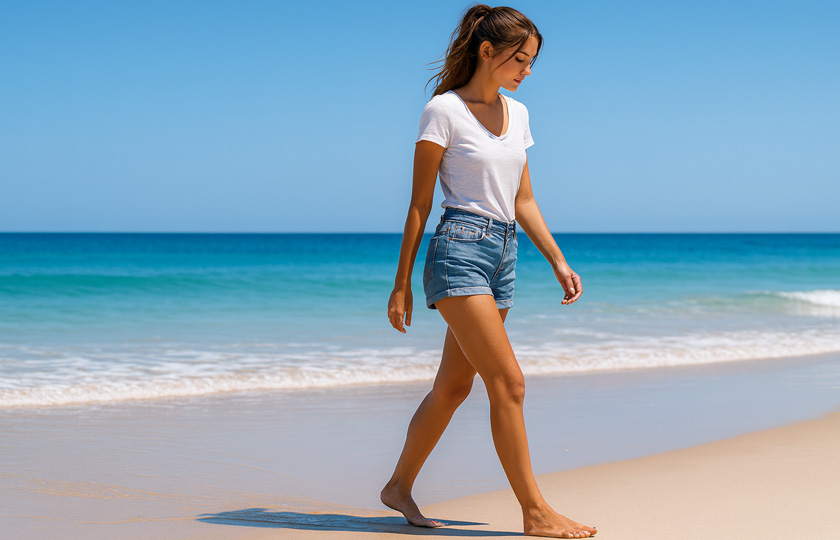
On the Gold Coast, this comfort blends seamlessly with the environment. Warm ground, soft grass, timber decks, sunlit pavements and sandy edges create a sensory thread that runs through the day. It's not just practical; it feels like living correctly for the climate.
The Partner Factor: Evening Routine, Massage and Shared Comfort
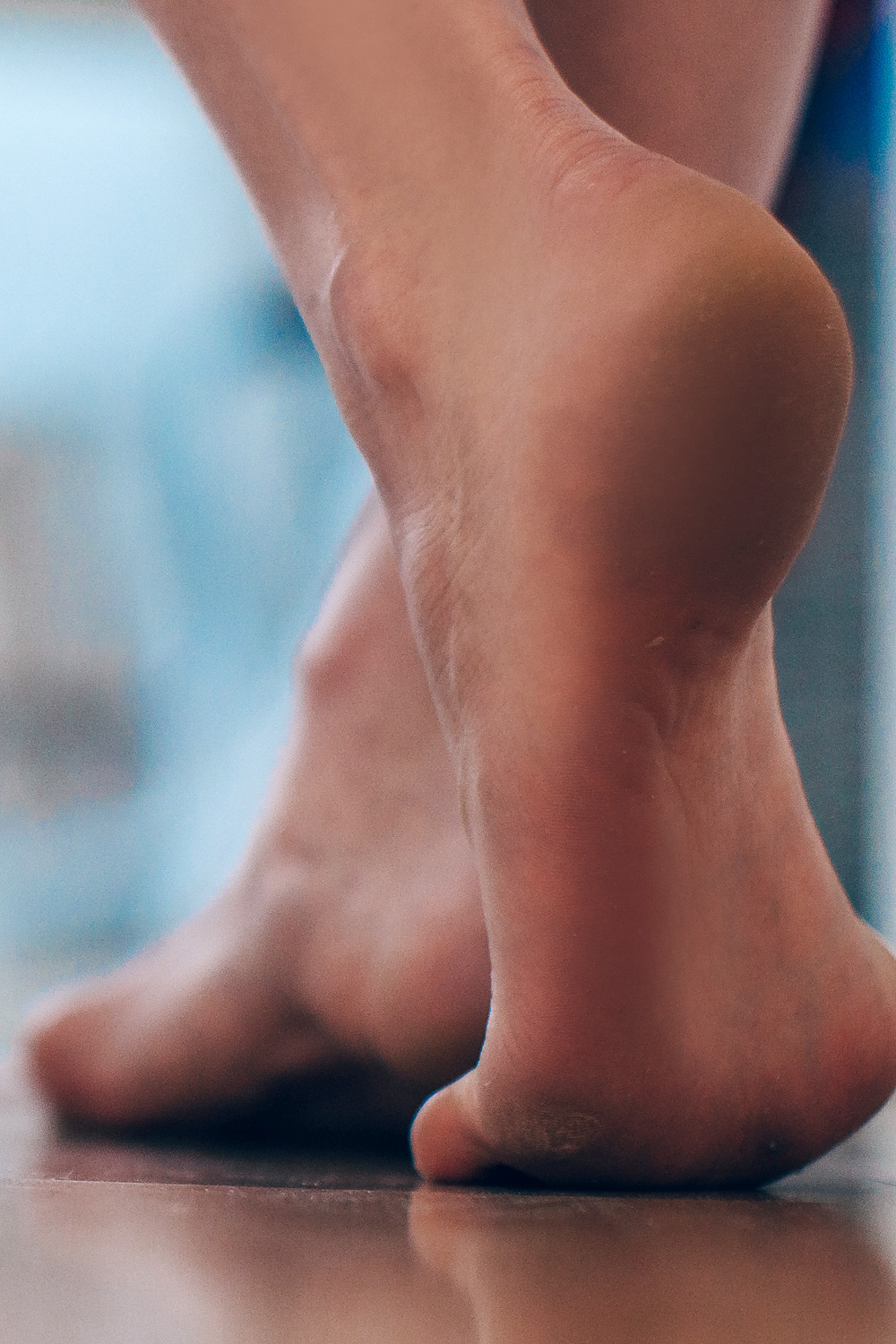
After a long barefoot day, many boyfriends quietly wonder the same thing: how clean are her feet when she gets home, curls on the sofa, and rests them on him? The honest answer is simple: clean enough for practically anything, as long as she's rinsed or wiped them at some point.
Most barefoot Gold Coasters come home with soles that are dusty rather than dirty. A quick wipe with a damp cloth removes the cosmetic dust instantly. A proper wash with soap takes care of everything else. Once clean, her feet should be naturally firm and lightly leathery, with light calloused patches on the heel and ball, a soft grain across the arches, and a springy, grippy resilience under the toes - a texture many boyfriends actually prefer, because the everyday intimacy of a relationship - touching her feet, a casual foot rub after dinner, to feeling them rest against him on the couch, simply feels more real and connected when her soles carry the healthy texture of a barefoot day rather than the pruned softness shoes create.
And when she stretches out and he massages her feet while they watch TV, it's not unhygienic in any meaningful way. People touch far dirtier things without thinking twice. Clean skin is clean skin, no matter what it walked on before a wash - and it's just as hygienic to handle the things her feet have touched, like the flattened boxes she's crushed and he carries out to the bin. Dust isn't danger; it's simply part of daily life on the Coast.
That small nightly intimacy - her feet up, his hands easing out the last bit of tension - is part of the barefoot lifestyle too. It's a quiet, natural form of closeness, grounding two people in the same calm evening rhythm.
If you're the partner, you'll start to notice things she never pauses to see in herself: how the colour of her soles grows a little deeper through the day, reflecting everywhere she's been barefoot; how the light callouses at her heel and ball pick up tiny flashes of light when she crosses her feet; how her arches stay smooth and defined even after hours of walking; and how her toes relax in a slow, unguarded way the moment she finally stops moving. When she puts her feet on you, you feel the real texture of her day - not just the firmer edges from hard paths or the faint grain from timber decks, but the marks of everything she's used them for: crushing unwanted boxes, steadying herself on the driveway, nudging things into place, handling the odd insect with a quick foot press, even the subtle polish that comes from barefoot driving. None of it is unhygienic or unusual; it's simply the honest surface of someone who lives barefoot on the Coast. And once you start noticing these little cues, they add a depth of understanding that doesn't need words - because for humans, the soles of our bare feet are a quiet reflection of how we move through the world. In her case, they're a small, everyday reminder of the life she leads on the Coast, and one of those quietly human details you only learn by being close to someone.
The Real Risks: What Actually Matters
A barefoot lifestyle isn't risk-free, but the risks are rarely the ones people imagine.
Minor cuts, stubbed toes or stepping on sharp debris are the main concerns, and they're usually managed naturally by experience. People who live barefoot all day simply learn to look down occasionally, to sense texture, to read surfaces before stepping. Their reaction time becomes faster, their balance improves, and they avoid hazards instinctively.
Hygiene risks, on the other hand, remain extremely low as long as basic washing happens daily. Skin remains healthy. Nails grow normally. Odour is almost nonexistent because the skin stays dry and exposed rather than enclosed in sweat.
Shoes create more bacterial growth in a single hour than bare feet collect in an entire day.
The Evening Reset: Clean Skin, Calm Body, Rested Mind
At night, everything returns to neutral. A warm wash or shower resets the skin completely. The day's dust rinses off in seconds. The skin softens, the mind relaxes, and the body returns to a clean, comfortable baseline.
People who live barefoot often report that their feet look healthier than when they wore shoes daily: fewer calluses, smoother skin, more natural colour, and less irritation. The repeated cycle of exposure, movement and cleaning keeps the skin in a steady balance.
It's the simplest routine in the world, and it works.
So How Healthy Is It Really?
Far healthier than most people assume. In fact, for many people, far healthier than wearing shoes all day.
A barefoot lifestyle on the Gold Coast is clean, natural, and well suited to the climate. The feet stay cool and dry, the skin stays breathable, and daily washing keeps everything hygienic. The posture improves, the body moves better, and the mental ease becomes part of everyday life.
It's not a fad and it's not bold; it's simply a comfortable way to live in a warm coastal city where the outdoors is clean, hard, sunlit and made for skin.
For anyone curious, it may be the healthiest comfort habit you never realised was right in front of you.
You might also like



Disclaimer: Every effort has been made to ensure the accuracy of the information provided, but we make no guarantees regarding its completeness or reliability. The data is presented for general informational purposes only and does not constitute financial, investment, or legal advice. We are not liable for any errors, omissions, or consequences arising from its use. Users should verify details with relevant sources and seek professional advice where appropriate for the most accurate and up-to-date guidance.