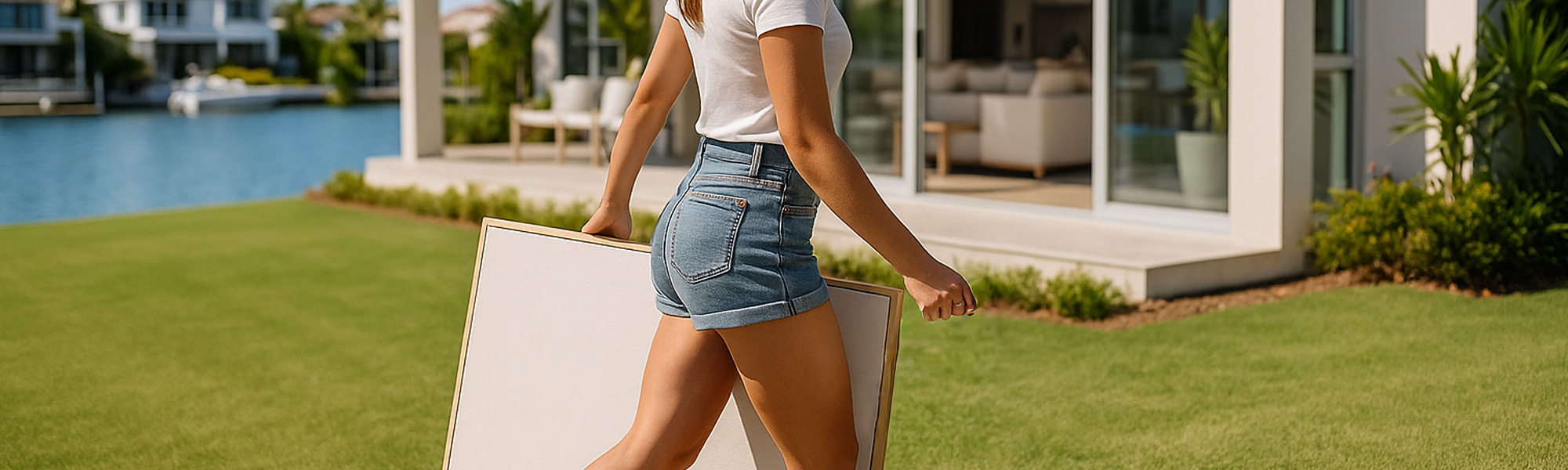
Artwork stays in our homes longer than almost anything else. It sits quietly on the wall as seasons pass, rooms change colour, furniture gets replaced and the family grows around it. Yet artwork is also one of the hardest things to part with, simply because it feels personal. We hesitate. We overthink. And in a bright coastal city like the Gold Coast, where sunlight, humidity and salt-air reshape materials far faster than most people expect, that hesitation often leaves us living with pieces that have well and truly outlived their place.
Letting go of artwork isn't a controversial act. It's a normal part of keeping a home feeling intentional, calm and uncluttered. When done with a little care, the process becomes surprisingly positive. The key is understanding what can be sold, what can be gifted, what needs to be destroyed, and why each category matters.
Understanding What You're Dealing With
Before making any decisions, it helps to pause for a moment and look at the nature of the artwork itself. Not all pieces are equal, and some deserve a second glance.
As a cautionary rule, anything that is an original painting, a hand-signed artwork, or a limited print by a known artist is worth checking with an art dealer before you let it go. Even something you've stopped noticing on your wall may hold quiet value, particularly if it was bought from a gallery or has an artist's signature that's more than decorative.
On the other hand, large commercial prints - the kind sold in bulk at homewares stores or big-box retailers - rarely hold resale value and often deteriorate faster in a coastal climate. When these pieces fade, warp or show signs of mould, the most sensible approach is to destroy and dispose of them responsibly.
Once you understand what falls into each category, the path forward becomes clear.
What's Worth Selling or Re-Homing
Some artwork genuinely earns a second life. Pieces that still look modern and undamaged often appeal to Gold Coast home stagers, Airbnb hosts, renovators and designers who need affordable decorative elements. Prints in neutral palettes, contemporary abstracts, and large canvases in clean condition tend to find new homes quickly.
Selling privately is straightforward, especially if you provide clear, bright photos that show colour accuracy and any small imperfections. Many buyers are simply looking for something large enough to fill a wall or cohesive enough to tie a room together during styling. Having a professional review it for value first is always a good idea.
Donation is equally valuable. Op-shops on the Coast move decorative art at a steady pace, and community theatres, schools, neighbourhood centres and art classes often accept pieces that can be used for props, events or practice surfaces. Re-homing your artwork into the community can feel like the perfect middle ground: you lighten your own space while giving someone else a small moment of discovery.
What Should Be Destroyed and Thrown Away
The Gold Coast climate is beautiful, but not kind to artwork. Sunlight bleaches pigment, humidity loosens canvas, and salt-air creates subtle discolouration that can't be reversed. Anything that has warped, faded beyond recognition or grown mould simply shouldn't stay in your home, and it certainly shouldn't be donated.
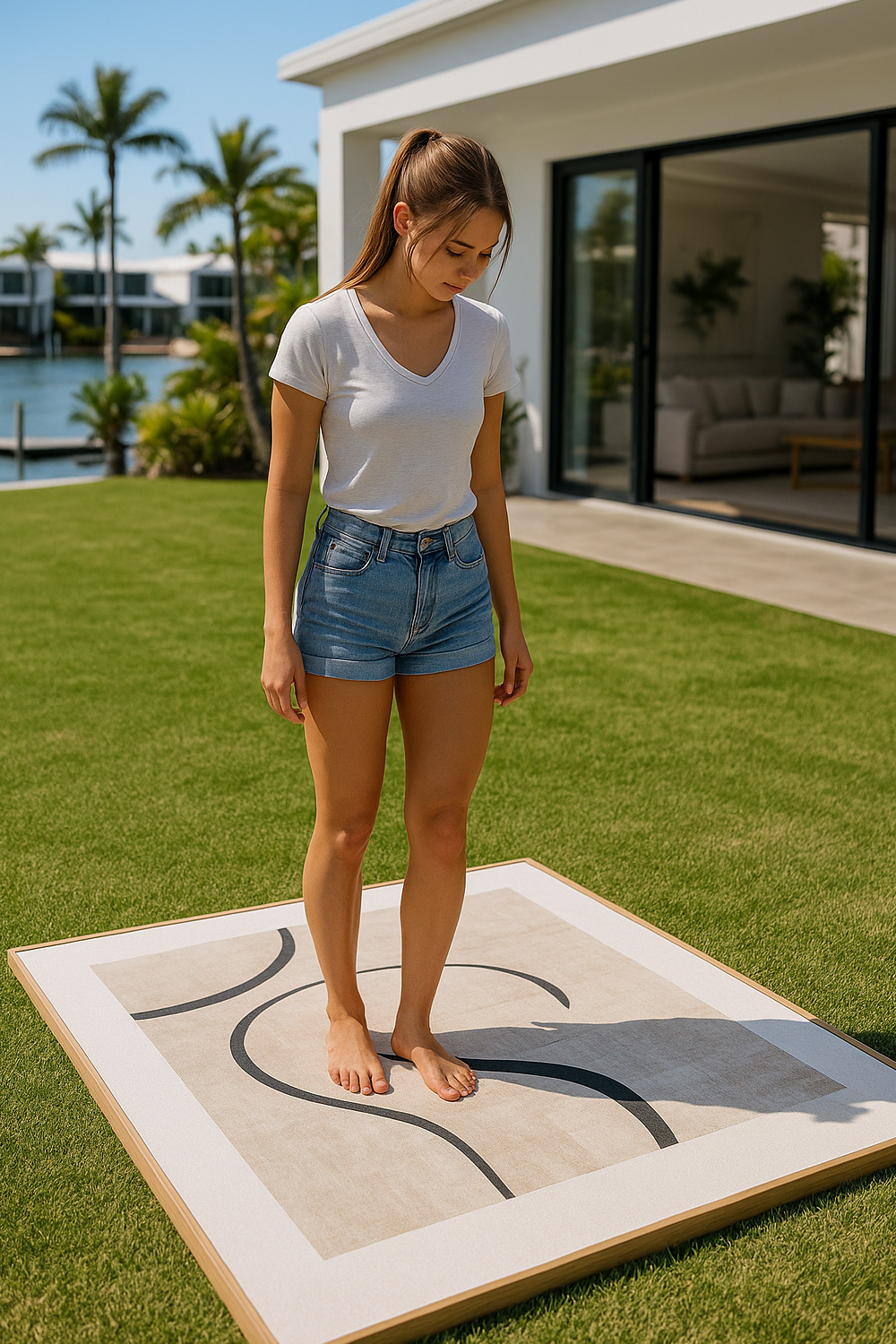
When an artwork has reached the end of its life, the goal is simply to make it manageable enough to dispose of responsibly. You don't need tools, you don't need to cut anything, and you definitely shouldn't try to break glass. The safest approach is to take the piece outside onto a patch of lawn, where the grass cushions the pressure and keeps everything stable.
Canvases are the simplest to reduce in size. Lay the piece upside down on the grass with the painted surface face-down. Wearing shoes, stand behind it and begin stomping firmly along the timber frame. Work your way right around the edge, following the line of the wooden stretcher bars. Then move inward and stomp along the cross-supports if the canvas has them. The lawn helps the frame flex as you use your feet, and after a few heavy stamps they snap and the structure collapses. The moment the frame gives way, the canvas loses its tension and becomes a soft sheet that folds easily into a compact bundle. From there, it fits comfortably into your household rubbish bin or the boot of the car for a simple trip to the tip.
Commercial board-mounted prints, the rigid poster-style pieces, fold down without danger. Lay them face-down on the lawn and apply slow, even pressure with your feet through the centre until the board bends. If doing this with your bare feet for extra grip, be careful that it is of a material that bends – like cardboard - and doesn't snap. Once the first crease forms, you can fold the material into smaller sections that fit neatly into the bin or car. Because there's no glass involved, the process stays safe and predictable.
By the time you've finished, the artwork is no longer a bulky wall piece - it's simply material that stacks neatly into a council bin or rests flat in the boot for a quick tip run.
Framed prints require a different approach because of the glass. Do not try to break the glass, even on grass. The safest option is to take the entire piece to the tip whole. It takes a little more space in the car and a moment more effort, but it avoids any risk of injury. If the frame is very large, carrying it flat and supporting the weight from both sides keeps the glass stable until you reach the disposal area. Tip staff handle framed glass items every day and will direct you to the correct drop-off point.
When Emotions Make It Harder Than It Needs to Be
Artwork is unusual because it accumulates emotional weight, even when it wasn't valuable or meaningful when purchased. People hesitate out of a quiet sense of guilt, especially when dealing with children's artwork or pieces that have been around long enough to feel woven into the rhythm of the home.
Digitising children's artwork can resolve much of this tension. Taking clear photos allows you to preserve the memory without storing piles of paper that inevitably fade, yellow or attract moisture. Keeping one or two truly special pieces and letting the rest go is a far more peaceful experience once you have the digital versions saved safely.
And when it comes to adult artwork, remember that letting go isn't disrespectful. It's simply acknowledging that your home evolves. A piece you bought a decade ago for a different life stage may no longer reflect your taste, and removing it is part of keeping your space aligned with who you are now.
When the Climate Makes the Decision For You
Homes on the Gold Coast are bright, humid and salt-kissed, and artwork shows those effects early. Canvas slackens, colours drain, frames swell, and paper-based prints start to ripple. That doesn't mean your home is doing something wrong - it simply means you live in a coastal environment.
Letting go of damaged artwork becomes an act of maintenance, not loss. It's no different to replacing towels that have gone thin or cookware that no longer performs. Accepting this makes the process calm and matter-of-fact. Once a deteriorated piece leaves your home, the visual freshness is immediate.
Knowing When to Let the Walls Breathe
The best approach is to gather everything in a bright room and give yourself a single, focused moment to assess it. Lean canvases against the wall, lay children's artwork flat, and sit with each piece for a few quiet seconds. Instinct often speaks more honestly than overthinking. If a piece no longer feels right, its time has passed.
What stays will feel intentional and calming. What goes will feel like a welcome exhale of space. Your walls will breathe again, and your home will gain the clarity that only comes from letting outdated or damaged artwork move on, whether through selling, gifting or a final trip to the tip.
In the end, clearing old artwork is not about throwing things away. It's about honouring what served you, recognising what no longer does, and giving your home the calm, modern breathing room it deserves.
How to Get Professional Advice When You're Unsure
Every so often, an artwork deserves a closer look. If a piece is an original, a signed work, or a limited print by a recognised artist, it's sensible to get a professional opinion before selling or disposing of it. The process is far simpler than most people expect. Start locally. Many Gold Coast galleries and framing studios are familiar with regional artists and can point you in the right direction. A short conversation or a quick look at a photo is often enough for them to tell you whether a piece is decorative or something that should be assessed properly.
If the artwork seems potentially valuable, an art dealer or valuer can give formal advice. Reputable valuers follow national standards, work with clear fees, and will explain whether the piece warrants conservation, resale or specialist handling. You don't need to hand the artwork over on the spot; most dealers begin with images sent by email. They're used to assessing condition, signatures, editions and provenance remotely, and will tell you honestly if the piece is not worth pursuing.
The important thing is that the advice feels grounded and local. A quick check with someone who knows what they're looking at gives you confidence in your decision. If they confirm the artwork is decorative or commercially produced, you can let it go without doubt. If they see something more, you'll know it's been handled responsibly.
In the end, disposing of worn-out artwork is simply part of living in a bright coastal environment. Sunlight, humidity and age take their toll, even on pieces that once looked sharp and vivid. Holding on to prints that have already deteriorated doesn't preserve anything meaningful - it just clutters storage and delays the inevitable. Breaking them down yourself, whether it's a canvas frame or a cardboard-backed print, is quick, safe and far easier than most people expect. A few minutes on the lawn and few stomps with your feet turns bulky, sagging artwork into tidy, compact bundles that are simple to transport and responsibly dispose of at the tip. It's a small, practical household habit that keeps your home clear, reduces wasteful hoarding, and lets old pieces make way for something new.
You might also like



Disclaimer: Every effort has been made to ensure the accuracy of the information provided, but we make no guarantees regarding its completeness or reliability. The data is presented for general informational purposes only and does not constitute financial, investment, or legal advice. We are not liable for any errors, omissions, or consequences arising from its use. Users should verify details with relevant sources and seek professional advice where appropriate for the most accurate and up-to-date guidance.