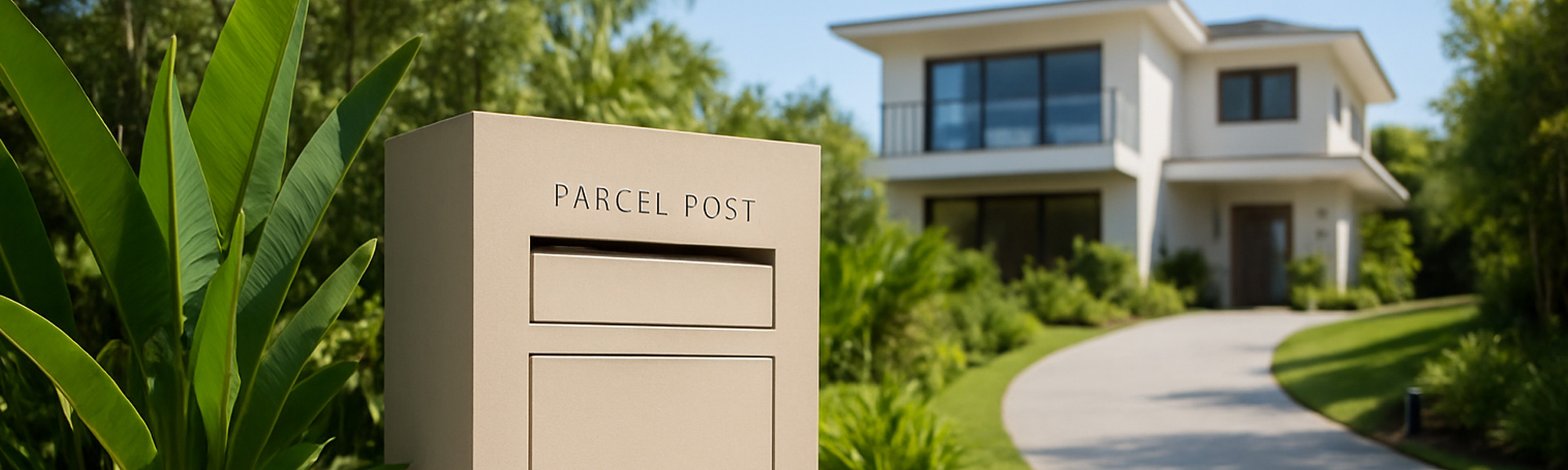
A letterbox is one of those household essentials that quietly says a lot. It's a small structure, but it carries big visual weight - it's often the first element visitors notice, the last thing a courier sees, and the daily link between your private world and the street. On the Gold Coast, where architectural styles range from coastal minimalism to lush hinterland hideaways, a well-chosen letterbox helps anchor your home to its setting while adding personality and polish.
This guide takes you through every step - from materials and placement to styles, sizes, and features - to help you choose one that fits your home perfectly.
Start with Purpose: What Will It Need to Do?
Before you get lost in materials and finishes, think about how your letterbox will actually be used. Do you receive only standard mail, or a steady stream of small parcels and magazines? Will the box face full sun and salt spray, or sit under a tree that drops leaves and sap?
The answers shape everything that follows. Consider:
- Capacity: If you're often away, choose a deep box with internal space for a week's worth of mail or parcels.
- Access: Rear-opening designs keep your feet off the verge and your back dry on rainy days.
- Security: Lockable boxes prevent tampering and protect sensitive mail.
- Visibility: Numbers and design should be easy to read from the street, both day and night.
A letterbox that works well makes life easier - and avoids the daily annoyance of sticking flaps, damp letters, or deliveries tossed onto the lawn.
Main Types of Letterboxes
There are several main formats, each with their own advantages, maintenance considerations, and visual impact.
Post-Mounted Letterboxes
The classic single-post letterbox remains a favourite for its simplicity and ease of use. The box sits neatly on top of a metal or timber post, making it quick to install and simple to replace when needed. It suits open lawns, uncluttered frontages, and rural-style homes where space and accessibility are priorities. Its main advantages are low cost, straightforward installation, and a minimal footprint that keeps the front yard looking tidy. For the Gold Coast climate, it's worth choosing a galvanised or powder-coated steel finish to prevent rust, and making sure the post is concreted deep enough to stay upright after heavy rain.
Freestanding (Monument-Style) Letterboxes
Also known as pillar, plinth, or monument letterboxes, these designs are true statement pieces - solid, architectural, and often built as part of the landscaping itself. They're commonly made from rendered brick, concrete block, or fibre-cement panel finished to match the home's façade, creating a cohesive, high-end look. Many incorporate inset house numbers, a recessed light, or a parcel compartment for added practicality.
These larger, sculptural boxes visually anchor the driveway or entry, provide extra protection from the weather, and allow space for creative finishes like tiles, stone cladding, or decorative render. They're ideal for prestige homes, corner blocks, and properties with strong architectural lines where the letterbox becomes part of the home's overall design language.
Wall-Mounted Letterboxes
Wall-mounted letterboxes are perfect for homes where fences or boundary walls define the frontage. They mount directly into or onto the wall, creating a clean, minimalist look that blends seamlessly with modern architecture. There are two main types - flush-mount designs, where the mail slot and internal box are built into the wall cavity for a streamlined appearance, and surface-mount versions, where the box sits externally on the wall for easier installation.
They work especially well for urban and coastal homes with rendered or battened front walls, offering a secure, weatherproof solution that doesn't require separate foundations. For everyday convenience, install the slot at a comfortable standing height for the postie - ideally between 900 and 1100 millimetres above ground level.
Fence-Integrated or Brick Pier Letterboxes
For homes with masonry or slat fencing, a fence-integrated or brick-pier letterbox offers a seamless, built-in look. The box is recessed within a brick pier or fence column, aligning neatly with the front boundary and keeping the design clean and uncluttered. This approach works beautifully for contemporary homes where privacy and visual harmony are priorities.
A recessed design is both practical and discreet - it keeps the mailbox out of sight from the street while allowing easy rear access, so mail can be collected from inside the yard. To finish it well, use matching mortar or render to blend the insert with the surrounding wall, and choose contrasting steel or bronze house numbers to give the design subtle definition and polish.
Smart and Parcel Boxes
With online shopping now a part of everyday life, parcel-safe letterboxes have become increasingly popular. These modern designs include larger, lockable compartments with internal dividers that allow couriers to drop parcels securely inside - once delivered, they can't be removed without a key or access code.
There are several security options available, including traditional key locks, combination dials, and even smart systems with app-connected sensors that send phone alerts when new mail or parcels arrive. For coastal areas like much of the Gold Coast, it's worth investing in powder-coated aluminium or marine-grade stainless steel to resist corrosion and ensure the box stays looking sharp for years to come.
Material Matters
The Gold Coast's climate demands durability. High UV exposure, salty breezes, and heavy rainfall can quickly degrade poor-quality finishes.
Popular materials include:
- Powder-Coated Steel: Sleek and modern, available in every colour from white to charcoal. Look for thick coatings and UV-stabilised finishes.
- Stainless Steel: Premium and corrosion-resistant - ideal for coastal suburbs. 316 marine grade is best near salt spray zones.
- Aluminium: Lightweight, rustproof, and great for contemporary designs.
- Brick or Concrete Block: Solid and timeless, perfect for rendered or painted finishes that match the house façade.
- Timber and Composite: Adds warmth and texture. Always choose weatherproof hardwood or sealed composite for longevity.
- Corten (Weathering Steel): Develops a natural rusted patina over time, giving a sculptural, earthy look that suits hinterland settings.
Match the letterbox materials and finishes to your home's exterior details - things like fence slats, door handles, or feature panels. Coordinating these elements creates a cohesive, polished look that ties the whole frontage together and makes the letterbox feel like a natural part of the architecture.
Placement: More Than a Spot by the Driveway
The best position is one that's convenient, visible, and compliant with Australia Post guidelines (a slot between 900 mm and 1200 mm above ground).
- Visibility: Ensure it's easily seen from the street and not hidden by landscaping or parked cars.
- Access: Avoid steep verges or spots where water pools. Keep the area around the box level and tidy.
- Integration: Align it with the front gate, path, or fence line. Think symmetry - the letterbox should visually balance the property's entry.
- Lighting: A small recessed or solar light improves safety and makes it easy to locate at night.
On the Gold Coast, integrated design matters. Many newer estates include uniform guidelines for placement and style - check with your builder or body corporate before you pour concrete or dig holes.
Design and Styling Tips
Coordinate colours
Match the letterbox colour to your fence, roof, or trim. Monochrome tones like black, white, and warm greys remain timeless; timber inserts add warmth and soften modern designs.
Keep proportions right
A bulky masonry plinth in front of a light, breezy façade will feel heavy. Conversely, a tiny postbox in front of a grand two-storey home looks lost.
Personalise with restraint
Laser-cut house numbers, brushed stainless lettering, or soft backlighting look sophisticated - but skip novelty shapes or colours that date quickly.
Think of the view from indoors
If your letterbox is visible from a living or dining window, treat it as a garden feature. Add surrounding plants or a paved base for definition.
Don't forget safety
Avoid sharp edges near pedestrian areas, and make sure it's far enough from driveways so reversing cars won't clip it.
House Numbers and Identification
House numbers should be clear, large, and contrasting. Aim for at least 75 mm in height, with a non-glare finish. If your street has limited lighting, consider LED backlighting or solar illumination.
For added character, you can:
- Mount numbers vertically for a modern look.
- Use 3D raised lettering on rendered pillars.
- Match the finish to your fence hardware (e.g., matte black handle = matte black numbers).
Smart Touches and Finishing Details
Modern letterboxes can include:
- Motion or delivery sensors that send phone alerts.
- Soft-close hinges to prevent banging in wind.
- Drain holes or internal slopes to prevent water pooling.
- Rear key compartments or built-in parcel bins for deliveries.
- Inbuilt planters - perfect for low succulents or coastal grasses.
- Little touches like these add daily convenience and extend the life of the box.
Maintenance
A quick clean and inspection twice a year is usually enough.
- Wipe powder-coated and stainless boxes with mild soapy water.
- Reseal timber annually with UV-rated exterior oil.
- Check locks and hinges for corrosion or salt buildup.
- Clear cobwebs and leaves from slots or drainage holes.
Finishing Touches
A well-chosen letterbox is more than a mail drop - it's a finishing touch that ties your home together. The best designs combine function and style, standing up to the Gold Coast's weather while complementing the home's architecture and landscape. When proportions, materials, and details all align, the letterbox becomes quietly perfect - the kind of feature you barely notice until it works exactly as it should.
Choose one that's durable, secure, and in tune with your exterior palette, and it will reward you with years of effortless use and understated style.
You might also like


Disclaimer: Every effort has been made to ensure the accuracy of the information provided, but we make no guarantees regarding its completeness or reliability. The data is presented for general informational purposes only and does not constitute financial, investment, or legal advice. We are not liable for any errors, omissions, or consequences arising from its use. Users should verify details with relevant sources and seek professional advice where appropriate for the most accurate and up-to-date guidance.