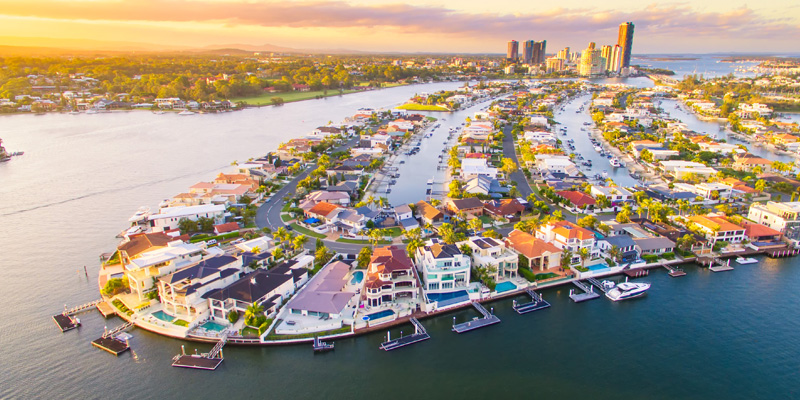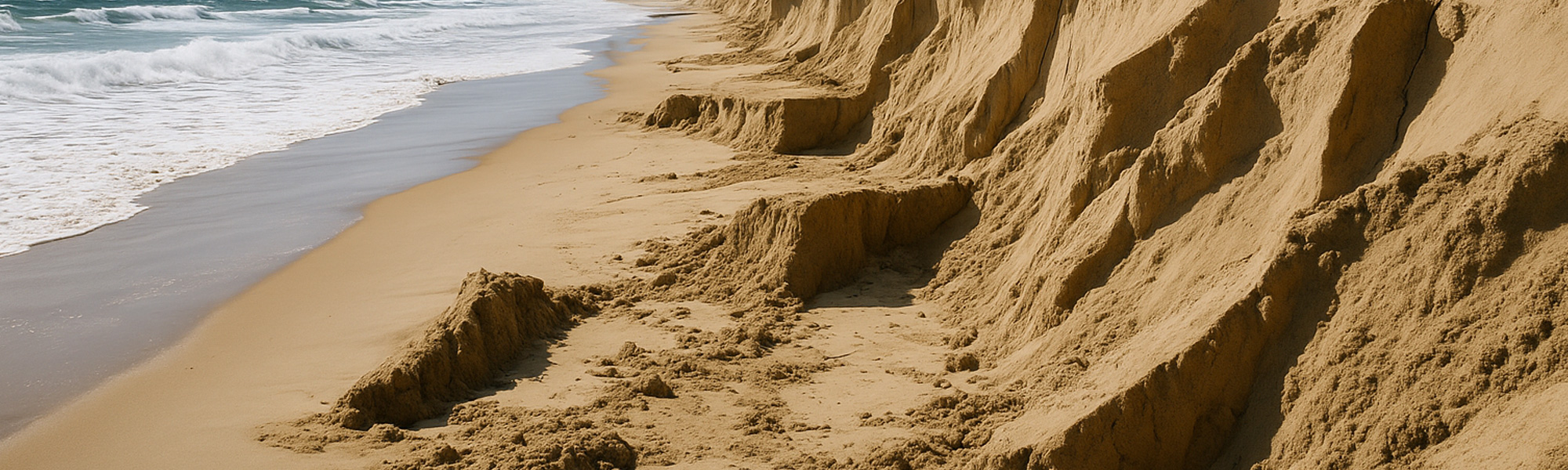
Stand on any Gold Coast beach on a calm afternoon and it feels timeless. The sand seems fixed in place, the shoreline familiar, the wide arc of surf as reliable as the sunrise. Yet the coastline here is anything but still. The sand shifts constantly, driven by tide, swell and wind, and in recent years the pace of that movement has become impossible to ignore. Deep scarps cut into dunes after storm seasons, walkways end abruptly where sand once sat level, and whole stretches of beach can narrow or re-form in the space of a few months.
For the property market, these changes aren't simply environmental curiosities. They influence confidence, long-term planning and the way buyers think about beachfront ownership. Coastal amenity still drives premium values, but the conversation around what the coastline will look like in ten or twenty years is becoming far more active.
Why the Coastline Keeps Changing
The Gold Coast sits on a long barrier system of sand - one of the most dynamic forms of coastline. Sand naturally moves northward under the influence of prevailing swell, and storm seasons temporarily pull that sand offshore before calmer weather gradually returns it. Under normal conditions, this cycle is healthy and predictable.
What has changed is the intensity and frequency of heavy weather. Larger storm systems, higher baseline sea levels and prolonged periods of energetic swell have meant that erosion often cuts deeper and recovers more slowly. When those forces coincide with built infrastructure positioned close to the active beach, the natural buffer shrinks. In some locations, the dunes that once held decades of stored sand can be stripped back in a single season.
Some beaches naturally cope better than others. Wide, gently sloping stretches recover quickly. Narrow sections of coast, or areas that sit within deep swell channels, can experience repeated losses year after year. These variations create a patchwork of risk across suburbs that, on the surface, all appear equally picturesque.
The Engineering That Keeps the Beaches in Front of the Suburbs
Although the Gold Coast feels like a natural paradise, it is supported by one of the most comprehensive coastal management programs in Australia. A huge amount of engineering goes unnoticed beneath the everyday beach experience.
A continuous system of sand bypassing near the Queensland-NSW border ensures that sand flowing north is not blocked by river walls. That sand is actively pumped to nourish southern beaches that would otherwise narrow dramatically.
Further north, a purpose-built pipeline quietly transfers sand from The Spit towards Surfers Paradise and Main Beach. During major erosion seasons, this network enables rapid replenishment, restoring beach width and rebuilding the dune buffer.
Offshore, engineered reefs built from large geotextile or rock structures help moderate wave energy and stabilise sand bars. Onshore, dune fencing, reshaping and native replanting strengthen the natural line of defence between the ocean and built assets. Together, these systems form a layered approach: shift sand where it's needed, soften wave impact, rebuild dunes, and maintain beach width for recreation and protection.
For the market, this management is essential. Buyers increasingly look not just at the home and the view but at the coastal system supporting that view. A beachfront that sits within an active nourishment program signals stability; one that relies solely on natural recovery can be more unpredictable.
Short-Term Damage vs Long-Term Risk
After a major storm, images of eroded dunes and narrow beaches can spark alarm. In many cases the beach is simply in the erosion phase of a natural cycle and will rebuild over the following months. For investors, the challenge is distinguishing between temporary impacts and structural vulnerability.
Long-term change is more complex. Rising sea levels, stronger storm patterns and increased pressure on nearshore sand supplies mean that some beachfront areas may face ongoing exposure. Local governments are responding with refined hazard mapping, updated planning controls and detailed shoreline strategies, but properties closest to the ocean will inevitably face higher scrutiny from builders, insurers and valuers.
Insurance premiums, in particular, are emerging as a quiet market signal. Homes with elevated exposure to coastal hazards may see premiums rise more sharply than neighbouring properties, which can influence long-term holding costs and resale appeal. Over time, this shift will become more apparent across mortgage lending, renovation planning and buyer decision-making.
What Smart Buyers Are Looking For
The coastal dream is still as powerful as ever, but due diligence expectations have changed. Buyers now look beyond glossy imagery to understand how a beach is managed and whether the coastline in front of a property is stable, nourished or historically volatile.
Key considerations include whether the beach sits within an active sand nourishment or bypassing zone, the presence and condition of engineered dunes, rock revetments or seawalls, historic aerial imagery showing shoreline movement, council hazard overlays and long-term management plans, and the elevation and resilience of the building itself - and understanding these indicators doesn’t diminish the appeal of coastal living, it simply clarifies where the purchase sits on the spectrum between lifestyle indulgence and long-term security.
The Market Outlook
Despite occasional dramatic erosion events, demand for premium coastal property remains remarkably strong. Views, proximity to the beach and local amenity continue to outperform most other factors. What is beginning to shift is the sophistication of the conversation. Buyers want confidence that the coastline is supported by robust, ongoing management. Sellers who can demonstrate that their property benefits from engineered stability or sits behind a well-maintained dune system are increasingly well positioned.
The Gold Coast will always be a coastline in motion. That movement is part of its energy, its beauty and its character. What matters for the market is not whether the sand shifts - it always will - but how effectively each stretch of beach is supported, nourished and prepared for the seasons ahead.
As the shoreline continues to evolve, the most successful market participants will be those who treat coastal dynamics not as a threat, but as a fundamental part of understanding value on one of Australia's most iconic beachfronts.
This article provides general information about coastal processes, erosion behaviour and current management practices on the Gold Coast. It is not technical, engineering or financial advice. Readers should seek professional guidance from qualified coastal engineers, surveyors, planners or relevant authorities before making decisions related to beachfront property, construction, investment or land management. Coastal conditions change over time, and local council updates or state policies may alter recommended practices.
You might also like






Disclaimer: Every effort has been made to ensure the accuracy of the information provided, but we make no guarantees regarding its completeness or reliability. The data is presented for general informational purposes only and does not constitute financial, investment, or legal advice. We are not liable for any errors, omissions, or consequences arising from its use. Users should verify details with relevant sources and seek professional advice where appropriate for the most accurate and up-to-date guidance.