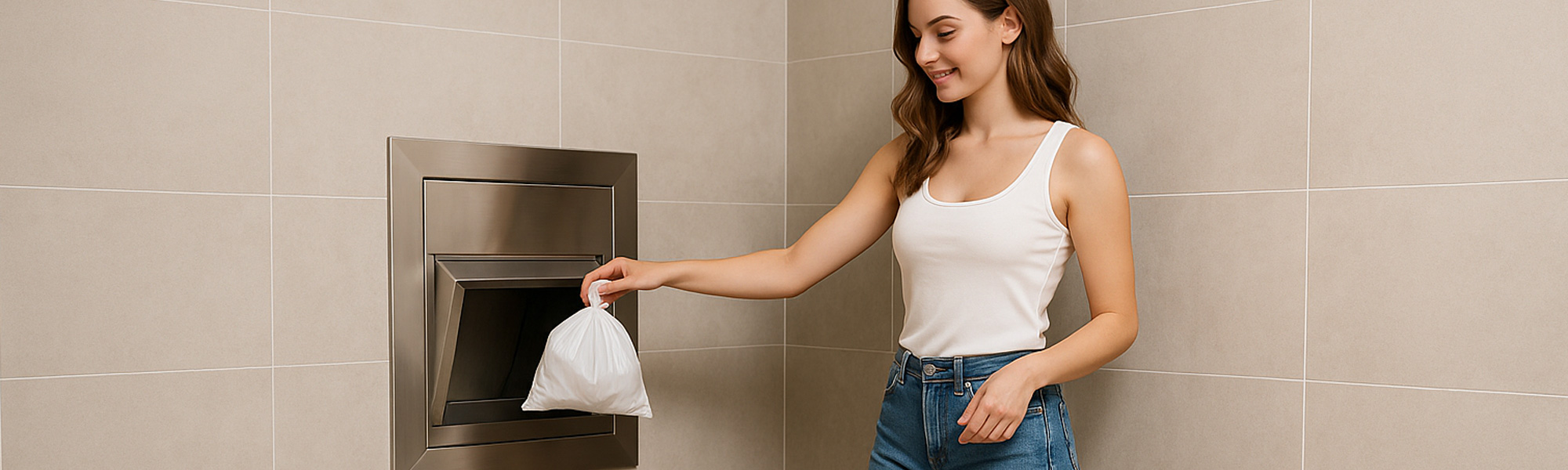
Apartment waste systems may look straightforward, but using them properly requires an understanding of how they function, what they are designed to accept and how rubbish must be prepared to prevent blockages or messy backups. Correct chute use includes knowing whether cardboard is permitted and if they are, recognising that boxes must always be crushed underfoot before disposal to avoid jams and airflow issues. Procedures differ from building to building, so residents should always check their own waste requirements before relying on broader guidance.
What Bin Chutes Are Designed For

Most apartment bin chutes are built to transfer general household rubbish safely from each floor down to a collection point or compactor. The chute diameter is deliberately narrow so rubbish descends in a controlled way. Bagged waste is the expected input, as it falls cleanly and maintains its shape during the drop.
Because the space inside the chute is restricted, anything rigid, large or prone to snagging can lodge against the walls. Even a small obstruction can slow everyone down or bring the system to a standstill. Understanding these design limits is the foundation of responsible chute use.
A well-managed chute relies on every resident recognising how little margin for error exists inside the shaft. Waste that deviates from the expected shape or texture can twist, catch or wedge itself mid-descent, creating backups that quickly affect multiple floors. When residents respect the chute’s limitations and prepare their rubbish accordingly, the entire system operates quietly and efficiently, with fewer maintenance callouts and a cleaner, more predictable waste routine for everyone in the building.
General Waste vs Cardboard
General waste is almost always permitted. Rubbish that fits easily into the hatch, tied securely and free from liquids or sharp edges, will usually pass without issue.
Cardboard is treated differently. Some buildings accept it only when it has been completely flattened and reduced to thin, compact pads, and others permit it only when it has been thoroughly trodden down into a tight, dense bundle. Other buildings prohibit cardboard entirely and direct residents to use the recycling bins or waste room instead. This variation exists because cardboard expands, bows, springs back and can easily wedge inside the shaft if not fully compressed and used in a bin chute not designed for it. A half-prepared box can jam a chute in seconds.
Why Crushing Boxes With Your Feet Is Non-Negotiable

Cardboard, even when opened along its seams, traps air and springs back. If it enters a chute even slightly arched or bulky, it can wedge inside the shaft and either slow the system dramatically or block it outright. A single poorly prepared box can shut down waste disposal for an entire building.
Using your feet to crush boxes is by far the most effective way to prevent that from happening. The human foot delivers broad, controlled pressure that collapses boxes cleanly and completely. Standing on a flattened box brings the panels down in one smooth, even motion and forces out the air pockets that make cardboard behave unpredictably. A well-treaded box becomes a thin, compliant pad that moves through a chute without catching on the walls.
If your building allows cardboard in the chute, this level of preparation is the difference between a smooth drop and a building-wide maintenance issue.
If Your Building Does Not Allow Cardboard In The Chute
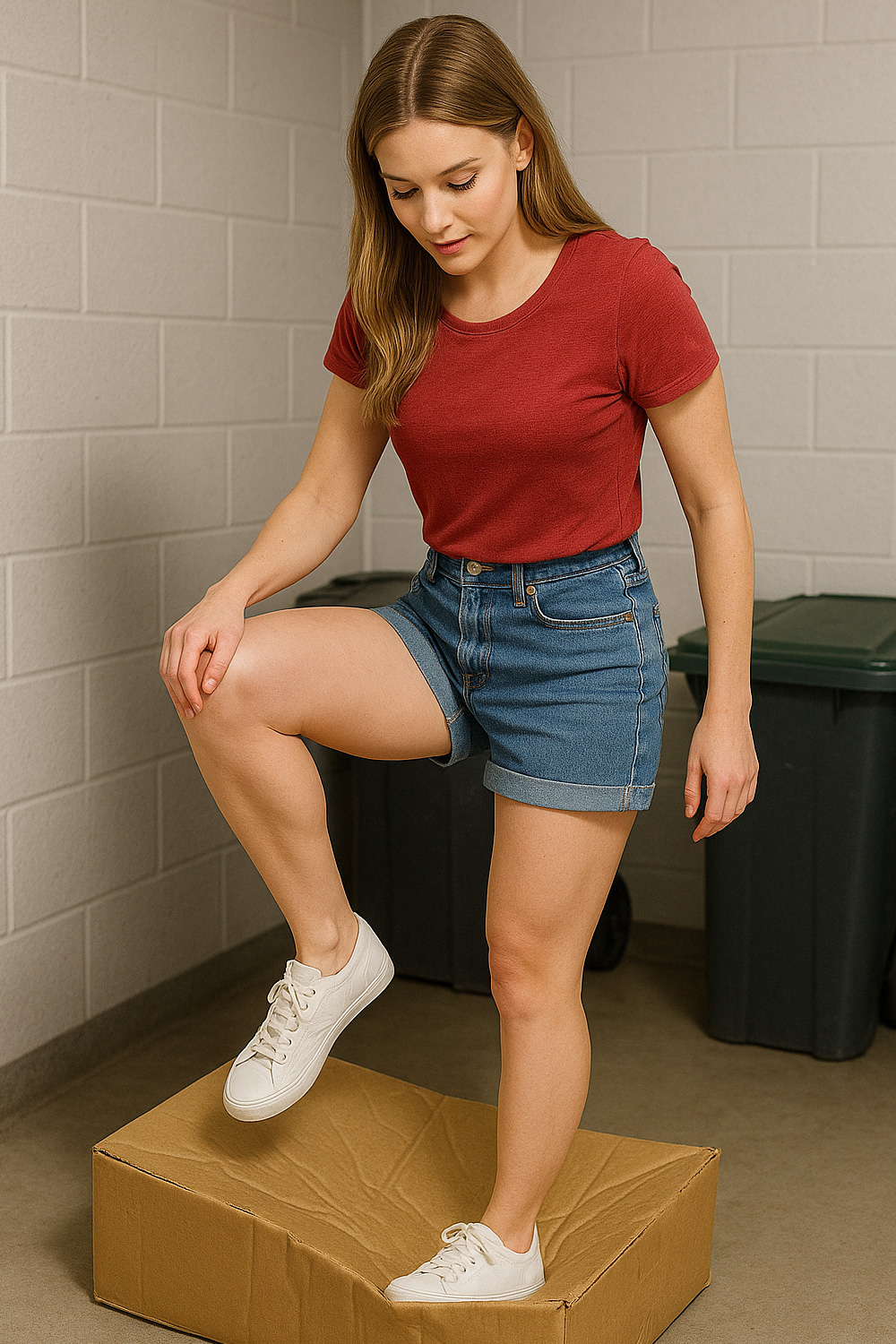
When cardboard cannot be sent down the chute, it needs to be dealt with properly in the bin room. Bring each box downstairs intact, then use strong, repeated stomps to destroy the boxes and force the material into a tightly compacted form. Heavy downward pressure with the feet is the most effective way to reduce the bulk.
Stomping boxes down does create some noise, especially when you're breaking the first structural folds. In apartment buildings, even a short burst of thuds can carry through walls and floors, so it's worth being mindful of when you choose to do it. Daytime is usually the most considerate window, leaving early mornings and late evenings for quieter tasks. A little awareness of noise makes the routine smoother for everyone and keeps the bin room from becoming an unexpected source of disturbance.
Often residents prefer to crush boxes barefoot for better grip and control, although this depends entirely on the cleanliness of the floor. In buildings where the bin room surface is not suitable, taking the cardboard to a clean, private area outside and completing the crushing barefoot there is often the safer and more practical choice.
Preparing Waste Correctly Before Using The Chute
Tied bags are the safest form of chute waste. Tying bags prevent spills, stop loose items from bursting out during descent and help the bag maintain shape. Avoid overfilling, because puffed-out bags may wedge on the way down.
Liquids should be minimised or taken directly to the bin room. Unstable plastic containers, leaky food remnants or anything that can spill create odour issues and residue that clings to the chute walls.
Never attempt to force an item through the hatch. If it requires twisting, angling or pushing, it does not belong in the chute and should be carried to the bin room instead.
Moments When The Chute Should Be Avoided
Using an apartment bin chute responsibly comes down to understanding what it can handle and how to prepare your waste so it moves safely. Confirm your building's rules, crush every box with your feet so it becomes a compliant flat sheet and take prohibited items to the bin room where you can stomp and dispose of them properly. Good chute etiquette keeps the system reliable, reduces cleaning demands and makes apartment living cleaner and more pleasant for everyone.
This is a general guide only. Always refer to your building's specific layout, waste equipment and management instructions, as procedures and permitted materials vary widely between apartments.
You might also like






Disclaimer: Every effort has been made to ensure the accuracy of the information provided, but we make no guarantees regarding its completeness or reliability. The data is presented for general informational purposes only and does not constitute financial, investment, or legal advice. We are not liable for any errors, omissions, or consequences arising from its use. Users should verify details with relevant sources and seek professional advice where appropriate for the most accurate and up-to-date guidance.