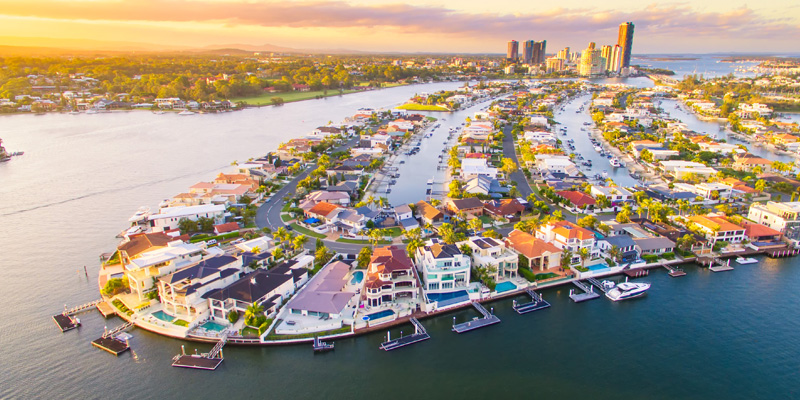
The Gold Coast is one of those places that reveals itself slowly. Holidaymakers see beaches and bright skies, but people who live here know it has its own quiet rules, its own tempo, its own strange and beautiful habits that shape the day. Some of them are practical, some cultural, some simply born of weather and water. They're rarely written down, but once you learn them, you begin to feel like you're moving with the city rather than against it.
Living here makes you notice patterns you might have missed at first - how mornings unfold, how the water shifts, where people go when the wind turns, which cafés open early and which beaches feel best on a southerly. These subtle details form the rhythm of the Gold Coast long before you consciously recognise them.
The Beaches and the Unspoken Code
People talk about the beaches here as if they're living things. And in a way, they are. Conditions shift quickly, sometimes within minutes. Swimmers stay between the red and yellow flags because locals know how powerful the surf can be, even on days that look calm from the shore. When patrols close down for the day, everyone walks out of the water without needing to be told. No one swims at night. It's not negotiable. It's just how things are.
Dog beaches follow their own logic. Each stretch of sand has its rules and every local seems to know them. Some beaches allow off-leash freedom at all hours, others only at certain times, others not at all. There are people who will cross the entire suburb just to give their dog a run on the right patch of sand. These dog beaches tend to feel like little neighbourhoods of their own - relaxed, loud, social, full of salt and movement.
Then there are the beach showers. They're quick affairs. A fast rinse, a sweep of sand from legs and feet, and that's it. No shampoo, no long soaks, no claiming the stall like a hotel bathroom. People queue politely, half turning away while they wait, the way locals do when they know these facilities are for everyone.
Boardwalks and esplanades feel like extensions of the sand. In the early morning, they carry a humming mix of walkers, joggers, prams and surfers heading toward a break they've been watching since dawn. Paths in places like Burleigh and Currumbin develop a rhythm of their own. People fall into it instinctively, and you can tell who's visiting by the ones walking against the flow.
Surf clubs sit comfortably at the centre of coastal life. They're places for breakfasts overlooking the water, Sunday dinners after long beach days, quiet drinks at sunset with the smell of salt hung in the air. On weekend mornings, nippers fill the shoreline with bright caps and tiny boards, parents watching proudly while chatting with coffees in hand. The clubs are part social anchor, part community tradition, and part reminder that the coastline is looked after by people who genuinely live it.
Barefoot Culture and Coastal Ease
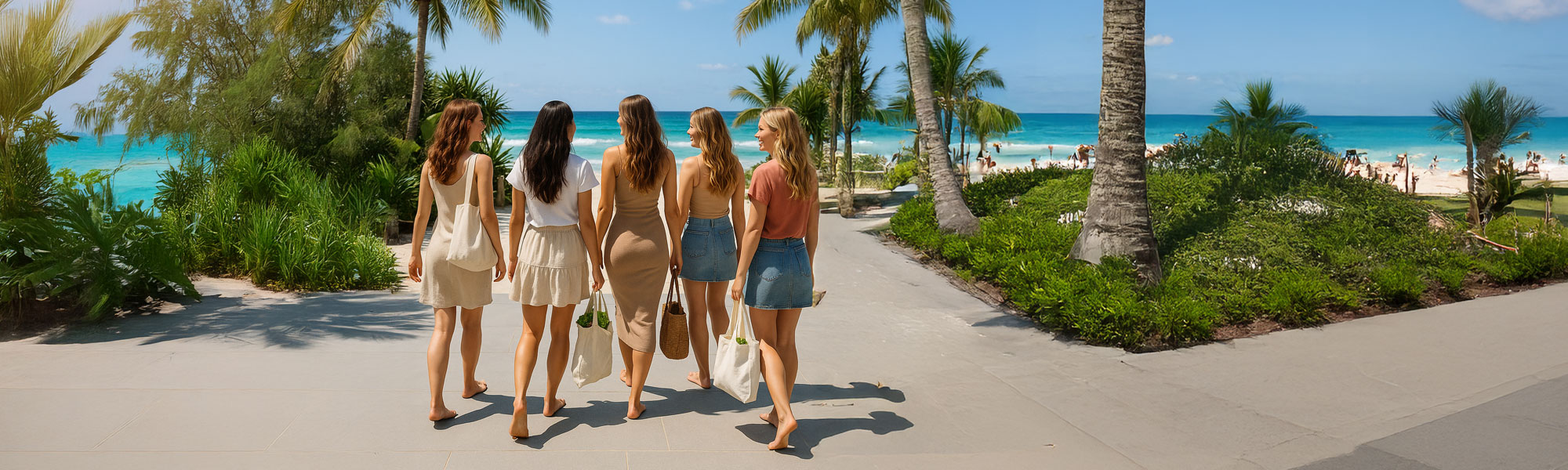
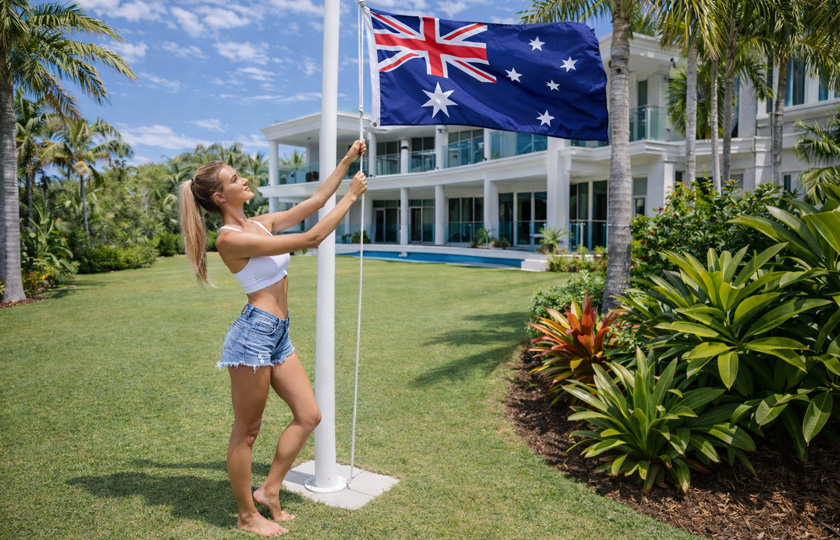
One of the first things newcomers notice is how many people don't wear shoes. Not at the beach - that's expected. Beyond it. Along the footpath. Into the bakery. Through the park. Sometimes through the whole morning routine. In Burleigh and Currumbin, no one looks twice. Palm Beach and Miami feel the same. Kids grow up barefoot, and adults never quite give up the habit. It's less a lifestyle choice and more a natural outcome of living near the ocean. Sand, water, concrete warmed by the sun - shoes just slow you down.
The Quiet Rules of Getting Around
Traffic here has its own moods. Locals know that certain stretches of the Gold Coast Highway are best avoided at particular times, and they know that some beaches lose parking spots before the sun is even fully up. They also know the subtle back routes: the comfortable ones through residential grids, the ones that bypass construction zones, the ones that skirt around Broadbeach when the city is hosting a major event.
The G:link tram is a quiet saviour for a lot of people. Anyone who needs to move between Southport, Surfers Paradise, and Broadbeach often jump on the tram rather than sitting in traffic. It's quick, it's simple and it drops you right where you need to be without circling blocks looking for parking.
During school holidays, the locals' routines shift. Many avoid certain beaches altogether, choosing instead to drive into the hinterland, visit waterfalls or spend a few hours in shaded creeks. The coast becomes its most chaotic version of itself in peak season, and the hinterland becomes a cooling escape - quieter air, calmer tracks, pockets of green where you can hear yourself think again.
Café Culture, Food and the Social Rhythm
Gold Coast café culture starts early. Properly early. By the time sunrise hits, you'll see surfers with wet hair waiting for takeaways, tradies ordering breakfast rolls, school-run parents grabbing their first flat white of the day. The morning energy carries a kind of optimism in it - the promise of a warm day, a swim at lunch, a walk later if the wind stays down.
Each suburb has its own distinct flavour. Miami's cafés lean quieter, more loyal, slightly understated. Burleigh wakes up like a city unto itself, buzzing before seven, especially around the hill and James Street. Palm Beach blends speciality coffee with local families in thongs and sun shirts, and Currumbin carries a low tide charm shaped by the creek and the casual, artistic feel of its residents.
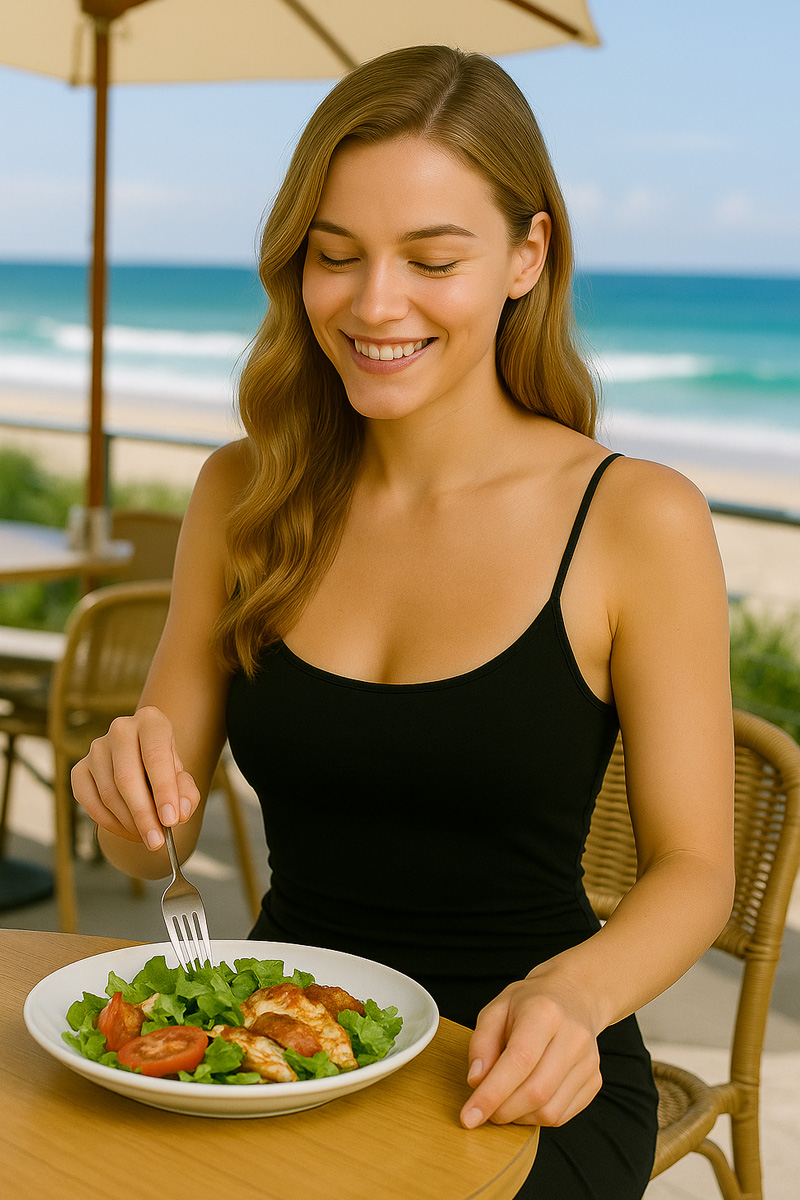
Dining leans casual because the coast itself encourages it. Surf clubs are gathering points. Fish and chips on the beach is perfectly normal. People eat picnic-style on grassy foreshore strips at sunset while kids run around. Meals become part of the landscape rather than events unto themselves.
Markets anchor weekends. Burleigh's boutique markets attract designers, makers and weekend wanderers. The Palm Beach Currumbin farmers' market is a ritual for fresh produce. Carrara Markets are their own universe, full of colour and noise. These markets aren't just shopping spots - they're social spaces, slices of community that unfold in the open air.
Reading the Weather Like a Local
The weather here is something locals feel, not simply observe. Summer mornings often start calm and gentle, perfect for a swim before the day warms. By late morning, the wind might shift. Northerlies can roughen the ocean and move families toward sheltered creeks instead. Southerly changes can roll in quickly, smoothing the surf into clean lines that surfers chase from Burleigh down to Currumbin.
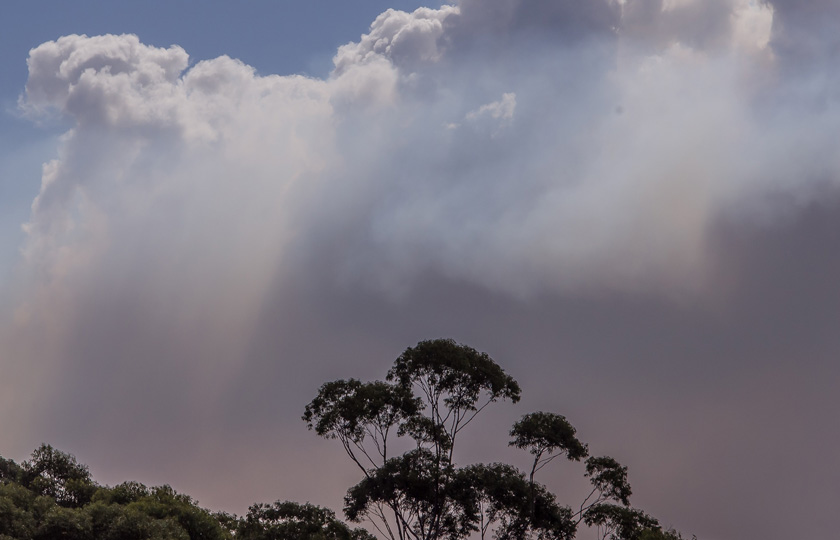
Storm season arrives with theatre. Clouds build inland like mountain ranges, rising taller and darker until the first flashes of lightning ripple through them. Locals notice the shift before it happens - the way the air thickens, how the horizon seems to sharpen, the sudden stillness that comes before the gust front arrives. Then the storm is on you. Heavy rain, deep rumbles, sheets of water moving sideways. And then, almost as quickly as it began, it's gone. A cool change settles in behind it like a sigh.
Outside storm season, the coast and its hinterland behave like two different climates. Inland mornings can be crisp in winter, fog lingering over Tamborine and the valleys. Down by the coast, it's softer - clearer, milder, touched by the ocean's warmth. People dress for the shift instinctively. Layers for early errands. Light clothing by lunch.
Everyday Patterns Locals Don't Think Twice About
Daily life on the Gold Coast is shaped by small patterns that newcomers learn slowly. Council bin trucks come early, so most people roll their bins out the night before. Tradies start before sunrise, and the sound of a ute backing into a driveway at 6am barely registers once you've lived here a while.
Beach suburbs have familiar soundtracks. Lorikeets arrive in wild bursts of colour and noise at dawn and dusk. Cicadas hum through the heat of summer afternoons, climbing in intensity until the evening cools the air. In quiet pockets like Tugun at night, you can hear the surf from streets a few blocks back, carried inland on the wind.
Parking becomes its own quiet skill. Locals know which beaches fill first, which streets stay shaded, which foreshore areas remain calm even during peak season. They know which creeks are best at high tide, where the sandbanks appear at low tide and where the softer afternoon breezes create protected corners.
The whole city has these little secrets, and you learn them almost without realising.
Fitting In and Living the Lifestyle
To live on the Gold Coast is to move with these rhythms. It's noticing the tide before you swim, checking the wind before you surf, grabbing coffee at a place where the barista already knows your order. It's watching storms build inland, walking barefoot into a café without thinking, grabbing dinner at the surf club because the view is perfect and the day has been long.
Whether you've arrived for the first time or have slowly settled into the suburbs over the years, you start to understand the coast differently once you follow its subtle cues. Life here isn't just about beaches and sunshine - it's about paying attention to the weather, the water, the people, the patterns and the easy, unhurried ways that locals treat the place they live in.
And once you slip into that rhythm, it becomes very hard to imagine living anywhere else.
Living the Barefoot Lifestyle Like a Local
Experience the freedom of leaving your shoes behind and spending your day completely barefoot. On the Gold Coast, it's not just accepted, it's part of the culture! Here's your guide to living it!



You might also like



Disclaimer: Every effort has been made to ensure the accuracy of the information provided, but we make no guarantees regarding its completeness or reliability. The data is presented for general informational purposes only and does not constitute financial, investment, or legal advice. We are not liable for any errors, omissions, or consequences arising from its use. Users should verify details with relevant sources and seek professional advice where appropriate for the most accurate and up-to-date guidance.