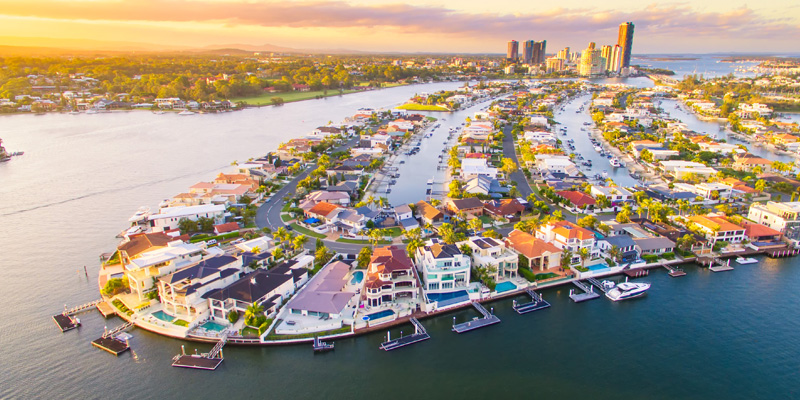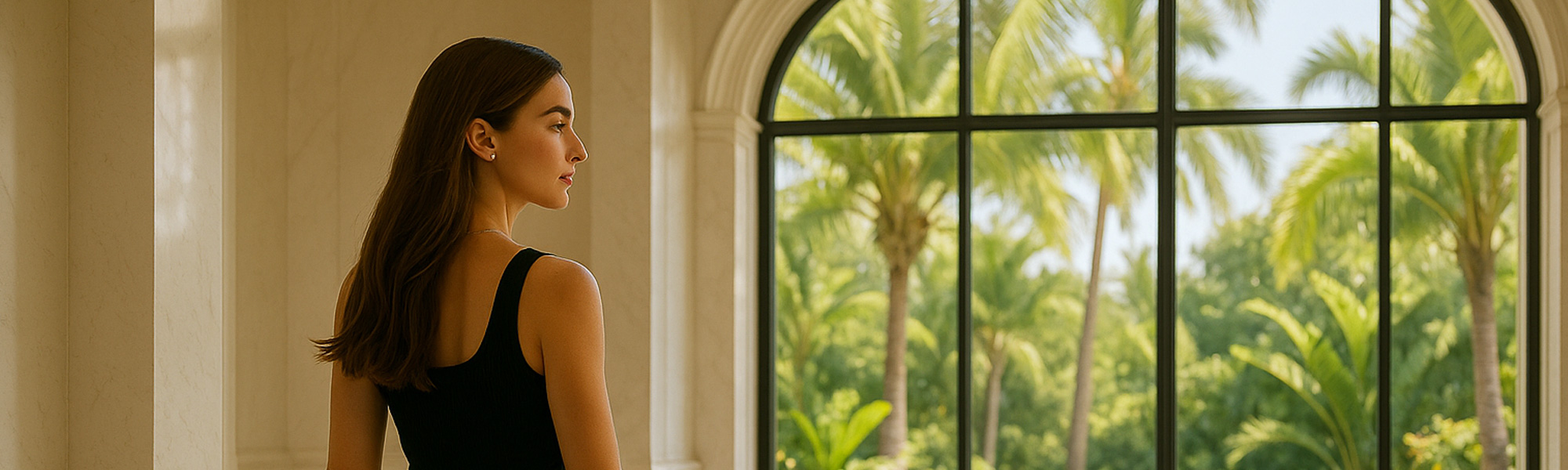
The Gold Coast has its own kind of heat - not just temperature, but texture. It hums, glows, and thickens the air. The city doesn't fight it; it adjusts around it. Locals know that comfort comes not from control but from rhythm - early swims, shaded verandas, tiles that stay cool underfoot. From house design to everyday ritual, cooling off the coastal way is about tuning into the environment rather than working against it.
Morning Calm
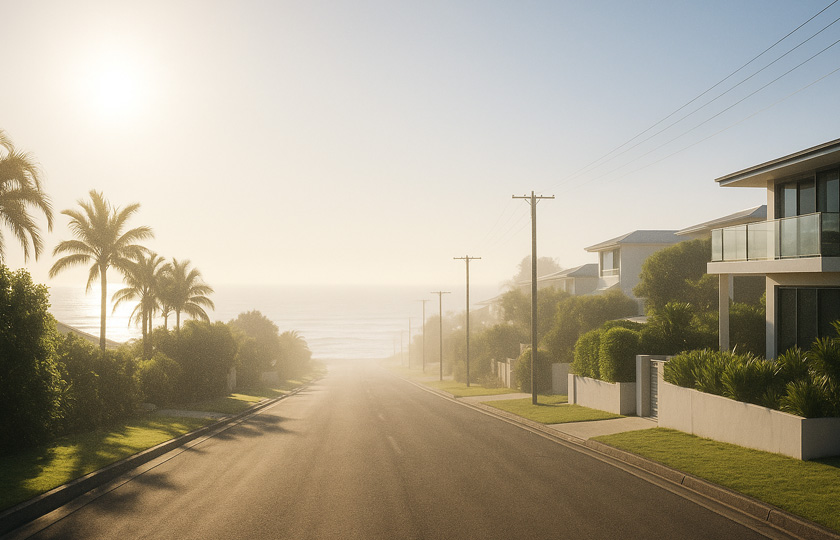
The day begins with movement. Before the light hardens, before the cicadas start, the city is awake. Joggers trace the esplanades, paddleboarders slide across canals, and cafés open their shutters to let in the first sea air. It's not just routine - it's timing. Gold Coasters plan their mornings like other people plan their seasons.
By mid-morning, the ritual reverses. Windows close to trap the night's cool air, ceiling fans hum quietly, and blinds soften the glare. Inside, everything slows a little. Children play under fans, dogs stretch out on tiles, and adults drift between shaded verandas and home offices. The rhythm feels instinctive because it is - learned by living here long enough to notice what the air is doing.
Homes That Breathe
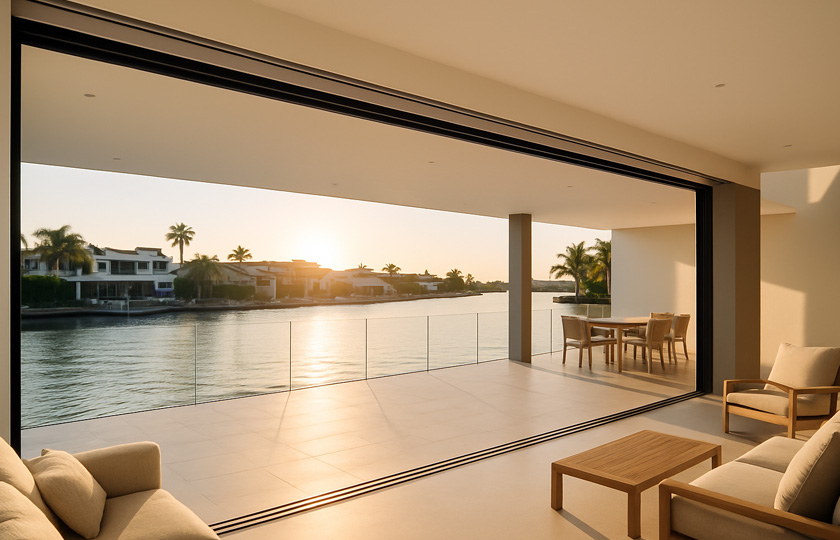
The architecture of the Gold Coast has always been shaped by heat. Long eaves, louvres, open layouts, and verandas aren't style choices - they're survival tactics turned aesthetic. In older beach cottages, you can still see the logic: windows that align perfectly to catch the breeze, gaps under rooflines for ventilation, and walls painted in colours that reflect rather than absorb the sun.
Modern design continues that legacy with quiet innovation. Builders now pair insulation with ventilated roofing, and architects talk about cross-ventilation like it's an art form. Glazing has improved, so has shading - but the philosophy hasn't changed. A Gold Coast home should breathe. Air should flow in one side and out the other, drawn by fans or the afternoon sea breeze. Even materials matter - concrete and tiles that stay cool, light fabrics that move, and furnishings that don't trap heat.
In many ways, the city's coastal architecture is passive design perfected - not engineered for extremes but for ease.
Everyday Rituals
Comfort here isn't manufactured by technology; it's managed by routine. People know how to use their homes. Curtains close mid-day, fans run before the air-con does, and outdoor life simply shifts with the sun. Late lunches move to the shade, gardens get a light misting, and everyone waits for that subtle change in the breeze that signals the day is turning.
It's a lifestyle of small adjustments. Locals cook lighter meals, choose linen sheets, and avoid anything that needs an oven after midday. Kids learn early that tiled floors are the best seats in summer. And somewhere in every home, there's a favourite cool corner - a hallway with a cross-draft, or a deck shaded by a frangipani.
Even the way people move changes with the heat. Barefoot steps become slower, softer. Work pauses in the middle of the day, replaced by a swim, a fan, or a nap. When the humidity builds before a storm, you can almost feel the collective sigh as the first drops hit the ground and the temperature drops ten degrees in a minute.
Natural Cooling
Nature provides most of the city's air conditioning - if you let it. Gardens are designed not just for looks but for temperature. Palms, ferns, and bamboo filter light and slow the wind. Trees are planted for shade at the right time of day, vines climb west-facing walls, and water features double as evaporative coolers.
Even the local planting palette has evolved with the climate. Native species like tuckeroos and coastal banksias don't just survive the heat; they help moderate it. Lawns are smaller now, replaced by garden beds and textured ground covers that absorb less heat and need less water.
Outdoor living spaces are built like extra rooms - shaded, fanned, and lined with greenery. Here, the best patios don't fight the weather; they harness it. Add a ceiling fan, a few broad-leaf plants, and a light-coloured deck, and you've got the Gold Coast version of air conditioning that never breaks down.
When the Storms Arrive
Summer storms are part of the rhythm too. They roll in from the hinterland, heavy and theatrical, breaking the tension of the day. The air cools, the smell of rain mixes with salt, and the whole landscape resets. Locals don't hide from them; they open the house and let the change sweep through. Within minutes, rooms feel new again.
It's one of the reasons people here talk about the weather not as complaint but as lifestyle. The climate isn't a problem to fix - it's a pattern to understand.
The Gold Coast Way
Cooling off here isn't about gadgets, grids, or constant climate control. It's about rhythm - the natural choreography between light, air, and habit. Homes are built to work with it, not against it. People move to its tempo without thinking.
It's why so many Gold Coast homes have open doors, shaded courtyards, and tiles that always feel cool underfoot. It's why mornings are sacred, afternoons slow, and evenings spill outdoors. Comfort here isn't engineered - it's lived.
The Gold Coast doesn't try to beat the heat. It just makes it beautiful. The warmth becomes part of the day's design - softened by breeze, balanced by water, and grounded by the barefoot ease that defines coastal life.
You might also like




Disclaimer: Every effort has been made to ensure the accuracy of the information provided, but we make no guarantees regarding its completeness or reliability. The data is presented for general informational purposes only and does not constitute financial, investment, or legal advice. We are not liable for any errors, omissions, or consequences arising from its use. Users should verify details with relevant sources and seek professional advice where appropriate for the most accurate and up-to-date guidance.