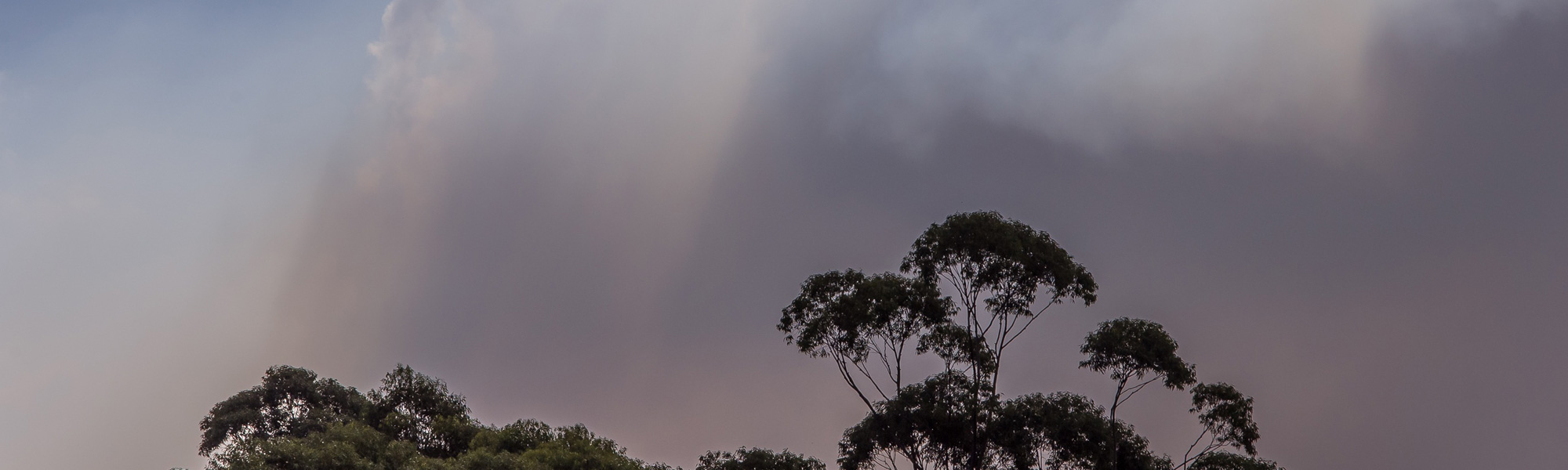
Bushfires on the Gold Coast are rare, but not rare enough to ignore. One harsh, windy afternoon is all it takes for dry hinterland scrub, conservation strips, parklands or long grass to ignite. Even when flames appear distant, embers can fly considerable distances, drifting across suburbs and landing quietly in gutters, mulch beds, timber fences or the leafy edges of gardens. A neighbourhood that seems far from danger can face a spot fire minutes later simply because embers don't respect boundaries, roads or buffer zones. That unpredictability is why the safest, most responsible choice in any fire threat is to leave early.
The Changing Nature of Bushfires
Modern bushfires behave differently from those of previous generations. They burn hotter, move faster and respond to climatic conditions with a ferocity that can surprise even seasoned firefighters. Flames don't advance politely in straight lines. They twist, jump and surge with shifting winds. Smoke thickens in minutes. Ember storms erupt far ahead of the visible fire front. A fire that appears manageable in the morning can become uncontrollable by the afternoon. The single most dangerous misconception is believing you will have more time than you actually do.
Why Early Evacuation Saves Lives
Experts across Australia repeat the same message every season: leave early. Don't wait for smoke in the street. Don't wait for flames on the ridge. Don't wait for an Emergency Warning. At that stage, evacuation routes may already be compromised.
A home cannot protect you from radiant heat, toxic smoke, flying embers or the overwhelming noise and disorientation of a fire front. A garden hose cannot compete with the conditions inside an active flame zone. Even trained fire crews with protective gear face extreme danger. Staying behind is not courage. Leaving early is.
When you leave early, you leave calmly. Roads are open, visibility is clear and there is no frantic rush to grab belongings or coax frightened pets out from under beds. Early evacuation prevents last-minute panic, prevents confusion and removes the need to navigate smoke-choked conditions. It also reduces pressure on emergency services, allowing crews to focus on containment rather than rescues.
Preparing Your Family Before Fire Season
Preparation isn't about bracing for disaster. It's about creating clarity so your family can act without hesitation. Start with a conversation at home about what you'll do if a warning is issued. Decide where you'll go, who drives, who gathers the pets and how you'll stay informed. These discussions build confidence long before you need to use the plan.
Pets require planning too. Keep carriers, leads and essential medical supplies in easy reach. Animals often hide during smoke events, so knowing their usual resting places helps you secure them quickly. They should always evacuate with you. Never leave them behind expecting to return later.
Your Evacuation Kit: A Small Bag That Makes a Big Difference
A ready-to-go evacuation kit removes the chaos from an already stressful moment. Store water, non-perishable snacks, essential medications, a simple first-aid kit, a battery-powered radio, torches and fresh batteries. Add chargers, basic documents, clothing and anything specific your children or older relatives may need. For infants, this might include formula and wipes; for elderly family members, mobility aids or medication lists.
Most families dramatically underestimate how long it takes to get everyone into the car when the moment arrives. Children search for toys, pets refuse carriers, phones go missing, and chargers are tangled somewhere behind a bedside table. The best way to reveal the truth is to practise. A five-minute drill often becomes a fifteen-minute scramble. That knowledge alone can change your evacuation timing and save your life.
Preparing Your Property Before You Leave
Leaving early remains the core safety principle, but simple seasonal upkeep helps reduce ember attack while you're away. Clean gutters. Clear leaf litter. Move dry debris away from walls and fences. Store flammable items like door mats or outdoor cushions away from entrances. None of these measures make it safe to stay; they simply help keep your home safer while you are not there.
Keeping driveways and pathways clear is equally important. Bikes, garden equipment, bins and outdoor toys create obstacles during a fast departure. They also hinder emergency crews who may arrive later in the day.
Understanding Fire Warning Levels
Many households misunderstand the meaning of fire warnings. An Advice stage signals that conditions are evolving. Watch and Act means you should already be preparing to leave. For anyone without a dedicated, well-maintained fire-ready property, Watch and Act effectively means go now. Do not wait for an Emergency Warning. By then, safe evacuation may no longer be possible.
Leaving Early Avoids Dangerous Conditions
Early evacuation means avoiding thick smoke, flying embers and unpredictable road conditions. Smoke can reduce visibility to almost nothing. Power failures can disable traffic lights. Wind-blown branches can block roads. Emergency vehicles may turn intersections into controlled zones. These complications are almost entirely avoided when families leave while skies are still clear and roads are unobstructed.
Clothing also matters. Wear cotton, denim or wool when evacuating if fire conditions are close. Synthetic fabrics can melt under radiant heat, even from a distance. Early evacuation means you shouldn't face extreme heat, but this remains valuable knowledge in the rare event a fire approaches faster than expected.
Latest Best Practices When Evacuating
Before leaving, close windows, doors and vents to help reduce ember entry. Turn off air-conditioning systems. If time allows and conditions are still safe, move flammable outdoor items away from your house. Keep your car fuelled during fire season.
Drive with headlights on, even during the day, as smoke haze affects visibility. Use main roads rather than back routes. Keep your phone charged but remember that mobile networks are not always reliable in emergencies. Your radio remains your most dependable source of updates once you're on the road.
If the Fire Approaches While You're Evacuating
Leaving early almost always prevents this situation. But in the rare event a fire front nears while you're driving, the established emergency protocols can protect you.
If embers or smoke become dense, stop in a cleared area away from vegetation if possible. Keep the engine running, windows closed, and air-conditioning set to recirculate. Stay low in the vehicle as heat rises. Your car is not a safe shelter during a high-intensity fire, but it can provide short-term protection from radiant heat until the front passes, which usually occurs quickly. Once conditions ease, continue to a safe location and contact authorities.
Urban Areas Are Not Immune
Even dense suburban areas can face ember attack. Many Gold Coast neighbourhoods border reserves, wetlands or hillsides. Timber fencing, dry mulch, outdoor furniture and decks can ignite long before the fire front arrives. Smoke inhalation, even with no flames visible, can also make conditions dangerous for young children, older residents and anyone with respiratory conditions. Early, decisive evacuation removes families from these risks entirely.
Knowing Where to Go Before You Leave
Evacuation centres are announced by local councils and emergency services, but their locations can shift depending on the fire. Some accept pets, some do not. Having a few potential destinations in mind gives flexibility during fast-moving events. Relatives, friends or community hubs can also serve as temporary safe places, provided they are well away from the fire area.
Multiple Ways to Stay Informed
Don't rely on a single device. Keep a battery-powered radio in your kit, use your car radio during transit, and pre-save emergency service numbers in your phone. Turn on location services as you evacuate so emergency teams can locate you if conditions deteriorate without warning.
Returning After the Fire
Do not return until authorities declare the area safe. Fires may look calm from a distance but can flare up unexpectedly. Trees weakened by heat can fall with little notice. Ash pits beneath the surface can remain hot for hours. Power lines may still be unsafe. Only official clearance ensures the environment is genuinely safe to re-enter.
The One Rule That Matters Most
Bushfires on the Gold Coast may be rare, but all it takes is one severe day for the conditions to turn quickly. Early, decisive action is the most effective safety measure you have. Leave before the danger arrives. Leave before the smoke thickens. Leave before traffic becomes unpredictable. Leave with clarity, confidence and calm.
Your home is precious, but it can be rebuilt. Your family's safety comes first.
This article provides general information only and is not emergency advice. Always follow directions from emergency services and local authorities.
You might also like





Disclaimer: Every effort has been made to ensure the accuracy of the information provided, but we make no guarantees regarding its completeness or reliability. The data is presented for general informational purposes only and does not constitute financial, investment, or legal advice. We are not liable for any errors, omissions, or consequences arising from its use. Users should verify details with relevant sources and seek professional advice where appropriate for the most accurate and up-to-date guidance.