
Why every home deserves its own yearly review - and how a few mindful hours can protect your comfort, compliance, and future resale value.
A Habit That Pays Off
Homes age quietly. Paint fades, fittings loosen, and moisture sneaks into corners you haven't looked at since the last storm season. A yearly check-up gives your property a moment in the spotlight - not because anything is wrong, but because you care enough to notice before it is.
Think of it like a routine medical check. You wouldn't wait until something hurts to see the doctor; the same logic applies to your home. A quick, thorough review each year is the simplest way to prevent small issues becoming major ones, and to keep your property at its best - structurally, visually, and financially.
1. Setting the Scene: When and How to Begin
Choose a time that suits your climate and lifestyle rhythm. For most parts of Australia, late autumn or early spring are ideal - mild weather for outdoor checks, and perfectly timed before or after the heavy rains that reveal leaks and drainage issues.
Keep it relaxed. Grab a notebook or open your phone's camera roll, and treat the process like a guided walk-through rather than an audit. If you own multiple properties, set up a repeating calendar reminder so the ritual becomes part of your annual routine - the same way you handle tax returns or insurance renewals.
A few hours once a year can reveal patterns: cracks widening, trees growing closer to the house, materials wearing at different rates. Photograph anything that changes and store it in a dated folder. Next year, you'll have a visual history of your property's subtle evolution - a surprisingly powerful tool when selling or negotiating insurance.
2. The Structural and Exterior Check
This is where you protect the bones of your home - the unseen integrity that underpins everything else.
Roof and Guttering
Stand back from the street and look for uneven roof lines or slipped tiles. Moss, lichen, or staining around the gutters can suggest pooling water. During dry weather, flush gutters with a hose to make sure water flows freely to downpipes. Check brackets and joints for rust or separation.
If you have solar panels, inspect their fixings and look for any shading from new tree growth. Dust and leaf litter can reduce efficiency; a gentle clean or professional maintenance once a year is usually sufficient.
Walls, Paintwork, and Cladding
Walk the perimeter slowly. Run your hand along painted surfaces - chalky residue signals it's time to repaint. Look for hairline cracks near corners or window frames. Small gaps may indicate natural settling, but keep an eye on anything widening over time.
If your home has weatherboard or composite cladding, ensure boards sit flush, nails are firm, and there's no swelling from moisture. Seal any exposed timber before the wet season returns.
Windows, Doors, and Seals
Open and close every window and door. They should move smoothly without sticking or scraping. Silicone seals around glass can dry and split; replace them early to prevent leaks. Sliding doors often accumulate grit in their tracks - vacuum and lubricate rollers annually.
Driveways and Paving
Inspect for cracks, lifting, or pooling water. Small weeds between pavers suggest joints need re-sand or sealant. Keep drainage clear so surface water doesn't creep under foundations.
Fences and Gates
Wooden posts should feel solid when pushed. Check for rot at ground level and rust on metal fixtures. Automatic gates need their sensors and hinges cleaned, especially near the coast where salt air accelerates corrosion.
3. Inside the Home: Comfort Meets Compliance
The interior check isn't only about aesthetics - it's about air quality, safety, and longevity of materials.
Ceilings and Walls
Look for stains that might indicate past leaks. A light brown ring on plaster is often an early clue to a roof or plumbing issue. Examine cornices and junctions for cracks - small ones are normal, but mark them for comparison next year.
Flooring
Timber floors should feel even underfoot; sponginess can mean moisture below. Tiles with hollow sounds when tapped may have lost adhesion. Carpet seams lifting? A quick restretch prevents fraying.
Kitchens and Bathrooms
These are the moisture zones where maintenance is particularly important.
- Check under sinks and behind toilets for drips or swelling cabinetry.
- Reseal silicone edges where water pools, like shower screens and splashbacks.
- Clean out exhaust fan grilles and confirm they vent properly.
- Inspect hot-water systems for rust or leaks - especially around valves and any drip trays - if used.
If you're planning renovations, keep a note of these areas. Documenting them helps later with quoting and compliance.
Air and Electrical Systems
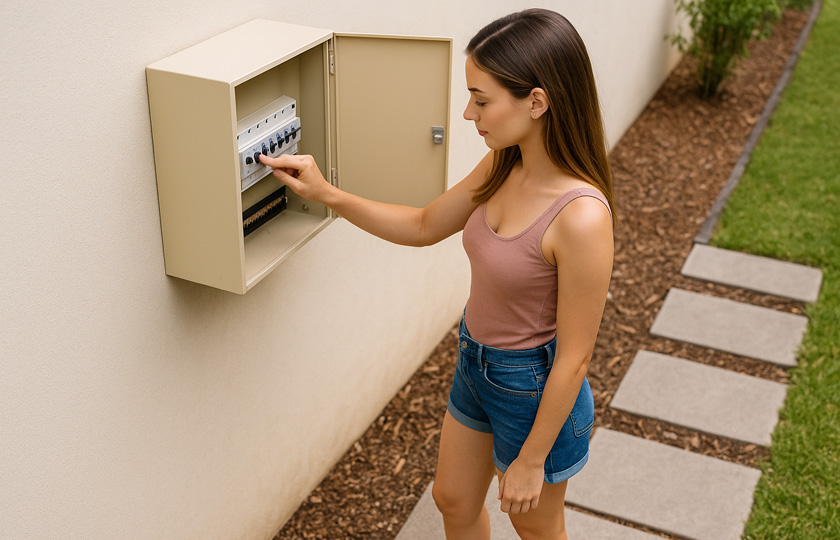
Dust filters in air-conditioners and bathroom fans. Test all power points with a small device or phone charger. Flick each light switch - if any flicker or feel hot, have an electrician check them. Replace smoke-alarm batteries annually and confirm expiry dates on the units themselves (most new models must be replaced every 10 years).
4. Gardens, Grounds, and Drainage
Landscaping is part of the property's ecosystem - beautiful, but sometimes the source of hidden issues.
Trees and Roots
Roots can shift paving and crack pipes. Keep large trees trimmed away from the roofline. If branches overhang neighbouring properties, prune them before they cause disputes or storm damage.
Drainage and Run-off
After heavy rain, walk the block. Are puddles forming near the house? Does water drain freely from garden beds? Minor grading or adding a simple channel drain often prevents long-term structural problems.
Irrigation and Water Systems
Check that garden taps, drip systems, and rainwater tanks operate correctly. Flush filters, clean tank gutters, and look for insect or leaf blockages in overflow pipes.
Lawns and Hard Surfaces
Pressure-wash paths and driveways to remove mould. Reseal timber decks every two to three years. A well-kept outdoor area boosts street appeal and resale impression more than most owners realise.
5. The Paperwork Session: Keeping the File Alive
Once you've walked the property, switch to the desk side of the check-up.
Open your home file - the physical folder, the cloud drive, or both.
Insurance and Coverage
Consult your insurance broker. Confirm your sum insured still matches current rebuild costs. Many owners under-insure without realising how construction prices shift year to year. Add documentation for any new structures - pergolas, pools, or solar installations - and keep receipts in case you ever need to make a claim.
Compliance and Safety Certificates
If you own a pool, check the pool safety certificate expiry and that the fencing and gate latch remain compliant. For rentals, smoke-alarm certification and safety switch documentation must be kept up-to-date. Keep copies of any council approvals, trade warranties, and major receipts.
Warranties, Manuals, and Records
Appliance warranties often depend on regular servicing - note dates and keep receipts. Record serial numbers of expensive items (air-conditioning units, solar inverters, pumps) in case of insurance claims.
Financial and Legal Paperwork
Update your mortgage or refinance documents, review property valuations, and note any new encumbrances or easements listed on your title. If you've refinanced, ensure your mortgage discharge or new registration appears correctly on the land title record.
6. The Value and Market Review
Even if you're not selling, knowing your home's current standing in the market helps you make smarter choices.
Compare and Observe
Check recent sales of similar homes in your area - not to price-hunt, but to notice what buyers are responding to. Are modernised bathrooms driving value? Are landscaped outdoor areas commanding higher results?
A quick chat with a local agent can reveal which small upgrades bring meaningful returns. Repainting, lighting upgrades, and energy-efficient fittings often deliver far more value than they cost.
Energy and Efficiency
Your annual check-up is the perfect time to measure energy habits. Are power bills rising? Could better insulation, LED lighting, or a solar-battery system bring long-term savings? Even simple steps like installing draught excluders or replacing worn weather-strips can transform comfort and reduce costs.
Rental Considerations
For investors, a check-up doubles as a compliance and market audit.
- Are smoke alarms up to date?
- Are blinds fitted with child-safe cords?
- Is the property presenting competitively in current listings?
A small pre-emptive upgrade once a year keeps tenants happy and reduces vacancy periods.
7. Digital Tools and Smart Tracking
Technology now makes the process easier than ever.
Use your phone's reminder app to create recurring tasks like "check roof gutters – April" or "inspect air-con filters – October."
Keep notes and attach photos to each task, so you build a live maintenance log over time.
If you use a smart-home system, many devices already track maintenance intervals - pool pumps, solar inverters, and security systems can send alerts when servicing is due. Treat these notifications as part of your annual ritual.
8. Turning the Process Into a Lifestyle Habit
The best way to maintain a home isn't through panic repairs, but through rhythm.
Once you've completed your first full review, you'll find each following year takes less time. The reward is calm confidence - knowing your home isn't hiding nasty surprises.
Keep your notes, receipts, and photos together in a single folder titled by year. When the time comes to sell or refinance, this archive becomes evidence of a well-cared-for property - something that immediately builds buyer trust and can shorten days on market.
Make it a family event if you like. Give everyone a small role: someone checks light switches, someone photographs the garden, someone inspects under the sinks. The sense of shared responsibility helps children understand what home ownership means - care, attention, and pride.
In Summary
A property doesn't stay valuable by accident. It thrives under the quiet rhythm of small, consistent care.
An annual check-up might feel modest, but it's one of the most powerful habits a homeowner can form - a blend of stewardship, foresight, and respect for the place that shelters you.
Next time you walk through your rooms or step out into the yard, take a moment to notice what's changed since last year. The cracks, the colours, the light, the way the garden leans toward the sun - all of it tells a story. By listening once a year, you keep that story healthy and strong.
This article provides general information only and should not be relied upon as legal, financial, or insurance advice. It is not intended to replace professional assessment or guidance. Property conditions, coverage needs, and compliance requirements can vary between locations and insurers. For advice specific to your situation, consult a licensed insurance broker or qualified professional before making any decisions.
You might also like





Disclaimer: Every effort has been made to ensure the accuracy of the information provided, but we make no guarantees regarding its completeness or reliability. The data is presented for general informational purposes only and does not constitute financial, investment, or legal advice. We are not liable for any errors, omissions, or consequences arising from its use. Users should verify details with relevant sources and seek professional advice where appropriate for the most accurate and up-to-date guidance.