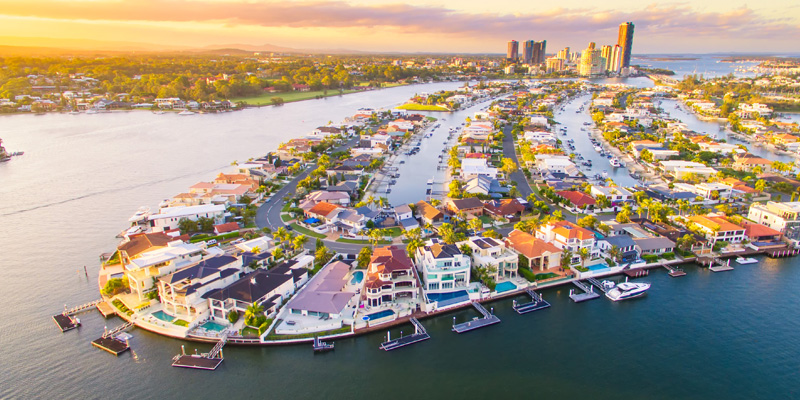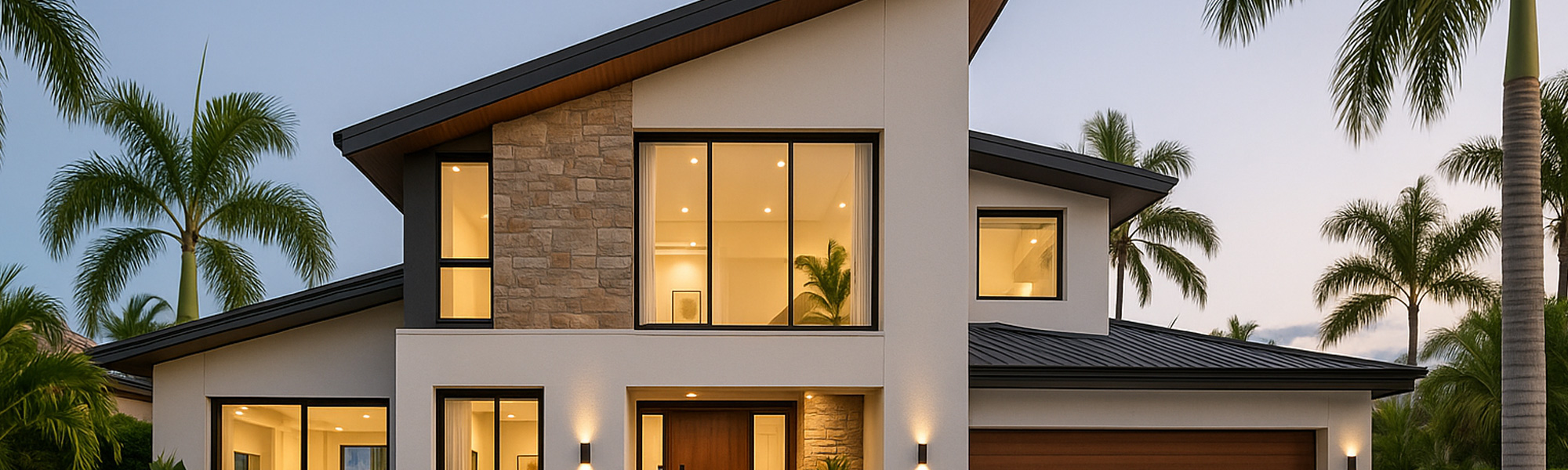
There is a moment in every build when the frame rises and the shape of the roof finally appears. It is one of the most defining features of a home. The roof sets the style, controls the light, influences temperature, affects storm resilience and determines how the house will age in the Queensland climate. Just as important as the shape is the material used to cover it. Some materials suit steep pitches, some perform best on low slopes and some are chosen purely for their beauty. When planning a new build on the Gold Coast, understanding both the form and the material is the key to choosing a roof that is cool, strong and architecturally right for your home.
Many homeowners start by thinking about appearance, but the roof does far more than define the silhouette. It influences how the home behaves during summer heatwaves, how it sounds during heavy rain, how it handles onshore winds and how long it will last in coastal conditions. The best choices blend design intention with performance, and most importantly, match the demands of Queensland's weather.
This guide brings both worlds together. It explains the major roof shapes and the materials commonly used to build them, showing which combinations work best and why.
Gable Roofs
The classic gable is the simplest and most recognisable pitched roof. Two planes rise to a ridge, forming a triangle at each end. Builders like it because it sheds water quickly and gives plenty of room for insulation. Designers like it because it suits everything from modern Queensland coastal homes to gentle Hamptons styling.
Gable roofs pair especially well with concrete tiles, terracotta tiles and metal roofing. Tiles love a steeper pitch because it improves water flow and reduces the chance of capillary leaks. Metal performs well too, particularly Colorbond, which gives the gable a clean, refined look while staying light on the structure. On the Gold Coast, the gable is a dependable all-rounder that handles both rain and heat with confidence, provided the bracing is engineered for local wind ratings.
Hip Roofs
Hip roofs slope on all sides which makes them naturally stable in strong winds. This is one of the reasons the hip profile appears so frequently across Queensland suburbs. There are no tall vertical faces to catch gusts and the uniform slopes distribute wind load evenly across the structure.
Hip roofs work beautifully with tiles of all kinds because the multi-directional slopes prevent water pooling and allow a soft, traditional appearance. Metal sheeting is also common and creates a neater, sharper finish that suits contemporary homes. The roof space beneath is often tighter than a gable, but the thermal performance is excellent because the structure is compact and well enclosed.
Skillion Roofs
A skillion roof is a single sloping plane that lifts one side of the home and opens the interior to high raked ceilings. This is one of the most popular roof choices for modern Gold Coast architecture because it captures light and creates airy internal volumes.
Skillion roofs pair extremely well with metal roofing, particularly long, uninterrupted Colorbond sheets. The material follows the slope cleanly and handles Queensland storms without fuss. Skillion roofs can also be built using insulated roof panels, which offer superb thermal performance and an instantly finished ceiling underside. Tiles are rarely used on skillions because their minimum pitch requirements limit how low the roof can go. When a low, minimalist line is the goal, steel or insulated panels are the natural match.
Flat and Low-Slope Roofs
Flat roofs, which actually have a very gentle fall, are used widely in designer homes and multi-level builds. They hide behind parapets to create crisp, contemporary facades and they allow rooftop plant areas, solar installations or concealed services.
Flat roofs rely heavily on membrane systems, metal sheeting or insulated panels. Tiles are almost never used because they require much steeper angles. On the Gold Coast, flat roofs demand careful drainage design, high-quality flashing and reliable waterproofing. When these details are handled properly, they perform exceptionally well in the hot, humid climate while giving homes the architectural precision that many coastal designs aim for.
Butterfly Roofs
A butterfly roof makes a dramatic design statement. Two planes angle downward toward a central valley, creating a bold, sculptural form that feels fresh and coastal. The shape is perfect for clerestory windows that draw light into the home while shielding the interior from direct heat.
Because butterfly roofs have a central valley, they work best with metal roofing or membrane systems. These materials can be shaped to the precise angles and can manage concentrated water flow during storms. Tiles are generally avoided because they cannot perform reliably in the inward slope. Owners choose butterfly roofs when they want an architectural centrepiece, often pairing them with clean steel finishes or premium coatings that resist coastal wear.
Sawtooth Roofs
Once used only in industrial buildings, sawtooth roofs have become a niche favourite among Gold Coast architectural designers. The alternating steep and shallow sections create bright, naturally lit interiors.
Sawtooth roofs almost always use metal roofing because of its ability to follow the tight angles and long spans. Some designs incorporate transparent or translucent panels to capture soft southern light without heat. Tiles are unsuitable due to the complexity of the geometry. This roof type is ideal for homeowners who want a standout home with gallery-like interior light.
Curved Roofs
Curved roofs use smooth arcs to soften a home's outline and create calming internal spaces. They are becoming more common in premium coastal suburbs because the lines feel organic among palm gardens and tropical landscaping.
Curved roofs rely almost entirely on metal roofing, since steel can be rolled into arcs without compromising strength. Tiles cannot bend, and insulated panels are only suitable when the curve is gentle. Curved roofs give homes a distinct identity and pair beautifully with Queensland's coastal climate.
Concrete Tiles
Concrete tiles remain one of Queensland's most widespread roofing materials. They are durable, cost effective and excellent at reducing rain noise. Their weight gives a home a grounded, solid feeling.
Concrete tiles are best suited to gable, hip, or Dutch gable designs where the pitch is adequate. They are generally not used on low-slope roofs. On the Gold Coast, concrete tiles withstand rain and heat reliably, although they can absorb warmth on hot days. With the right insulation, they remain a steady and comfortable long-term choice.
Terracotta Tiles
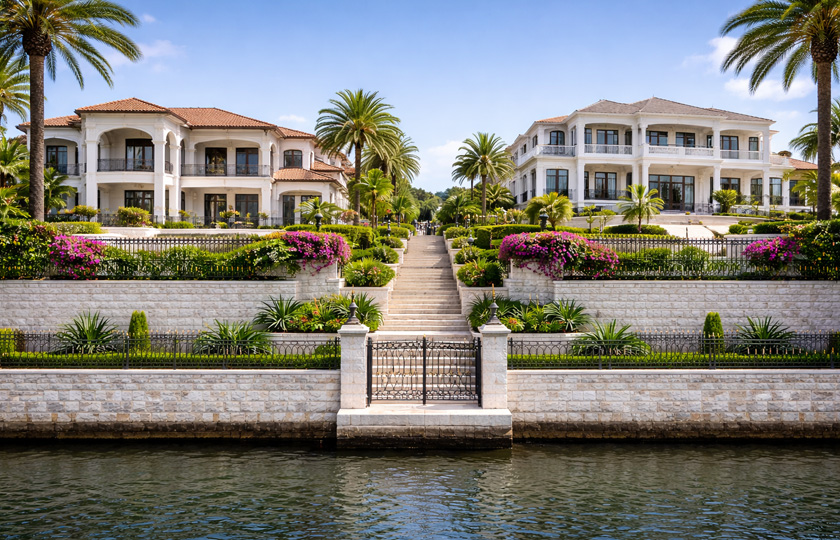
Terracotta is the premium version of the tiled roof. The colour is baked into the clay and never fades, even in harsh Queensland sun. Terracotta tiles stay cool, resist salt air and offer a rich, timeless appearance that suits both classic and prestige homes.
Terracotta performs best on traditionally pitched gable and hip roofs. It is heavier and more expensive than concrete, but its durability and enduring beauty often make it a favourite for high-end homes across the coastal suburbs.
Steel Roofing
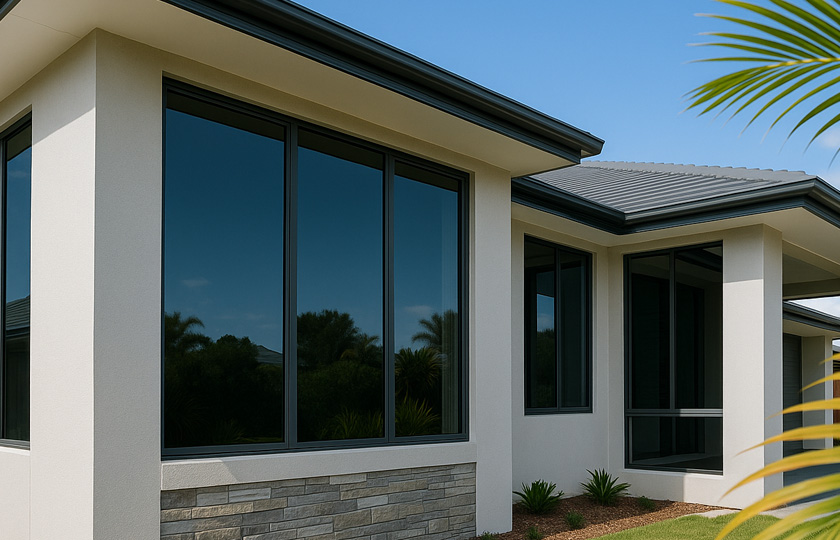
Metal roofing, including Colorbond and Zincalume, is the modern standard for contemporary Queensland homes. It is lightweight, strong, storm resistant and capable of following almost any roof shape.
Steel roofing suits gable, hip, skillion, flat, butterfly, curved and sawtooth designs. Its versatility is unmatched. On the Gold Coast, the performance advantages are strong. It reflects heat, resists corrosion when installed correctly and sheds water rapidly in heavy storms. With high quality insulation, it stays quiet enough for comfortable living. Steel is the universal choice for architectural freedom and climatic reliability.
Insulated Roof Panels
Insulated panels combine structural strength, thermal insulation and a finished ceiling surface into one seamless product. They deliver some of the coolest roof spaces available in Queensland.
Panels work perfectly on skillion, flat, low-pitch gable, and alfresco roofs. They are not suitable for steeply pitched tiled designs but shine in modern indoor-outdoor homes where comfort and energy efficiency are priorities.
Shingles and Composite Roofing
Shingles and composite systems are becoming more visible on design-driven Queensland homes. They offer a textured appearance that tiles and steel cannot replicate. Composite shingles resist colour fade, handle salt exposure well and are lighter than traditional slate.
These materials suit gable and hip roofs where the pitch is moderate to steep. They are rarely used on skillions, flats or butterfly roofs. Homeowners choose them when they want a refined, coastal Hamptons style or a premium architectural look.
Bringing It All Together
The right roof is a combination of both shape and material. A gable with terracotta tiles feels classic and cool. A hip roof with concrete tiles is quiet and stable. A skillion with steel creates a modern coastal profile. A flat roof with insulated panels delivers excellent thermal performance. A butterfly roof with steel becomes a sculptural centrepiece. The roof you choose will influence how your home handles storms, how it behaves in summer and how it looks from the street for years to come.
In Queensland, where heat, humidity, salt air and sudden storms all play a part in daily life, these decisions matter. A home built with the right roof combination will stay comfortable, efficient and visually appealing long after the day you move in. It becomes one of the strongest long-term investments you can make in the entire build.
And as the sun sets across the Gold Coast and your new roof catches that soft golden light, you will appreciate the care you took choosing every slope, surface and material that sits above your home.
This article provides general information only and isn't a substitute for professional advice. Roof design and materials must comply with Australian Standards and Queensland regulations, so always consult a licensed builder or roofing specialist before making decisions.
You might also like


Disclaimer: Every effort has been made to ensure the accuracy of the information provided, but we make no guarantees regarding its completeness or reliability. The data is presented for general informational purposes only and does not constitute financial, investment, or legal advice. We are not liable for any errors, omissions, or consequences arising from its use. Users should verify details with relevant sources and seek professional advice where appropriate for the most accurate and up-to-date guidance.