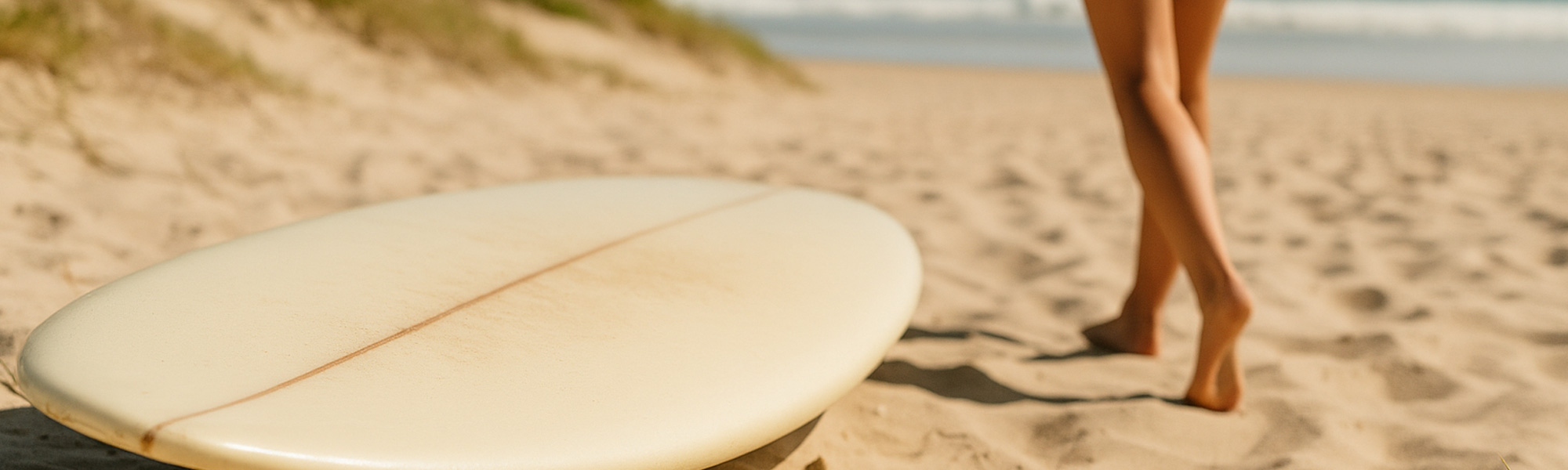
The beach isn't a place on the Gold Coast - it's a way of being.
From dawn swims at Burleigh to long afternoons at Currumbin, the sand here runs through daily life. It's exercise ground, social hub, and sanctuary all at once. Some people wander down barefoot for a quiet moment before work; others chase waves until the sun drops behind the skyline.
But while the beach feels free and open, it has a rhythm. The locals know it instinctively - when to swim, where to sit, how to move. It's not a list of rules, exactly, but a kind of shared understanding that keeps the Coast's beaches safe, calm, and welcoming.
Whether you're new to the area or just visiting for the season, understanding that rhythm means you'll blend in easily - and see why life here revolves around the sand.
Between the Flags: More Than Just a Rule
If there's one piece of advice every local repeats, it's this: only swim between the red and yellow flags.
Those flags shift with the tide, and they're never random. Lifeguards move them as needed to mark the safest section of surf and indicating that they're actively patrolling that area to keep you safe - the place least affected by rips and shifting sandbanks. Step outside those flags and you're stepping into unpredictable water.
Queensland's beaches look calm from the shoreline, but hidden currents can pull even confident swimmers sideways or out to sea. Each year, rescues happen because someone thought the conditions "didn't look that bad."
The lifeguards' knowledge runs deep - they know the science and behaviour of the water. You'll see them scanning constantly, tracking every swimmer. A quick wave or nod is always met with a smile, but don't underestimate how much they're juggling. If a whistle sounds, stop immediately and look their way; it's usually for safety, not scolding.
If you're unsure where to go, ask. Lifeguards would always rather point you to the right place than pull you from the wrong one.
No Shoes
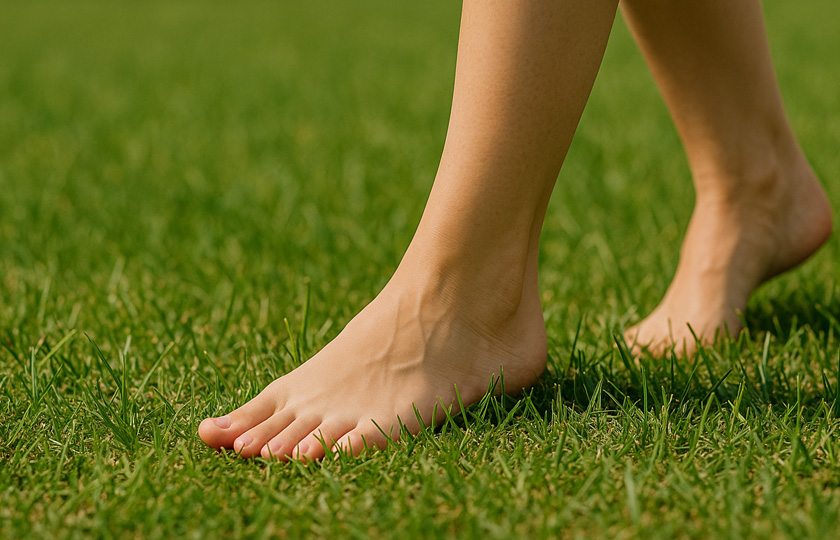
On the Gold Coast, being barefoot isn't just practical - it's part of the look. It feels effortless, healthy, and quietly stylish. Tanned skin, salt, and sand become their own kind of fashion here, shaped by the light and the lifestyle.
Shoes and the beach don't mix, and most people know that long before they reach the sand. They're left in the car, by the door, or just not worn at all. The air's warm, the ground's soft, and there's rarely a reason to cover it up.
People move easily between home, surf, and shops - barefoot, relaxed, unhurried. Every now and then you'll spot someone in shoes, but they always look slightly out of place, like they've missed what the Coast is all about.
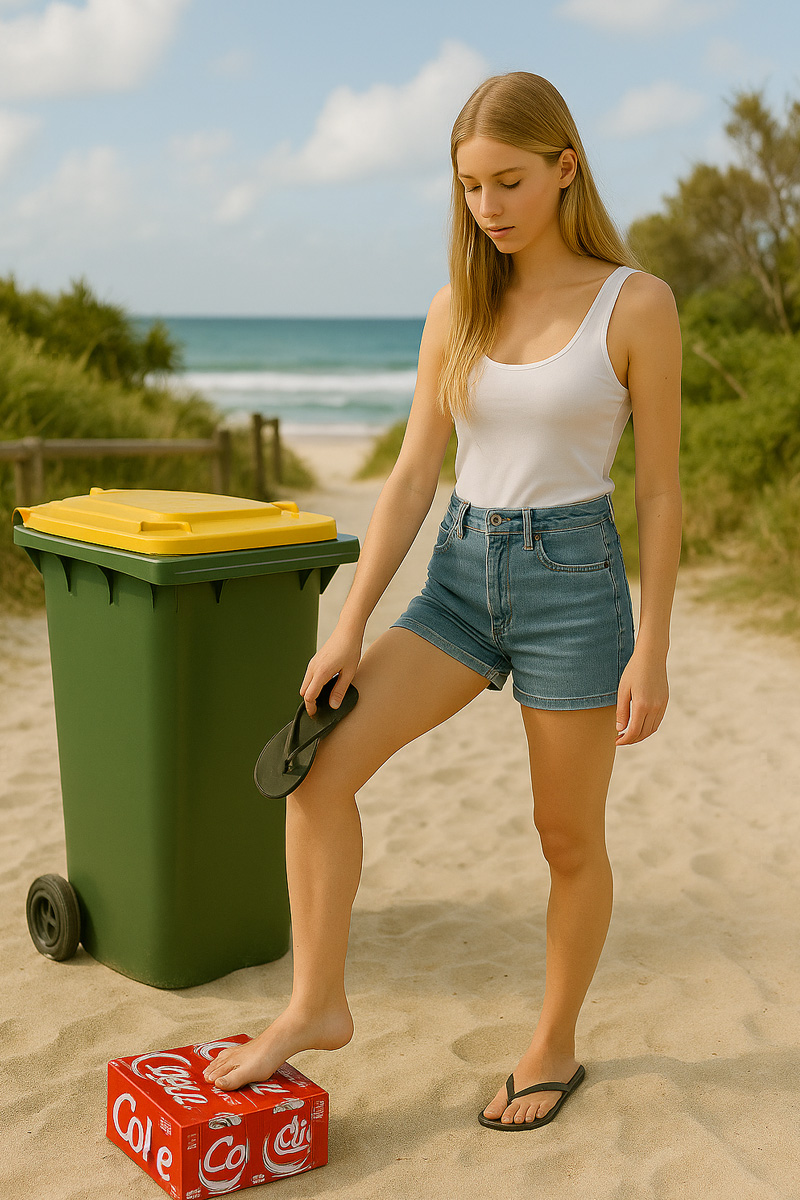
If you're heading to the beach and not planning to go elsewhere afterward, and you're not sure whether you'll actually need shoes, consider wearing an older pair - maybe the ones you were already eyeing off getting rid of anyway - that you can throw into the rubbish bin if they become too cumbersome throughout the day. It's a small thing, but it makes going barefoot freely without carrying your shoes around that much easier.
Because here, being barefoot isn't just about the beach. It's about belonging to the place that begins where the sand does.
Leaving Only Footprints
The Gold Coast's beaches stay famously clean for a reason - people here take pride in keeping them that way.
Every beach access has bins, and most follow the same colours you'll recognise from home: yellow for recycling, red for general waste. It's simple, but it works.
A little care goes a long way. Wipe down BBQ areas when you're done, and crush bulky cartons or boxes before tossing them so the bins don't overflow. If you've had a picnic, give the area a quick check before you leave. Shake out towels and mats over the sand so you're not carrying half the beach back to the car, and look for the small things that slip through - bread tags, bottle caps, elastic bands. They're the ones that end up in the stomachs of turtles and seabirds.
Cigarette butts are the worst offenders. They might disappear into the sand, but they stay there for years. Most surf clubs and local shops now offer small portable butt bins - an easy thing to keep in your bag and one of those small habits that make a big difference.
And one last thing - skip the deep holes. Anything deeper than knee height can collapse without warning and is a real hazard for people walking after dark or at high tide.
The rule's simple: enjoy the beach, leave nothing behind but your footprints, and the Coast stays the way everyone loves it.
Reading the Beach
Every Gold Coast beach has its own personality.
At Main Beach and Broadbeach, you'll find wide stretches of golden sand and small, even surf - perfect for families and casual swimmers. Burleigh and Currumbin Alley attract surfers and bodyboarders chasing the perfect break. Palm Beach can look tranquil but hide strong lateral rips.
Knowing how to read the signs of a rip is a skill worth learning. If you're caught in one, don't panic and don't swim against it. Float and raise a hand (it is one of the reasons why you should only swim between the flags). Let it carry you until it releases beyond the break, then swim sideways (parallel to the shore) until you're free of the current.
Many local surf clubs run free "Beach Safe" or "Nippers" programs for kids - and they're a Gold Coast tradition. It's not just about surf skills; it's a community thing, teaching ocean awareness from an early age.
Space, Shade, and Sharing the Sand
There's an unspoken choreography to where people set up. Families tend to gather just back from the waterline, where kids can dig and splash. Surfers and solo swimmers stay closer to the breaks. Couples find quieter pockets near the dunes.
When you choose your spot, give others a comfortable buffer. Avoid setting up directly in front of someone who's already there - especially if they've clearly positioned themselves to watch the waves. A few metres' distance keeps everyone happy.
Shade tents are sometimes popular, but there's a balance. Compact beach shelters are fine; full tent villages are not. The unwritten rule: if your setup blocks airflow or the view behind you, it's too big. Umbrellas and low canopies work best.
Keep speakers modest or use headphones. The sound of surf is what most people come for. Music carries easily on the breeze, and not everyone shares your playlist.
And always secure umbrellas or tents before walking away. Sudden gusts can send them cartwheeling across the beach - it happens more often than you'd think.
Beach Games and Surf Manners
Beach cricket, frisbee, and balls - all part of the local scene, but never between the flags. That space is for swimmers only.
If you're surfing or bodyboarding, keep an eye on your leash and your distance. The lineup works on etiquette: whoever's closest to the breaking part of the wave has right of way. Dropping in on someone else's wave (cutting in front) is a serious faux pas.
If you're new to surfing, start at beginner-friendly beaches like Currumbin Alley or Rainbow Bay, where the waves peel gently and instructors are around. And remember: when walking with your board, carry it nose-first, wax side in, so the fins don't clip others.
Rinse, Don't Soak
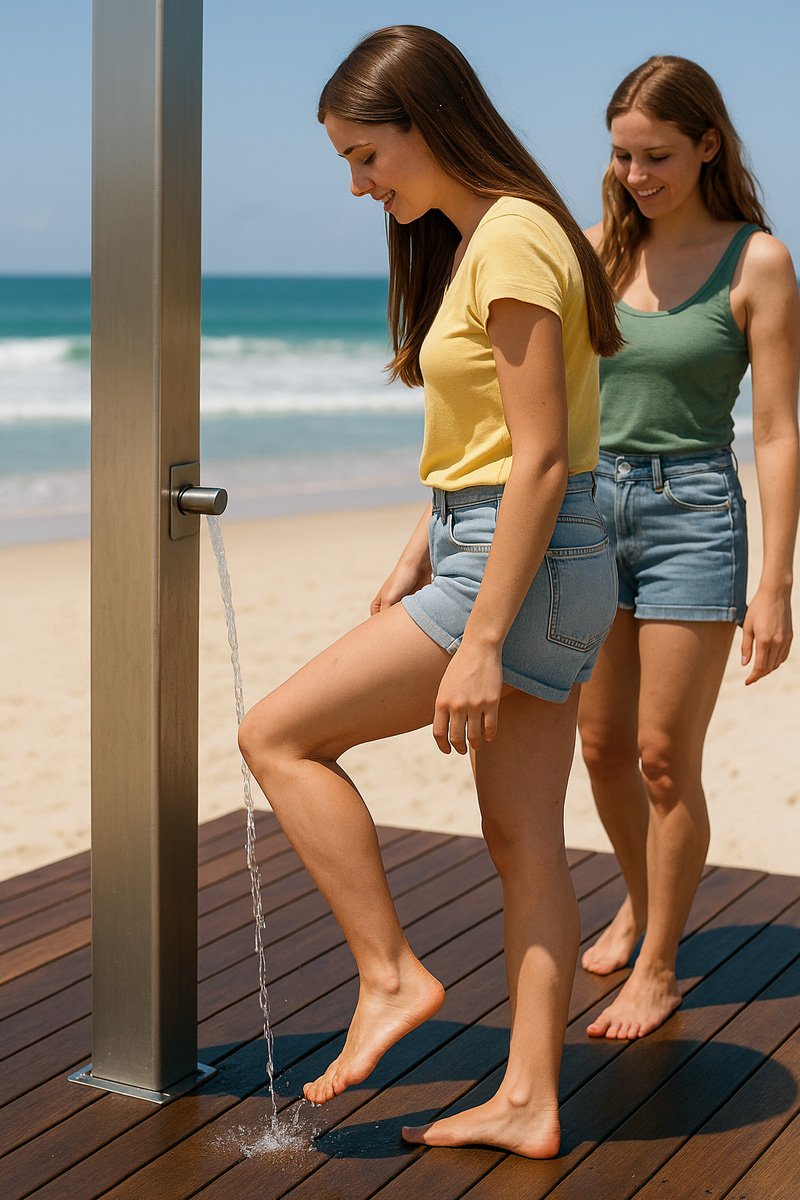
Showers and taps near beach exits are meant for rinsing, not full baths. The idea is to get salt and sand off quickly before heading on - not to shampoo or wash your gear.
If there's a queue, keep it brief. Rinse yourself, your board, maybe your feet, then move on. It's part courtesy, part efficiency. On hot weekends, those showers see hundreds of people an hour.
If you're rinsing under a tap, do it away from the walkway - no one wants to step into a puddle on their way home.
Be Considerate to the Wildlife
The Gold Coast's beaches aren't just playgrounds - they're habitats.
From late spring to early summer, loggerhead and green turtles nest on quieter southern beaches. If you spot a nesting turtle or hatchlings, give them space and alert a lifeguard or the Queensland Turtle Conservation team. Never touch or shine lights on them; it can disorient them.
Seabirds can nest in the upper beach too. If you see signs marking a roped-off area, it's there to protect chicks that blend perfectly with the sand.
And those little blue jellyfish (bluebottles) that sometimes wash up? They sting. Don't expect tough foot soles to protect you. If you're stung, and see the lifeguard tower - they'll have first-aid supplies.
Weather and Water Wisdom
Gold Coast weather is famously forgiving, but it has moods.
In summer, surf conditions can change quickly - especially when a southerly or storm front pushes through. Lightning on the horizon means it's time to pack up. Sand and salt water are both excellent conductors.
Early mornings and late afternoons bring softer light and calmer breezes. The middle of the day can be harsh, so reapply sunscreen often and bring a broad-brimmed hat or rashie. The UV index here regularly tops 10, even when it's cloudy.
Water temperature stays warm most of the year, but winter can surprise you with crisp mornings and clear, glassy surf. It's a favourite season for locals - quieter beaches, migrating whales offshore, and perfect sand for running barefoot.
The Social Side of the Sand
The beach is as much about community as it is about nature.
You'll see early-morning walking groups tracing the tide line, surf clubs setting up flags, and yoga circles greeting the sun. Small talk flows easily here - a "morning" or "how's the water?" is the local version of a handshake.
But respect privacy too. Many people come to the beach to unwind alone. A simple nod or smile goes further than starting a conversation they didn't invite.
Alcohol isn't permitted in public areas, but you won't need it. A cold sparkling water, juice, or takeaway coffee fits the rhythm better anyway. When sunset hits, the beachfront bars and surf clubs are right there across the road if you're in the mood for something stronger.
When You're Done for the Day
Packing up is part of the ritual. Shake off towels, tap sand from shoes (if you've worn any), and make sure the area looks as untouched as when you arrived.
If you've borrowed a public umbrella or used a shade structure near a surf club, return it neatly. And always check that nothing's been left behind - sunglasses and car keys vanish fast in sand.
When you step off the beach and onto the path, that's when shoes come back on. But plenty of locals stay barefoot all the way to the car - and often drive home that way too. It's just how life works here.
In the End, It's About Respect
Beach etiquette on the Gold Coast isn't about strict rules - it's about shared respect.
Respect for the ocean and its moods. Respect for the people who patrol and protect it. Respect for the small courtesies that make a crowded summer morning feel calm instead of chaotic.
If you take the time to notice how locals move, you'll see it's less about what you do and more about how you do it: lightly, quietly, barefoot, and aware.
The Gold Coast beach is freedom wrapped in community. Treat it gently, and you'll fit right in - not as a visitor, but as part of the rhythm that makes the place feel alive.
The Unwritten Rules of the Coast
Gold Coast locals follow a few simple courtesies that keep the coast clean, safe, and welcoming for everyone. Here are some of the main ones to keep in mind around the beach:


Smart Beach Habits For Your Feet
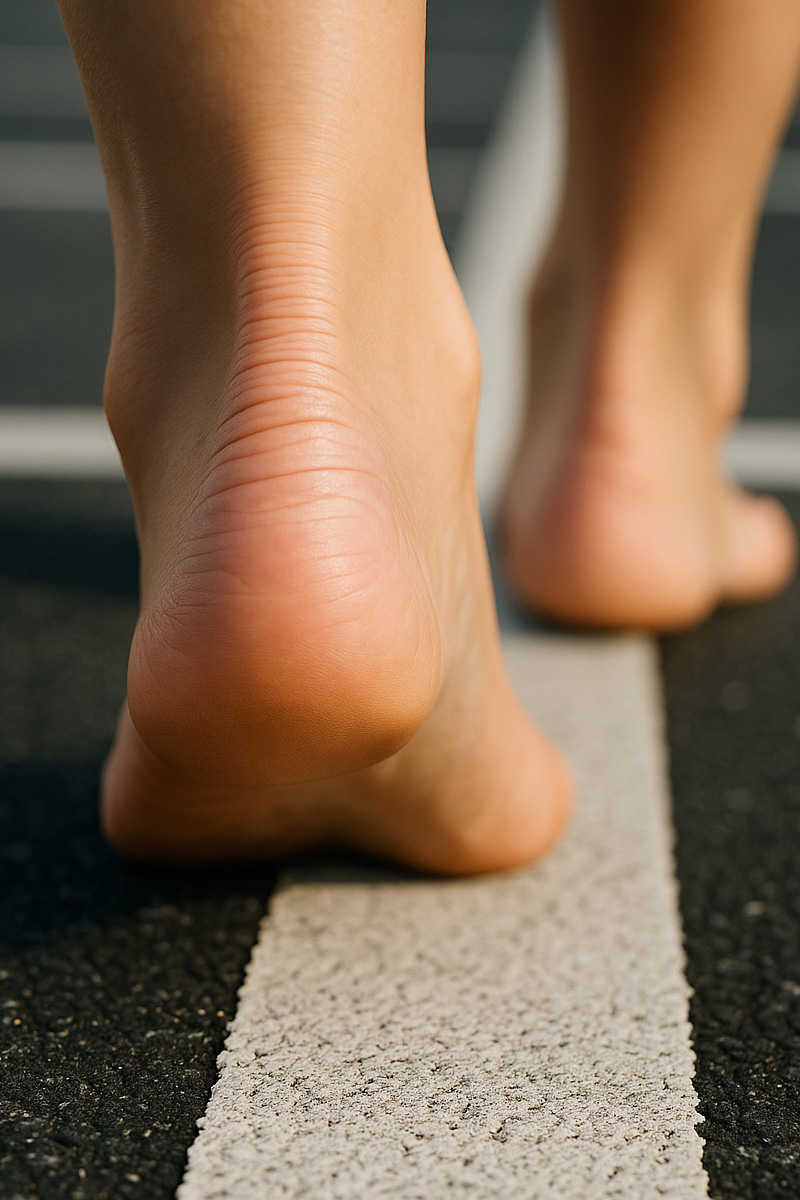
Being barefoot is part of life on the Gold Coast. It's practical, comfortable, and quietly stylish. These simple habits will help you enjoy every step - from the car park to the shoreline - with ease.



You might also like




Disclaimer: Every effort has been made to ensure the accuracy of the information provided, but we make no guarantees regarding its completeness or reliability. The data is presented for general informational purposes only and does not constitute financial, investment, or legal advice. We are not liable for any errors, omissions, or consequences arising from its use. Users should verify details with relevant sources and seek professional advice where appropriate for the most accurate and up-to-date guidance.