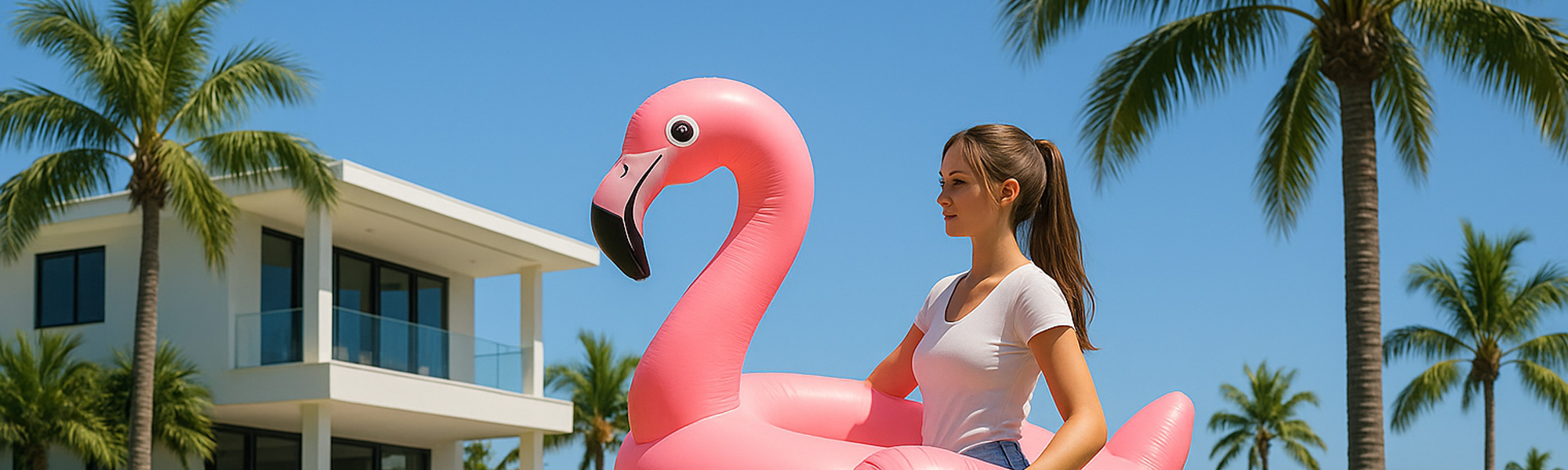
Pool toys are woven into the feel of a Gold Coast summer. They drift across shimmering water, get scooped up by excited hands, and pile into colourful stacks at the end of long, sunny afternoons. Kids form strong emotional attachments to them. A faded dolphin ride-on. A giant ring that's survived more backyard summers than expected. The friendly crocodile that has become a kind of unofficial pool mascot. But beneath their charm lie layers of safety, hygiene and seasonal responsibility that every parent should understand.
Many inflatables and lightweight water toys simply aren't built for multiple summers. They age quickly, they behave unpredictably in water, and once they begin to degrade, they can quietly introduce risks that adults often don't see coming until a moment catches them off guard.
Toys Are Fun, But Never Flotation
It's easy to forget just how fragile pool toys really are. Even the thickest vinyl weakens under sun, heat and repeated scuffing from bare feet. A toy that felt perfectly fine in the morning can start to lose structure by late afternoon. When children lean their weight onto an inflatable, even for a moment, they're relying on something that can collapse without warning.
A sudden deflation can cause a child to tip forward or slip beneath the surface. Some inflatables fold over when they fail, briefly draping around the child and blocking their instinctive movements. Because it all happens mid-play, it can be surprisingly subtle from across the pool area.
Season by season, one truth remains constant. No inflatable should ever be treated as a flotation device, even casually or for a moment. If a toy has thinning patches, stretched seams or a slow leak, it should be retired on the spot.
Keep Toys Clear of Gates, Fences and Steps
A small inflatable ring might look harmless leaning against the pool fence, but from a child's point of view it can become a stepping platform. Anything resting against a gate, even a thin mat or partially deflated toy, can provide just enough height to reach a latch that should be out of reach.
Around steps the effect is similar. Toys can blow into paths, slide suddenly or float directly over the shallow ledge a child expects to find. It's a small detail that can cause a tripping risk. A good pool routine keeps toys out of boundary zones entirely. At the end of each swim, gather everything from the water and place it well away from the fence line and where people walk.
The Hygiene Layer That Families Often Miss
Parents tend to assume inflatables can be rinsed, dried and used again next summer. In reality the build-up from a single season is significant. Every day toys collect sand from the grass, residue from sunscreen, oils from skin, and small amounts of water that work their way into folds and seams. Bare feet scuff dirt into the vinyl and, once stored, the dampness trapped inside multi-chambered inflatables encourages mould and mildew to form in places you can't see.
When these toys are brought out again the following summer, the residue transfers back onto skin and hands. Even toys that look fine on the outside can be carrying an entire season's worth of grit and moisture within their seams.
This is why more families nowadays often choose to replace inflatables each season rather than storing them. It's cleaner, safer and far more predictable than unpacking something that may have deteriorated in storage.
When to Retire a Pool Toy
A toy has reached the end of its safe life when it no longer holds firm shape or when its structure begins to feel uneven. Vinyl that becomes thin, tacky or brittle is a clear sign of UV deterioration. Seams that look stretched or whitened indicate stress that will soon become a tear. Any toy that carries an odour or feels damp inside is harbouring mould and should be removed from the pool area immediately.
Sometimes there's no visible fault at all. The toy has simply lived its summer. If a child relies on it heavily for balance or buoyancy, it's better to refresh the collection than risk a sudden failure in the water.
Responsible End-of-Season Disposal
When an inflatable is no longer safe, destroying it is the most responsible way to prevent it being mistaken for a usable toy.
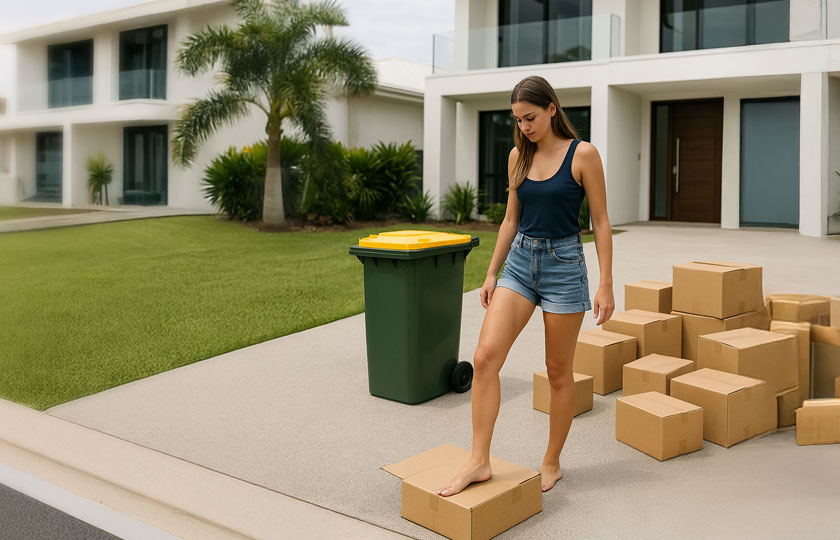
Carry the inflatable onto the grass or next to the bins. Make a small cut with scissors, then press firmly with your hands and feet to release the air. Widen the opening until you can slip a foot inside, step down to anchor the vinyl, and while pinning it to the ground with your feet, pull upward to tear it into manageable sections. Moving your feet along as you work helps keep the material steady and gives you predictable leverage. Bare feet provide the best grip.
Toy-shaped inflatables should be torn into flat, unrecognisable pieces so they can't be confused for something left out to play with. Wading pools and multi-chamber floats need large holes torn into each tube.
It's quick, safe and ensures the item is properly disabled before being placed in the rubbish.
Choosing Safe Toys for the Next Summer
When the new season begins, choosing well makes a real difference. Thicker vinyl withstands heat and pressure better than the thin, discount versions. Toys with multiple air chambers maintain partial buoyancy if one section fails. Reinforced seams, quality valves and simple shapes tend to last longer and behave more predictably in water.
Avoid oversized novelty designs that drift unpredictably or create blind spots across the surface. Opt instead for toys that complement safe play rather than compromise visibility or balance.
Keeping the Pool Area Clear
A tidy pool environment isn't just aesthetic. It's part of a safe swimming setup. A single large tub or mesh rack keeps toys out of sight and prevents crowding near the gate. Every few weeks tip the toys out for a quick check. Anything that feels tired, sticky or soft should be removed.
Pool toys are consumables, not equipment. They're meant to bring joy, take a beating and bow out gracefully at the end of the summer.
Drying Zones and Fresh Water Rinses
Sunscreen, bathers, bare feet, body oils and even traces of pool chemicals all settle onto inflatables throughout the day. Each climb, splash and grab leaves a thin layer of residue that builds surprisingly fast. A quick freshwater rinse at the end of each swim stops most of it before it hardens into a film. Some families use their outdoor shower, others give toys a light spray from the hose or a swift dunk in a bucket of clean water. It doesn't need to be precise. A simple swish as everyone leaves the pool is enough to keep toys feeling fresh.
Drying matters just as much. Set the toys on a surface that's out of the way and catches either wind or sun, allowing them to dry naturally. Sunlight helps sanitise the vinyl and keeps everything smelling clean, but don't leave them baking for hours. Too much UV exposure can fatigue the material and shorten the life of the inflatable. A gentle balance keeps toys clean, safe and ready for their next turn in the water.
Managing the Big Floats
Large inflatables have their own quirks. They expand slightly in direct sun, which softens seams and shortens their lifespan. Left floating for days at a time, they gather algae in folds and stay wet in places that never get sunlight. The fix isn't complicated. Lift them out occasionally, flip them upside down and let them drain fully before heading back into the water.
Many Gold Coast families treat this as a gentle end of day habit. Whoever leaves the pool last gives the big float a tip, watches the water roll out, and sets it in the sun to warm and dry. Those few minutes of attention reveal small punctures or thinning patches before they become a sudden mid swim collapse. It's part of the slow, satisfying rhythm of pool care that keeps everything safer and easier to enjoy.
The Noodle Ritual
Pool noodles deserve a quiet nod of their own. They're brilliantly simple and surprisingly tough, but they hold water more than people realise. Every few uses, bend a noodle across your knee and give it a light squeeze along its length. The water streams out in a familiar pattern, marking yet another small moment of Gold Coast summer life.
This keeps noodles lighter, cleaner and far less likely to develop the musty smell they sometimes take on when stored damp. It's a tiny ritual, but one that keeps the pool area feeling fresh.
Storm Prep and Wet Weather Breaks
Summer storms roll in fast, and they can leave toys wet, soggy and battered for days if they're left out. A simple storm routine prevents most of that. When a downpour is forecast, gather toys under cover or bring them onto the veranda. Some families deflate the larger toys during long spells of bad weather, but many simply move them beneath the patio roof to keep everything dry and out of the wind.
This avoids mid season repairs and stops toys from being thrown around the yard or pressed against the pool fence during gusty weather. It also makes the first swim after the storm brighter and easier, with clean, dry toys ready instead of a waterlogged pile waiting to be sorted.
Poolside Etiquette and Guest Comfort
Homes that host often develop a gentle poolside etiquette without ever discussing it. Guests gravitate to toys that look clean, dry and well cared for. They're more likely to grab a ring or hop onto a float when everything looks inviting. When toys are slimy, waterlogged or dusty, people instinctively leave them alone.
Cleanliness quietly becomes part of the hospitality of the backyard. Sun warmed toys lined neatly along a drying zone, noodles drained and ready, floats flipped and fresh create an atmosphere where guests feel comfortable settling in for a relaxed swim. No one needs to say anything. The care speaks for itself and becomes part of the poolside experience.
Pool toys are part of the magic of a Gold Coast summer, but they work safely only when they're in good condition and used thoughtfully. By managing clutter, inspecting toys regularly, keeping them clear of gates and steps, understanding how they behave in water, and retiring inflatables at the right time, you'll create a cleaner, safer and far more enjoyable environment for your family. A few mindful habits are all it takes to keep the fun flowing without unnecessary risks.
You might also like

Disclaimer: Every effort has been made to ensure the accuracy of the information provided, but we make no guarantees regarding its completeness or reliability. The data is presented for general informational purposes only and does not constitute financial, investment, or legal advice. We are not liable for any errors, omissions, or consequences arising from its use. Users should verify details with relevant sources and seek professional advice where appropriate for the most accurate and up-to-date guidance.