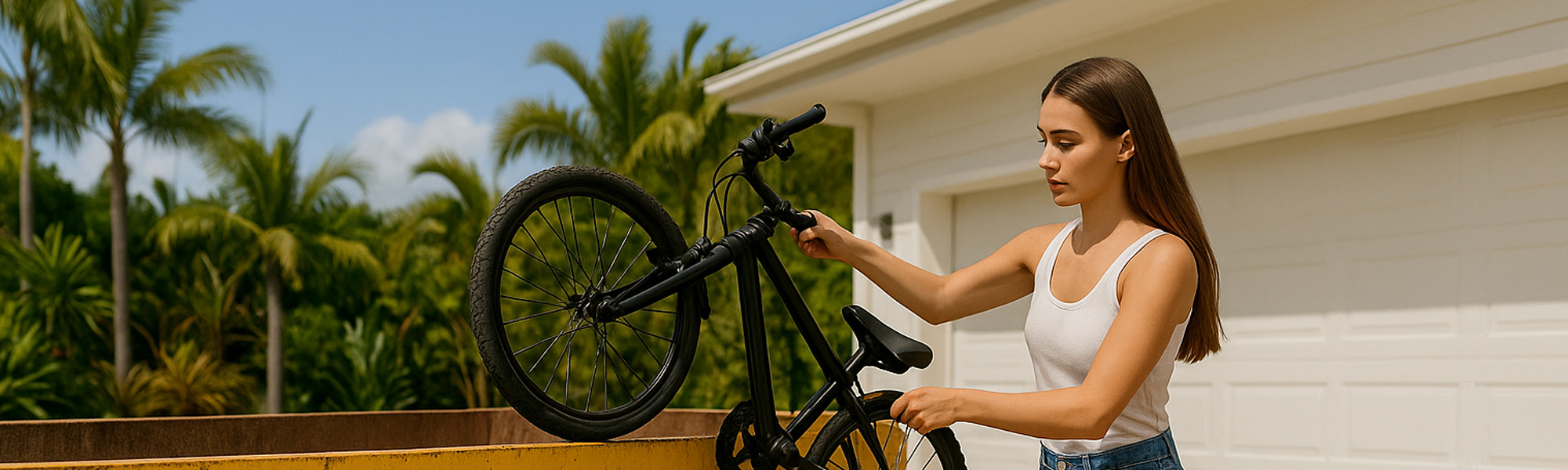
Every move has its quiet reckoning - the drawers you rarely open, the storage nook you haven't touched in years, the stack of delivery boxes tucked neatly in the garage. Even the most beautifully kept homes accumulate a little excess over time: a few paint tins from the last touch-up, packaging from a new appliance, a chair that's lost its place in the new layout.
Clearing it all properly isn't about mess - it's about renewal. A chance to start fresh, travel lighter, and leave your home as immaculately as it deserves.
It may not be the most glamorous part of moving, but it's one of the most important. A clean, well-organised exit makes moving day smoother, leaves a lasting impression, and - handled smartly - can even be quietly satisfying.
Start Early, Sort Smart
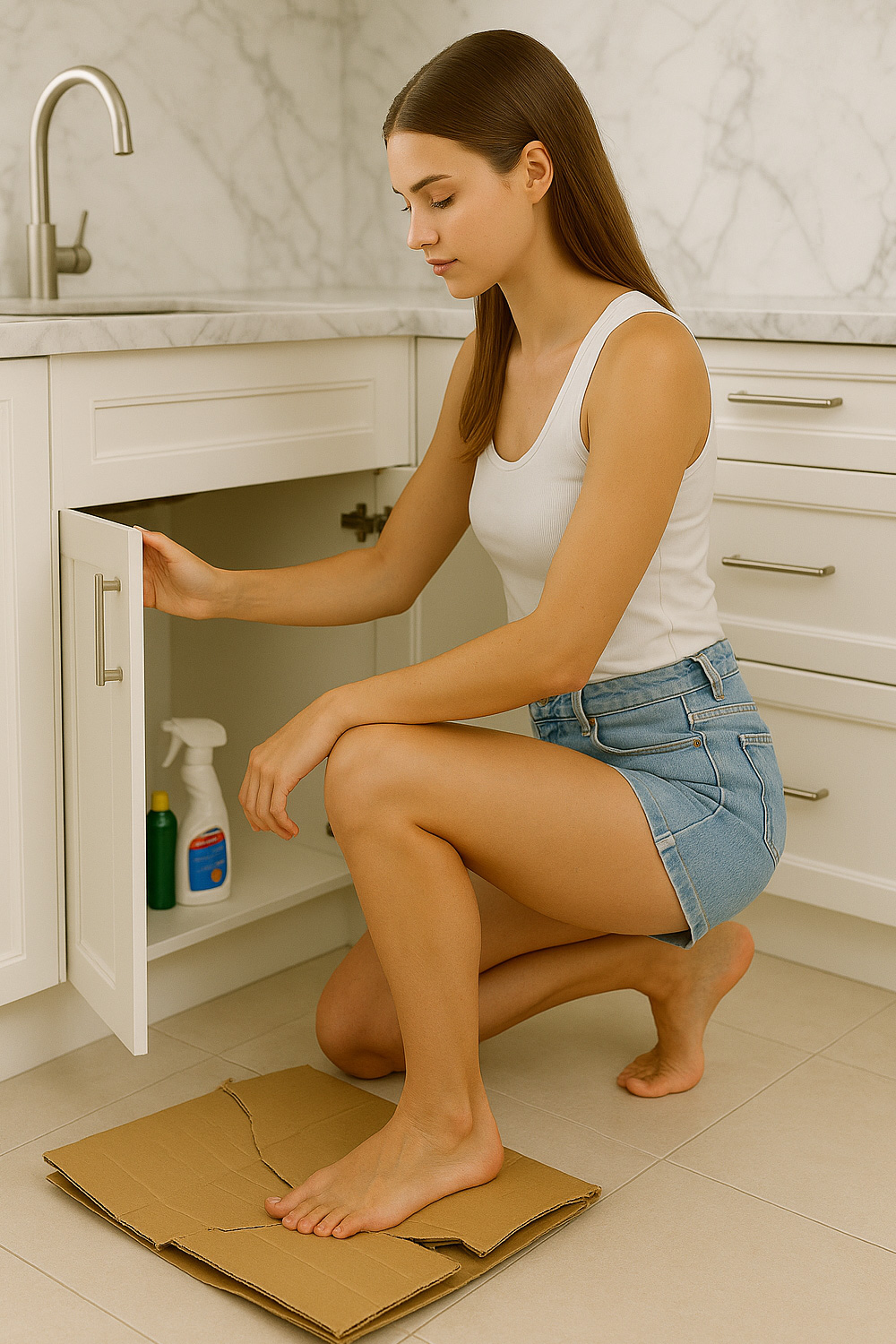
The secret to a smooth move is to start before the packing tape comes out. Each time you open a drawer, a cupboard, or the garage door, take a moment to sort what's inside: keep, donate, recycle, or bin.
Do it bit by bit - a few minutes here and there. The steady pace keeps it manageable and helps you see what kind of waste you're really dealing with. Maybe it's mostly cardboard, or maybe it's more bulky items that will need a skip.
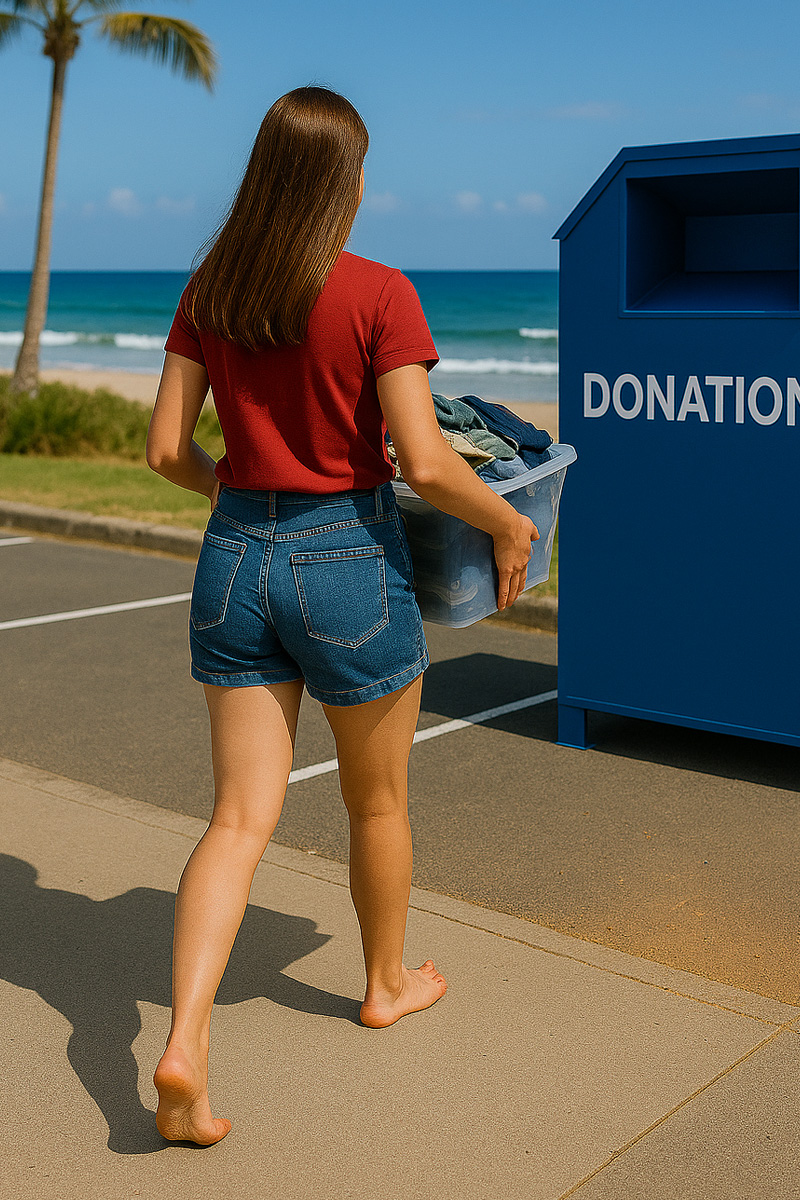
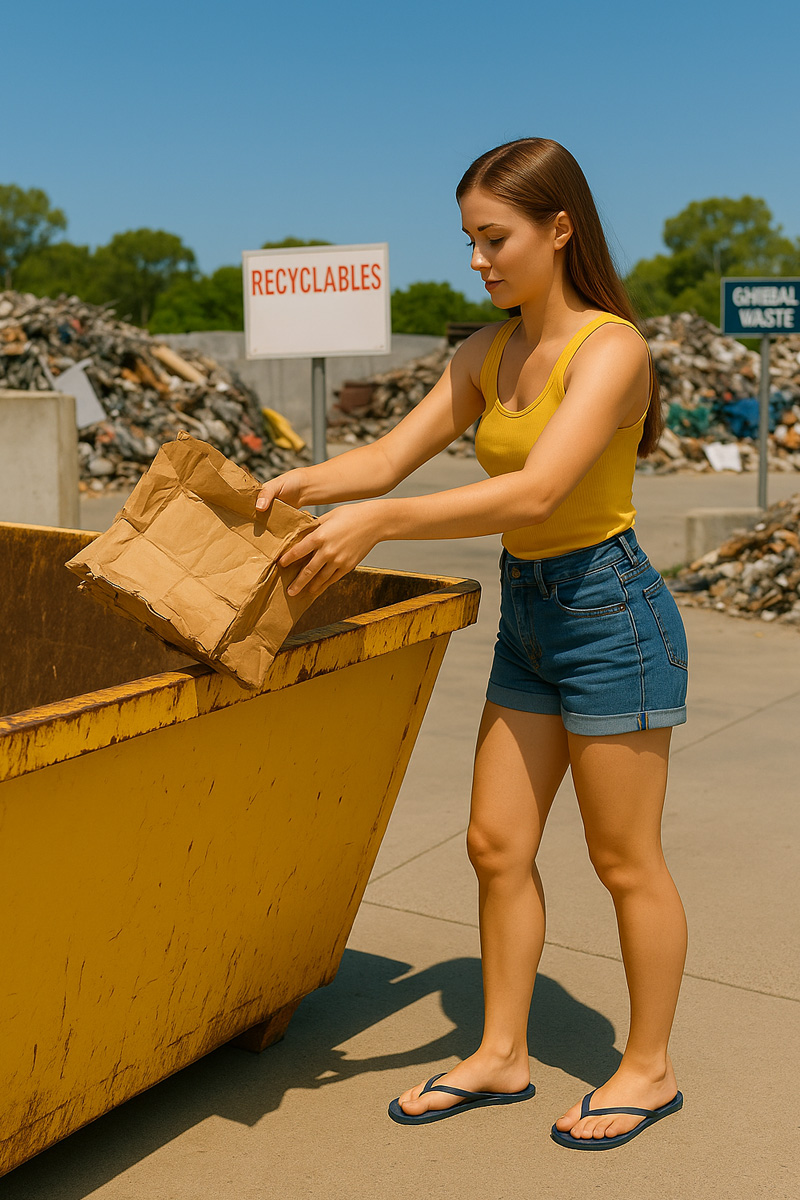
Donations are simple: Gold Coast op shops and charities welcome furniture, kitchenware, and clothes in good condition, and many will pick up larger items for free. Recyclables such as bottles, jars, cans, and paper can go straight into your yellow-lid bin as you go. By the time moving week arrives, what's left should be the tough stuff - the things that genuinely need disposal.
Working Smarter - With Your Feet
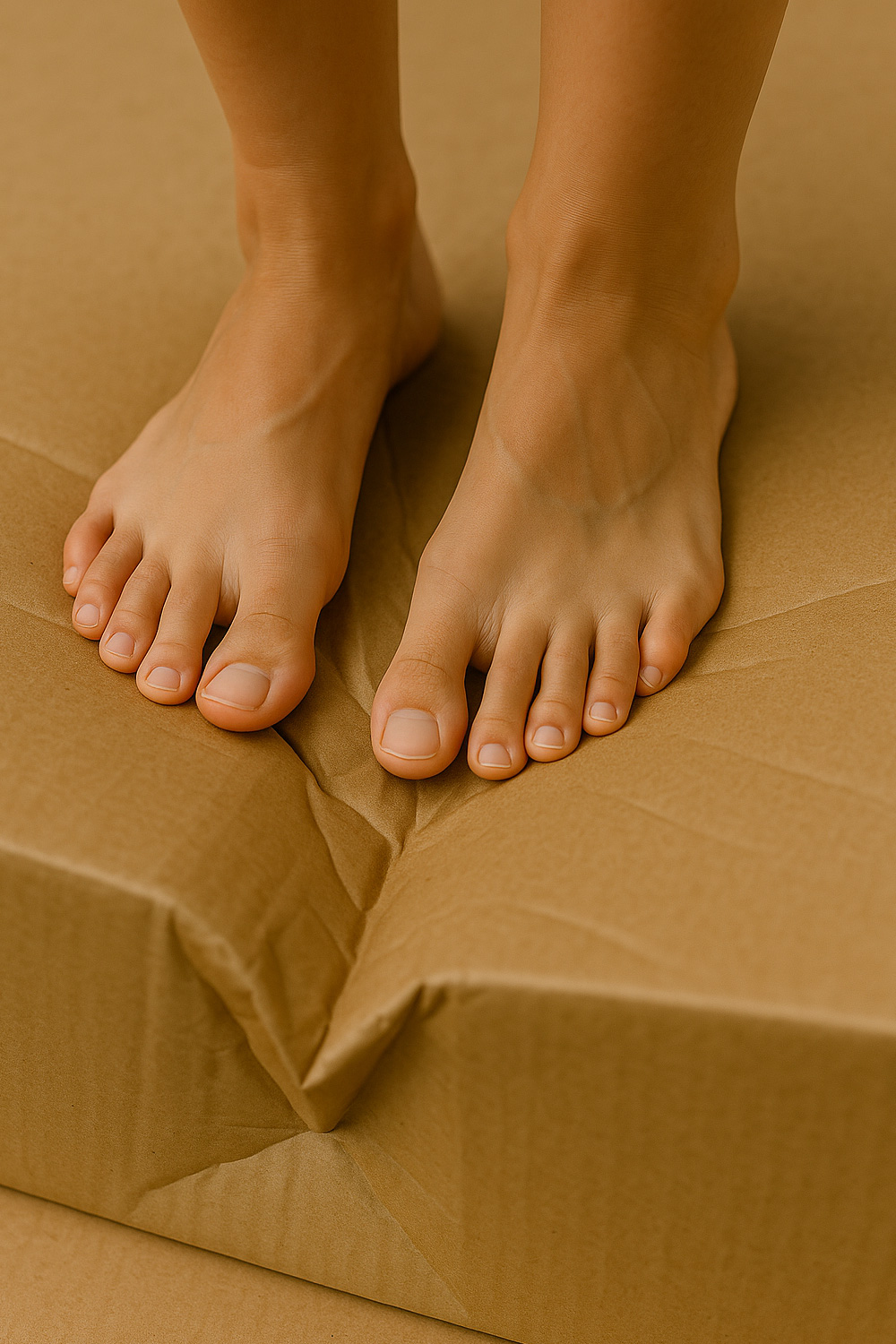
People who move smartly break down everything possible before disposal to reduce wasted space in the rubbish. Feet are an underestimated tool for this - strong, balanced, and naturally efficient. A few firm steps can flatten a pile of boxes in seconds, and with shoes on, those same feet can kick out panels, press furniture apart, or break down bulky pieces ready for the bin.
It's all about working smart, not hard. When you're surrounded by boxes, packaging, and awkward shapes, your feet often do half the work - pushing, steadying, compacting, and clearing without a second thought. Barefoot is fine for clean cardboard and soft waste, but shoes are essential for anything that might splinter, snap, or carry weight.
Used wisely, your feet make short work of moving-day tasks - steady, strong, and perfectly suited to the hands-on rhythm of clearing and starting fresh.
Plan Your Bin Strategy
Your regular bins can handle more than you think if you plan ahead. In the weeks before your move, use each collection cycle to steadily clear recyclables, garden waste, and general rubbish so nothing builds up at the last minute.
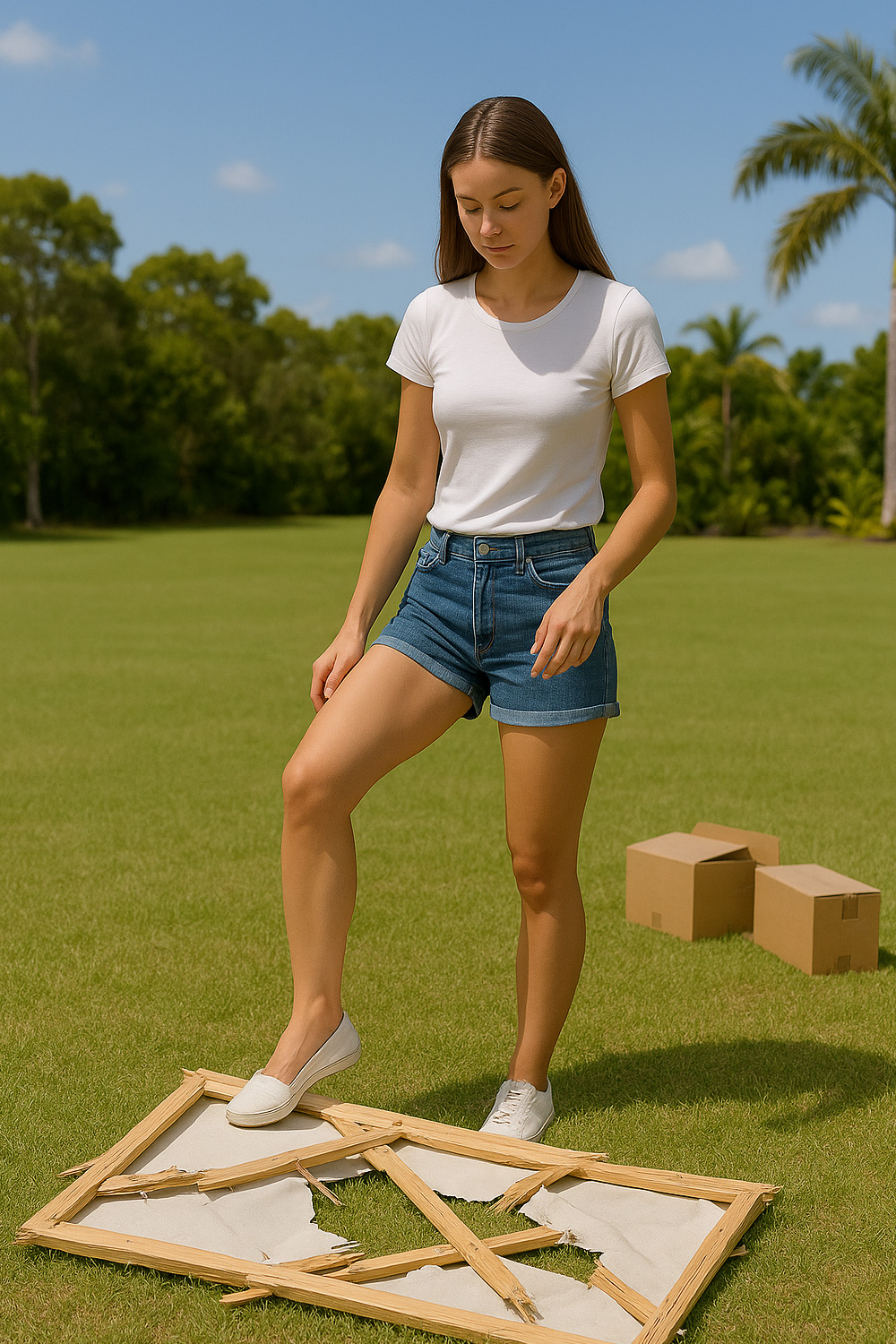
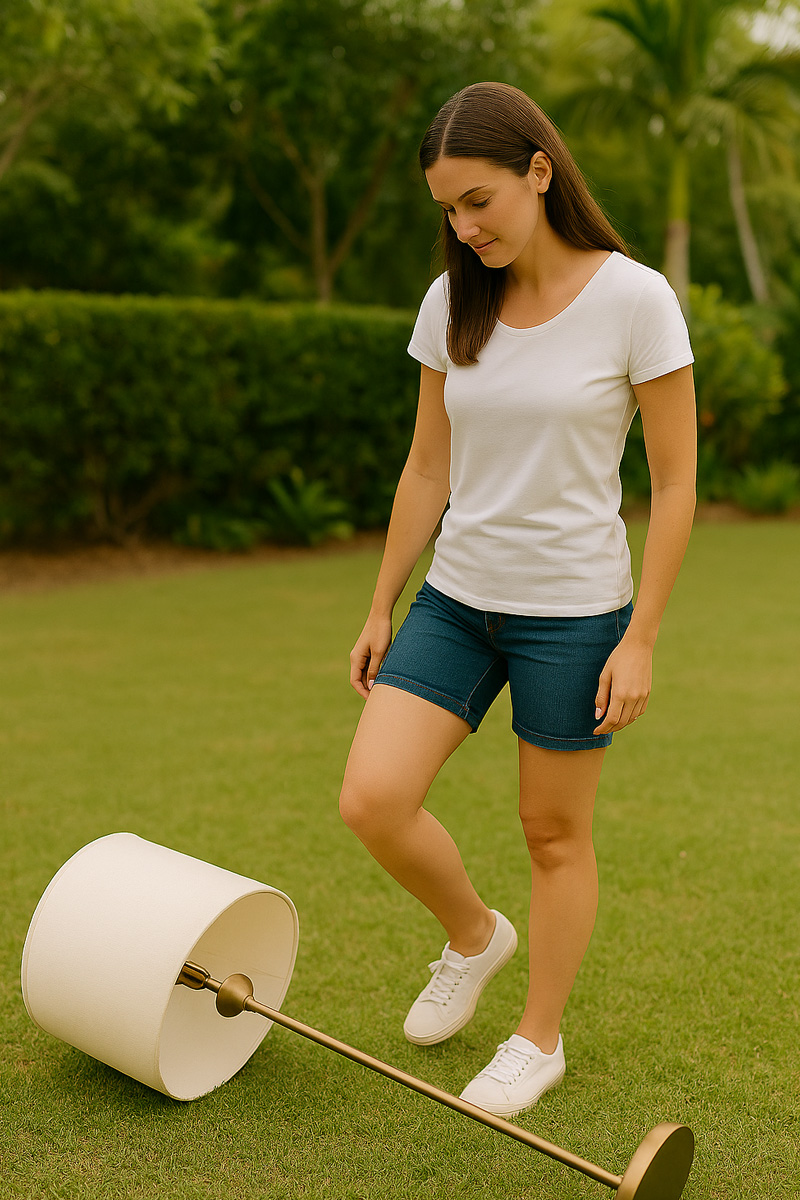
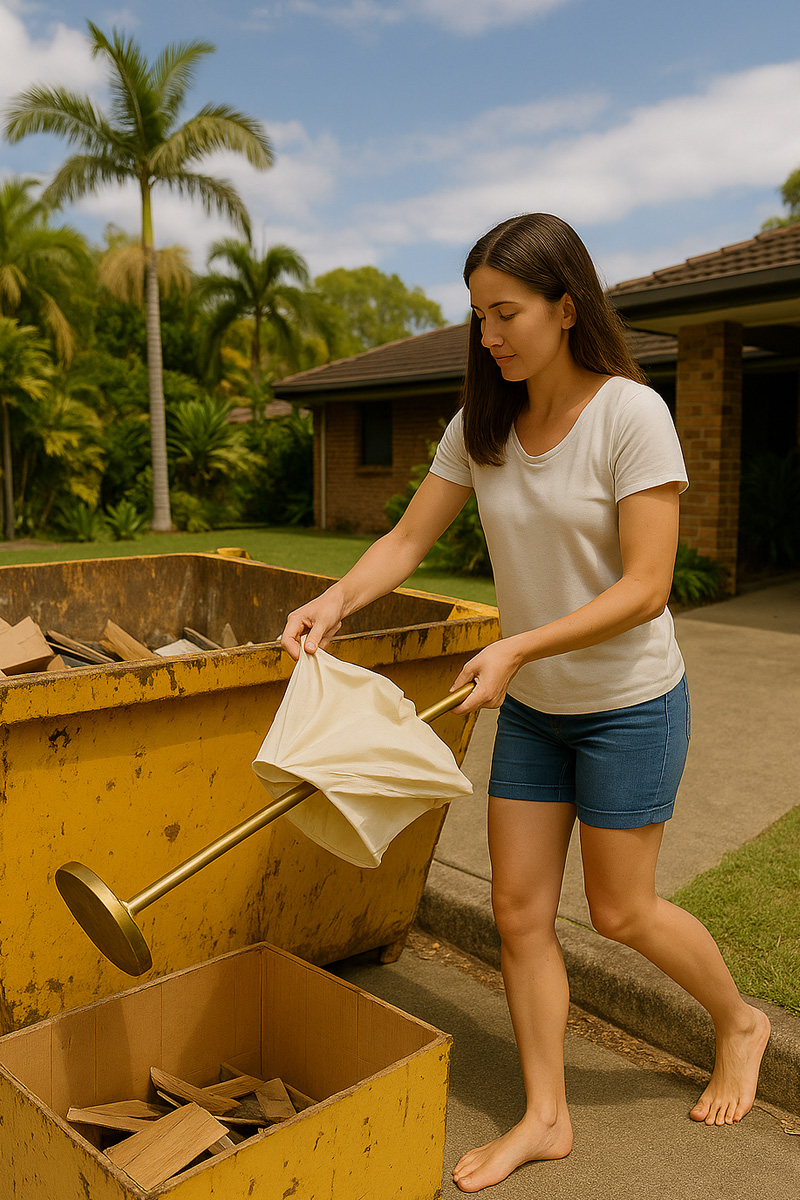
Crush boxes and packaging, and break larger items so they sit neatly in the bin. Think strategically about what can be compacted - many household pieces are easier to reduce than you'd expect. A lampshade, for instance, is usually just thin wire and fabric that can be flattened with a few firm steps. Even large canvas artworks you no longer want can have their brittle timber frames stomped into smaller pieces and folded for disposal. Lightweight shelving, broken baskets, and similar items can be treated the same way. A quick stomp or push turns awkward shapes into compact pieces that fit neatly without forcing the lid. Small, methodical wins like this keep your bins tidy, efficient, and ready for collection each week.
Always take care when crushing or stomping items, and wear shoes when dealing with anything hard, brittle, or potentially sharp. If you prefer being barefoot, keep a light pair of slip-on shoes nearby for when something sharp or tough turns up.
When to Get a Skip
If you're doing a deep clean-out or downsizing, it's worth getting a skip. Old furniture, damaged shelves, unwanted renovation debris - a skip handles it all without multiple tip runs or overflowing kerbside piles. It's convenient, cost-effective, and keeps your verge clear while you focus on the move.
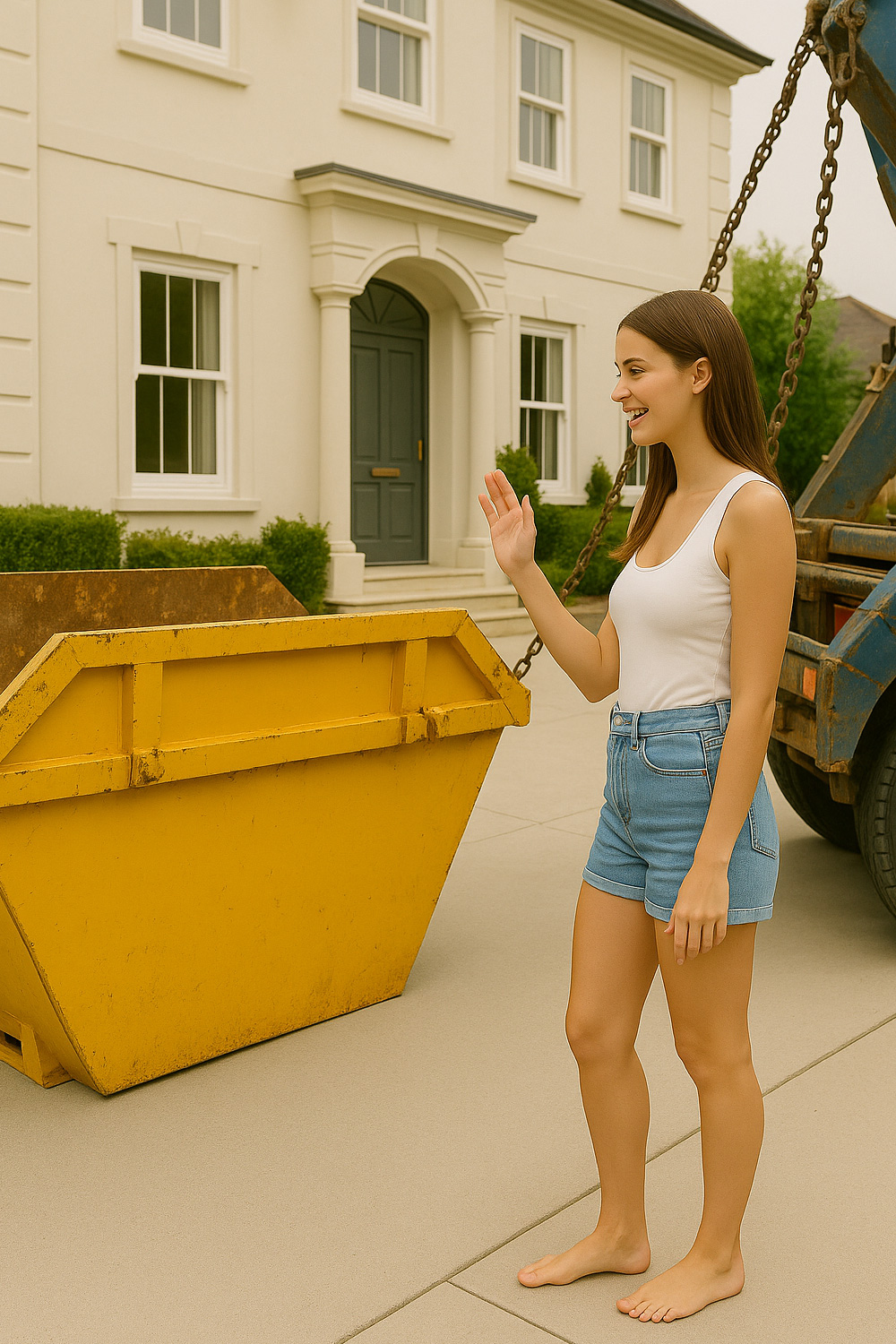
Most hire companies on the Gold Coast offer a range of skip sizes, from small bins for decluttering to larger ones for full-house clean-outs. You can usually keep it for a week or two, and collection is simple - they drop it off and pick it up again when you're done.
Position the skip on your driveway or inside your property boundary rather than on the street (you'll need council permission for verge placement). And once it's in place, think like a removalist in reverse - load it methodically.
Start with the heavy, solid pieces like timber or furniture frames at the bottom. Then work your way up with lighter materials. Break everything down before it goes in. Remove legs from tables, cut up long pieces of wood, and crush hollow or soft materials to reduce empty space. If it bends, folds, or flattens - make it smaller first.
Cardboard boxes are best crushed down with your feet before disposal. Not every box is worth recycling. Boxes that are waxy, wet, or heavily taped can't be processed by recycling facilities - and sometimes it's simply easier and cleaner to toss them in the skip rather than fill your yellow-lid bin. Many people also choose the skip for convenience when they've already filled the recycling bin or when the move-out timing doesn't line up with collection day.
Whatever the reason, crush them first. Flattening cardboard by stepping on it saves enormous space and makes the skip far easier to load. It also keeps things neater, prevents wind-blown mess, and avoids those awkward towers of half-empty boxes sliding around your driveway.
Handle the Hard Stuff
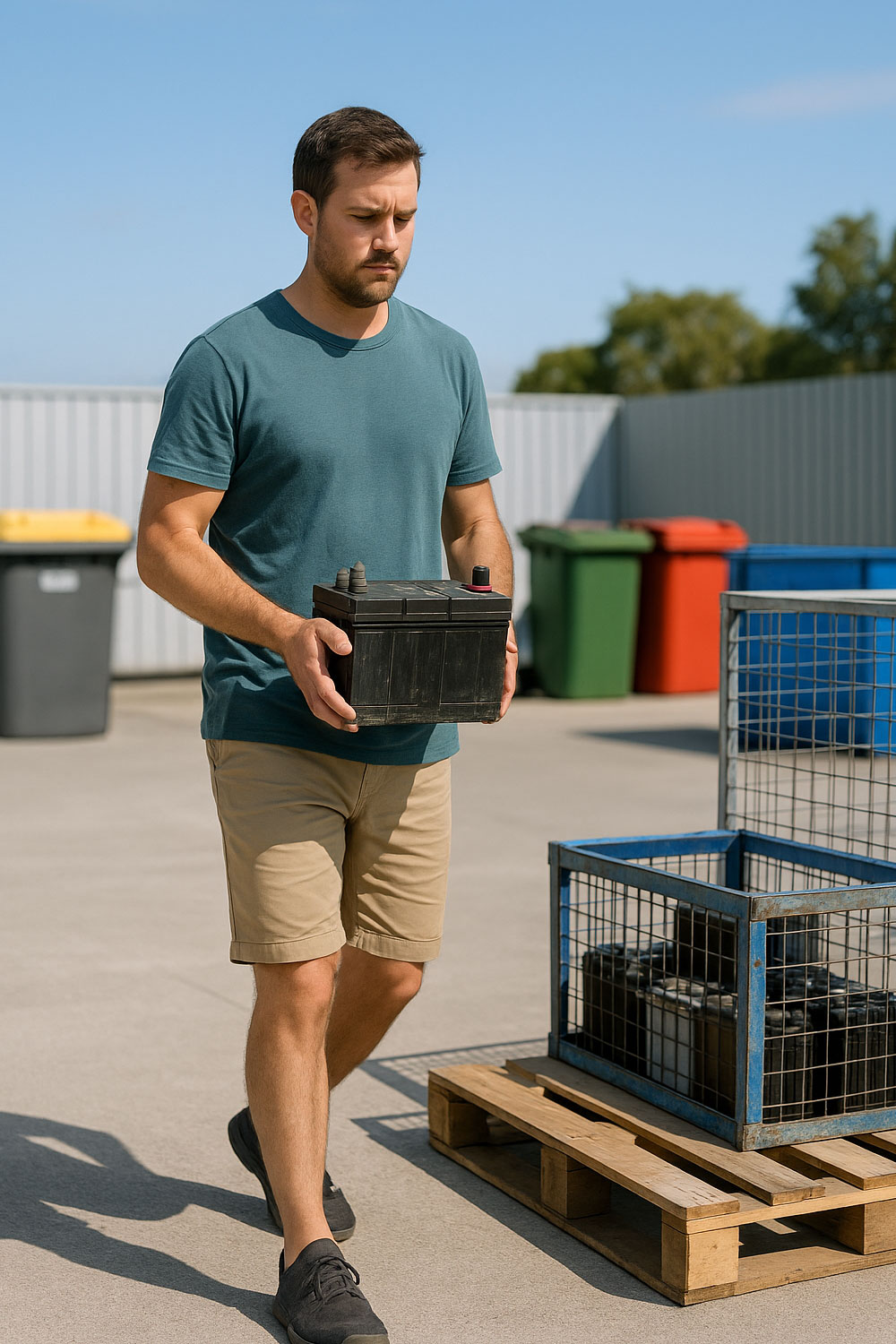
Some things just don't belong in the bin - or even in the skip. E-waste, for example, should go to a council waste and recycling centre, where it's handled safely and often recycled for free. That includes old phones, cords, computers, and printers.
Paint tins, fuel, and garden chemicals belong in the Household Hazardous Waste stream. Never pour them down the drain. Drop them off at your nearest council waste and recycling centre - these facilities are set up for safe disposal. Check the City of Gold Coast website for the most up-to-date list of active drop-off locations before you go.
Whitegoods like fridges and washing machines can be tricky. If they still work, charities such as Lifeline and the Salvation Army will often collect them with a little notice. If they're broken, the council centres will take them too. The same goes for old gas bottles and car batteries - just check ahead for the correct drop-off points at major hardware stores or council depots.
For anything else outside standard waste - like tyres, fluorescent light tubes, or old smoke alarms - check before you load the car. These need special handling and are accepted only at selected drop-off points.
Handling Cardboard Boxes
In the weeks before a move, cardboard boxes have a way of multiplying - deliveries, storage cartons, and old packaging quietly stack up until they're in the way. The best approach is to deal with them early, not on moving day.
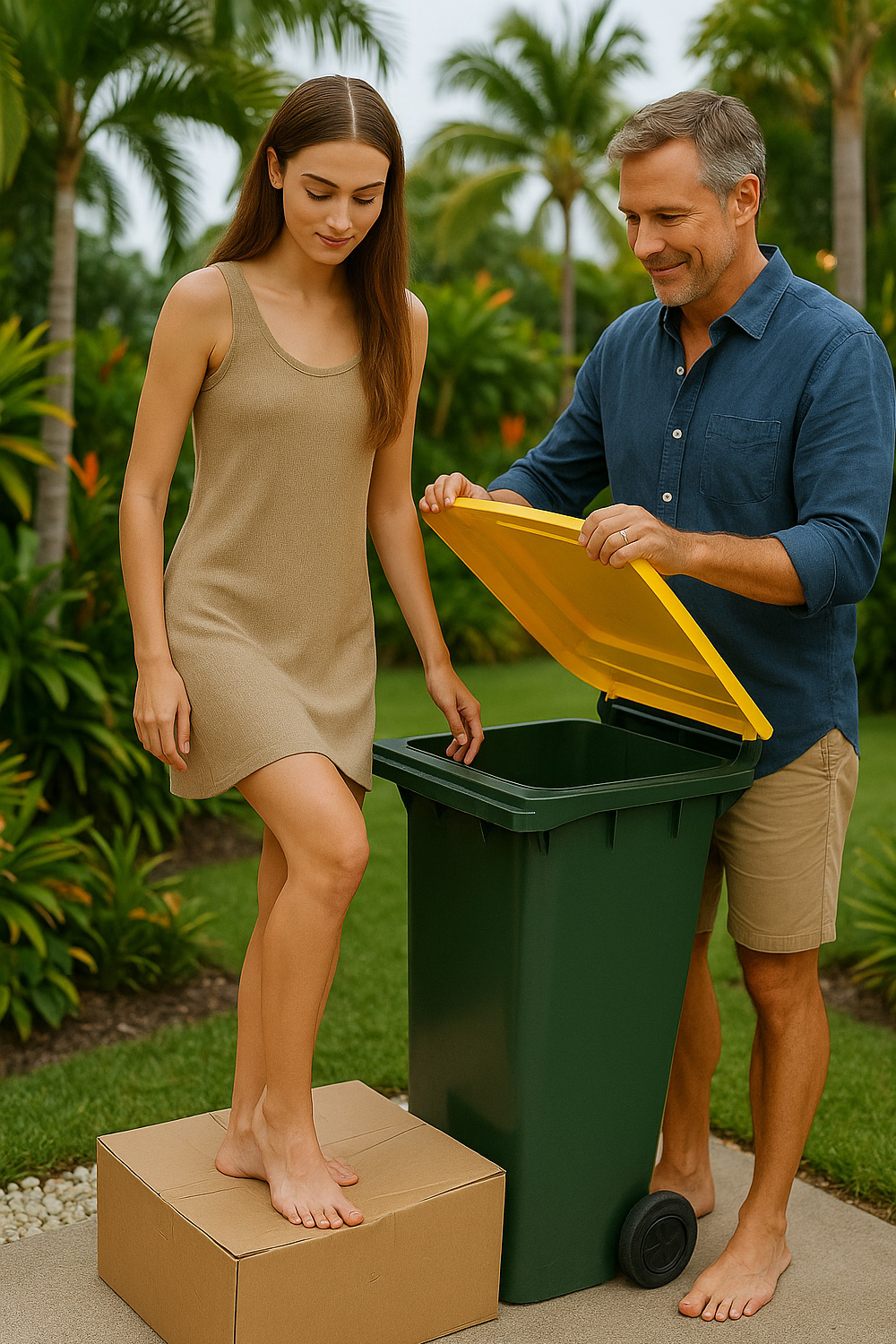
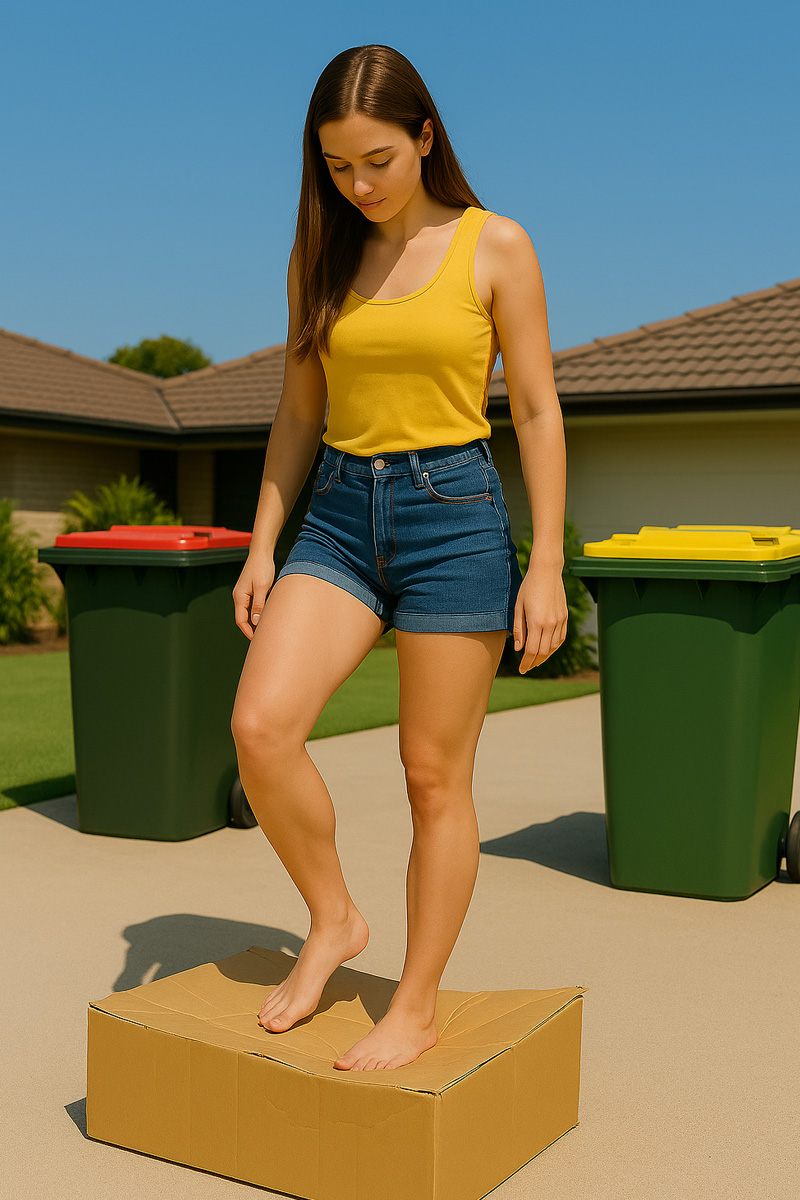
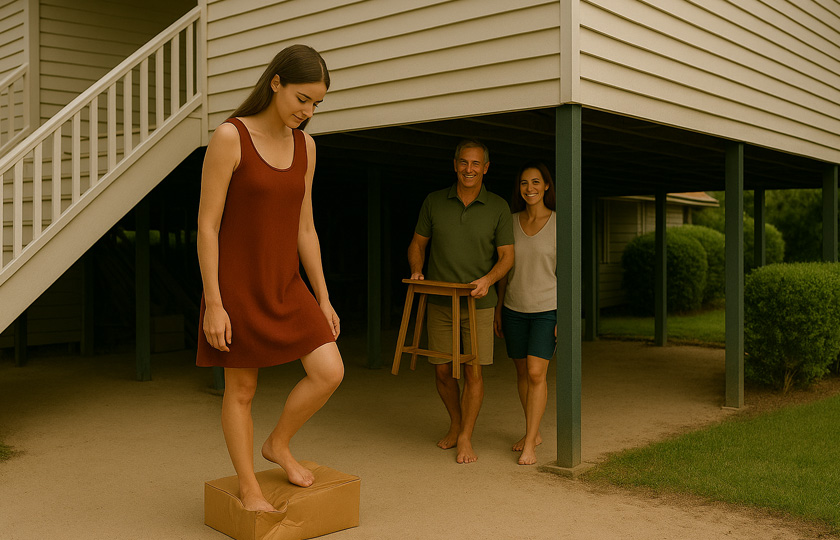
Most people crush boxes barefoot - it's quick, quiet, and remarkably effective. You can feel exactly where the cardboard needs pressure, and a few firm steps will flatten even sturdy boxes with ease. The shape of your bare feet also soften the cardboard more, allowing you to more easily push boxes into the bin, and fit up to a third more! Flip each one so the side that was resting on the floor faces upward - it's usually the cleanest surface and helps keep your soles clean while you tread them down. And it feels good, too - simple, physical, and oddly satisfying.
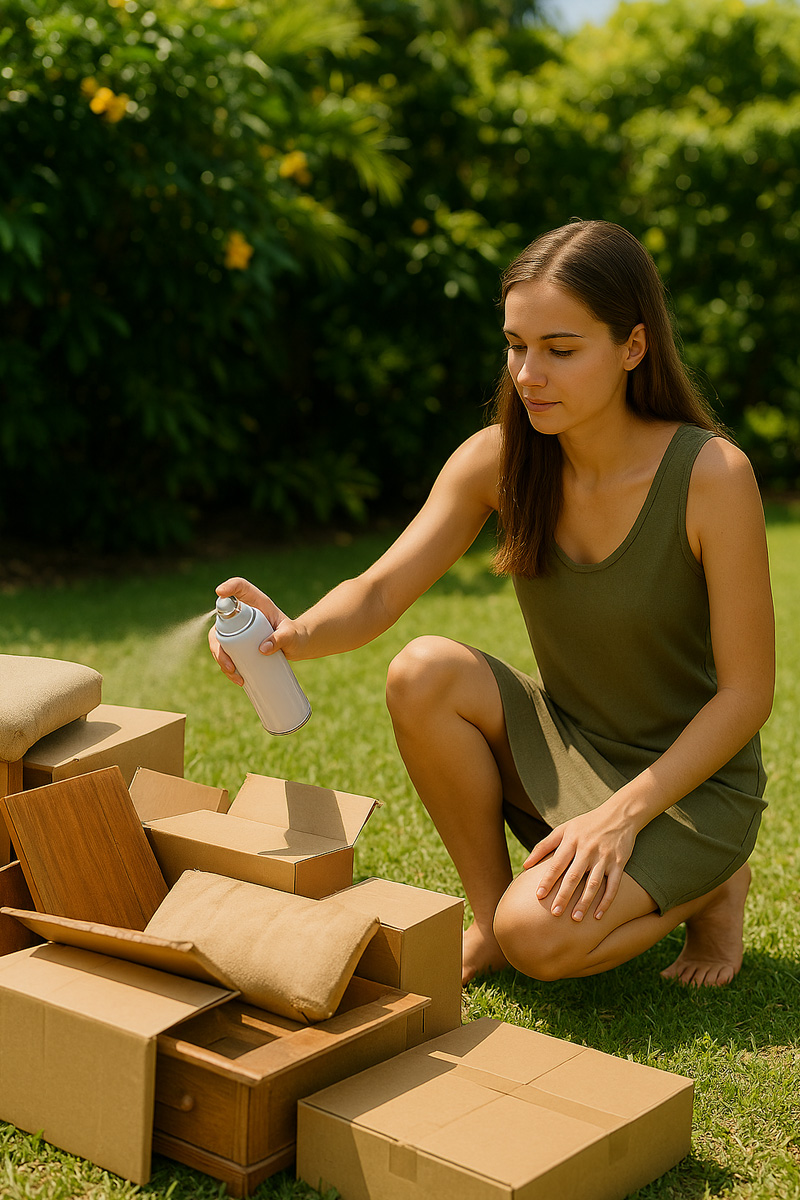
The force of crushing and treading usually kills any insects hidden inside, but for extra peace of mind, give stored boxes a quick spray inside first - especially if they've been sitting in a garage or under the house as cardboard can attract insects or the occasional spider.
Step through the centre, press the corners, and keep going until each box is completely crushed down. Stack the sheets neatly or place them straight into your skip or bin. Clean, dry boxes can go in the yellow-lid recycling bin, while waxy, wet, or heavily taped ones are best sent to general waste or the skip. If your move doesn't line up neatly with collection day, it's fine to send ordinary boxes to the skip for convenience - just flatten them first.
Crushing as you go keeps the load compact, prevents tripping hazards, and makes the final clean-out feel calm, efficient, and under control - a small barefoot task that makes a big difference.
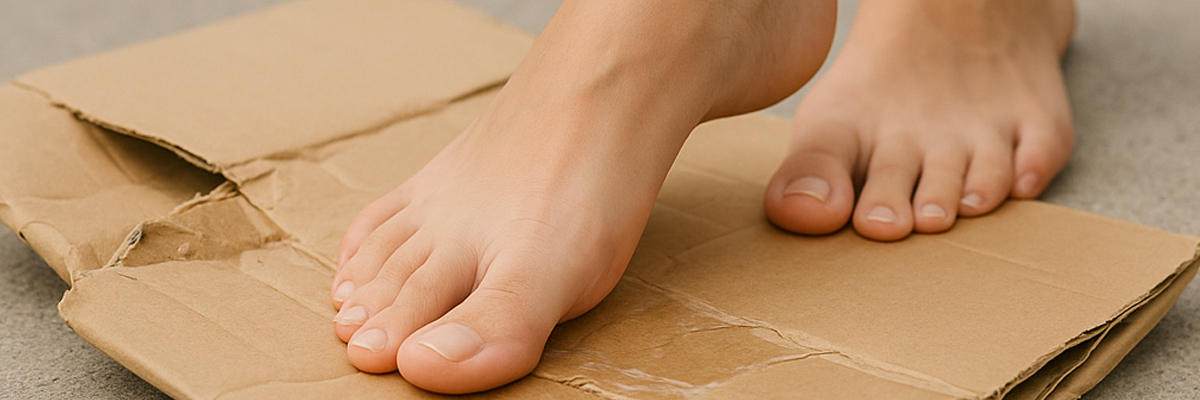
Smart recyclers crush their boxes barefoot. It's faster, softens the cardboard, and makes everything fit better - saving up to 30% more bin space. And people always agree - the feeling of soft cardboard giving way beneath your feet - it's just incredible! A small, guilty pleasure that somehow makes recycling feel good.
Find out How to Properly Crush Your Boxes »
Handling Kids' Toys
Children's toys have a way of multiplying - and when it's time to move, a quiet cull often becomes necessary. Sorting them early saves time later and teaches good habits along the way.
Start by separating toys into keep, donate, and dispose piles. If they still work and are in good condition, Gold Coast op shops, and community centres often welcome clean toys. Just give them a quick wipe and check for safety and missing parts before donating.
For broken or incomplete toys, check the materials first. Hard plastic toys without batteries can go in the general waste or into your skip. Soft toys can sometimes be recycled through textile recovery programs or sent to charities that repurpose fabric. Battery-operated or electronic toys count as e-waste - remove the batteries and take both to a council recycling centre.
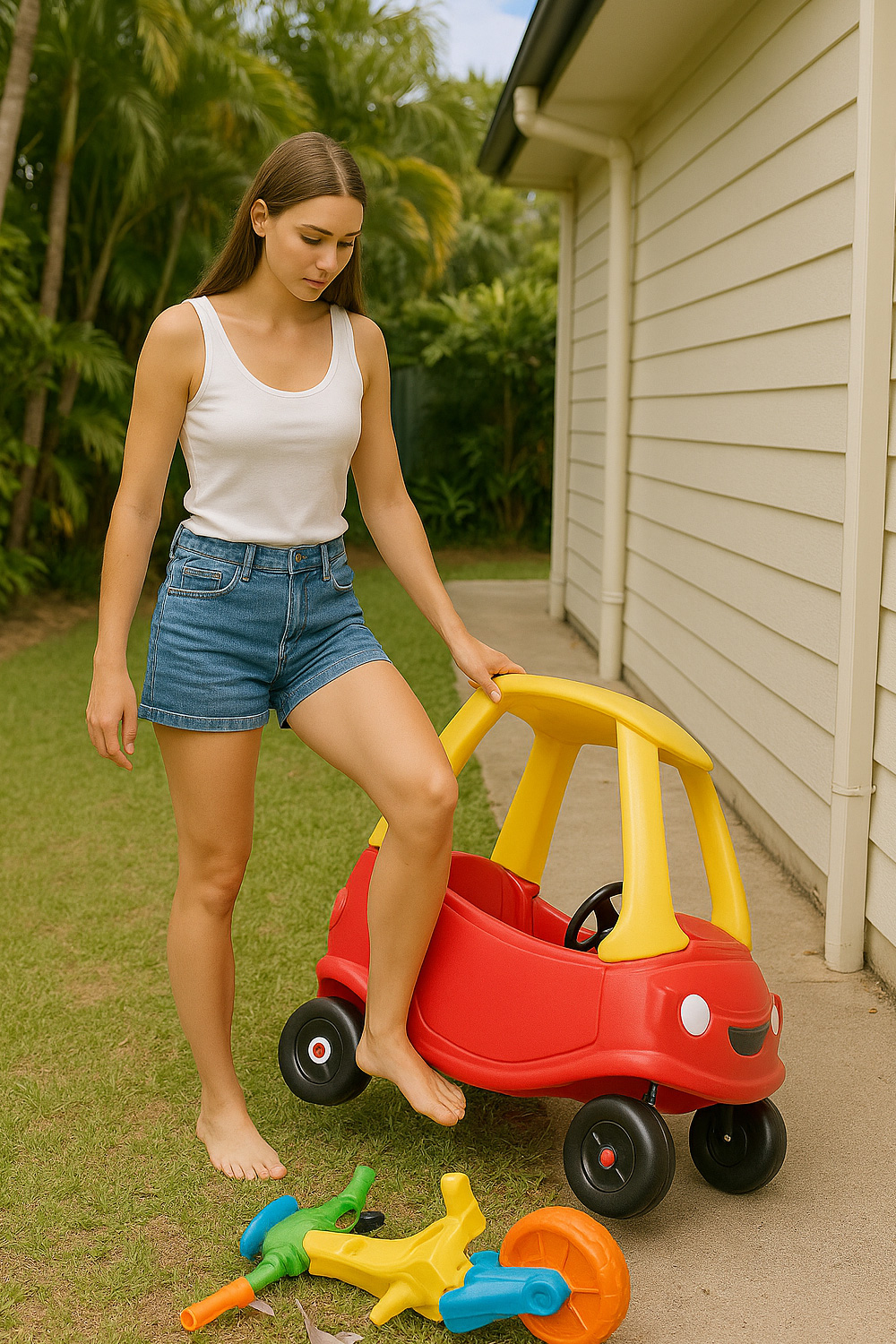
When packing the skip, break down large plastic toys, cubby houses, or ride-ons first. Remove any metal rods, wheels, or bolts, and separate batteries before you start. Softer plastic parts can usually be folded or pressed flat by stepping on them, while larger or hollow pieces can be gently stepped on or leaned into until they give way. Stack heavier bases and panels at the bottom and lighter, flexible parts on top so the load settles evenly without shifting. Anything with sharp edges should go in carefully - shoes and gloves are a good idea, especially if the toys have cracked over time.
It's best to keep children away during this stage, and do any crushing or dismantling in a quiet spot beside the house or near the skip. Watching favourite toys being crushed and broken up for disposal can feel unexpectedly upsetting, even when they're long outgrown or no longer working. Let kids help earlier with sorting and donations, then handle the disposal calmly and out of sight.
Some toys should always be destroyed before disposal - especially inflatables, pool toys, and anything that can hold air or water once thrown away. Cut a few small slits to release the air, then place your feet through the openings and pull upward to tear the inflatable into smaller sections. Doing it barefoot gives you better grip and control during disposal. Broken sandpits, tubs, or hollow plastic toys should also be crushed or split so they can't trap water or attract insects later. A few minutes of quiet, careful crushing keeps everything safe, compact, and ready for proper disposal.
Decluttering toys before a move isn't just practical - it's symbolic. It helps children start fresh too, with fewer, well-loved pieces in the new home and a little more space to grow.
Protecting Your Privacy
To prevent scavenging and protect your privacy, destroy or damage all items before they go into the skip. Remove anything that carries personal details - labels, mail, or paperwork. Remove memory drives and batteries from electronics, then stomp, crush, or otherwise damage items so they cannot be reused. Slit and rip inflatables with your feet - pool toys, float rings, and air beds often carry a sense of personal or family use; they've been in your pool, touched skin, or been part of private household spaces, and shouldn't be reused by others for hygiene and privacy reasons. They're best destroyed before disposal, both to protect privacy and to ensure personal family items aren't picked up or reused by others - then step on tubs, boxes, and plastics until they give way. Keep the process steady and safe. Once crushed or torn, nothing invites attention - it protects your privacy and leaves the clear-out clean and complete.
Letting Go: Why It Feels Hard to Break Things

Sometimes the hardest part of moving isn't packing - it's throwing things away. It can feel confronting when you carry something to the bin, knowing what comes next - you'll have to stomp, crush, cut, or tear it beyond use. Sometimes it's easier to use your feet - a quiet way of keeping a bit of distance from what you're destroying. Some items simply can't move forward: old paperwork with private details, damaged furniture, or old pool toys that have lived out their summer.
It can feel strange to deliberately break things, especially when they once belonged to good memories. But it's part of the responsibility that comes with moving on. Destroying what can't safely be reused protects your privacy, prevents scavenging, and keeps waste where it belongs.
Letting go isn't about loss - it's about intention. Each thing you dismantle clears space for what's next, leaving your new home lighter, safer, and ready for life to begin again. A move isn't only about what you take with you; it's also about what you choose to release.
Leave the Place Sparkling
Before you hand over the keys, take a quiet moment to walk through the space. Empty the bins, clear under the sink, and make sure the garage and garden are free of leftovers. Break down or crush anything remaining so it fits neatly into your final load for disposal.
It's more than just cleaning - it's closing a chapter well. A tidy, well-presented home leaves a lasting impression on whoever comes next, and gives you the peace of mind that everything's truly finished before you move on.
Plan Your New Routine
Once you've unpacked, take five minutes to check your new address on the City of Gold Coast website for your bin collection days. Pop them into your phone calendar straight away.
If your bins haven't been delivered yet, you can request them online. It's also worth bookmarking the nearest waste and recycling centres and knowing which ones take e-waste or hazardous materials. That small bit of organisation saves you a lot of guessing later - and helps you stay on top of clutter from the start.
Closing the Chapter
Good waste habits aren't rules here - they're just part of how things are done. Most streets stay tidy because people quietly take pride in them, handling the small stuff properly before it ever becomes a problem.
Breaking things down before disposal isn't just smart for space - it's considerate, efficient, and a reflection of how we live. A flattened box, a clear verge, a skip that's packed properly - they're all signs of a place looked after.
Moving house, like living here, is about leaving things better than you found them - light, clean, and ready for whatever comes next.
How to Effectively Dispose of Rubbish During a Move
A smart approach to rubbish makes moving day easier. Here's how to crush, sort, and clear waste safely and efficiently.


You might also like



Disclaimer: Every effort has been made to ensure the accuracy of the information provided, but we make no guarantees regarding its completeness or reliability. The data is presented for general informational purposes only and does not constitute financial, investment, or legal advice. We are not liable for any errors, omissions, or consequences arising from its use. Users should verify details with relevant sources and seek professional advice where appropriate for the most accurate and up-to-date guidance.