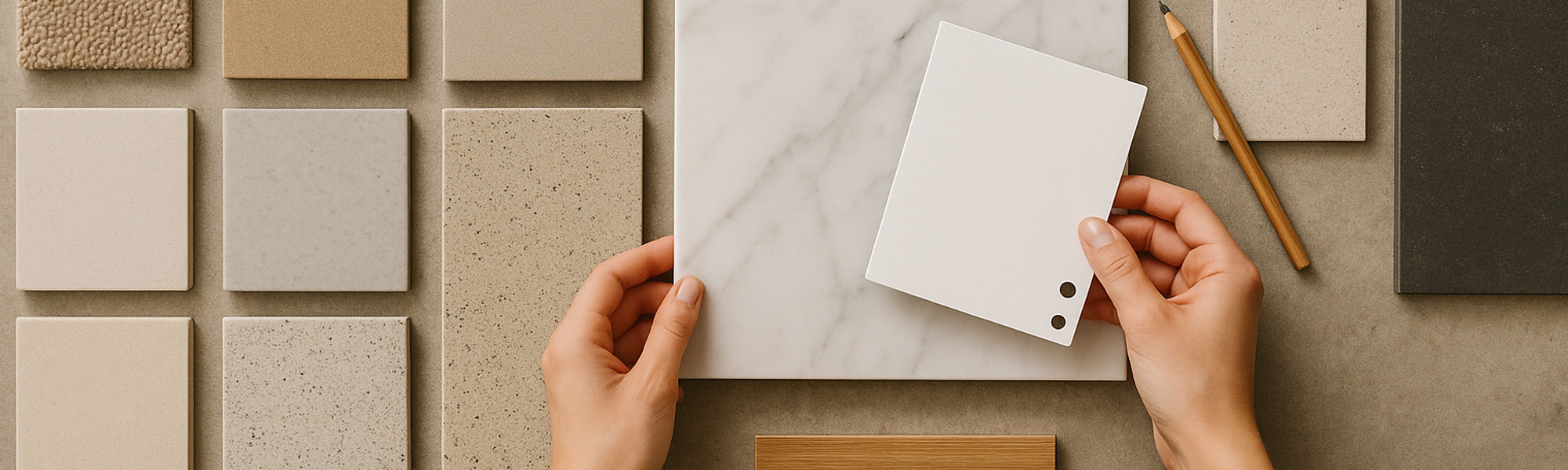
Tiles are one of the most defining elements in a home. They set the visual rhythm of living areas, control the mood of bathrooms and influence everything from light reflection to how cool a space feels under bare feet on a summer afternoon. The right tiles can transform even the simplest interiors into something calm, bright and beautifully resolved. The wrong ones can make a home feel heavy, dated or uncomfortable.
On the Gold Coast, tile selection carries its own set of considerations. The climate is warm, the light is strong and the coastal environment interacts with surface finishes in ways that can alter their appearance. A tile that felt crisp and contemporary in a showroom can pick up unexpected undertones once it meets the reality of natural light, wet footprints, reflections and the textures of adjacent materials. Choosing the right tile is not just about style. It is about understanding how each material behaves in Queensland conditions.
How Tiles Respond to Gold Coast Light
Light tells the truth about tiles. It reveals textures, highlights patterns and shows exactly how the surface interacts with the room. The Gold Coast's signature sunlight is bright and directional, which means tiles appear different throughout the day. Morning light is soft. Afternoon light is warm. Midday light is clear and direct. Every shift influences how a tile reads once installed.
Gloss tiles reflect light strongly, creating a polished, airy feel. They are often used in bathrooms or laundries because they bounce light into smaller spaces. They can, however, highlight marks or smudges more easily. Matt tiles create a gentler surface that looks consistent across the day, making them ideal for living areas and outdoor zones. Textured tiles scatter light softly, introducing depth and character. This is why many homeowners choose textured tiles for feature walls or bathrooms designed to feel grounded and spa like.
The key is to visualise how the room behaves across the day. A space heavily exposed to sun may benefit from matt finishes that diffuse the light. A space with limited daylight might look brighter with a soft sheen that lifts the room.
Understanding Tile Materials
The most popular tiling materials for Gold Coast homes are porcelain, ceramic and natural stone. Each one performs differently.
Porcelain is the strongest and most versatile. It is dense, low porosity and excellent in wet areas. Many modern porcelain tiles mimic stone, concrete or timber so convincingly that they offer all the design benefits without the maintenance requirements. Porcelain works beautifully in open plan living areas, bathrooms, outdoor patios and anywhere that needs durability.
Ceramic tiles are slightly softer but still perfectly suitable for walls and many indoor floors. They provide excellent value and come in a wide range of patterns, shapes and finishes. Many homeowners use ceramic on shower walls or feature areas where water exposure is moderate and maintenance is easy.
Natural stone tiles such as marble, limestone or travertine bring a sense of luxury and timelessness. They are cool underfoot, visually rich and create an organic connection to the coastal landscape. Stone requires sealing and more careful maintenance, especially in wet zones, but in the right home it creates an atmosphere nothing else can replicate.
Choosing Colour With Intention
Tile colour shapes the atmosphere of a space. Light tiles make rooms feel larger, brighter and more open. They suit coastal interiors with white walls, timber furniture and breezy styling. They also reflect the Gold Coast's relaxed design language, which favours airiness and natural palettes.
Mid toned neutrals introduce calm and warmth. Soft greys, taupes or sandy hues pair beautifully with warm white walls and coastal greenery outside. They hide dust and daily wear more effectively, which makes them practical for busy families.
Dark tiles can be dramatic and elegant, especially in ensuites or powder rooms. They create a sense of depth and cocooning. Used thoughtfully, darker tiles anchor a space and provide contrast against lighter benchtops or cabinetry. They are best balanced with good lighting and carefully chosen fittings so the room doesn't feel heavy.
Whatever colour you choose, it must be tested against your actual lighting. Tiles change significantly when viewed on the floor rather than upright in a showroom.
Size and Shape Make a Bigger Difference Than People Expect
Large format tiles are extremely popular on the Gold Coast because they create an uninterrupted, seamless feel. Fewer grout lines make rooms look bigger and cleaner, which suits modern open plan living. These tiles pair well with minimal interiors and contemporary architecture.
Smaller tiles such as mosaics, kit kats, penny rounds or subway tiles add detail and texture. They are often used for splashbacks, niches, shower walls or feature panels. Their character works beautifully in coastal homes where a touch of handmade or textured warmth helps balance larger design elements.
Rectangular tiles create direction and can visually lengthen or widen a room depending on orientation. Square tiles feel classic and balanced. Organic shapes introduce softness. The size and shape you choose should reflect not just style, but how you want the room to feel when you walk in barefoot on a bright summer morning.
The Role of Grout in the Final Look
Grout is one of the most underestimated design decisions. Its colour determines whether tiles blend seamlessly or stand out as a pattern. A grout close in tone to the tile creates a calm, unified surface. A contrasting grout makes each tile line visible and introduces a graphic effect.
In bathrooms and living areas where you want visual flow, matching grout is usually the best choice. In feature walls or handmade style tiles where texture is part of the appeal, slightly contrasting grout can enhance the tile's character.
Grout type also matters. Epoxy grout is more resistant to staining and moisture, making it ideal for showers and high use areas. Cementitious grout offers a more traditional finish but requires sealing in certain applications.
Slip Resistance and Safety
Certain areas of the home need tiles that perform safely when wet. Bathrooms, laundries and outdoor patios all benefit from tiles with suitable slip ratings. Outdoor areas in particular require tiles that can handle wet footprints, pool splash and sudden summer rain without becoming slippery.
Matt and textured finishes provide natural grip. Many porcelain tiles come in indoor and outdoor versions of the same style, allowing homeowners to carry a consistent look from living room to terrace while still maintaining safety standards.
Heat, Coolness and Barefoot Living
Tiles are naturally cool underfoot, which suits the Gold Coast climate. Homes that open directly to outdoor living zones often rely on tiles to moderate indoor temperatures and create smooth transitions between inside and outside spaces. In bedrooms and media rooms, some homeowners prefer carpet for warmth, but tile remains the favourite choice for living spaces, kitchens and bathrooms.
For barefoot living, smooth matt surfaces provide the most comfortable feel. Textured outdoor tiles should always be chosen for patios or pool surrounds, but the indoor finish can be gentler.
Maintenance and Longevity
Porcelain tiles require the least maintenance and generally last decades with minimal effort. Ceramic tiles are easy to clean but may chip more easily at edges. Natural stone needs sealing and gentle cleaning products to maintain its beauty.
The biggest long term maintenance factor is grout. Choosing high quality grout and sealing where appropriate will keep tiles looking clean and crisp for years. A well installed tile floor almost always outlasts other flooring types in a typical Gold Coast home.
Testing Tiles in Your Own Light
Samples must always be viewed on the floor. Place them side by side with your wall paint, cabinetry and benchtop choices. Watch how the tiles look in morning brightness, afternoon warmth and evening artificial light. Tiles that look perfect under store lighting can shift drastically once they meet your home's natural conditions.
Taking the time to test eliminates most regrets. It also helps you see how undertones behave, especially in grey and beige ranges where slight shifts become noticeable across a large surface.
The Choice That Shapes Every Room
Choosing tiles is not just a design decision. It is about creating surfaces that complement your home's light, support the way you live and feel comfortable every day. The right tile can make a room feel open, calm and effortless. It can anchor a kitchen, brighten a bathroom or give a living space the cool, relaxed character that suits the Gold Coast so well. When chosen with care and tested thoughtfully, tiles become one of the most powerful tools in shaping the personality and comfort of your home.
You might also like



Disclaimer: Every effort has been made to ensure the accuracy of the information provided, but we make no guarantees regarding its completeness or reliability. The data is presented for general informational purposes only and does not constitute financial, investment, or legal advice. We are not liable for any errors, omissions, or consequences arising from its use. Users should verify details with relevant sources and seek professional advice where appropriate for the most accurate and up-to-date guidance.