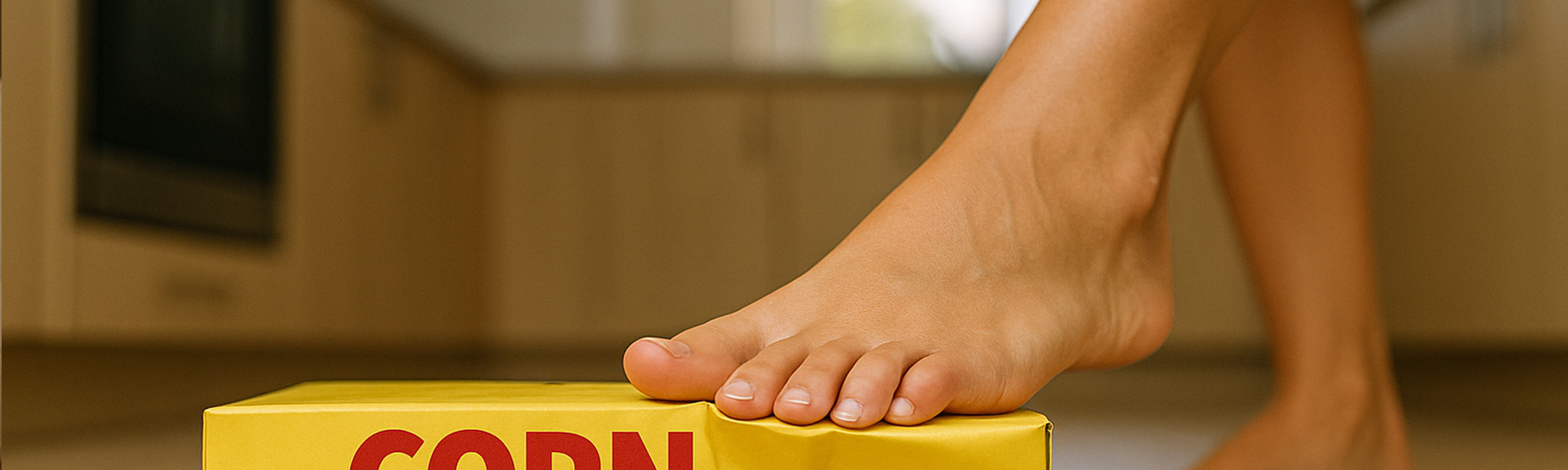

It looks like a harmless little quirk, but there's a kitchen habit quietly reshaping how modern households think about hygiene, cleanliness and daily efficiency. Not every family has adopted it yet, and that's exactly why it deserves attention. Its ripple effects are surprisingly large for something so small - and it all begins with a moment people overlook every day: crushing a cardboard box with your feet. And it's far more interesting than it sounds...
The movement happens in one continuous flow. A carton is finished with and, rather than taking up space on the bench, the person drops it straight to the floor and their feet follow, crushing the carton down with a soft, even collapse that requires almost no attention. Without breaking stride, they bend, pick up the newly flat pad and slip it into the recycling bin. It all blends together so seamlessly that it's over in seconds and becomes one of the kitchen's most natural, efficient micro-habits.
What makes it fascinating is that there's real science behind this tiny moment - and it explains why so many families end up doing it instinctively. The habit looks casual on the surface, but underneath it sits a surprising mix of efficiency mechanics, human behaviour, hygiene logic and everyday practicality that make this simple foot-press far more effective than it appears.
Why Humans Naturally Use Their Feet for Compression
Before anything else, it's worth acknowledging the most obvious part of the habit: humans naturally use their feet to compress things. People step on items that need force but not precision without ever thinking about it. It's stable, strong and doesn't interrupt whatever the hands are doing. For most of us, the motion isn't learned so much as felt - the body knows instinctively that stepping on something is the quickest way to collapse it.
That's why the foot-press fits so seamlessly into a busy kitchen. The feet take care of the downward force, the hands stay free for cooking or preparing food, and the whole movement feels like an effortless continuation of how people naturally stand, shift weight and move through a room.
The Hygiene Logic Most People Don't Expect
The surprise for many is that using the feet is often cleaner than using the hands. There is surprising science behind foot cleanliness. Culturally we're taught that feet are dirty, yet the reality is almost the opposite - the soles of people who go barefoot most of the time are often cleaner than many other parts of the body, including the hands.
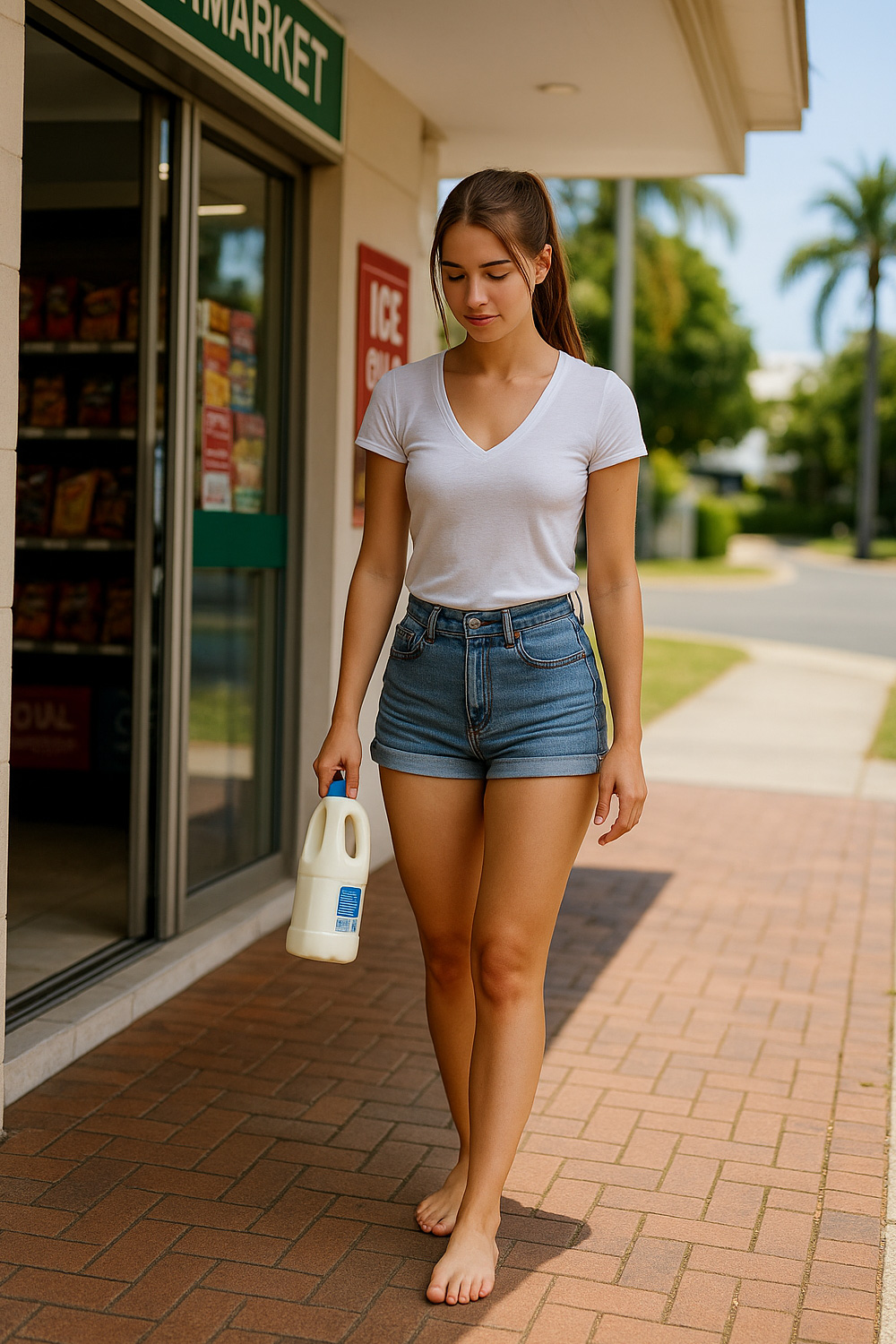
What makes the science behind hygiene of the hands vs feet even more fascinating is how quickly the balance shifts. Hands become clean after washing, but only briefly. Within minutes they accumulate new microbes from taps, towels, phones and kitchen surfaces, while the soles of the feet remain comparatively stable at the lower range, touching only the same dry flooring and picking up almost nothing new.
Using the hands creates far more exposure. When someone crushes a carton with their hands or pulls apart its flaps, their fingers press into the seams, grip the sides and hold the packaging for several seconds at a time. They often touch the rim, the edges that other hands have touched, the base that sat on supermarket surfaces and the sides handled by countless people from factory to shelf to checkout to home. The surface area is larger, the contact time significantly longer and the interaction far more intimate. From a hygiene perspective, the hands experience far more transfer opportunity than a dry, momentary barefoot step ever could. For this task, the foot is the cleaner tool, not the riskier one.
Hands move through a far dirtier world. Throughout the morning they touch phone screens, remotes, taps, bag straps, backpacks, fridge handles and a long trail of surfaces that steadily accumulate microbes of every kind - bacteria, viruses, fungi, mould spores and more. By the time someone gets to an empty carton, their hands are already carrying that whole chain of contact. Gripping and crushing the carton simply adds another large microbial source to that list - a box with its own journey from factory to pallet to shelf to checkout. For a task involving rubbish, a brief, dry step with the foot avoids that extra exposure altogether, which is why the foot often ends up being the cleaner tool.
For humans, feet have always been the tools for disposal - the part of the body we instinctively trust for quick, forceful or uncomfortable jobs. Hands belong to an entirely different category. They're used for food, tools, touch, communication and all the fine, precise work of daily life. It makes sense that people prefer keeping their hands out of unnecessary contact when dealing with rubbish.
The Compression Science Behind Why It Works
Once hygiene concerns are settled, the physical benefit becomes obvious. A carton collapses far more cleanly when flattened with the feet than when compressed by hand. The foot spreads force across the entire surface, pressing out internal air pockets in a single motion. Its natural contours - the arch, the ball and the finely controlled pressure across the toe line - create an almost impossibly flat result, smoothing the cardboard into a neat, uniform pad instead of a twisted, half-folded shape.
Hands can only compress small sections at a time. They bend corners unevenly, create awkward lumps and leave pockets of space that waste room in the recycling bin. A single foot-press delivers a complete collapse with minimal effort. The mechanics are simple but compelling: the foot produces more force, more evenly, and with far less strain than the hands.
There's also a small movement-science element at play. To an observer, the whole sequence is just a carton dropped and a few light steps forward - a smooth, centred motion that almost resembles a dancer marking a step or a gymnast settling their balance. It's quick, controlled and unexpectedly graceful, which is part of why the moment looks so clean and capable.
Why the Same Motion Already Happens Everywhere Else
What's interesting is that the barefoot carton press isn't an exotic or new behaviour - it's something people already do in almost every other corner of life. At the bins outside, people instinctively step on cardboard boxes before sliding them in. On the footpath on bin night, boxes are stomped down without hesitation. In garages and driveways, boxes from deliveries are dropped and stepped on immediately. Even indoors during quick tidy-ups, people often use their feet to fold or collapse things that need downward force.
The kitchen is simply another place where people apply the same instinctive logic - only here, it comes with surprising extra benefits.
Why Do We Actually Crush Cartons?
Cartons are engineered to stay rigid - to protect liquids, survive transport and resist collapse - which means they need real force to break down properly. Crushing them isn't a quirk; it's a practical necessity. A fully flattened carton creates far more bin space, often around thirty percent more, because every air pocket and stiff panel has been pressed out of the way. But something else happens at the same moment. Once a carton is crushed, it stops behaving like an object in use and becomes what it now is: rubbish, ready to disappear into the bin. A quick press makes that physical and symbolic shift instant. And there's a small courtesy in it, too. A neatly flattened carton keeps bins tidier, prevents overflow and respects the shared spaces of the neighbourhood - a tiny act that makes the whole community run a little smoother.
Crushing cartons with the feet isn't a novelty; it's simply the fastest, cleanest and most efficient way to deal with everyday packaging. It keeps the kitchen calm, clear and moving without pause. It's a moment that's symbolic as much as it is practical and hygienic - and, in the end, unmistakably human.
You might also like




Disclaimer: Every effort has been made to ensure the accuracy of the information provided, but we make no guarantees regarding its completeness or reliability. The data is presented for general informational purposes only and does not constitute financial, investment, or legal advice. We are not liable for any errors, omissions, or consequences arising from its use. Users should verify details with relevant sources and seek professional advice where appropriate for the most accurate and up-to-date guidance.