Every home becomes a place that kills insects from time to time. It isn't something people enjoy, but it is part of keeping a household clean, safe and comfortable. When an insect appears in the wrong place - a cockroach moving through the kitchen, a spider near a child's room, mosquitoes disturbing sleep or garden pests damaging new growth - it has to be killed. These are routine household moments, even if they feel confronting.
Note for Readers: This guide discusses ordinary, widely used household pest-control methods in a direct, practical manner. While these techniques are standard and considered acceptable for dealing with common insects, some readers may find the descriptions of how they work unsettling. Please proceed at your own comfort level, and seek professional pest control advice if preferred.
Some techniques are described as they are commonly used in barefoot households - a normal part of subtropical living where shoes are worn less often and methods naturally adapt to that reality.
What unsettles most people isn't the fact that the insect must be killed; it's not knowing the right way to do it. People worry about hesitating, causing unnecessary distress or making the moment harder than it needs to be. But with the correct techniques, killing an insect becomes a quick, calm and humane action that ends the situation cleanly.
There are established methods for dealing with insects found in the home that aim to minimise distress and be as quick and humane as possible. The most appropriate approach can vary depending on the type of insect, where it is located, and an individual's comfort level or personal preference.
Homeowners often need a reliable go-to resource for handling insect challenges. While no one likes having to deal with or kill an insect - and it can certainly be unsettling - this information is shared with homeowners' best interests in mind, and to ensure that, when it is necessary, insects are handled as quickly and humanely as possible.
Why People Kill Insects, and How to Manage It With Empathy

People usually kill insects for straightforward reasons: some can bite or sting, some contaminate food or surfaces, and others spread bacteria that you simply cannot allow inside a household. Even small insects that pose no major threat can disrupt comfort or hygiene, and once the decision is made that the insect has to be removed permanently, acting promptly prevents further problems. Feeling the need to kill an insect that has moved into your space is part of being human, a straightforward response to something unwelcome disrupting the comfort of the home.
Still, feeling empathy or discomfort about killing an insect is completely normal. Many people pause not because the pest can be tolerated, but because harming any living creature sits uneasily with them. If you experience that hesitation, the kindest approach is to focus on making the action quick, contained and deliberate. A single, decisive step, press or spray avoids unnecessary repetition and ensures the insect does not suffer. Even for insects that require a couple of steps to fully break down, using proper technique keeps the process quick, controlled and humane.
If direct contact feels emotionally difficult, adding a layer can help: placing something over the insect before stepping, using a bag-and-tread method, or applying a targeted spray from a controlled distance. These techniques maintain the necessary outcome but reduce the confrontational aspect. In the end, the aim is to manage the situation responsibly while choosing a method that aligns with your comfort and your sense of dignity in the process.
Choosing the Right Method for Your Home

Every household has its own comfort levels, habits and practical realities. Some people prefer not to use sprays indoors, some are more comfortable stepping on insects quickly, and others choose a catch-and-finish method so the task feels more contained. There is no single right approach for every situation. What matters is choosing the method that suits your home, your family and the particular insect you are dealing with.
The most humane way to kill an insect is always the one that ends the situation quickly, cleanly and with the least distress for both the insect and the person handling it. Hesitation or using the wrong technique can make the moment harder than it needs to be. A calm, decisive action prevents unnecessary suffering, avoids drawn-out movement and helps the person feel more in control of what can be an uncomfortable task.
Before choosing what to do, consider three simple factors: where the insect is, how easy it is to reach safely, and which method your household feels most confident using. Once you match the technique to the situation, the job becomes straightforward, humane and far less confronting. The goal is always the same: to finish the task quickly and reset the space so everyone can move on.
Using Your Feet

Many people naturally choose to use their feet when they have to deal with an insect. It's often the quickest and most straightforward option, especially when the insect is already on the floor or can be brought down with a quick swipe from a rolled-up magazine, cloth or hand-towel.
Using the feet is also one of the most humane ways to kill an insect when it genuinely needs to be done. A controlled press ends the insect’s life instantly and avoids the drawn-out distress that can happen with slow sprays or hesitant attempts. Done properly, it is both fast and decisive, which makes the moment easier for the person and far kinder for the insect.
If stepping barefoot, assess your comfort levels first as well as the insect you’re dealing with. For people who go barefoot all the time, soles are usually tough and leathery and can handle minor insects easily, provided comfort remains and the insect is genuinely safe to deal with this way. Others may prefer to place something over the top first, use a bag-and-tread method, or rely on a spray instead.
In warm, subtropical regions like the Gold Coast, where people spend much of their time barefoot at home, a few reliable foot-based techniques have become second nature. These methods are simple, cultural, practical habits that suit the climate and the situation - calm, instinctive approaches that let households deal with insects quickly, humanely and without fuss.
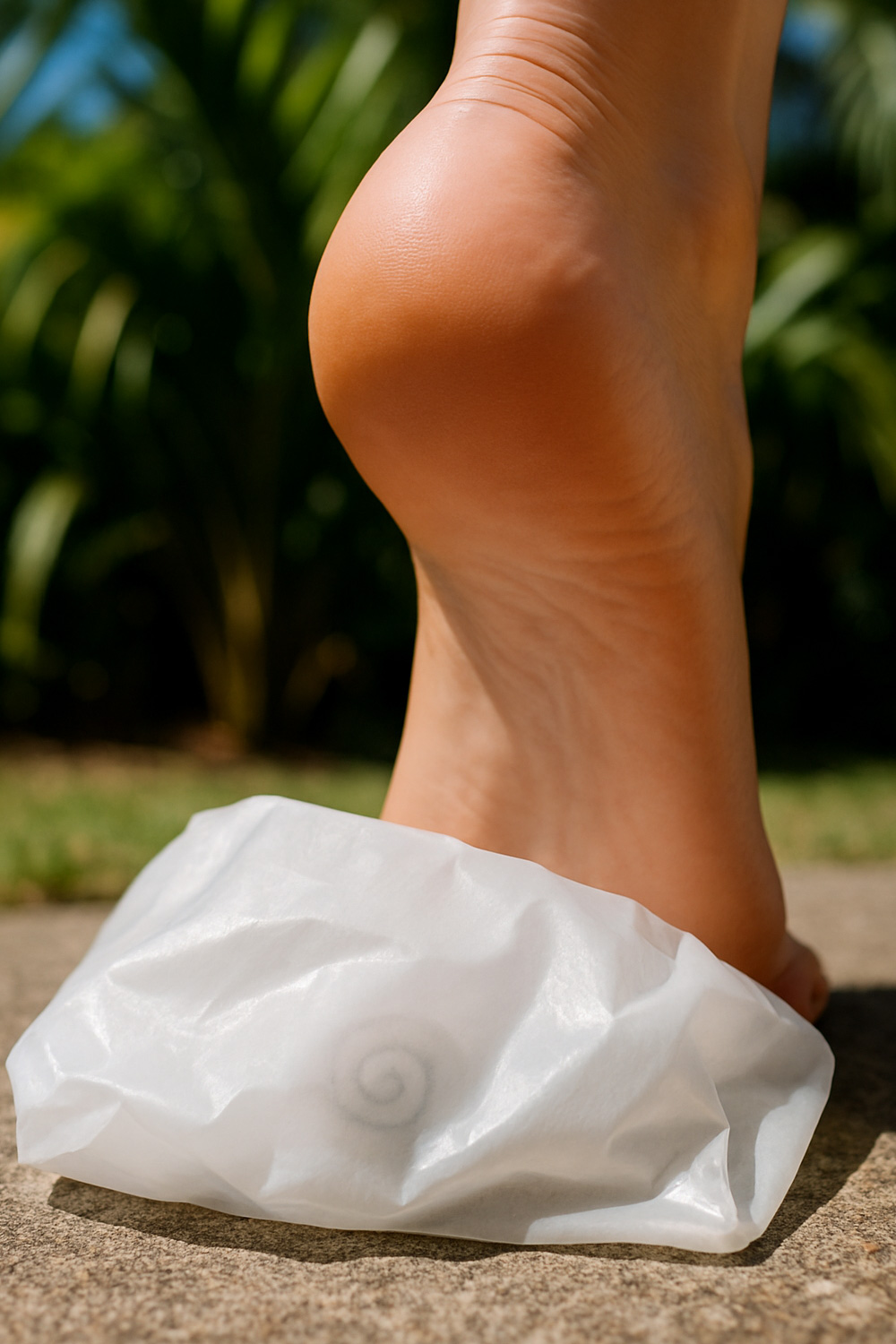
The ball-of-foot press is the more method used. A tissue is placed over the insect and the person rises onto their toes and brings the ball of the foot down firmly for a controlled, even press.
Weight-pulses are used for tougher insects or when you want to make sure the moment is finished cleanly. Your foot stays planted while your body weight rises and falls in small, steady pulses for a few seconds, and ensures the end is quick and certain.
Apply full body weight on hard-bodied insects like cockroaches and beetles, letting the heel take the load naturally as you use a brief forward–back movement to finish the moment cleanly.
The toe press and pull is used for small insects on hard floors. Press on top of the insect, while pulling your foot back towards you while keeping your toe in contact with the floor. This backward pull applies steady, continuous pressure and ends tiny insects quickly without needing your whole foot.
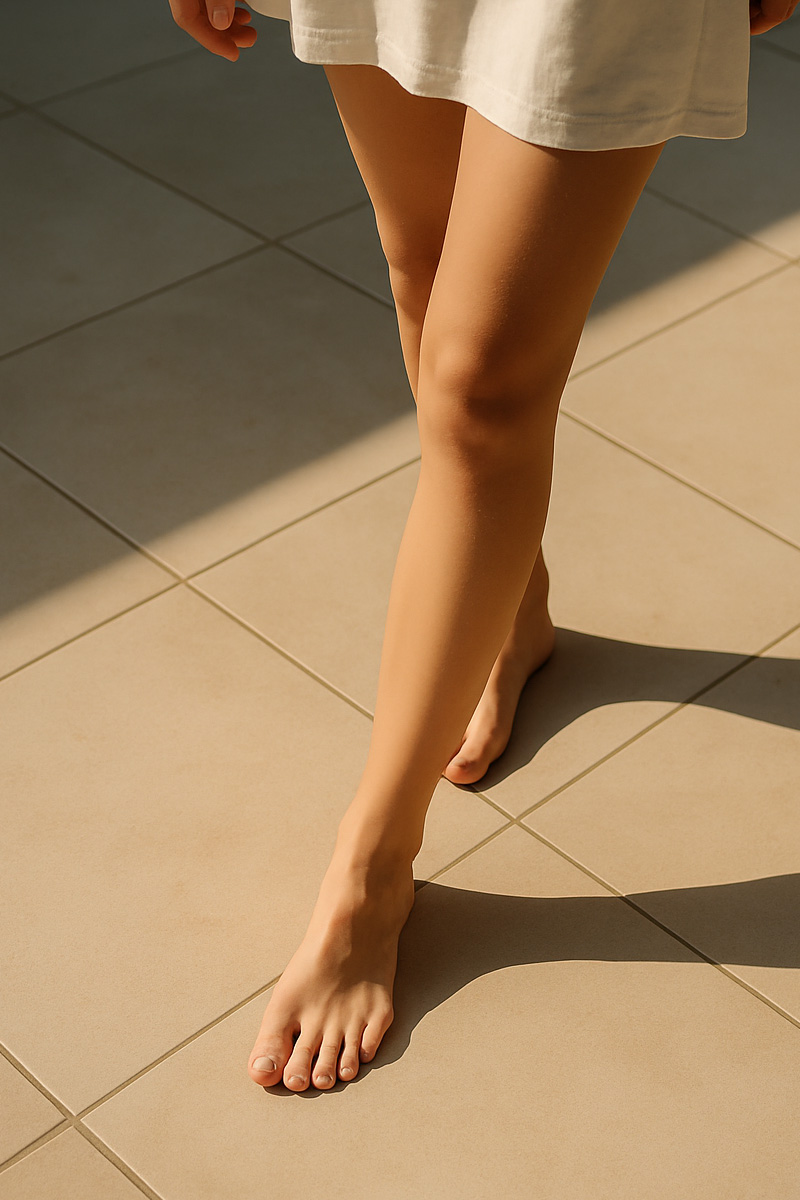
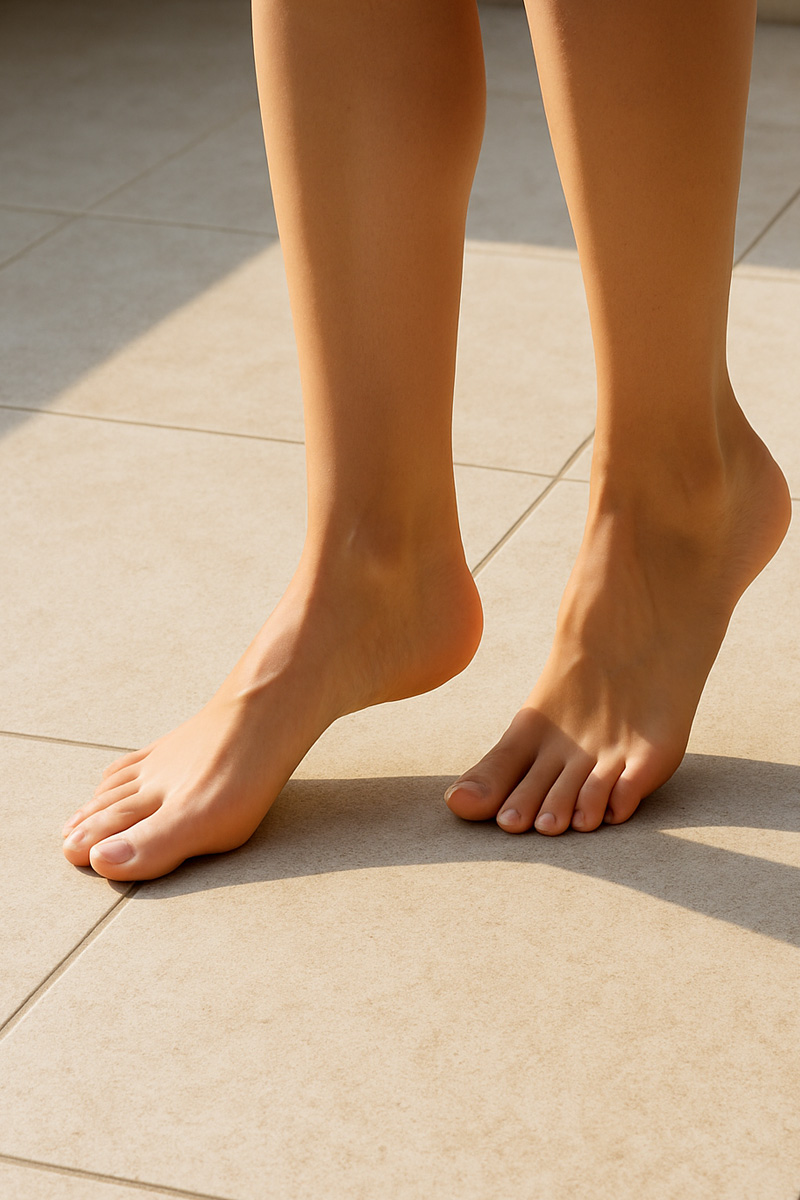
The alternating step method is used for insects that may be messy or difficult to deal with in a single press. Stand in front of the insect and use a series of small, light steps, tapping it gently under the balls of your feet each time. The technique is calm and controlled, quickly breaking down the insect in a humane way, and often producing a surprisingly neat result for insects that would otherwise be unpleasant to manage in one motion.
The Tissue Press
The tissue press is used when an insect has settled on a wall, cupboard, benchtop or ceiling and can be reached safely. A folded tissue is placed directly over the insect and pressed firmly in one smooth motion. Holding your hand there briefly while pressing ends it. Some insects don't die cleanly with a wall press due to their shape or the angle. In these cases, use the tissue only to collect the insect. Guide it off the surface while covered, place it on the floor and finish the moment with a controlled floor press. This method suits small spiders, moths, mosquitoes and lightly built insects on smooth surfaces.
The Bag-and-Tread
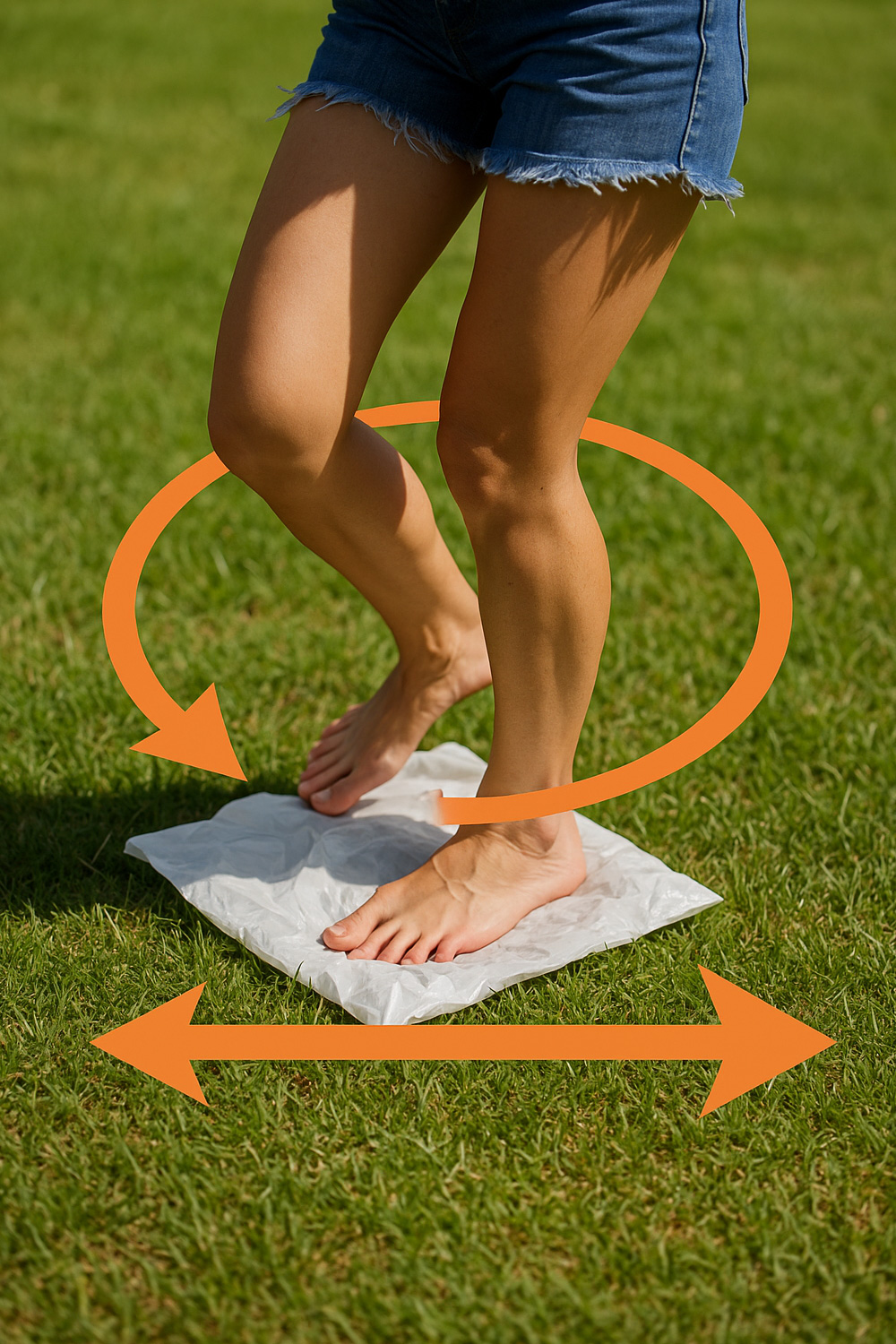
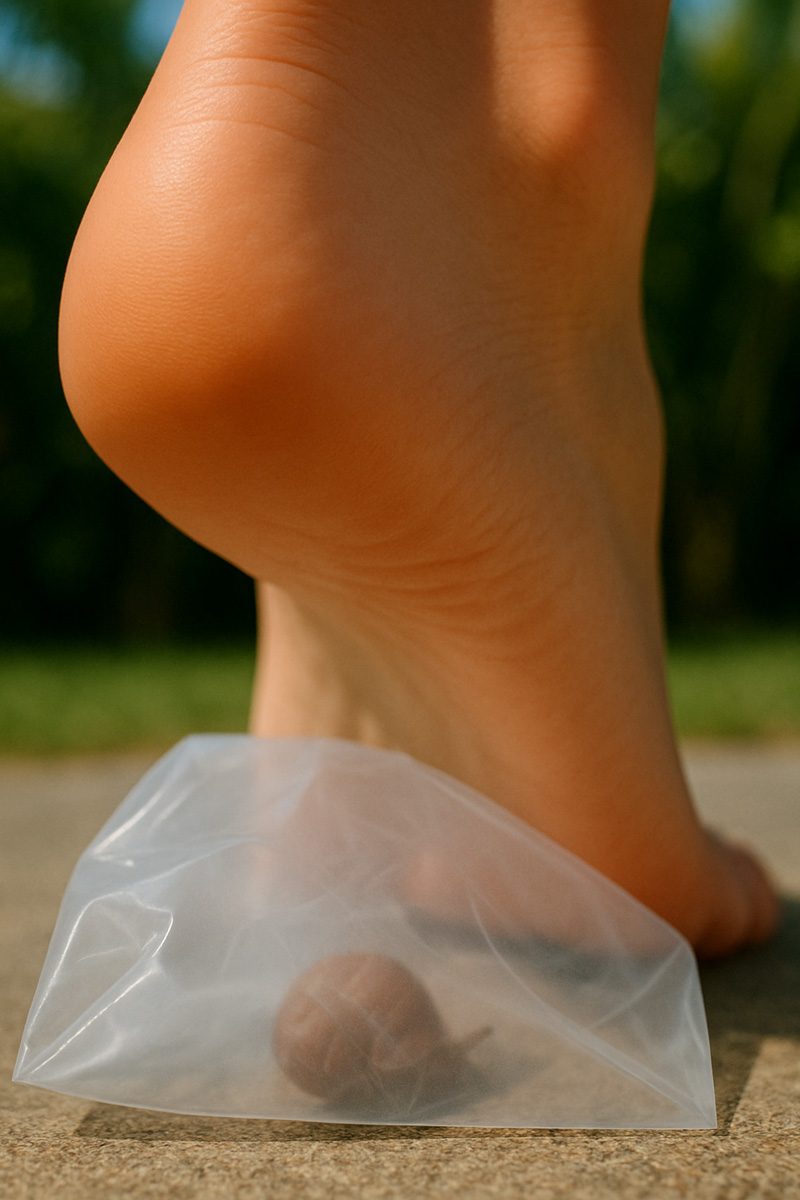
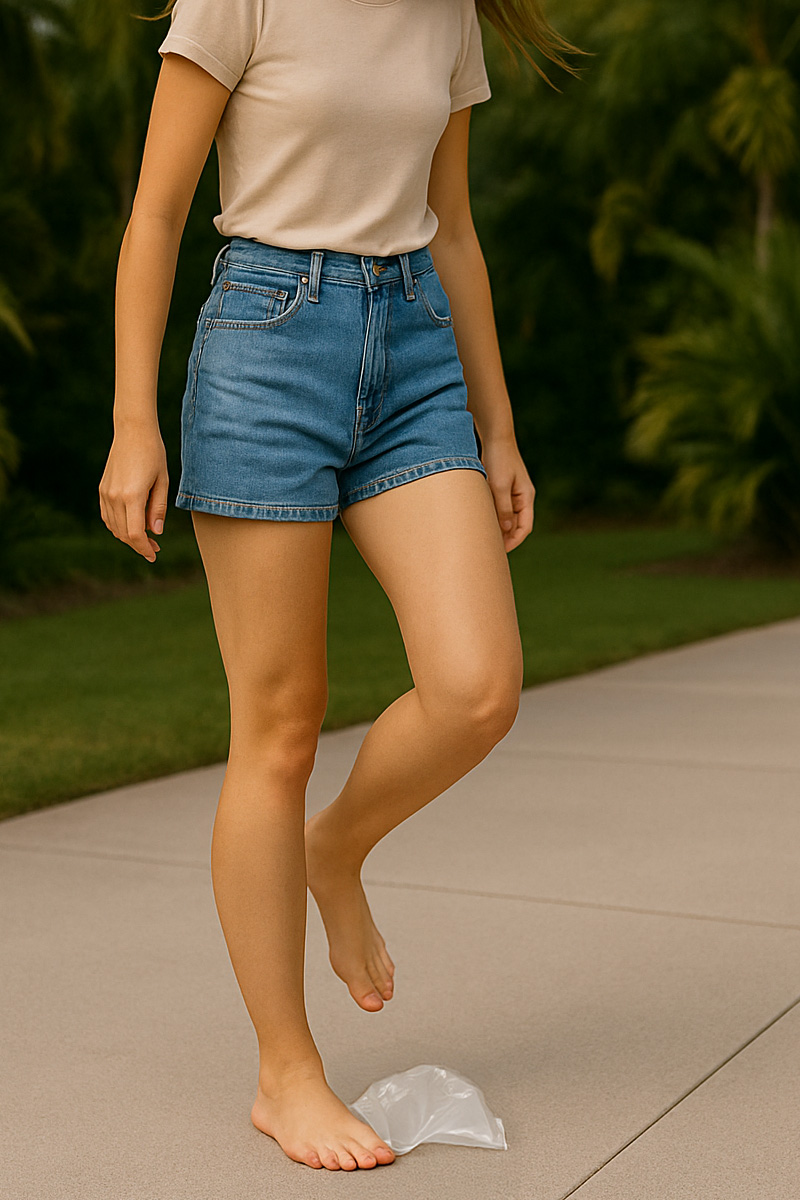
Larger, tougher or more mobile insects - and situations where there are several at once - are best dealt with by containing them first. Use a plastic bag to catch them, place the bag on the ground before stepping on each with your feet.
If you're dealing with jumpers like grasshoppers or locusts, they may start moving or bouncing inside the bag, so it's often best to end it quickly before they work themselves into a corner or make the job harder.
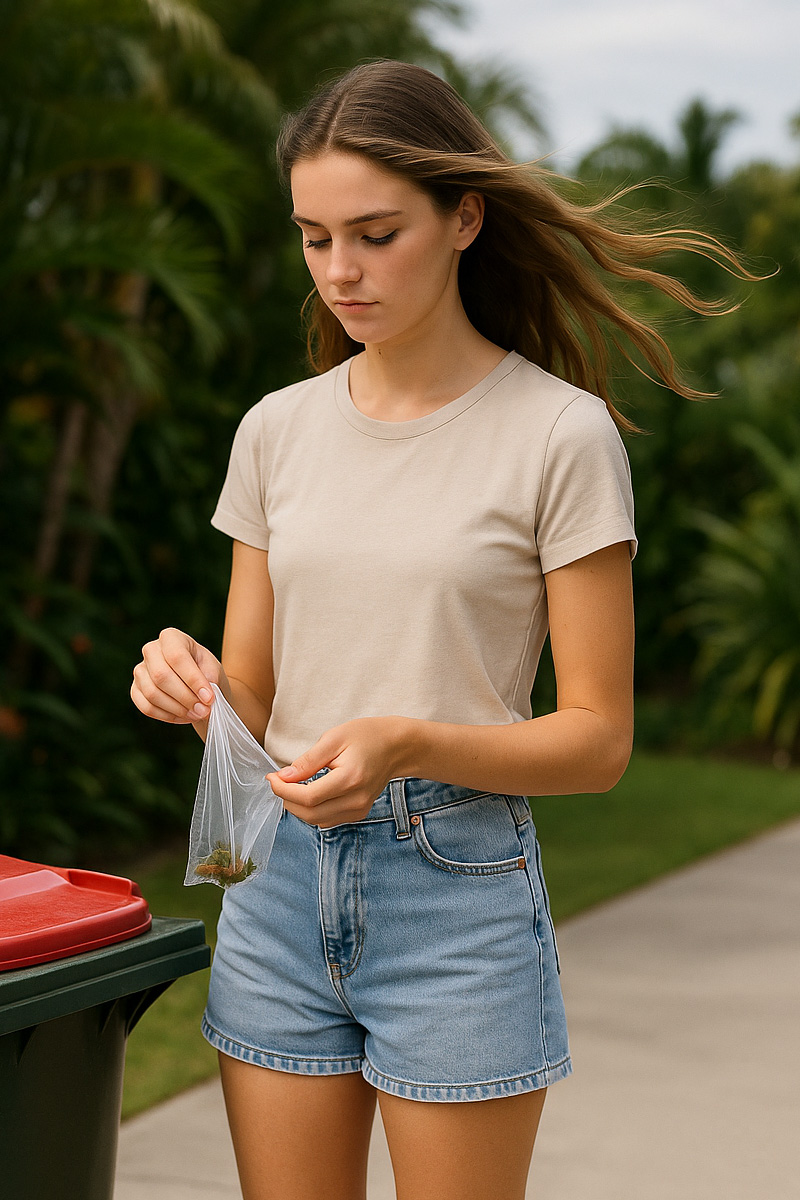
Once the main presses are done, tread lightly up and down across the whole surface while turning in a slow circle, followed by a left–right movement to make sure you've covered every part. When you're confident the job is complete, seal the bag tightly and place it in the bin.
This method suits grasshoppers, locusts, snails, slugs and caterpillars.
Spray as a Killing Method
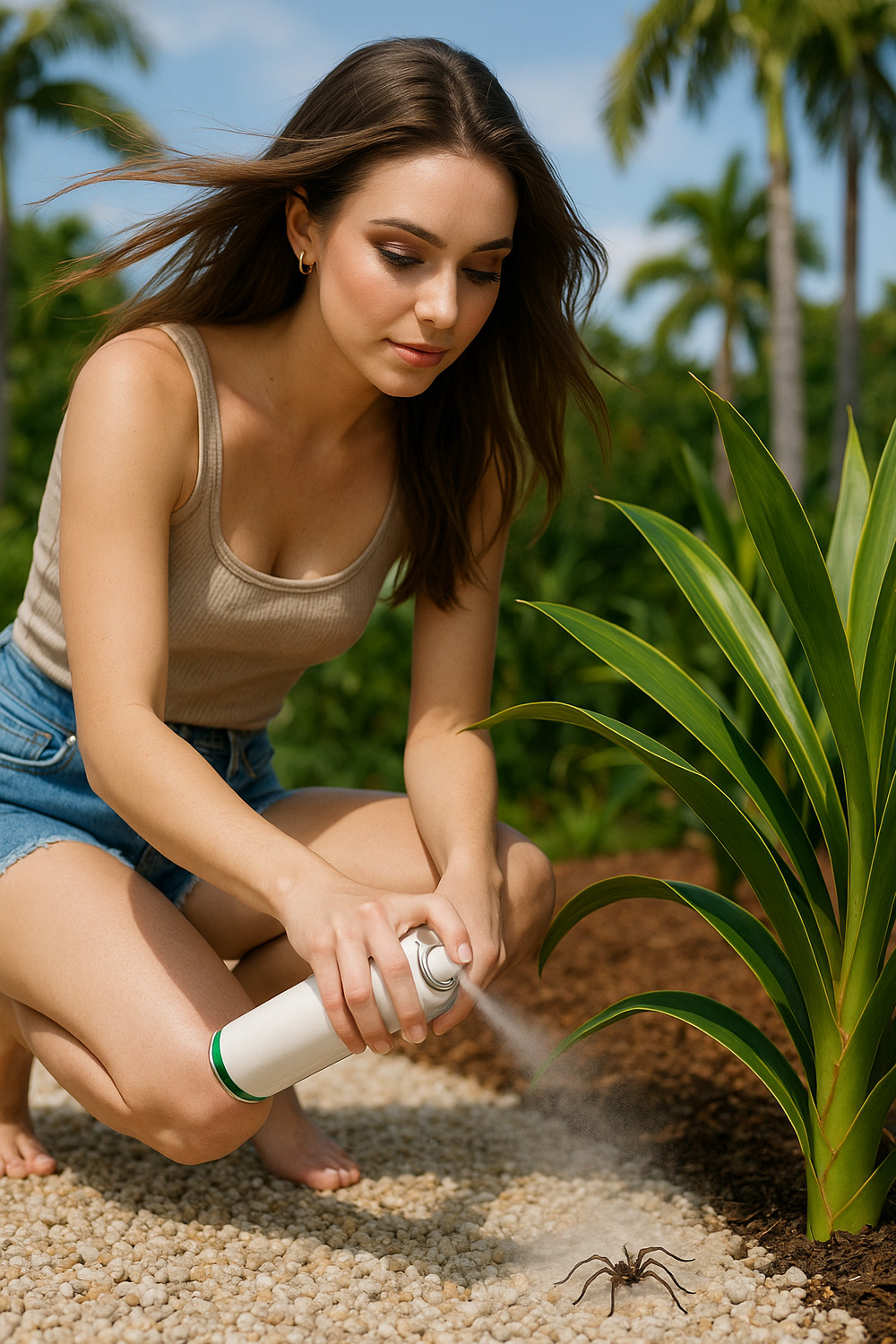
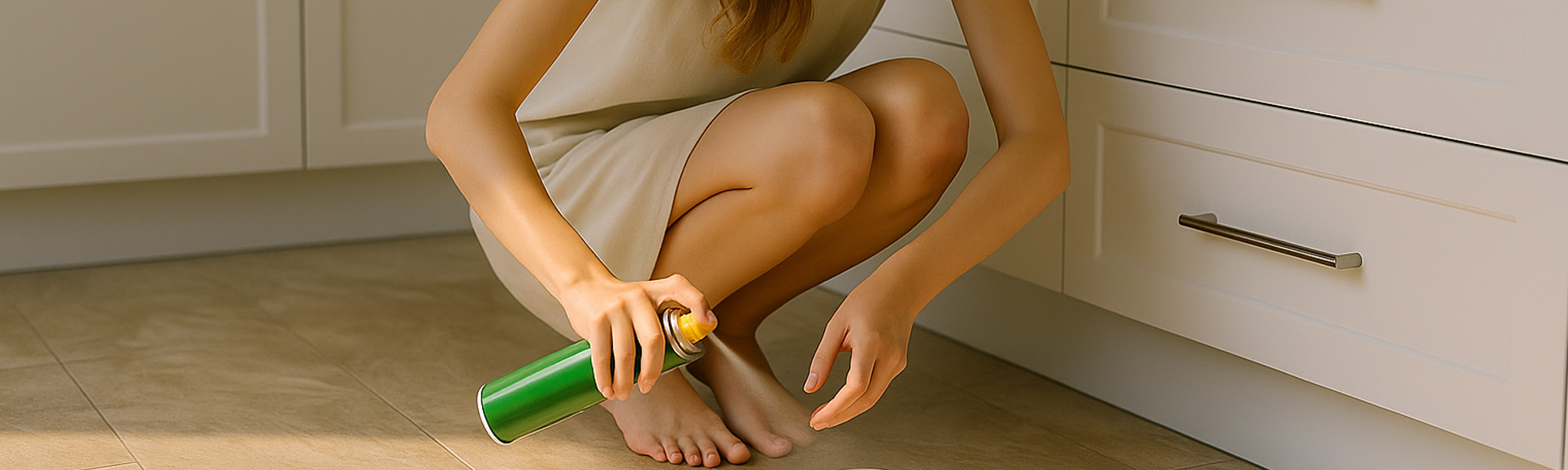
Spray is a straightforward option when an insect is in a spot that's difficult to reach or unsafe to step on with the feet, such as spiders. A short, directed burst aimed at the insect is usually enough. It's also an option some people prefer if they feel squeamish about direct contact - feet, hands, tissues, anything up-close. Many teenagers favour spray for the same reason: it feels cleaner and gives them a little space while still getting the job done - so it should always be an option in your household so everyone can feel comfortable killing insects on sight.
To spray correctly, stand back a step or two and angle the nozzle so the spray stream travels toward the insect rather than dispersing into the room. You should expect the insect to lose mobility quickly, though the exact timing depends on its size and the product being used. Once it drops to the floor or an accessible surface, avoid further spraying unless it begins moving again and still cannot be reached safely.

Everyone has their own approach to spraying. Some people choose to spray it and walk away, others stay nearby to see if it needs another shot, and some prefer to stay with it for a moment as it passes - taking a brief pause to reflect on what they've just done or simply wanting to be present rather than walk away from a creature they've just killed.
After spraying, the visible shutdown happens within seconds, but the internal process of dying continues for a few minutes, even after all movement has stopped. Because feet are the quickest and most decisive way to end an insect humanely, the sprayer may still choose to step on it afterwards to finish the moment and prevent a prolonged death.
Stepping on it barefoot after spraying isn't recommended, because the insect's body can retain spray residue and your foot may come into contact with it. If you want to finish the moment quickly, use a tissue or paper towel instead, which lets you apply pressure without touching any remaining spray.
Spray has limitations. It's not appropriate for garden leaf-eaters or slow-moving pests outdoors because it causes prolonged distress, drifts easily in the wind and makes it hard to confirm whether it worked.
Catch-and-End Method
Some insects are easier to deal with by catching them first and then killing them outside with a foot press or spray. This approach suits situations where you don't want spray in the house, the floor surface isn't ideal for a clean foot press or you simply prefer to step away from food, bedding or children's play areas before finishing them.
Spiders
Some families prefer to kill all spiders, even the ones outside, while others choose to guide harmless ones into the garden instead. When the decision is made to kill a spider, the method depends on where the spider is. On walls or cupboards, use the tissue press. On the floor, cover it with a tissue and use a calm, steady foot press. If the spider is too high to reach safely, a brief targeted spray brings it down so it can be finished cleanly.
Cockroaches
Cockroaches are best sprayed or stepped on. Place a tissue over the insect first to prevent sudden movement. Expect a small amount of resistance as you step down. If needed, finish with a slow, controlled heel-down press to ensure the job is complete. Cockroaches high on walls can be left until they reach the floor or sprayed so they fall.
Ants
Sweep over ants with the soles of your feet, tread concentrated patches or use the alternating-step method described earlier for individuals. These movements are light and intentional and allow you to clear an area quickly.
Moths
Moths can be swatted to the ground and then finished with the feet. For small ones, pressing with the big toe and dragging slightly is effective; for larger moths, a gentle press with the ball of the foot is usually preferred.
Mosquitoes
Mosquitoes are handled with the tissue press. When one lands on a wall, press through a tissue and wipe the surface to remove any trace. This is cleaner and more precise than spray, which lingers indoors.
Flies
Flies can be killed with a quick strike from a rolled-up magazine or cloth. If one lands on the floor, the foot press works quickly and produces very little sensation. Indoor spray is avoided because it drifts in the air and is unreliable.
Grasshoppers and Locusts
These insects are best handled with the bag-and-tread. Coax the insect into a small bag, fold the top, place it on a flat surface and finish the moment with a controlled tread. Check the sealed bag before disposal.
Snails and Slugs
Snails and slugs can be collected into a small disposable bag. Once sealed, the bag can be treaded and placed in the bin. Snails offer a firmer resistance because of their shells, while slugs compress more easily. Apply steady repeated pressure until you are confident the process is complete.
Caterpillars
Caterpillars removed from plants should be placed in a small bag and finished with the bag-and-tread. Only light pressure is needed, but repeating the press ensures the process is quick and humane. The sealed bag then goes straight into the bin.
Aftercare
After the insect has been killed, wipe or rinse the area. Dispose of the tissue or bag and wash your hands. The space resets, and the moment is over.
A Note on Humane Responsibility
It's essential to deal with insects quickly and humanely by using the right techniques. Half-measures can prolong suffering, so always make sure foot presses are complete, and, if catching them in a bag, always make sure they have been fully treaded down before disposal.
Household Methods That Always Work
In most households - especially barefoot ones - there are a few reliable techniques that deal with almost any insect quickly and cleanly. The guides that follow introduce the most common methods step-by-step, giving you simple, practical ways to handle whatever turns up and keep your home comfortable.
Different situations call for different approaches, and once you know these basics, you can deal with almost any insect calmly and without hesitation. These methods range from using the natural convenience and accuracy of your feet to quick containing and spraying.
Alternating-Step Method
The alternating-step method is a simple way to deal with insects without the mess of a single hard squash. Rather than one heavy stomp, it uses a series of light, repeated steps to finish the insect.
This method is especially common among people who go barefoot regularly. Teenagers and young adults often prefer it because it feels more controlled and less messy than a single hard step. In warm climates, where being barefoot in public and around the home is common and insects are frequent, it’s a casual, almost automatic way to handle the situation. It avoids the sensation of a big squish while giving a sense of control.

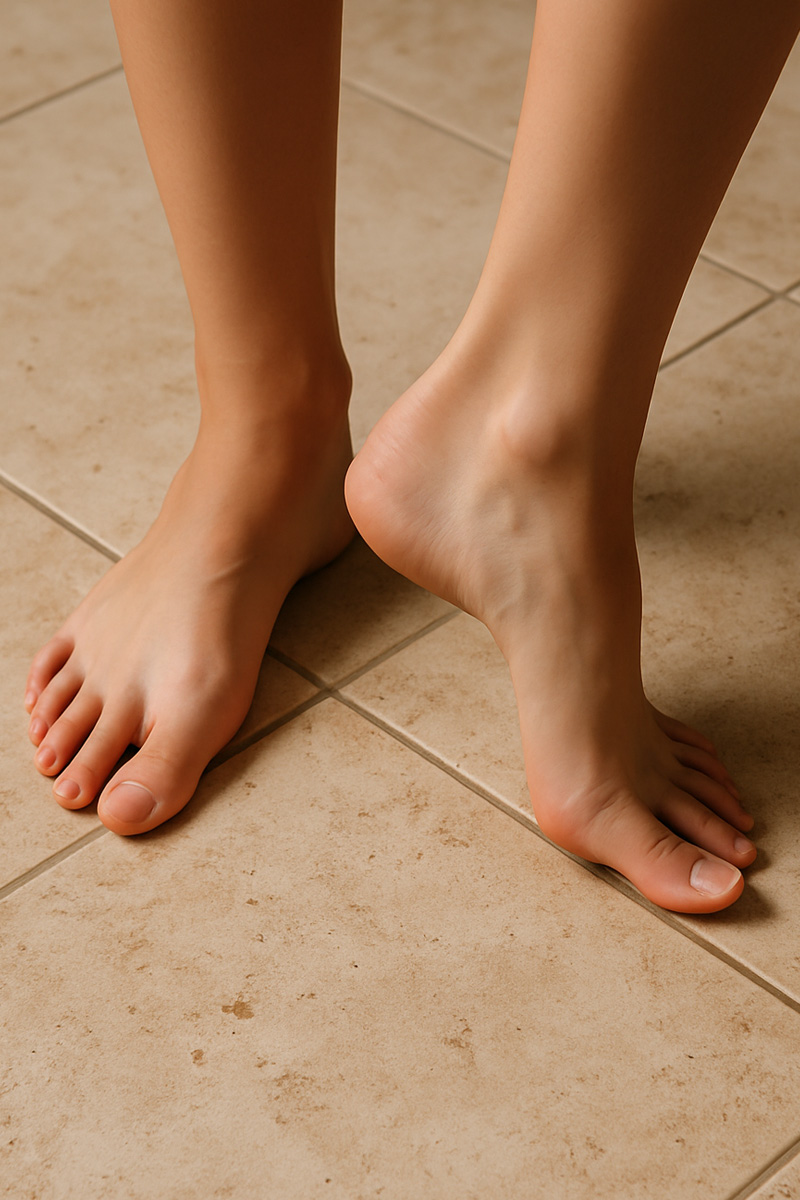
As you're doing the alternating steps, keep an eye on the insect each time you lift your foot. You'll see it breaking down with each tap. Once there's no movement, the insect is dead and you can stop. After that, clean up the area
Humanely Getting Rid of Snails and Locusts
Snails and locusts can be collected in a plastic bag and dealt with quickly and humanely before disposal.

Catch and Spray
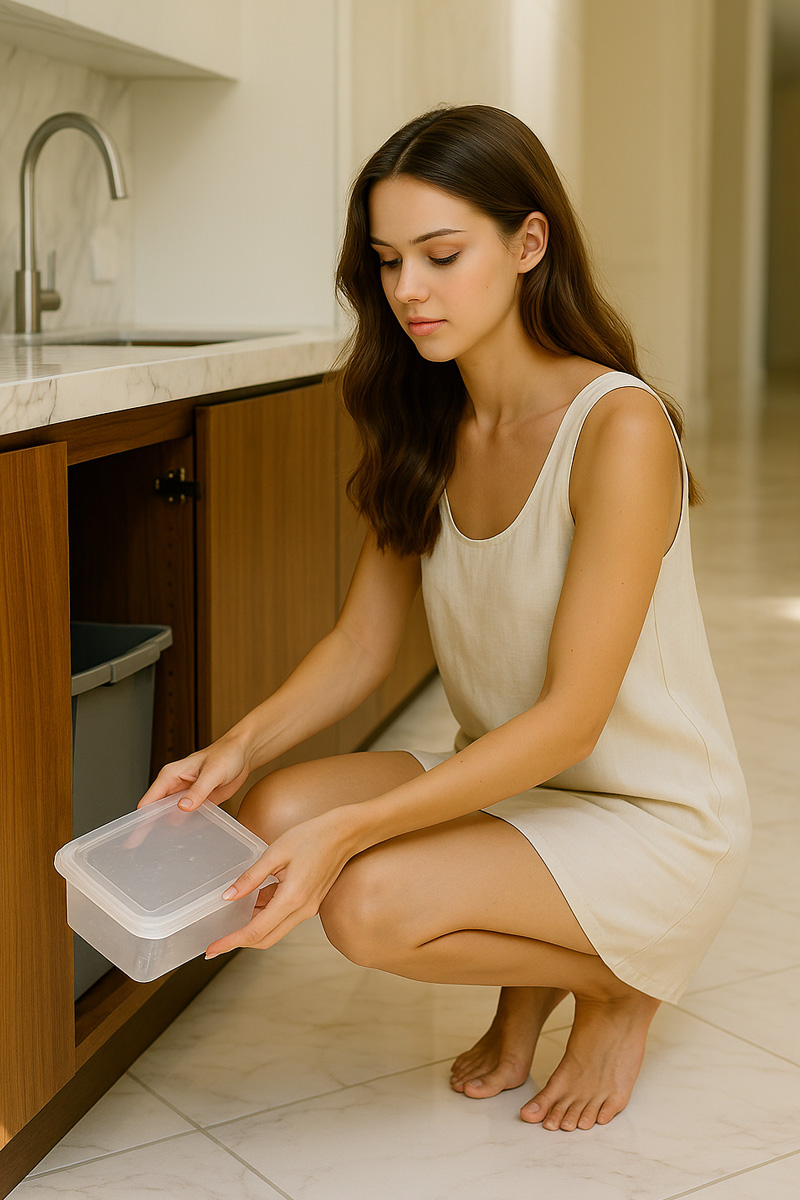
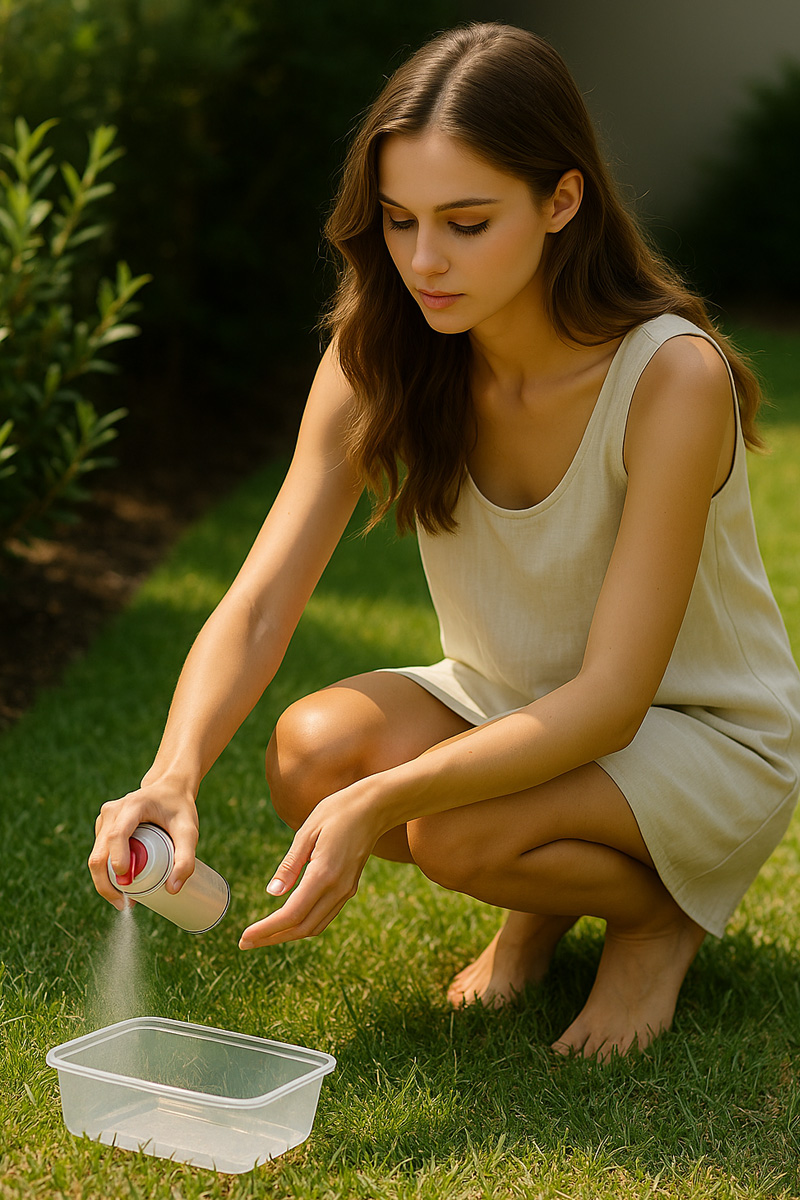
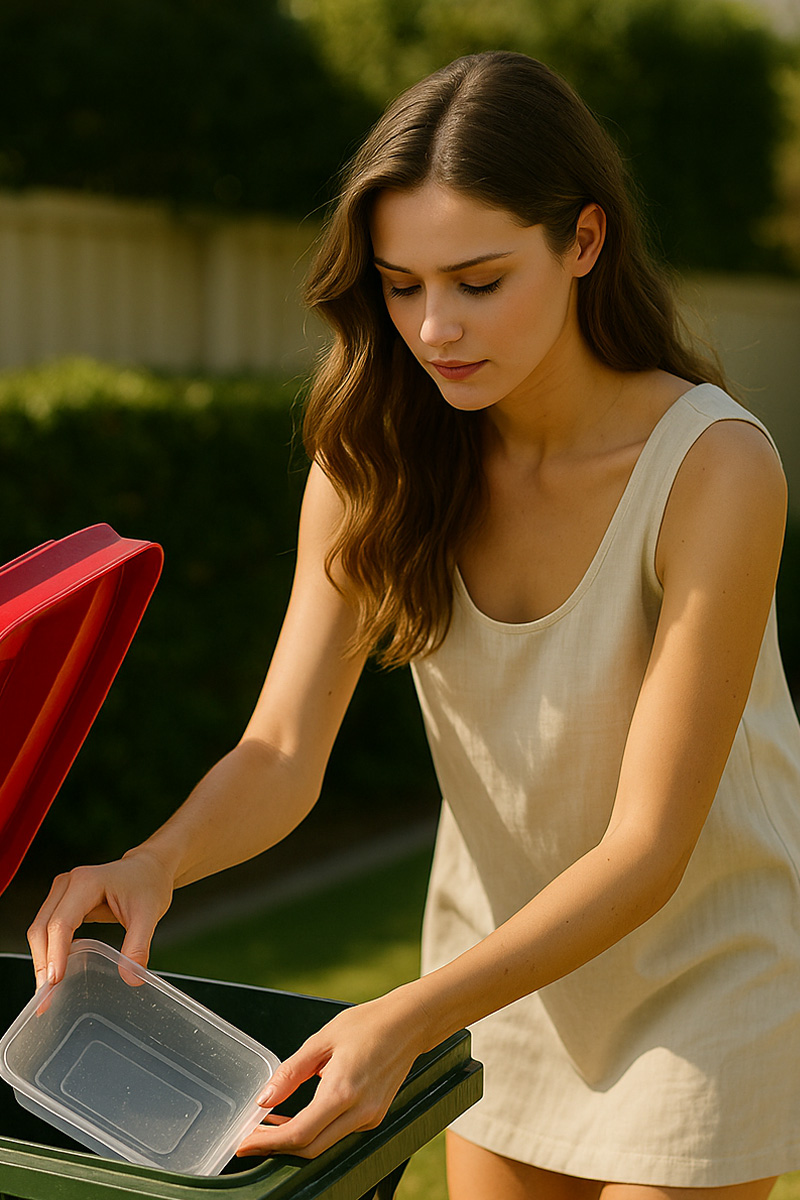
If you are dealing with an insect you can't step on barefoot or it's in an awkward spot, and you prefer not to spray indoors, trap the insect under a cup or container, slide a card underneath, and take it outside. A quick, targeted spray on a firm outdoor surface ends it without leaving fumes or residue indoors.

Looking After Yourself Afterwards
Killing an insect isn't pleasant, and you can't avoid seeing how the insect dies as it reacts to the spray or knowing that your feet are ending its life in that moment. It's normal to feel a brief discomfort afterwards or even guilt about what you've just had to do. But you're doing it for the right reasons: protecting your family, keeping your home clean and preventing a worse problem later. When it genuinely has to be done, ending the moment quickly and cleanly is the responsible choice. A quick hand wash and a steady breath are usually all you need before everything feels settled again.
You might also like






Disclaimer: Every effort has been made to ensure the accuracy of the information provided, but we make no guarantees regarding its completeness or reliability. The data is presented for general informational purposes only and does not constitute financial, investment, or legal advice. We are not liable for any errors, omissions, or consequences arising from its use. Users should verify details with relevant sources and seek professional advice where appropriate for the most accurate and up-to-date guidance.