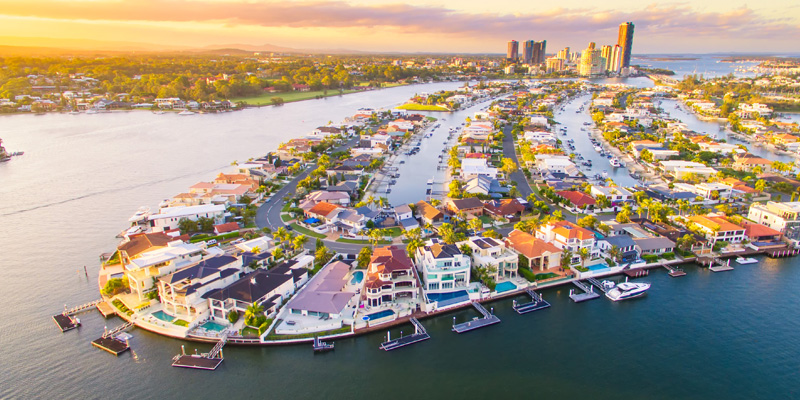
On the Gold Coast, flag poles sit in a coastal environment defined by salt air, intense sun, summer storms, and sudden wind changes. Installing one properly means thinking beyond how it looks on day one and planning for how it will behave after years of weather, humidity, and exposure. When designed and installed well, a flagpole becomes a quiet, durable part of the property frontage. When rushed or underbuilt, it can lean, corrode, rattle, or become a constant maintenance problem.
Understanding the Gold Coast Environment
The Gold Coast places unique demands on outdoor structures. UV exposure is relentless, coastal breezes carry salt well inland, and storm seasons bring gusts that can load a flagpole far beyond what calm conditions suggest. Many suburbs also have sandy or reactive soils that affect footing design. These factors mean that a flagpole suitable for inland regions may struggle locally unless materials, hardware, and foundations are chosen specifically for coastal Queensland conditions.
Choosing the Right Location on the Property
Location determines how well a flagpole performs and how much attention it attracts. The ideal position allows the flag to fly freely without brushing rooflines, trees, or fences, while still feeling visually connected to the house. Clearance from powerlines and underground services is essential, particularly near street frontages where infrastructure is common. On the Gold Coast, side passages can act as wind tunnels, so placing a pole where gusts accelerate can dramatically increase stress on fittings and flags. Noise at night should also be considered, as halyards and clips can echo between buildings if the pole is poorly positioned.
Planning Controls and Local Considerations
Many residential flagpoles can be installed without formal approval, but this depends on height, placement, lighting, and whether the pole could be interpreted as signage. Some estates and body corporates impose additional rules on external fixtures and visual elements. Even where approvals are not required, neighbour amenity matters. A pole placed hard against a boundary or lit aggressively at night can create disputes that are easy to avoid with thoughtful placement and restraint.
Proportion and Height Selection
Flagpoles look best when their height matches the scale of the home and street. Short poles can feel temporary and leave flags drooping into landscaping. Very tall poles increase wind load, footing size, and scrutiny from neighbours and councils. In most suburban Gold Coast settings, a mid-range height provides presence without dominating the frontage. Larger blocks and open coastal sites can support taller poles, but only when foundations and fittings are engineered to suit the increased forces involved.
Material Choices for Coastal Durability
Aluminium remains the most common residential flagpole material on the Gold Coast because it offers a strong balance of weight, strength, and corrosion resistance. Marine-grade aluminium with a quality anodised finish performs far better near the ocean than thin or poorly finished tubing. Stainless steel poles deliver a premium appearance but require correct grade selection and careful isolation from other metals to avoid corrosion issues. Fibreglass poles are increasingly popular for their resistance to corrosion and quieter performance in wind, although they require well-designed hardware to prevent wear at contact points.
Pole Construction and Assembly
One-piece poles provide a clean appearance and consistent stiffness, but can be challenging to transport and handle on constrained sites. Sectional poles are easier to deliver and install, yet rely heavily on the quality of their joints. Poorly designed joins can introduce flex, noise, and alignment issues over time. In exposed Gold Coast locations, stiffness matters, as excessive flex accelerates wear on flags and fittings.
Halyard Systems and Everyday Use
The halyard system controls how the flag is raised and lowered. External halyards are simple, affordable, and easy to maintain, but can create noise if not restrained properly. Internal halyard systems hide the rope inside the pole and reduce visual clutter and tampering, though they involve more components and require careful installation. In coastal weather, reliability should guide the decision, as salt and moisture test every moving part over time.
Wind Loads and Flag Selection
Wind is the dominant force acting on a flagpole. The size and fabric of the flag influence how much load is transferred to the pole and its footing. Oversized flags can look impressive but place significant stress on hardware during strong winds. On the Gold Coast, many homeowners keep a standard flag for everyday conditions and a smaller option for stormy periods. This approach extends the life of both the flag and the pole.
Footings and Ground Conditions
The footing is the unseen element that determines long-term stability. Depth and diameter depend on pole height, exposure, and soil type. Sandy soils near the coast require different treatment to clay or mixed ground found inland. Shallow or poorly compacted footings can allow gradual lean or sudden failure during storms. Footings should also be positioned clear of slabs, retaining walls, and underground infrastructure to avoid cracking or service damage as loads transfer into the ground.
Service Location and Electrical Planning
Before excavation begins, underground services must be identified and confirmed. Front yards often contain power, communications, irrigation, and stormwater lines. If lighting is planned, conduit paths and isolation points should be designed before concrete is poured. Retrofitting electrical components after installation is difficult and often results in compromised finishes or unnecessary rework.
Base Systems and Long-Term Maintenance
Flagpoles can be installed using ground sleeves, hinge bases, or direct-set methods. Ground sleeves isolate the pole from concrete and simplify replacement. Hinge bases allow the pole to be lowered for servicing, which can be valuable for taller installations. Direct-set poles can be strong but may trap moisture at the base if not detailed carefully. In coastal areas, the base zone is where corrosion risk is highest, making detailing and drainage critical.
Managing Corrosion Near the Coast
Salt exposure accelerates corrosion and highlights weaknesses in material selection. Mixing incompatible metals without isolation can cause rapid deterioration. Marine-grade fixings, isolating washers, and appropriate sealants significantly improve longevity. Occasional rinsing with fresh water helps remove salt buildup, particularly after periods of strong onshore wind.
Noise Control and Residential Comfort
Noise is one of the most common complaints associated with flagpoles. Rope slap, clip rattle, and vibration can be minimised through proper tensioning, quality hardware, and halyard retainers. Designing for quiet operation from the outset avoids the frustration of retrofitting fixes after neighbours raise concerns.
Lighting the Flagpole
Lighting should be subtle and purposeful. Poorly aimed lights can create glare into nearby homes or read as security lighting rather than a considered feature. Low-level, shielded uplighting is often the most effective approach. Electrical components must be suitable for outdoor conditions and installed in compliance with local requirements.
DIY Installation Versus Professional Work
Short, lightweight poles can be installed successfully by capable homeowners with experience in concrete work and alignment. Taller poles, exposed sites, or installations involving lighting are better handled by professionals. Incorrect footing depth, misalignment, or unsafe lifting methods can turn a simple project into an expensive correction exercise.
Ongoing Care and Inspection
A flagpole requires little routine attention, but periodic checks make a big difference. Inspect ropes, clips, and bolts for wear, especially after storm seasons. Address coating damage early to prevent corrosion spreading beneath the finish. Well-maintained poles retain their appearance and function for decades.
On the Gold Coast, a flagpole works best when it is treated as a permanent exterior structure rather than a decorative afterthought. Thoughtful design, suitable materials, and proper installation ensure it remains straight, quiet, and reliable through sun, salt, and summer storms, becoming a lasting part of the home rather than a recurring problem.
You might also like


Disclaimer: Every effort has been made to ensure the accuracy of the information provided, but we make no guarantees regarding its completeness or reliability. The data is presented for general informational purposes only and does not constitute financial, investment, or legal advice. We are not liable for any errors, omissions, or consequences arising from its use. Users should verify details with relevant sources and seek professional advice where appropriate for the most accurate and up-to-date guidance.