
Modern homeowners are increasingly turning away from harsh chemical sprays and towards more sustainable, natural ways of living. One area where this is especially appealing is pest control. While no one wants ants in the kitchen, cockroaches in the pantry, or mosquitoes buzzing on a warm Gold Coast evening, there are simple and effective natural approaches that can make your home less inviting to unwanted visitors.
These are suggested proactive, initial deterrents, and always seek professional advice if needed – especially where destructive insects are involved like termites.
A Lifestyle Shift Towards Natural Living
Think of natural pest control not just as a one-off fix, but as part of the way you care for your home and garden. By choosing herbs that deter insects, sealing gaps around your house, and removing standing water, you're not only protecting your family but also creating a healthier environment. The result is a lifestyle that feels calmer, greener, and in tune with the seasons.
Prevention: The First and Best Line of Defence
It's tempting to wait until you see pests to take action, but prevention is always more effective. Start with small adjustments:
- Walk the perimeter of your home and seal any cracks or gaps that might let ants or cockroaches sneak inside.
- Keep kitchen benches clean, store cereals and grains in airtight containers, and sweep regularly to remove crumbs.
- Drain water from pot saucers and gutters - even a small puddle can become a breeding site for mosquitoes.
These steps may feel simple, but they dramatically reduce the chances of infestations taking hold.
The Power of Plants and Natural Scents
Nature has its own defence system, and you can borrow from it. Citrus peels, peppermint oil, eucalyptus, and lavender are all known to deter common pests. A few drops of peppermint oil in water sprayed around windows can discourage spiders. Lemon rinds near the bin help reduce fruit flies. And potted herbs like basil, lemongrass, or rosemary at the back door look beautiful while discouraging mozzies and flies.
In the garden, marigolds and chrysanthemums do more than add colour - they help ward off aphids and ticks. It's a perfect blend of beauty and function.
Eco-Friendly Household Fixes
Some of the most effective natural remedies are already in your pantry. A mix of sugar and baking soda, sprinkled along ant trails, is a low-tox solution that interferes with their colony. Diatomaceous earth, a fine powder made from fossilised algae, can be dusted lightly along skirting boards or garden edges to dehydrate crawling insects. Even a simple spray of soap and water can deal with mites or aphids on your plants.
Working With Nature Outdoors
Your outdoor spaces are part of the balance. Instead of relying on pesticides that disrupt the ecosystem, think about encouraging natural predators. Birds, lizards, and frogs can keep insect numbers down if your garden provides water, plants, and shelter. Choosing mulch carefully also helps: heavy wood mulches close to the house attract cockroaches and termites, while gravel or eucalyptus mulch offers a cleaner, pest-resistant option.
When Natural Isn't Enough
It's important to recognise the limits of natural pest control. For mild infestations, these methods are safe and effective. But if you discover termites, bed bugs, or persistent rodent problems, professional help is essential. Licensed pest controllers can provide targeted treatments that are safer and more effective than DIY fixes.
Living Comfortably and Sustainably
Natural pest control is about more than avoiding chemicals - it's about shaping a lifestyle that's healthier for your family and kinder to the environment. By weaving prevention, natural remedies, and garden choices into your daily routines, you'll find your home feels fresher, calmer, and more in balance with nature.
Dealing With a Pest You Do Come Across
Even the best prevention can't guarantee a completely pest-free home. When you do come across an unwelcome guest, the key is to handle it effectively. For an ant trail, wiping the area with vinegar or soapy water will not only remove the insects but also erase the scent trails that attract others. Spiders can usually be relocated outdoors with a container and piece of card rather than squashed - they're often useful predators in the garden. If you find a mosquito or fly indoors, natural sprays with essential oils like citronella or peppermint provide a safe alternative to chemical aerosols.
For pests that arrive in numbers - such as a line of ants or a sudden surge of pantry moths - take it as a sign to reset your environment. Clean thoroughly, store food in sealed containers, and place deterrents such as bay leaves or cloves in the pantry. Outdoors, check for breeding conditions like damp mulch or standing water and remove them promptly. By treating both the pest and the reason it appeared, you reduce the chance of a repeat visit.
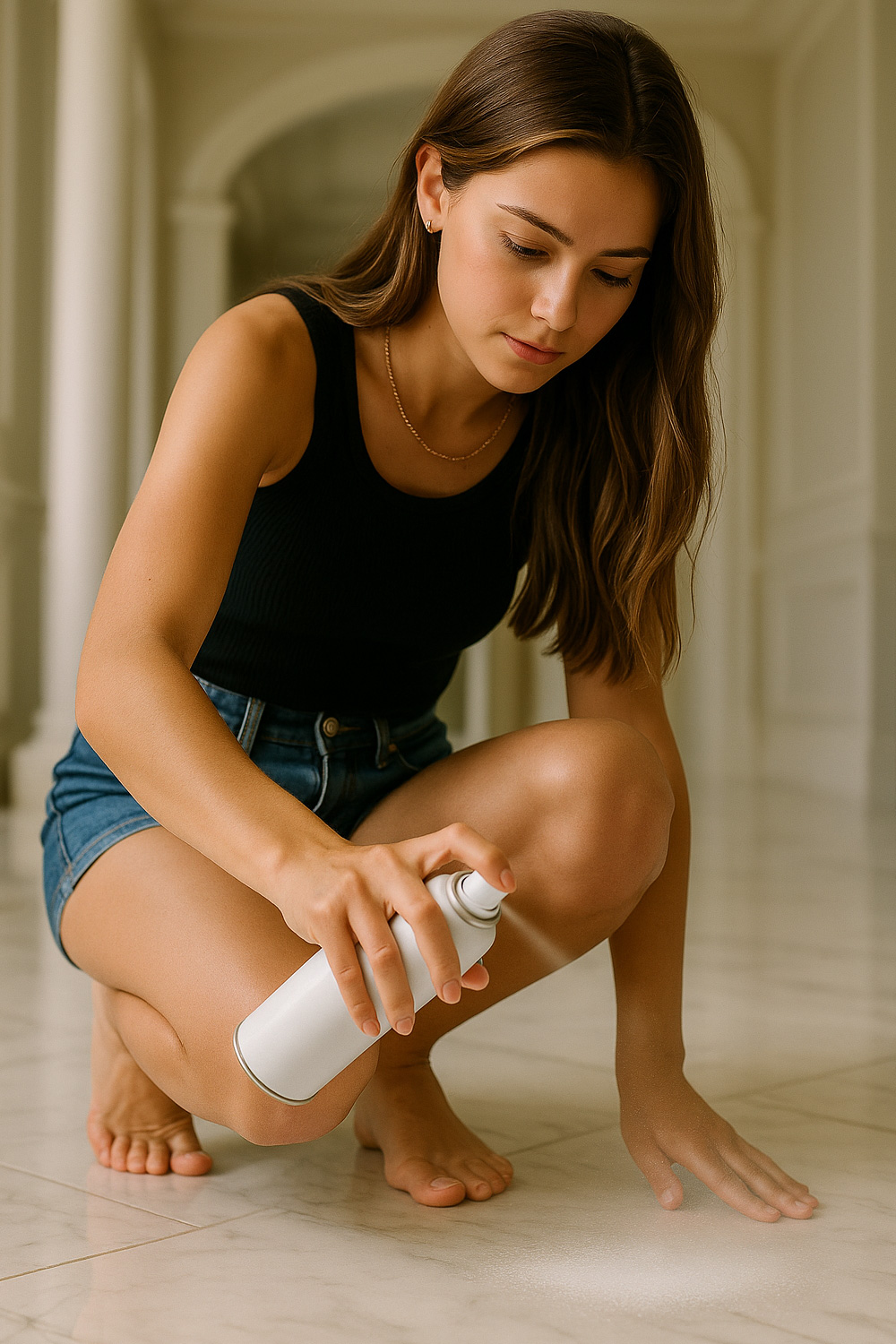
Sometimes, though, you have to choose between a step or a spray. A fast-moving cockroach or stubborn insect might not respond to gentle measures. In those moments, act decisively: either step on it - firmly enough to start the dying process, sometimes using a paper towel or catching cup if you're barefoot - or reach for a low-tox or natural spray. After it's been stepped on or sprayed, it might take a few moments to finish dying. Grab the broom to sweep it up while you wait, then dispose of it once it's still.
If you prefer not to deal with it on the spot, another quick option is to catch it in a cup you use only for insect catching, transfer it to a sturdy plastic bag, and tread on it outside. That method is instant and contained - the bag acts as a barrier, protecting the soles of your feet if you're barefoot, which is important in a place like the Gold Coast where shoes aren't always worn, especially at home.
The goal isn't aggression, it's quick, clean control. Afterwards, wipe down the area with soapy water or vinegar to remove any residue or scent trails.
Quick Pest Removal
A popular way to remove a pest from your home without using chemicals is to use this quick method:
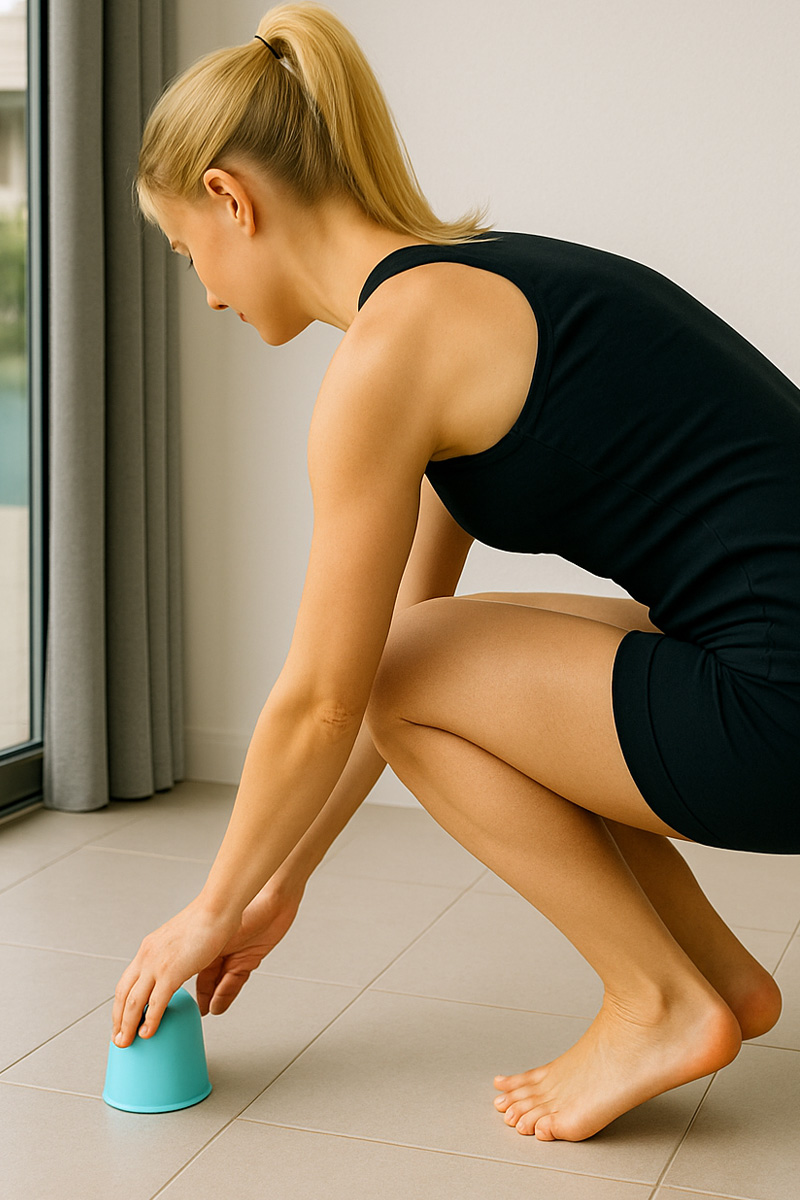
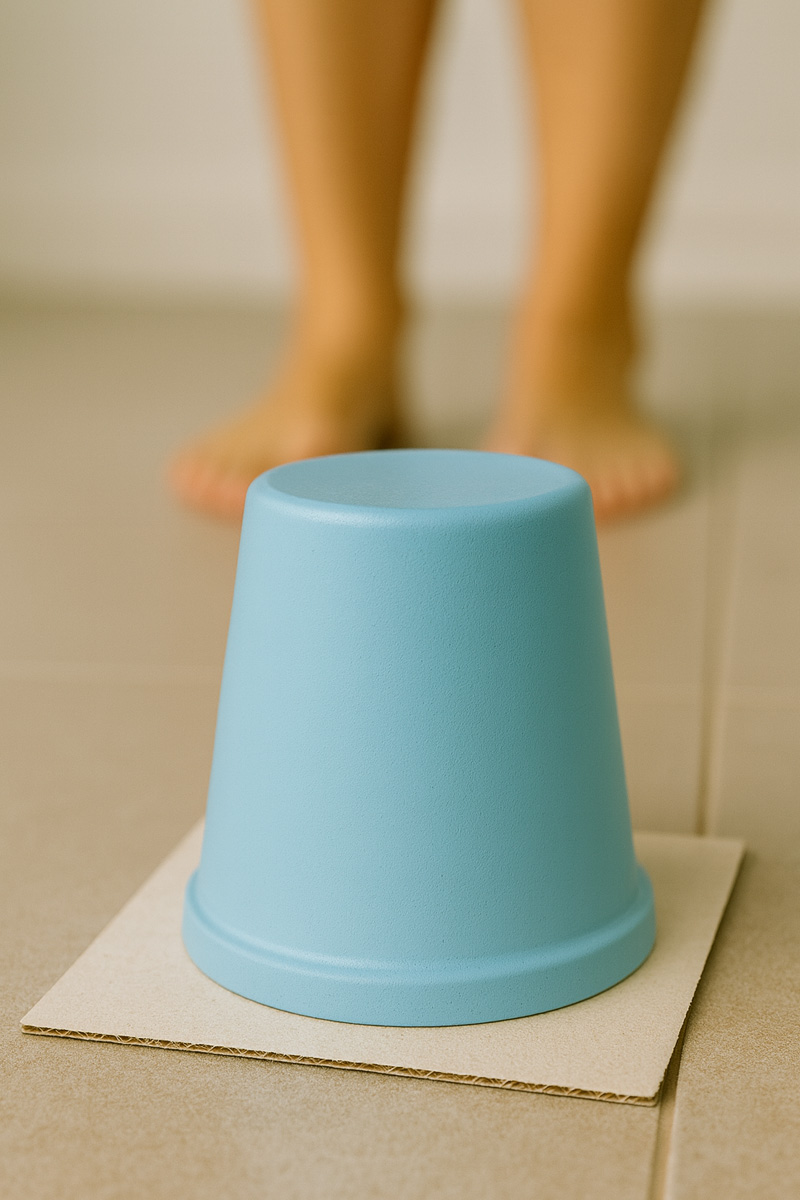
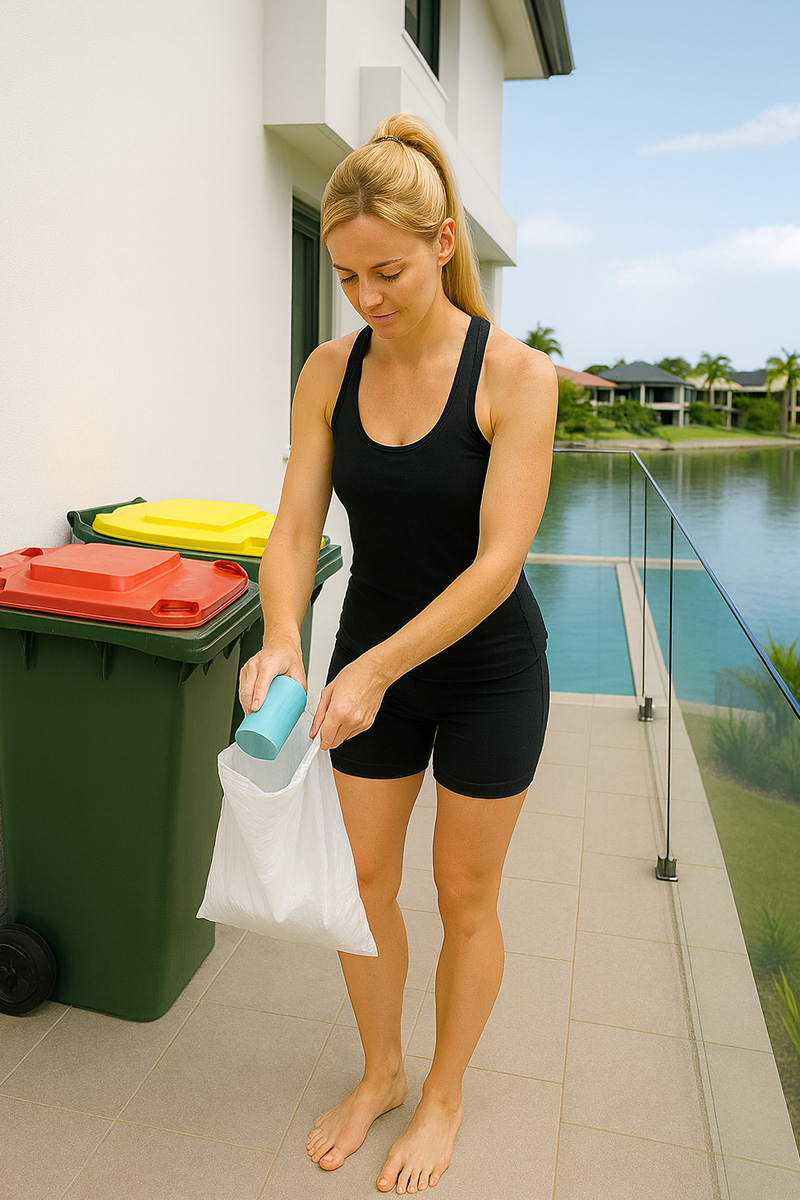
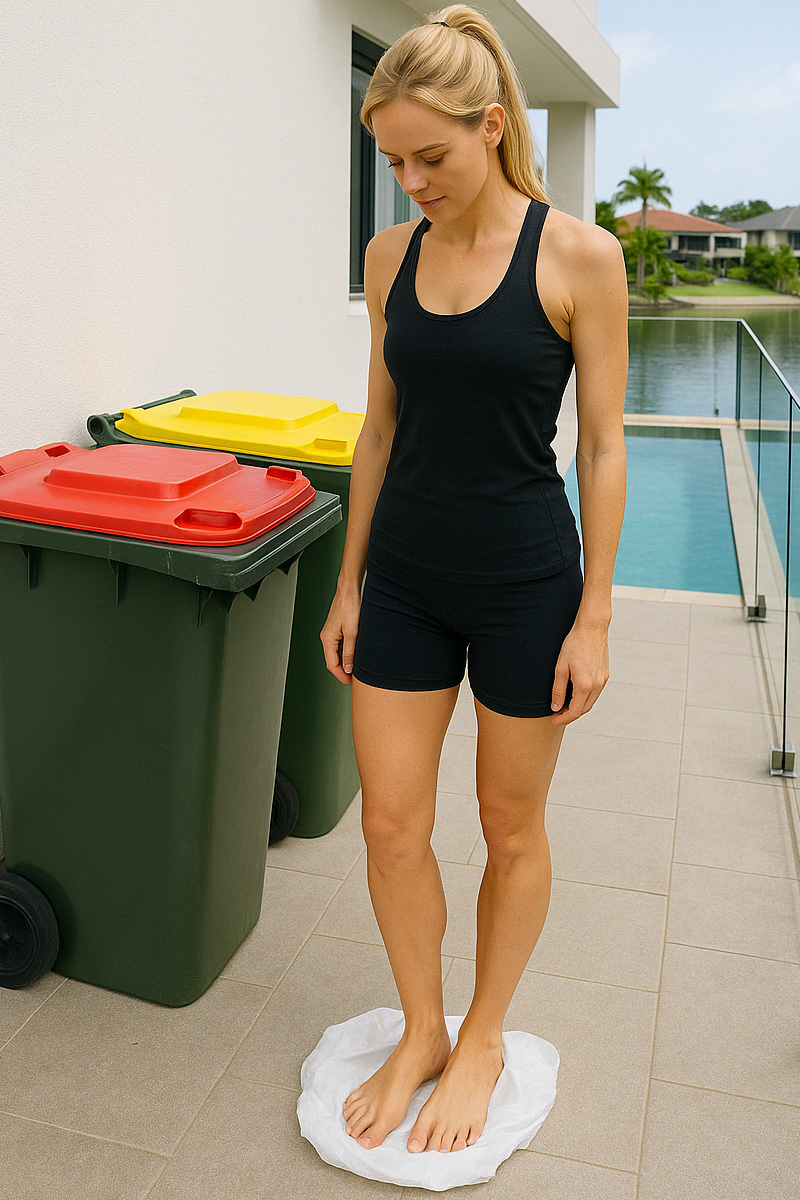
While this is a popular method often done barefoot for simplicity - and since shoes are rarely worn at home - it's still important to use common sense. Even with the pest sealed inside the bag, only do this on insects that can be stepped on barefoot. Otherwise, place a solid layer over the top or slip on footwear before treading.
You might also like






Disclaimer: Every effort has been made to ensure the accuracy of the information provided, but we make no guarantees regarding its completeness or reliability. The data is presented for general informational purposes only and does not constitute financial, investment, or legal advice. We are not liable for any errors, omissions, or consequences arising from its use. Users should verify details with relevant sources and seek professional advice where appropriate for the most accurate and up-to-date guidance.