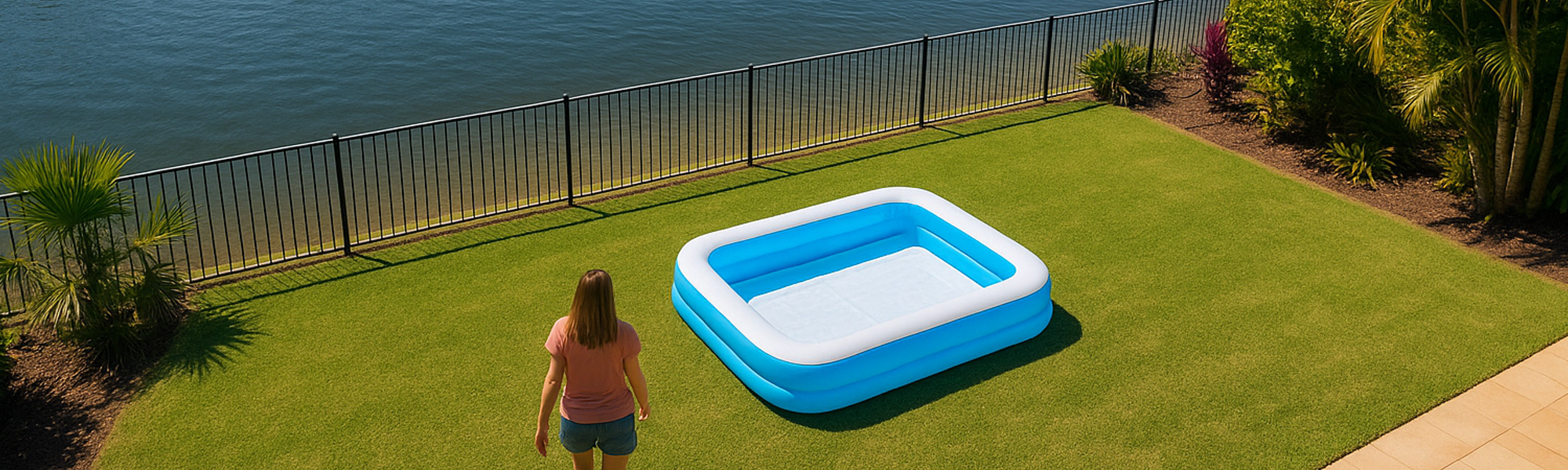

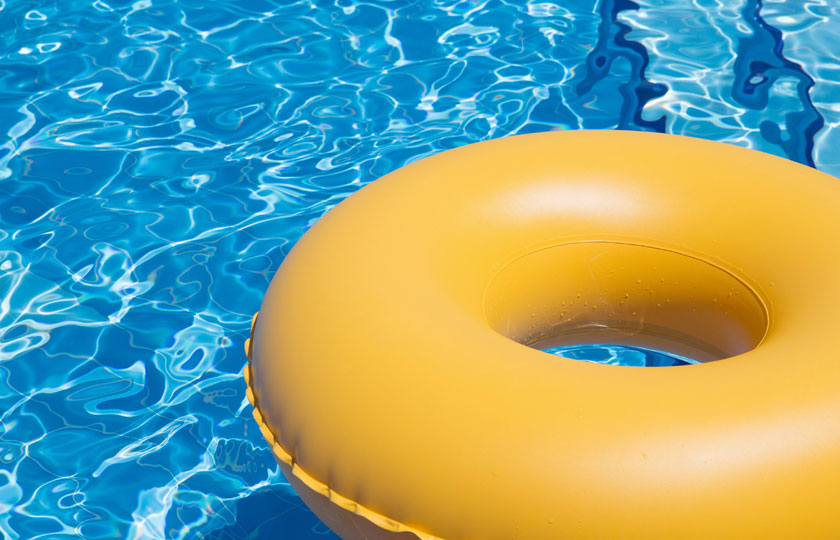
Inflatables feel like pure summer joy across the Gold Coast. They arrive in bright colours, ride along in the back of family cars, migrate between backyard lawns and pools, and soak up weeks of salt air and chlorine. By the time autumn arrives, they carry the whole story of the season: sunscreen smudges, the faint smell of pool chemicals, damp grass stains, gritty sand, and the invisible film that comes from being handled by dozens of small hands. Yet this is often the moment people ask themselves whether they should pack them away or throw them out.
Families tend to hold onto inflatables longer than they should. They feel harmless, nostalgic and reusable. But the reality is that these soft plastics age quickly in the sun and water, and by the end of each warm season they often become reservoirs for bacteria, mould and chemical residue. Disposing of them at the right time is not wasteful. It is a practical part of keeping households healthy and preventing damp, degraded plastics from lingering in storage for another year.
Why Seasonal Disposal Matters for Family Health
Inflatables spend their entire lifespan in environments that encourage microbial growth. Warm water, skin oils, sweat, sunscreen, drink spills, tiny lawn clippings and the occasional scrape from patio surfaces all combine into a residue that starts building up from the first week of use. Even when washed, the creases and seams of older inflatables tend to trap more than households realise.
Once an inflatable has been sun bleached, softened by chlorine or worn down by repeated flexing, the surface begins to degrade. These micro cracks and softened patches allow microbes and mould spores to settle in. By the end of a long season, a faded inflatable is rarely hygienic enough to store for a year without risk of mould establishing itself in storage boxes or cupboards. This can spread to nearby towels, swimwear and kids' gear before anyone realises where the smell is coming from.
Families with young children are often surprised by how quickly inflatables carry residue that irritates sensitive skin. The chemical mix of sunscreen and chlorine is harsh on older plastics, and during storage these plastics continue to break down, creating a powdery feel when reopened the next year. Seasonal disposal prevents all of these lingering issues and resets the home pool setup with fresh, safer gear when summer rolls around again.
How to Assess Whether an Inflatable Should Be Kept or Thrown Away
Before committing to disposal, it helps to give each inflatable a short inspection on a bright, dry day. Spread it out on the lawn and check the seams, colour and texture. Anything that feels sticky, powdery, rough or unusually soft is ready to go. Persistent stains along creases are another sign that the material has absorbed more than it should.
Smell is also revealing. A strong plastic odour or a faint musty scent means the inflatable is already on the edge of its usable lifespan. If the item has been stored wet at least once over the season, mould spores will have had an opportunity to settle in the folds.
A final test is structural. Inflate it fully and listen for small leaks. If you hear faint hissing or notice soft patches, the material is already degrading. Even if repairable, older inflatables rarely justify their second life because the surface condition usually tells a more concerning story than the air leak.
Why You Should Never Store Old Inflatables
Storing old inflatables is more harmful than households assume. Even when drained and folded, they retain microscopic moisture in their creases. Over cooler months this encourages mould growth, and by spring they often smell strongly enough that families end up throwing them out anyway. The difference is that now the mould has affected storage tubs, linen shelves or garage cupboards.
Storing degraded plastics also risks staining nearby items. As older PVC or vinyl breaks down, it can release faint residue on contact surfaces. Swim bags, towels, kids' outdoor toys and even pool equipment can pick up this residue, creating extra cleaning work for the new season.
Finally, older inflatables are prone to sudden material failure when reinflated after a long break. This can startle small children and cause minor scrapes or falls around the pool edge. Disposing of them at the end of each season removes this risk entirely.
Talking to Kids About Why Inflatables Have to Go
When the season ends, adults understand that inflatables don't stay clean or safe forever. Children often don't see that. To them, the inflatable is just part of summer. Before you begin disposing of it, a calm explanation can make all the difference.
Start by talking about why it has to go. Let them know that inflatables slowly collect things you can't see - sunscreen residue, pool chemicals, dirt, tiny bits of grass, and germs from weeks of use. Even when they look fine on the outside, the material becomes less healthy each time it sits in the sun or gets wet. Keeping an old inflatable for another year can make the whole family's gear smell musty or introduce mould into storage spaces. It isn't about throwing something away for the sake of it. It's about protecting everyone's health.
Next, explain what will happen to it. Tell them the inflatable will be taken apart so it fits neatly in the bin, then collected with the rest of the household rubbish. The material can't be recycled, so the goal is simply to break it into smaller pieces so it doesn't take up too much room. Keeping it whole isn't possible because it isn't clean or safe enough to store.
Children often worry that tearing something up means it was never important. Reassure them that the fun they had with it still matters. The inflatable isn't being thrown away because it was bad - it's going because it reached the end of its useful life, just like shoes or school hats that eventually wear out.
If they happen to see you tearing it up, guide them through the moment rather than hiding it. Let them know why the tearing looks rough - it's simply the quickest and safest way to break down the material without using sharp tools near them. Remind them that you're doing it to keep the home clean, to stop old plastics from spreading germs, and to make sure next summer starts fresh with gear that won't cause skin irritation or strange smells.
If they feel upset, keep your voice steady and explain that seasonal items have a natural lifespan. When they wear out, letting them go keeps the family safe and the home healthy. Pointing toward next summer - when everyone gets a clean, new inflatable that hasn't spent a year gathering mould - often helps them understand that this is part of caring for the household, not destroying something they loved.
Handled openly and gently, children learn that getting rid of worn-out summer gear isn't sad or harsh. It's simply part of looking after the family and preparing for the next bright, warm season.
Why Inflatables Must Be Destroyed Before Disposal
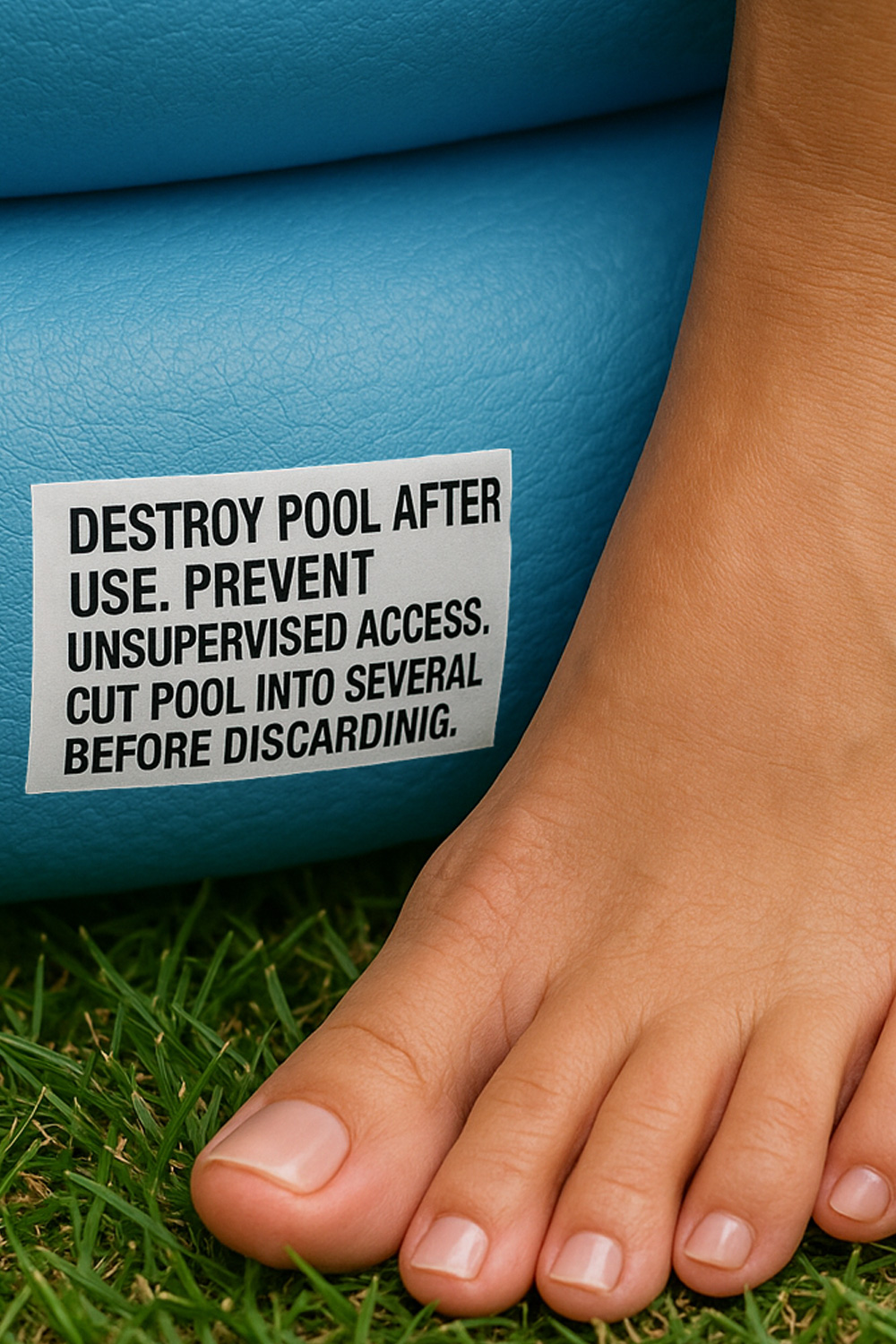
Households often wonder why old inflatables can't simply be placed whole into the bin. The reason is surprisingly simple: by the time an inflatable reaches the end of its life, the material is no longer stable, no longer hygienic, and no longer safe to store intact. Breaking it apart before disposal protects the household, protects collection workers and prevents a range of problems that appear when these bulky items are thrown away whole.
A fully inflated or even partially inflated inflatable traps large pockets of air. When it's placed into a bin in that state, it can jam against the bin lid, expand unpredictably, or create pressure that stops the lid from closing. Worse, trapped air can cause the item to force its way back up the bin during collection, leaving waste exposed or scattering lightweight material across the street.
Old inflatables also tend to hold moisture deep in their folds, even when they appear dry. This moisture mixes with sunscreen residue, lawn debris and microbes that have settled into the material during the season. Left intact, that damp interior can leak odour, draw insects and encourage mould inside the bin itself. Destroying the inflatable breaks open those sealed pockets so everything can dry out before disposal and prevents unpleasant surprises during collection week.
There is a hygiene benefit too. Once an inflatable is opened and torn into strips, there is no longer a hidden interior space where old water or residue can sit unnoticed. A dismantled inflatable becomes flat, cleanable and easy to compact. A whole inflatable does not.
Destroying the inflatable before it goes into the bin also prevents anyone from attempting to reuse it once it has been placed out for collection. Old inflatables often look serviceable from a distance, especially when the colours are still bright, but their internal surfaces can carry residue that isn’t visible. If left whole, someone might be tempted to take it, inflate it again and use it around children, not realising the hygiene risks or the weakened structure. By breaking it down into panels, you make it clear that the item has reached the end of its safe life, protecting others from unknowingly bringing a compromised inflatable into their home.
Finally, the tear-down process reduces the item to manageable pieces. Instead of wrestling a soft, balloon-like object into a confined space, households can layer the panels neatly, ensuring the bin lid closes properly and nothing protrudes. This protects the collection system, prevents street litter and keeps the disposal process practical for real homes.
Destroying the inflatable before disposal isn't dramatic or symbolic – it's simply the safest, cleanest and most efficient way to prepare a bulky seasonal item for the waste stream.
Safe Disposal: A Practical Tear-Down Method That Works
When the warm months fade and the last swims of the season are behind you, most inflatables are exactly where they've been all summer - lying fully inflated on the grass or the pavers, softened by sun and chlorine, and waiting for someone to deal with them. The simplest way to dispose of them is to work on them in that same state. There's no need to deflate them first. They're already upright, shaped and easy to brace against, and starting from that position makes the whole process far more controlled.
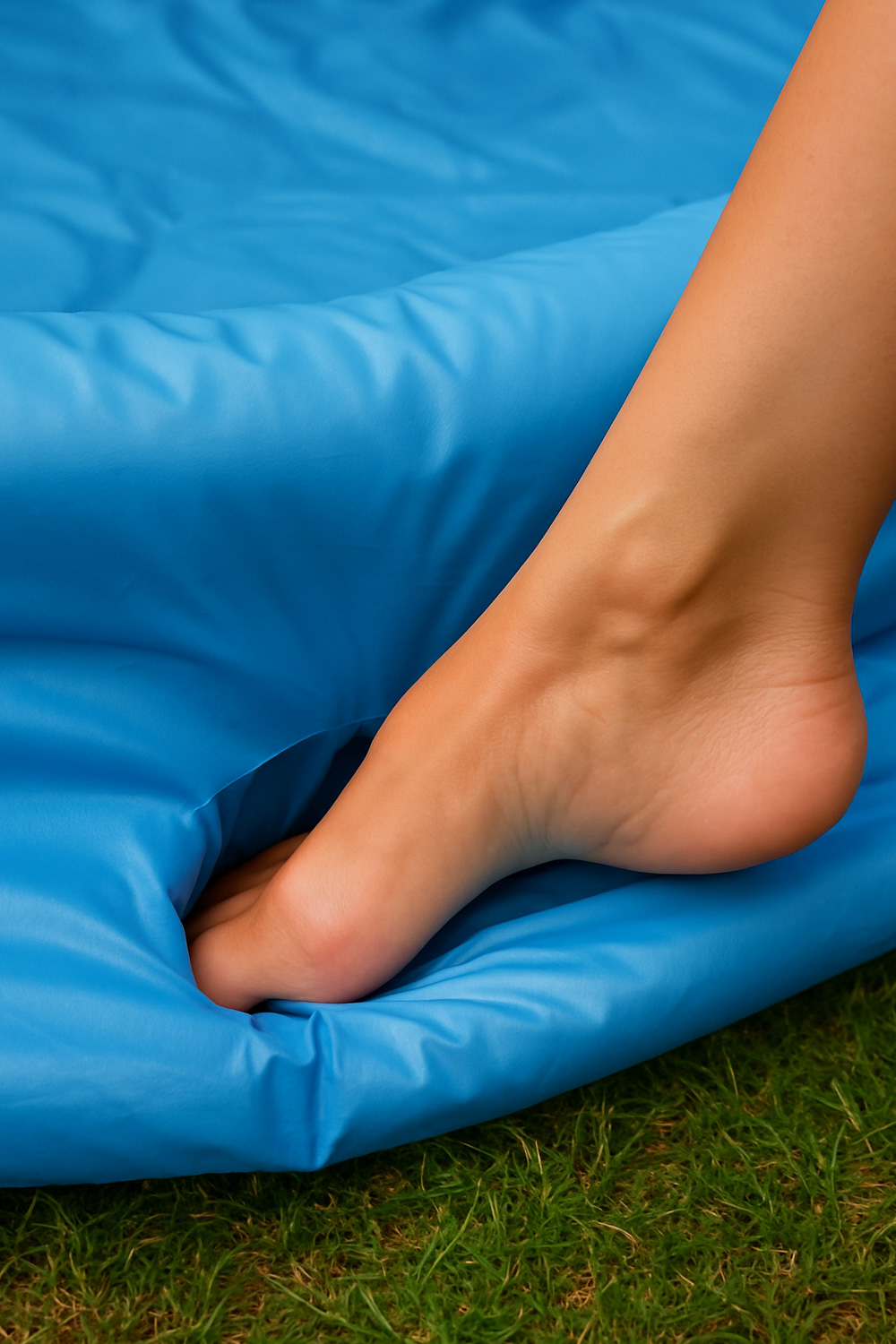
Inflatables are usually destroyed barefoot because the direct skin contact of your soles gives far better grip on the smooth plastic. Begin by choosing a clear bit of ground with enough room to move around freely. A level lawn or a dry concrete patch is ideal. Give the area a quick scan for twigs or anything sharp. Then take a small pair of scissors and make a single cut in an accessible spot on the inflatable. Keep the opening small and cut away from your hands and body.
Put the scissors aside. From here, you'll rely on your feet and hands rather than continuing with tools. Slip one foot into the opening. This anchors the section you're working on and stops the inflatable from sliding as you tear.
With that section secured, take hold of the upper layer with both hands and pull upward in a firm, steady motion. The material will begin to separate along its natural lines, peeling back into long strips.
As each strip comes away, shift your feet around the inflatable, creating new anchor points as the tear progresses. Slip your foot through fresh gaps where the material has opened, pin it down again, and continue peeling. Keep your stance relaxed and let your weight stabilise you as you work.
Piece by piece, the inflatable will sag and release air as the structure breaks open. Eventually you'll be left with a loose shell and a growing pile of flat panels. Shake off any grass or sand, fold the material into compact bundles and place it into general waste. These plastics aren't suitable for kerbside recycling, so breaking them into neat sheets is the cleanest way to handle disposal.
Working this way turns a bulky, awkward object into something manageable without wrestling with half-deflated folds or trying to cut through slippery layers. You deal with the inflatable exactly as you find it at season's end, break it down safely, and clear the space for whatever replaces it next summer.
Refreshing for Next Summer
Clearing out inflatables at the end of each season creates a clean break that supports better hygiene and more enjoyable pool days next year. Households start the following summer with gear that feels fresh, bright and safe. Families avoid the familiar disappointment of inflating last year's faded, musty floaties only to realise they need to make a rushed purchase for the weekend.
Seasonal disposal is not about wastefulness. It is a simple, responsible habit that protects family health, prevents mould problems, and ensures the home stays prepared for the next round of pool days and backyard fun. By letting go of inflatables at the right time, households keep the best parts of summer while leaving the hidden risks behind.
You might also like



Disclaimer: Every effort has been made to ensure the accuracy of the information provided, but we make no guarantees regarding its completeness or reliability. The data is presented for general informational purposes only and does not constitute financial, investment, or legal advice. We are not liable for any errors, omissions, or consequences arising from its use. Users should verify details with relevant sources and seek professional advice where appropriate for the most accurate and up-to-date guidance.