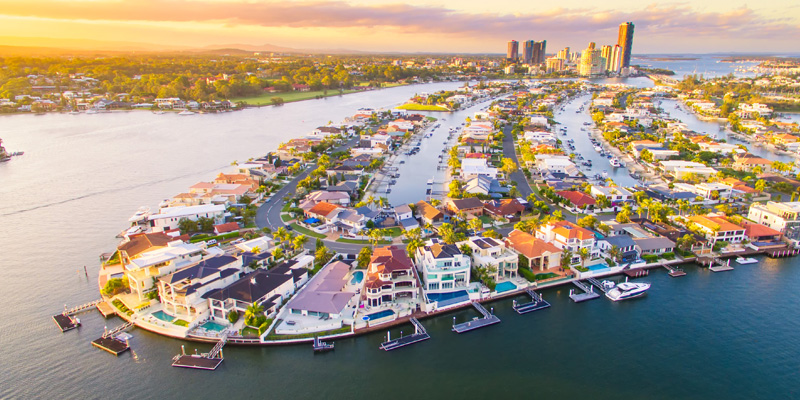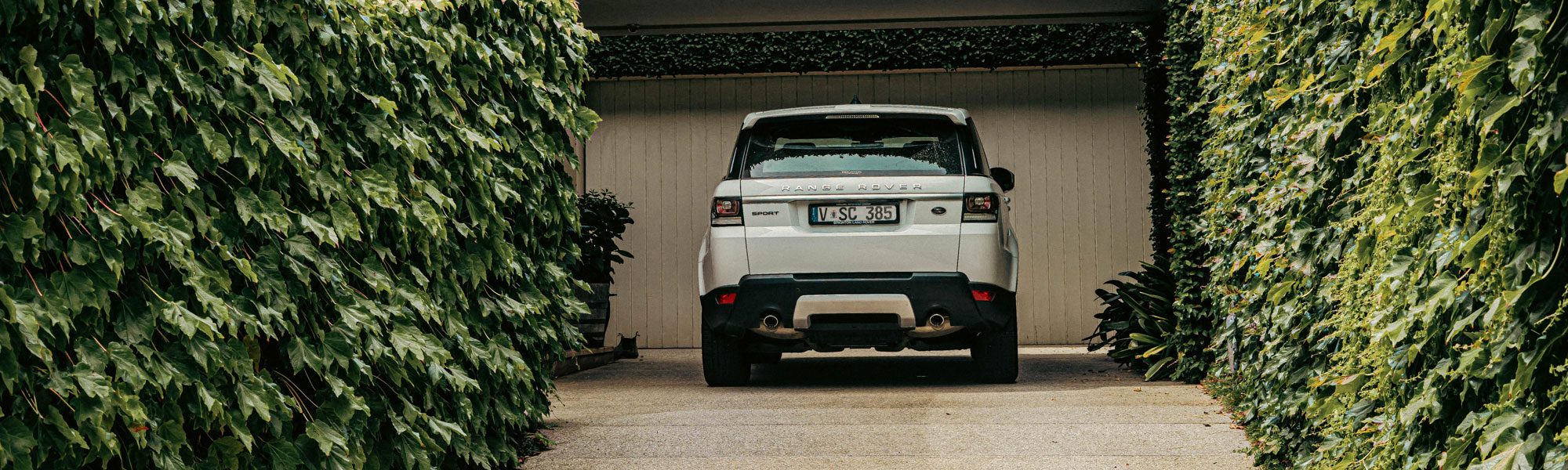
On the Gold Coast, sunlight is a given. But in today's property market, how you use that sunlight can add real value. Sustainability has shifted from being a lifestyle choice to a line item that influences price. Buyers are looking beyond location and layout - they're asking about solar panels, water-wise gardens, insulation, and energy ratings before they even step through the door.
This article is for general informational purposes only and does not constitute financial advice. Always seek independent professional guidance regarding energy, building, or investment decisions.
The Rise of Eco-Economics
A decade ago, sustainability was something you mentioned in passing: a solar hot water system, maybe a few low-flow taps. Now, it's a key metric. Real estate professionals across the Coast report that well-designed sustainable homes often sell faster and command higher prices, especially among younger families and interstate buyers drawn to the region's outdoor lifestyle.
The reasoning is simple: a home that costs less to run, feels cooler in summer, and lighter on the planet has long-term appeal. It's not just about eco-virtue - it's about economics. Electricity, water, and maintenance costs all factor into modern value perception.
Solar Power: From Optional to Expected
Solar panels have gone from rooftop novelty to near-necessity. A 6.6 kW system can offset a large portion of a family's power needs, and buyers now view solar as part of the home's infrastructure, not an add-on.
On the Coast, where sunshine averages more than 300 days a year, solar energy systems make sense on every level. Many sellers are investing in upgrades before listing - swapping ageing inverters for efficient models, adding battery storage, or connecting to smart-home energy monitors that show usage in real time.
Selling tip: Highlight energy data. Display your recent power bills or inverter app screenshots at open homes. Buyers love seeing the numbers, not just the panels.
Water-Wise Living
Gold Coast summers can be tough on gardens, and water-saving design is now part of what buyers expect. Drought-tolerant plants, automated irrigation, and mulched garden beds signal both practicality and pride.
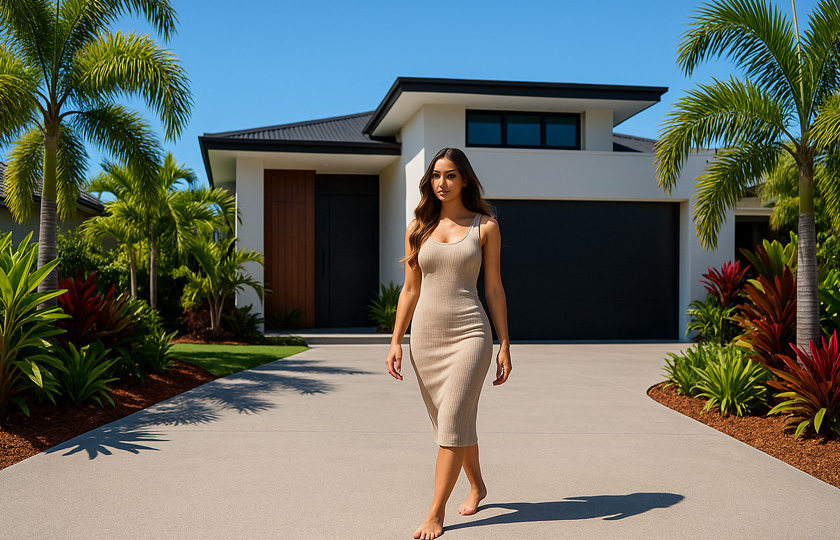
A water-wise home doesn't need to look sparse. Think tropical textures - palms, heliconias, native grasses - planted in layered beds that thrive with minimal watering. Pair that with rainwater tanks plumbed to toilets and washing machines, and you've got functional sustainability that appeals to families conscious of both costs and conservation.
Hint: Installing a modest rainwater tank can lift your property's green credentials dramatically, even on a small lot. Check if any rebates are available if you plan an installation.
The Power of a Good Energy Rating
Energy ratings have become the shorthand for comfort and cost efficiency. Homes designed with insulation, cross-ventilation, and passive solar orientation are measurably cooler in summer and cheaper to run year-round.
For buyers walking through a property, these differences are tangible - the home simply feels better.
If you're selling, get an energy assessment done. It's a modest investment that can pay off, especially in newer estates where buyers compare homes side by side. A high rating gives confidence that the design and materials will perform well for years.
Materials, Maintenance, and Modern Design
Sustainability extends to what the home is made of. Recycled timber decking, low-VOC paints, and long-life cladding reduce upkeep while appealing to environmentally aware buyers.
Architects on the Coast increasingly blend concrete, stone, and timber with high-performance glass - creating homes that are thermally efficient without sacrificing the breezy, open style the region is known for.
Idea: Highlight your low-maintenance finishes during inspections. A deck that never needs oiling or a roof with reflective coating can be surprisingly persuasive selling points.
Smart Homes, Smarter Choices
Smart technology and sustainability go hand in hand. Systems that let you control lights, blinds, or air-conditioning remotely aren't just for convenience - they cut waste. Motion sensors and timers can trim power bills and carbon output at once.
Energy-efficient lighting, especially LED strips in outdoor areas, also adds modern polish. Many buyers equate smart features with quality, even if they never use the advanced settings.
Greener Gardens, Higher Appeal
Outdoor spaces are where sustainability shows its aesthetic side. A lush yet water-wise garden adds lifestyle value while signalling good design sense. Permeable paths reduce runoff, and locally sourced stone or recycled sleepers keep materials grounded in the region.
If your property backs onto a canal or bushland, native plantings help with erosion control and attract local birdlife - an easy conversation starter for open homes.
The Emotional Value of Living Lighter
Sustainability is no longer just a checklist - it's a lifestyle aspiration. For many buyers, it represents balance: modern living that still respects the environment. That emotional connection can tip decisions, especially in a competitive market.
A home that naturally stays cool, feels bright, and uses resources wisely makes daily life easier. It's not about sacrifice; it's about harmony - with the climate, the surroundings, and the future.
Looking Ahead
On the Gold Coast, sustainability isn't a passing trend - it's becoming the quiet currency of property value. Homes that make smart use of sunlight, breeze, and water are more comfortable to live in and increasingly sought after by buyers who see long-term sense in efficiency.
The best part is that going green doesn't have to mean going without. A solar-powered home with shaded outdoor rooms, drought-resistant gardens, and clever water systems feels every bit as luxurious as its energy-hungry counterpart - often more so. Whether you're upgrading to sell or planning to stay, the same principles apply: invest once, and keep reaping the rewards through lower bills, cooler summers, and a lighter footprint.
In a market that's always chasing the next point of difference, sustainability has quietly become the new prestige feature - proof that the smartest homes are the ones that think ahead.
You might also like




Disclaimer: Every effort has been made to ensure the accuracy of the information provided, but we make no guarantees regarding its completeness or reliability. The data is presented for general informational purposes only and does not constitute financial, investment, or legal advice. We are not liable for any errors, omissions, or consequences arising from its use. Users should verify details with relevant sources and seek professional advice where appropriate for the most accurate and up-to-date guidance.