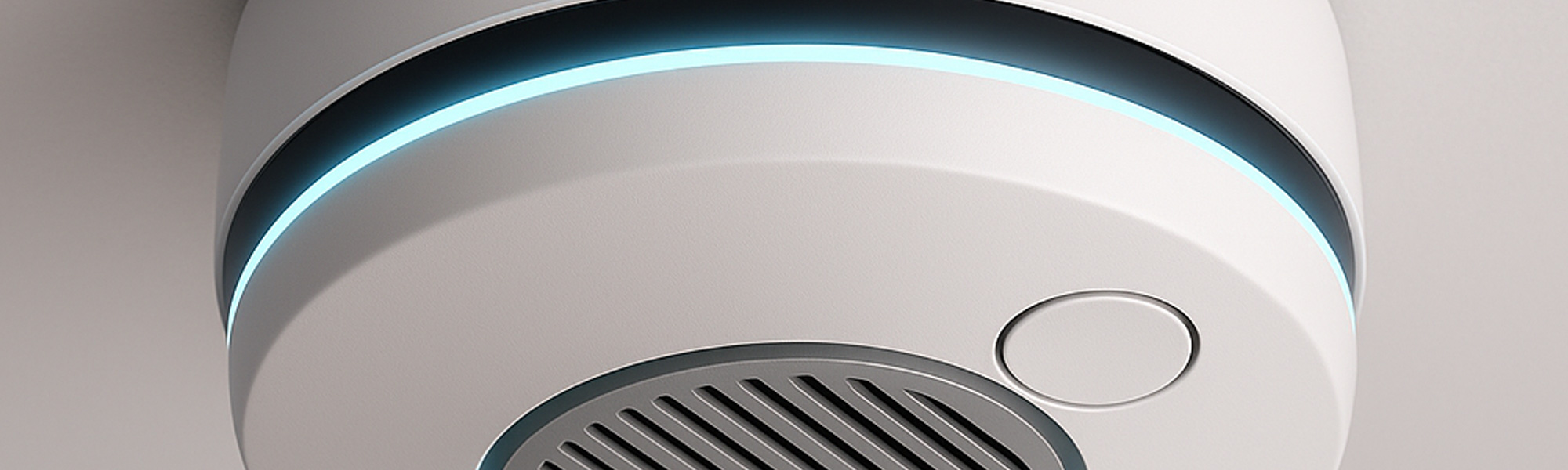
Smoke alarms save lives - but they need to be properly maintained and compliant. This short guide covers routine maintenance and how to replace the backup battery on slightly older models, before they are upgraded to new versions.
Note that the alarm rules have changed, and new standards require all smoke alarms to be of a type with integrated, non-replaceable batteries, that require the entire units to be replaced upon expiry. This also ensures that only new alarms are in use because the entire alarm unit itself has a set life expectancy - not just the backup battery it contains. If you're unsure at any time, consult a licensed electrician.
New rules rolled out progressively over a number of dates, culminating by 1 January 2027 - when all homes must have photoelectric alarms showing the correct Australian Standard symbol, interconnected across the dwelling - and installed in every bedroom, connecting hallways, and on each storey, and be hardwired or powered by a non-removable 10-year battery (https://www.fire.qld.gov.au/prepare/fire/smoke-alarms/faq).
Always consult your alarm manufacturer's instructions if available, and always check the latest Queensland rules before you do anything, as requirements evolve. See the Queensland Fire Department website for guidance (https://www.fire.qld.gov.au/prepare/fire/smoke-alarms).
Never Ignore an Alarm
The technology in modern smoke alarms is so advanced that it can potentially detect even small traces of smouldering - even before a fire starts. If an alarm goes off, don't take it for granted, and investigate the cause.
Check The Type Before you Start
Before doing any work on your alarms, be aware of the type you are dealing with.
Non-removable battery models: If you have a compliant, sealed battery unit type already installed, the entire unit is replaced usually after 10 years. Consult your electrician. If it's still within its operating period, be sure to run regular testing and maintenance/cleaning, as outlined below.
Ionisation alarms: If your device says ionisation (or shows a radiation symbol), it's much older technology and hasn't been compliant in Queensland for a long time. It also means the smoke detector is well beyond its intended operational life expectancy too - so contact an electrician and arrange an urgent upgrade as the highest priority.
Routine Cleaning
It's important to routinely clean around your smoke detectors - because of the way they work. On a basic level, smoke alarms constantly check the air flowing through its vents and past an internal sensor that monitors for the presence of any tiny particles that suggest that something might be smouldering and about to catch fire - giving you and your family an early warning to help you evacuate safely, or possibly even alerting you so early that you can stop the fire before it even starts!
If you don't keep your unit clean, surrounding dust may either trigger a false alarm, or prevent the detector from properly scanning the air that passes through its sensor.
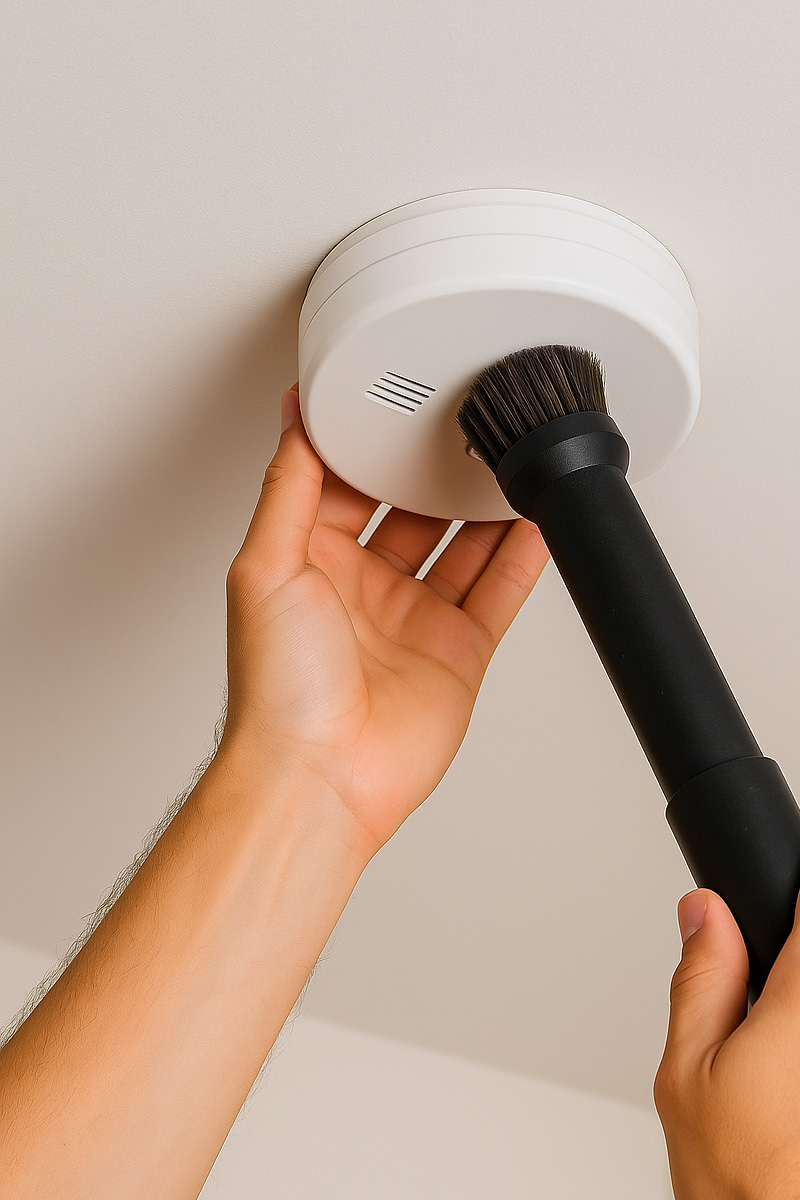
Use a vacuum cleaner, with a soft brush attached to suck away any dust and debris. This method helps ensure you don't push dust into the unit, and also helps pull out any dust that's already entered.
Routine Testing
Test the alarm by pressing the Test button usually located in the middle of the device. It's recommended that you do this on every alarm located throughout your property. You'll have more than one.
Get into the habit of cleaning and testing regularly. Set a reminder on your phone - or some people like to use the arrival of their monthly or quarterly electricity bill to as a mental reminder to check.
Replacing 9V Backup Batteries on Older Models
If your alarm is a slightly older model, with a backup 9v battery, now's a good time to replace all alarms throughout your property with the newly-compliant versions, so call an electrician- there will be a huge demand on services as everyone's mandatory replacement date approaches.
Because it's important to have working smoke detectors at all times, we've included a how-to guide on replacing the backup batteries anyway, so that your alarm is still correctly powered while you wait for your electrician to arrive.
Ideally, refer to the instruction manual if you still have it. There might also be instructions on the unit, either as an instruction plate, or embossed into various parts of its cover. If you don't have either, the steps you'll need to following will be similar to steps in our guide below. Always use a sturdy ladder, and have someone hold it.
Step-by-Step Battery Replacement
To replace your removable smoke alarm 9V backup battery:
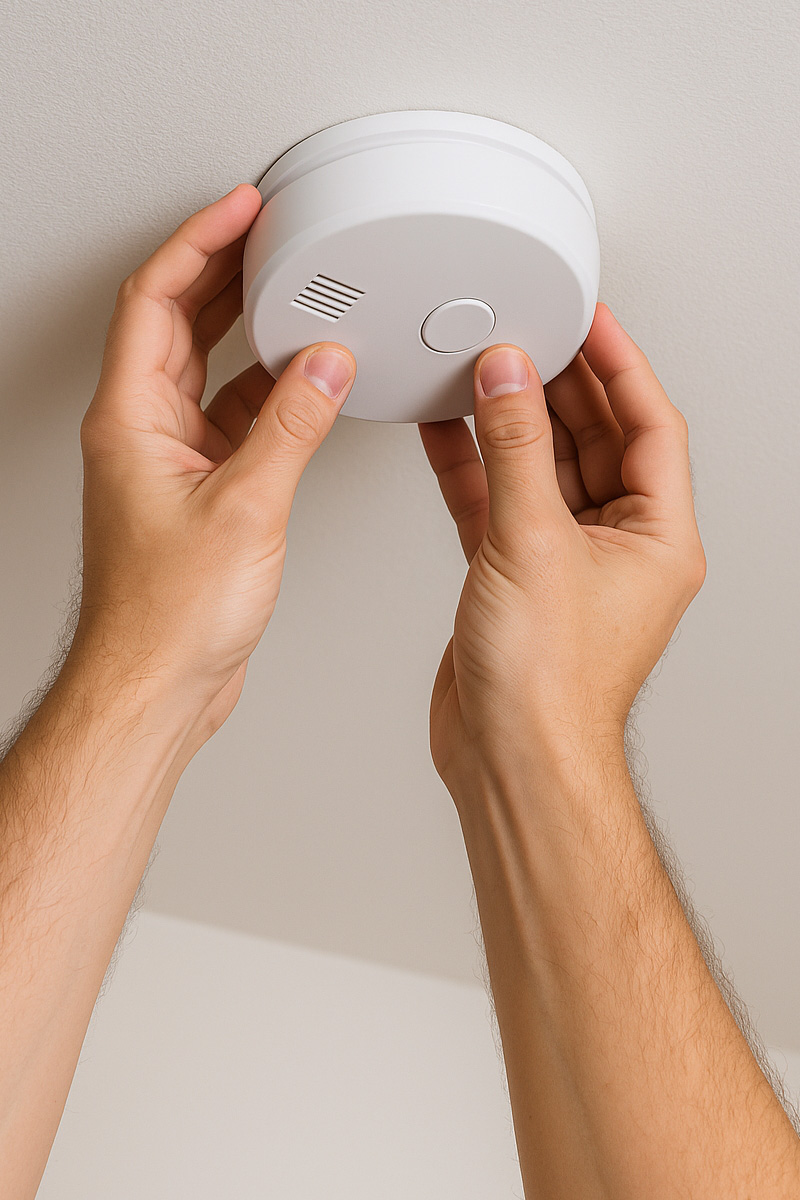
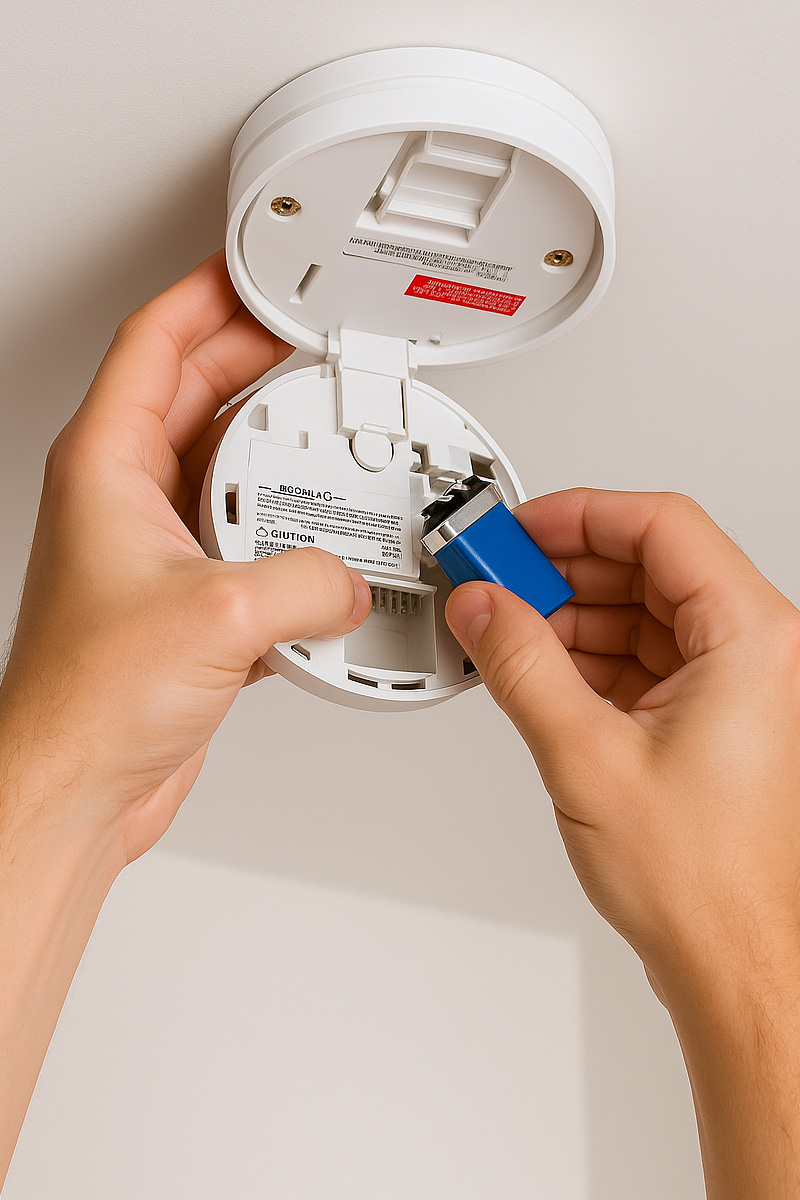
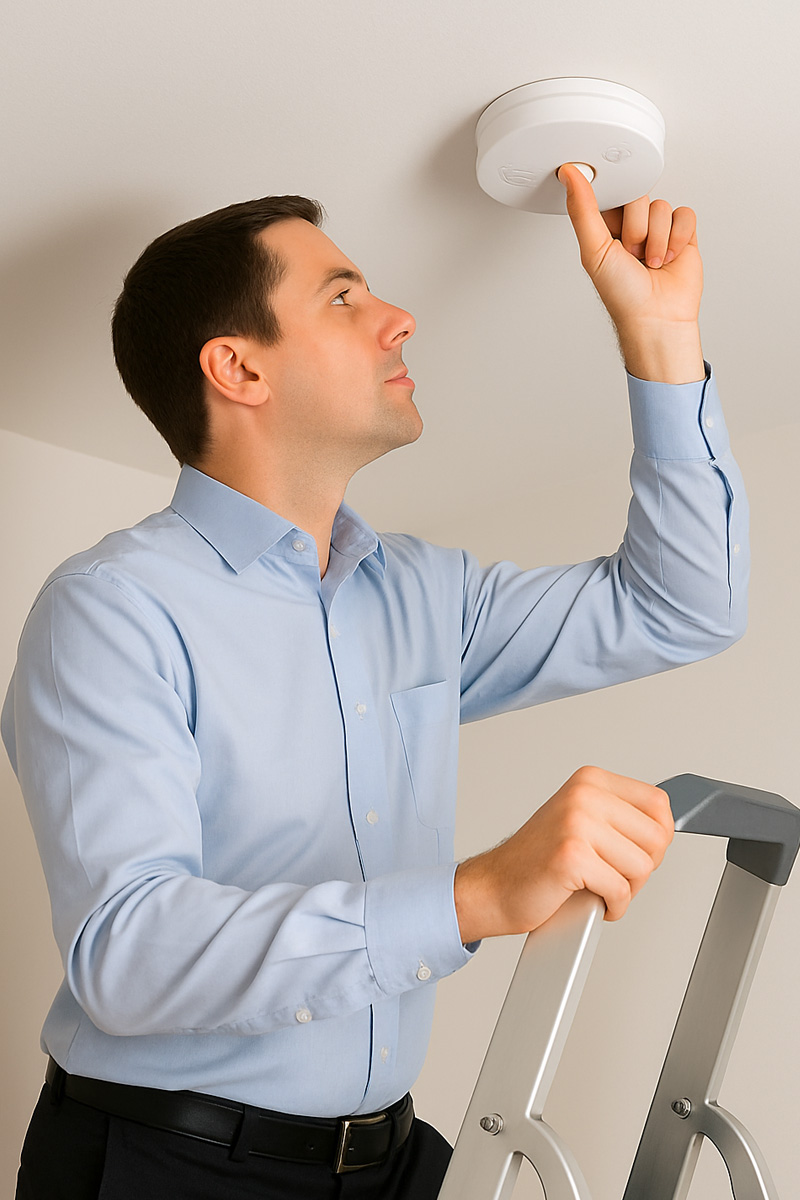
If the alarm test fails, test the polarity of the battery, try a different battery, or call your electrician - again, as a priority.
You might also like






Disclaimer: Every effort has been made to ensure the accuracy of the information provided, but we make no guarantees regarding its completeness or reliability. The data is presented for general informational purposes only and does not constitute financial, investment, or legal advice. We are not liable for any errors, omissions, or consequences arising from its use. Users should verify details with relevant sources and seek professional advice where appropriate for the most accurate and up-to-date guidance.