
A backyard pool is one of the great Gold Coast luxuries. It's where kids learn to swim, the feature of an afternoon barbecues, and where families unwind in the shade of palm trees. But the same water that brings joy also carries risk. Drowning is one of the leading causes of accidental child death in Australia, and the truth is sobering: most of these tragedies are preventable. The difference lies not in luck, but in habits.
The good news? The habits that keep kids safe don't take away the fun - they blend seamlessly into daily pool life. With the right set-up, the right routines, and the right training, your pool can remain the sparkling heart of summer, without the hidden dangers.
This article is intended as a general guide only. It highlights everyday habits and reminders that support pool safety, but it is not exhaustive. Always follow Queensland laws and regulations, refer to official pool safety resources, and seek professional advice when needed. Nothing replaces proper training, regular inspections, and staying up to date with current safety standards.
The Poolside Habits That Really Matter
Think of your pool not just as water, but as a living space that changes every day. A chair dragged over for a chat becomes a climbing aid. A ball resting on the door can stop it closing. A bike left too close to the fence is a ladder in disguise. Families who stay safest are the ones who make a “regular look” part of their everyday rhythm.
Some link it to other jobs: check the fence when you take the bins out, test the gate latch while hanging the washing, tidy the pool toys as part of the bedtime routine. These micro-habits don't feel like chores - they just become part of how the household runs.
Even kids can be brought into the system. Older children can help gather toys out of the pool, or remind you to “test the gate.” It teaches them responsibility, while reinforcing that pool safety is never just an adult's secret job.
Supervision: The Secret Ingredient
If there's one rule that rises above all others, it's this: never take your eyes off children in the pool. Not for a text, not for a phone call, not even to flip a steak. True supervision means being present - eyes on the water, ready to act.
On the Gold Coast, pool parties are a way of life. But when the esky is full and the barbecue is sizzling, supervision is the first thing to slip. Smart families counter this by rotating the role. They hand a hat, wristband, or card to a "Water Watcher" every 15 minutes. It feels formal, but it works - and it stops the deadly assumption that "someone else" is watching. That being said, always make sure everyone else in the group still keeps their eyes on the pool too.
Make sure the supervision continues as you pack up, and when it's finally time to leave, don't just glance at the pool - take a slow walk around it, looking at the water from different angles before locking the gate. It might feel unnecessary if you know where your own kids are, but building this “all-clear safety sweep” into your routine means you won't miss anything on the days when friends or neighbours' children are visiting. Done calmly and without fuss, it's simply a mindful habit that keeps everyone safe.
The Truth About Drowning
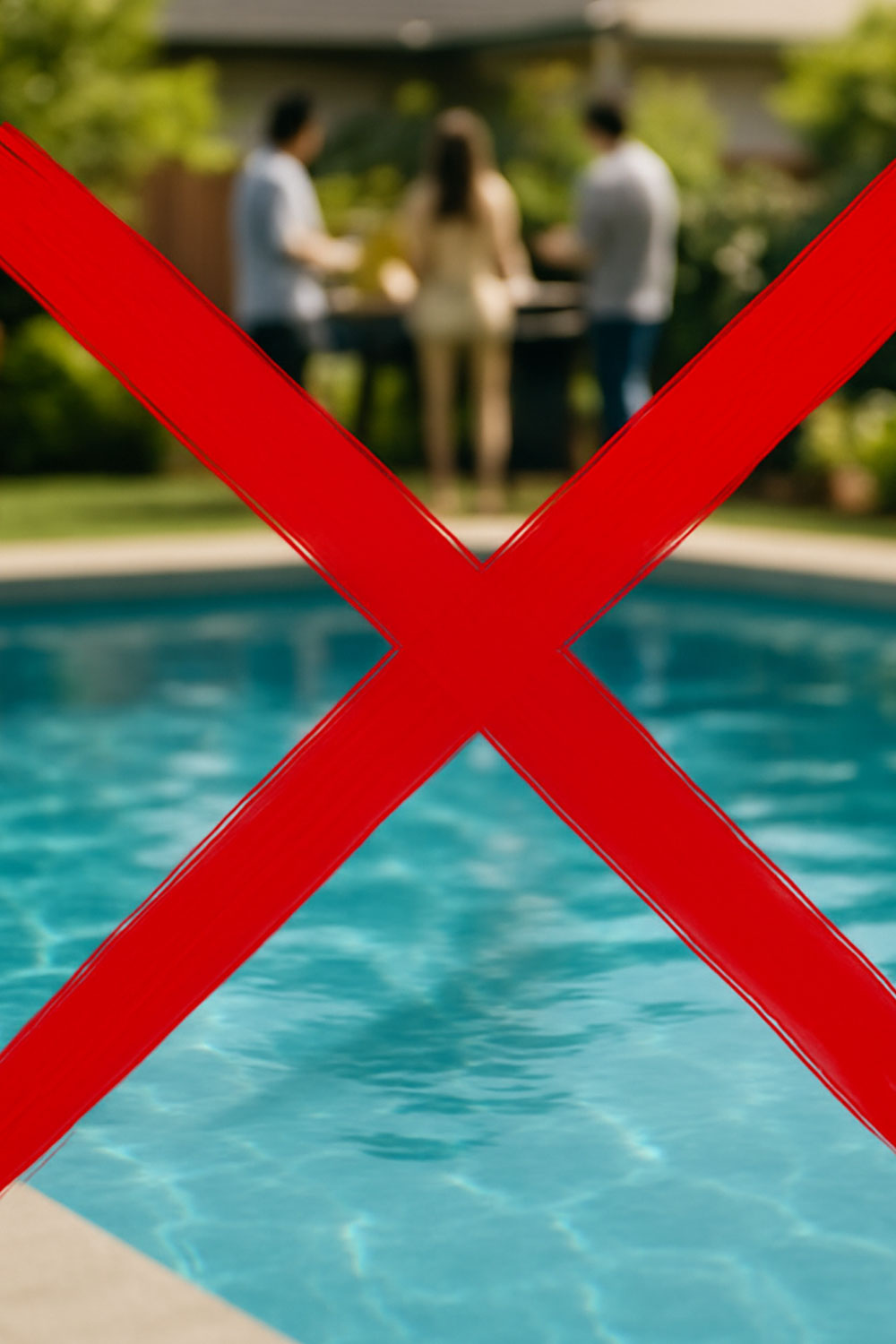
Forget the Hollywood version. Drowning is not loud, and it doesn't look like a struggle. It looks like silence. A child in trouble rarely thrashes or calls for help. Instead, they've often just silent anywhere within what is - quite frankly, a very large body of water - at any depth, any corner, any location. It's why its important not to miss a child that needs rescuing due to pre-conditioned assumptions.
What makes this so dangerous is how quickly it happens. A child can drown in less than thirty seconds, and it doesn't take deep water. Even shallow pools, inflatable splash zones, or bathtubs can become life-threatening if no one is paying attention.
Parents need to understand that distraction is the greatest risk. Drowning often occurs not because adults aren't present, but because everyone assumes someone else is watching. A quick glance at a phone, a conversation with a neighbour, or ducking inside to grab a towel is often enough for tragedy to unfold. That's why experts recommend a designated "water watcher" - one adult whose sole role is to focus on the pool at all times, trading shifts if needed so that vigilance never lapses.
It's also important to remember that risk doesn't end the moment a child leaves the pool. Secondary drowning, though rare, can occur hours later if water has entered the lungs, leading to breathing difficulties after swimming has finished. Watching for signs such as persistent coughing, unusual fatigue, or laboured breathing is an essential part of pool safety.
Teaching every member of the household to recognise the real signs of drowning-and making attentive supervision part of your family's culture-turns awareness into one of the most powerful safety tools you'll ever have.
What to Do in an Emergency
If someone is unresponsive and not breathing normally:
- Check quickly for hazards such as faulty pool lights, damaged equipment, or electrical risks before entering the water. Make sure the area is safe before beginning first aid.
- Call 000 immediately.
- Commence first aid procedures, including CPR, without delay. If you are trained, follow your training. If not, the 000 operator will guide you. In drowning cases, rescue breaths are recommended - which is why current CPR training is so important.
- Use an AED (defibrillator) if available. Follow the diagrams on the front to start, then follow the voice prompts once it turns on. These devices are safe for anyone to use - but remember to avoid using them on wet surfaces.
Even if the person recovers quickly and only needed minimal help, always seek medical assessment - especially if water was swallowed or entered the airway. Complications can develop hours later.
Every pool must display a CPR sign by law. But signs don't save lives - people do. Do a First Aid course, and be sure to refresh your CPR training annually. Make sure you remember to also re-certify your First Aid Course as required (the qualification expires). It not only helps ensure the steps feel natural, but the more times you do your CPR and First Aid courses, the more confident you'll feel if you ever need to apply them.
It helps to build a mini "poolside emergency kit." Keep a charged phone nearby so you can dial 000 instantly. Have a towel ready to clear airways and keep the person warm. And write your street address on a waterproof card by the pool - in a panic, even familiar details can vanish from your mind.
Building Safety Into the Rhythm of Summer
Pool safety isn't just about emergencies; it's about shaping everyday life. Before visitors arrive, especially toddlers, do a quick scan. When play is over, remove inflatables so they don't lure kids back to the water. Keep supervising until the last child has left and the pool gate is locked.
Inflatables - Toys and Pool Safety
Even the smallest amount of water - even 5cm - sometimes less - of water can be enough to pose a risk. Always empty inflatable pools. Store them upside down so they can't fill with rain. Remember Queensland regularly experiences sudden afternoon downpours - and rain and inflatable pools do not mix.
Always supervise kids in inflatable pools - in the same way you would with larger pools. Never leave them unsupervised even for a second.
Inflatable toys can also pose risks. Always read the warning labels. A floating toy or other object, with even the smallest puncture can start to sink. There comes a point when an inflated toy or object might sink, while still retaining some air, creating an entrapment risk of a child who is being “held” by the floating object.
It's just one of the many reasons why parents should always deflate inflatable toys objects when not in use. Properly destroy and dispose of inflatable toys if damaged or after a season of use. We've covered the safest ways to do this in a comprehensive guide for parents.
Seasonal Safety: Not Just for Summer
Pool safety isn't seasonal, but our habits often are. In summer, vigilance is high because the pool is in daily use. But winter is when routines slip - gates aren't used as often, latches might start to stick, and object might start to be placed near the fence.
Before the season changes, do a full reset: walk the fence line, test the gate, refresh the CPR chart. Treat it like spring cleaning for pool safety.
The same goes for holidays and visitors. Many drownings happen when families gather - kids are excited, adults are distracted, and visiting toddlers aren't used to fences. A five-minute briefing - "the pool's off limits unless a Water Watcher is on duty" - can save a lifetime of regret.
Where to Turn for Help
To check compliance, search for for a licensed inspector in your area and book directly with them.
Key Takeaways
- Always seek further advice, inspections, and training from licensed pool safety inspectors and certified first aid providers to stay up to date
- Enrol kids into swimming lessons
- Gate closes and latches on its own every time
- Fence line clear of toys, chairs, bikes, and plants
- CPR sign displayed and readable
- Inflatables and toys removed after swimming
- Emergency kit nearby: phone, towel, address card
- At least one adult with current CPR/first aid present
- A Water Watcher appointed whenever kids swim
- Everyone in the family knows the real signs of drowning
- Seasonal reset done: gate, fence, signage checked before summer and after winter
Pool Safety Essentials
These four everyday essentials form the backbone of pool safety - simple checks and habits that make all the difference.



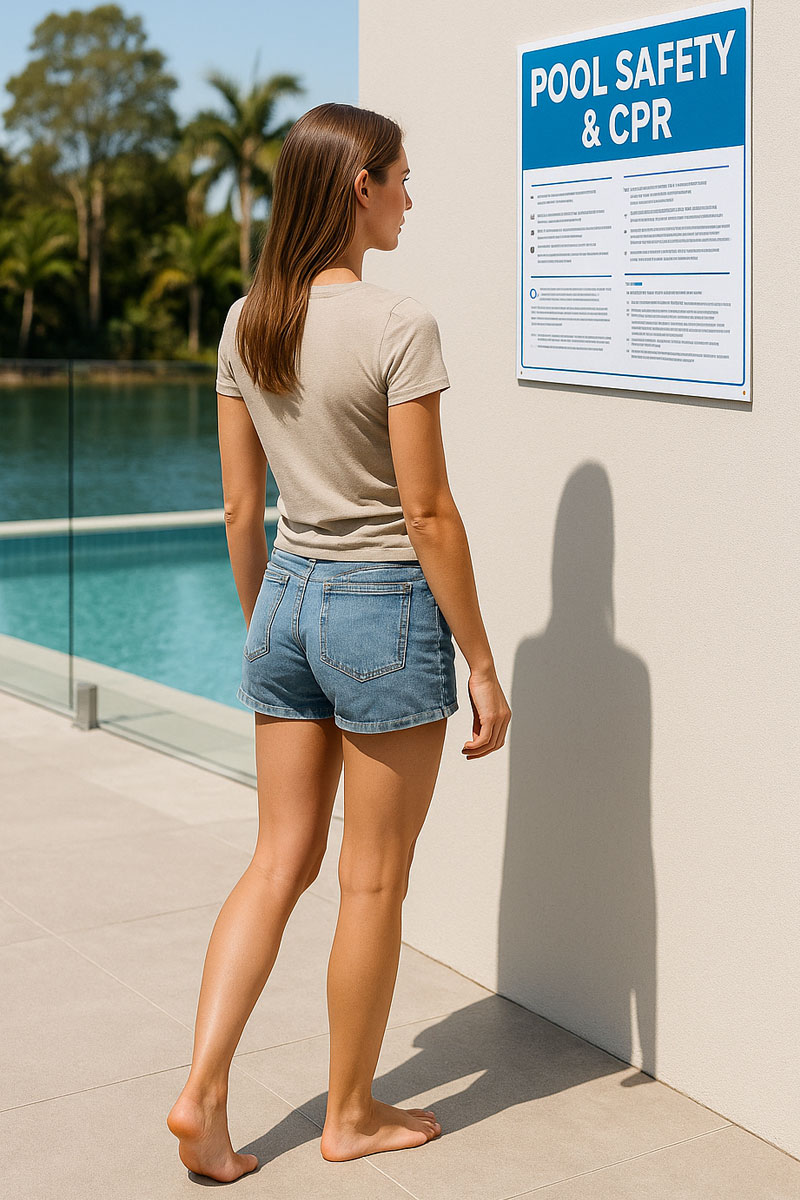
Important: This article is designed as a value-add overview of the key habits that help keep your family safe around the pool. Many more elements go into full pool safety, so it's important to stay informed. Inspect your pool regularly, follow all laws and regulations, review your pool safety and CPR chart often, and make a habit of keeping up to date with the latest safety practices.
You might also like





Disclaimer: Every effort has been made to ensure the accuracy of the information provided, but we make no guarantees regarding its completeness or reliability. The data is presented for general informational purposes only and does not constitute financial, investment, or legal advice. We are not liable for any errors, omissions, or consequences arising from its use. Users should verify details with relevant sources and seek professional advice where appropriate for the most accurate and up-to-date guidance.