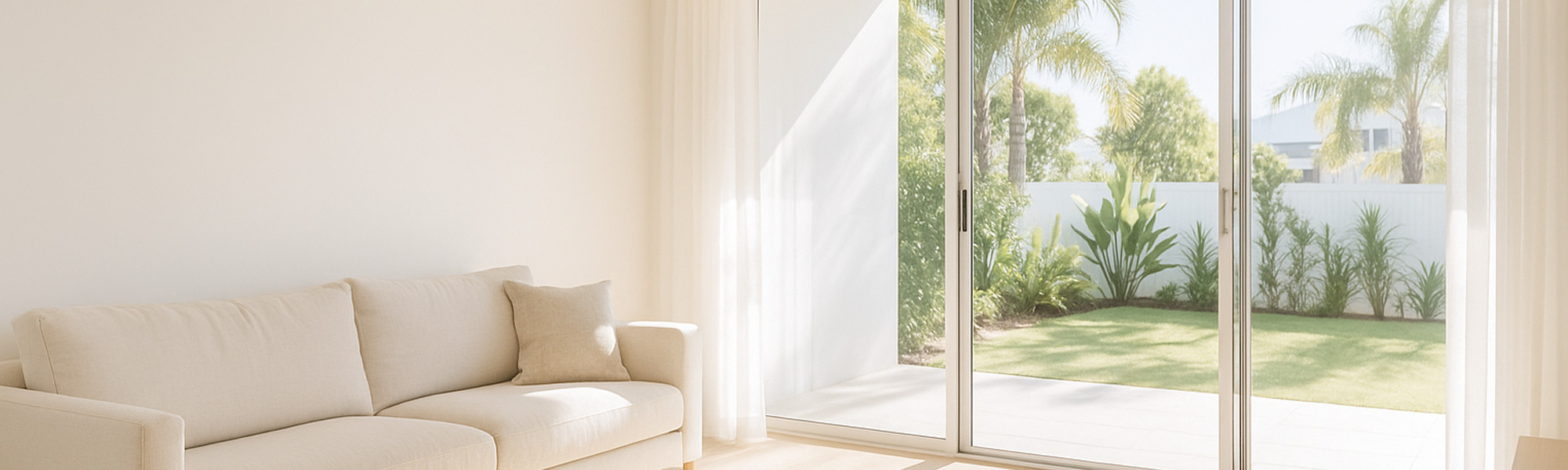
It's one of the Gold Coast's quietest problems. You can't see it, and often you don't even notice it until it's already done its work. Humidity builds invisibly - trapped behind curtains, under furniture, and inside wardrobes - leaving homes feeling heavier than they should. Doors swell, mirrors fog, and freshly cleaned spaces somehow never feel quite dry.
For locals, understanding humidity is part of living by the sea. It's not a fault in the home - it's the atmosphere itself, shaped by warm ocean air and our open-breeze lifestyle. The goal isn't to seal it out, but to work with it through small, consistent habits that keep air moving and moisture balanced.
Morning Air Matters
The most important time of day for coastal comfort is early morning. When the air is cool and still dry, open the house fully - windows, doors, everything. Let that fresh inland air sweep through before the day heats up. By mid-morning, when the ocean breeze turns warm and damp, close up again to keep that dry air inside.
It's a small ritual that locals swear by. Just ten minutes of early airflow can set the tone for the entire day, helping floors stay dry and surfaces stay fresh long after the windows close.
Keep the Air Moving
Stagnant air is humidity's best friend. Fans don't just cool - they prevent moisture from settling. A slow, constant ceiling fan on its lowest setting keeps air circulating without feeling drafty.
Cross-ventilation also makes a difference. Even two windows cracked slightly on opposite sides of a room can create a gentle current that clears trapped dampness. Bathrooms and laundries benefit most - they're the first places where mould starts if the air sits still.
Drying Laundry the Smart Way
It's tempting to bring washing inside when the forecast looks uncertain, but indoor drying quickly fills the air with water. Instead, take advantage of the Coast's natural airflow. Dry laundry outdoors under cover, or use a screened patio if you have one. If you must dry inside, keep windows open nearby or run a fan - even a small desktop fan can halve drying time and moisture buildup.
After a load, empty the washing machine door seal and detergent drawer. They collect water that evaporates back into the room overnight.
Where Moisture Hides
Humidity gathers in corners and behind things - under beds, inside wardrobes, and behind furniture pressed against external walls. These pockets of still air hold moisture and can feed mould silently for weeks.
Slide furniture slightly forward from walls and open cupboard doors every so often to let the air exchange. Wardrobes near bathrooms are especially vulnerable; consider hanging moisture absorbers inside or placing a small tub of desiccant near shoes and bags. It's a subtle but effective way to keep storage spaces dry and fresh-smelling.
Dehumidifiers and Simple Tools
On especially sticky weeks, a small portable dehumidifier is a coastal home's best friend. Use it in bedrooms, laundries, or living areas when you can't open windows. The aim isn't to make the air cold - it's to take the weight out of it.
For lighter routines, moisture-absorbing tubs, charcoal pouches, or silica blocks help in wardrobes and cupboards. Replace them regularly once they harden. These low-tech tools can make a big difference in keeping your home balanced between seasons.
Air-Conditioning and Humidity
Air-conditioning does more than cool the air – it also removes moisture. When warm, humid air passes over the cold coils inside an air-conditioner, water condenses and drains away, leaving drier air circulating through the home.
Used correctly, this can make a huge difference to comfort and surface protection. Run your unit on a moderate temperature rather than full chill, and let it cycle long enough for the moisture to condense and drain properly. Short bursts of cold air don't dehumidify effectively – they just cool the surface air temporarily.
Keep filters clean and drainage lines clear, especially in summer when humidity is highest. A blocked drain line can reverse the effect, pushing damp air straight back into the room.
For coastal homes, regular servicing is essential. Salt air can corrode coils and fittings, reducing efficiency over time. A light freshwater rinse of outdoor condenser fins every few weeks helps prevent this and keeps the system running smoothly.
Air-conditioning isn't the enemy of natural airflow – it's a complement to it. Use fresh breezes when the air feels dry, and switch to cooling mode only when humidity peaks. Balanced that way, you'll keep both comfort and energy use in check.
Caring for Surfaces and Materials
Coastal homes breathe - and so do the materials inside them. Timber floors expand and contract with moisture, while fabrics, plasterboard, and even paint can trap humidity. Wipe surfaces regularly with a dry cloth to lift light condensation. Keep curtains and blinds slightly open to allow airflow around windows.
Rugs and soft furnishings should be aired outdoors every few weeks, even briefly in shade. The goal is to give the fabric a chance to exhale.
After Rain or Storms
Following heavy rain, homes can stay damp for days even once the skies clear. Run fans and open doors as soon as possible after a downpour. Concrete floors and brick walls hold moisture - you'll feel it in the air long before you see it. Dry them naturally with moving air before humidity gets the chance to settle in.
Design for Dryness
If you're renovating or planning a build, design can help. Deeper eaves, screened louvers, and shaded decks all promote natural ventilation. Raised floors and open under-house spaces allow heat and moisture to escape instead of being trapped. In bathrooms, consider wall vents or extraction systems that sense humidity automatically.
Good design makes daily living easier, reducing how much you need to think about climate at all.
Living Light
Humidity isn't the enemy - it's part of the coastal atmosphere that gives homes their freshness and scent after rain. The key is balance. A house that breathes lightly and moves air freely will always feel calmer, cooler, and easier to live in.
You can't change the weather, but you can guide how your home responds to it. Open early, move the air, and give every surface the chance to dry. Over time, those small routines create a home that feels naturally light - no matter how close you are to the sea.
The information provided in this article is general in nature and is intended for residents and property owners in coastal regions of Queensland and similar environments. It does not constitute professional building, materials, or air-conditioning advice. Always seek guidance from a qualified tradesperson, builder, or environmental specialist for advice specific to your property and conditions. While every effort has been made to ensure accuracy, no responsibility is accepted for loss or damage arising from reliance on this information. All details are current at the time of publication.
You might also like






Disclaimer: Every effort has been made to ensure the accuracy of the information provided, but we make no guarantees regarding its completeness or reliability. The data is presented for general informational purposes only and does not constitute financial, investment, or legal advice. We are not liable for any errors, omissions, or consequences arising from its use. Users should verify details with relevant sources and seek professional advice where appropriate for the most accurate and up-to-date guidance.