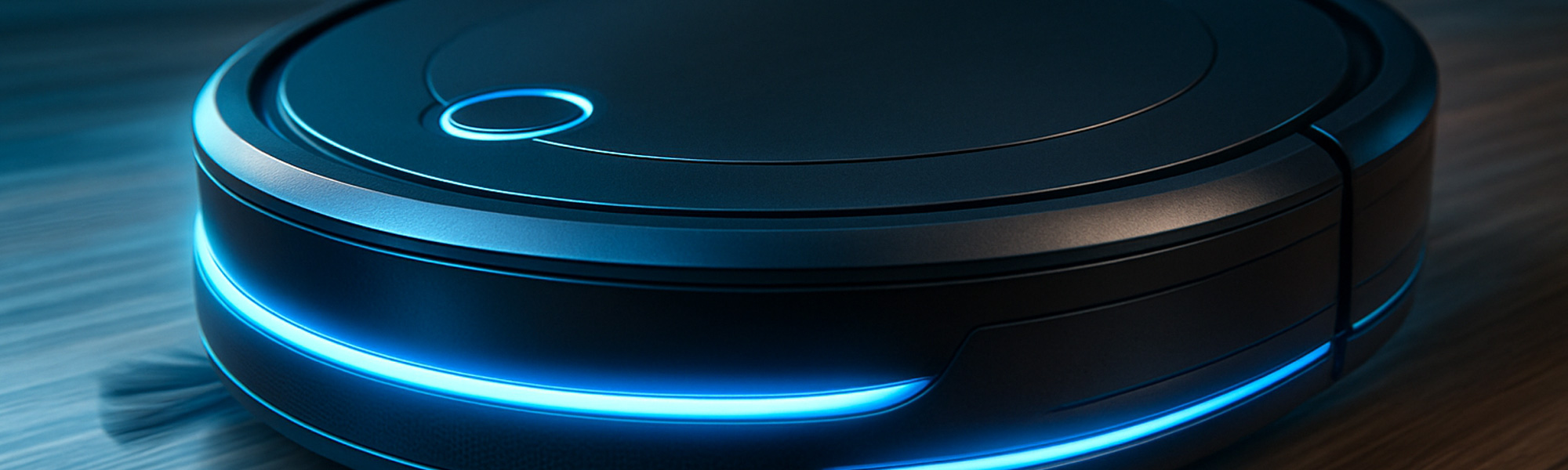
A robotic vacuum isn't just a convenience anymore. On the Gold Coast, where open-plan living meets sandy feet, tropical gardens and busy family rhythms, a good robot cleaner can quietly transform the way a home feels day to day. These little machines have become the invisible housekeeping partner many owners never realised they were missing until one starts gliding around the living room on its own schedule. But knowing which model actually suits your home is the real secret. A showroom demo can be charming, yet it rarely reflects how the device behaves among your furniture, your floors and your lifestyle. Choosing well means understanding what these machines really do, how they differ, and how to match the right one to the shape and energy of your home.
A New Kind of Housemate
The modern robotic vacuum is less of a gadget and more of a housemate that quietly observes. It learns your floor plan, notices how often debris accumulates, adapts to the light and airflow across different hours, and builds a rhythm that mirrors the way you live. Some people realise their home is tidier simply because the robot runs at times when they're out shopping, down at the beach or working late. Others discover the surprising joy of hearing the gentle hum of a cleaning cycle at dusk while they're cooking dinner. Whatever the routine, the best robotic vacuum is the one that works with you, not one you have to manage or wrestle with.
How Smart Navigation Changes Everything
One of the first things buyers discover is that robotic cleaners vary enormously in intelligence. Basic models try to guess their proximity of where they are in the house by just their wheel movement and tend to wander like sleepy pets, bouncing off walls and table legs until the space is more or less covered. They're cheaper, and sometimes that's all a household needs, especially if the primary goal is a fast daily sweep to keep grit under control. But homes with multiple rooms, odd-shaped corners, thick rugs or pets benefit far more from units with smart mapping. These models develop a mental map of your floors using sensors and begin cleaning with intention. They glide in neat lanes across hardwoods, navigate the edges of island benches without confusion, slip under beds with precision, and return to their dock without the bumbling charm of older machines. For households that value order and predictability, mapping is essential.
Suction, Brush Bars and Bare-Foot-Level Cleanliness
Beyond navigation, suction power and brush design determine how well a robotic vacuum deals with real debris. Gold Coast living introduces an unusual mix of sand, fine dust, lawn clippings and the occasional stray leaf dragged in from the courtyard. A weaker unit may sweep lightly across the floor without fully lifting the grit from tile grout or carpet fibres, leaving the home looking clean but feeling slightly textured under bare feet. Stronger models use improved motors, wider brush bars and dual side sweepers to trap both fine and heavy particles. In homes where people go barefoot all day, that difference is felt immediately. Floors that are properly cleaned feel cooler, smoother and more comfortable to walk on, especially around high-traffic areas like the kitchen, hallway and patio doors.
Battery Life, Docking and the Real Meaning of Runtime
Battery life matters, but not in the way most people expect. Older robotic vacuums needed enough charge to do the entire home in a single session, which meant upgrading to the largest battery capacity model you could afford. Newer models simply return to their dock, recharge, and resume exactly where they left off. This means even smaller batteries can still maintain large houses, as long as the robot is smart enough to pause and continue without losing track. In open-plan homes with long corridors or expansive living rooms, a model that can recharge and resume is more important than one boasting spectacular run times.
Running Two Robotic Vacuums Without Confusion
Some households use two robotic vacuums to keep larger homes consistently clean, especially when different floors or zones build up debris at different rates. Running two units at once is perfectly fine, but each robot needs to recognise its own dock to avoid confusion. Most manufacturers offer a simple setup process or app guidance that assigns each robot to its correct home base, and it's worth checking their instructions before you start, as they'll tell you exactly what to do. It's also important to check those same instructions before you buy, so you know their multi-unit solution actually works for the way your home is laid out and the way you plan to run both robots.
Handling Mixed Flooring and Everyday Obstacles
Many Gold Coast homes have a mix of flooring: cool tiles indoors, warm timber or vinyl planks in living areas, and soft carpet in bedrooms. Some robotic vacuums glide effortlessly across these surfaces, lifting themselves over minor height changes with an ease that feels almost human. Others hesitate at the lip of a rug or the edge of a bathroom threshold, nudging it repeatedly before giving up. A good model should treat these transitions as non-events, moving from one surface to the next without pausing. The same applies to furniture. Slim, low-profile robots are better at sliding beneath couches, buffet tables and bed frames, reaching areas most people rarely clean by hand. If a home has particularly low furniture, measuring clearance beforehand is essential.
Dustbins and Self-Emptying Stations
Dust management is another consideration people often underestimate. A small dustbin fills quickly in homes where the doors and windows stay open or where kids and pets track in outdoor debris. If the bin fills after ten minutes, the robot has to stop, interrupting the schedule and turning a once-automated process into a chore again. Larger dustbins, or self-emptying stations that automatically suction debris into a sealed bag, keep cleaning cycles running consistently. In humid coastal environments, sealed bags also help reduce odours and keep allergens trapped more effectively.
The Sound of a Robot That Fits Your Life
Noise levels can shape how the device fits into your lifestyle. Some robots whisper across tiles at night without disturbing anyone, making them perfect for owners who prefer cleaning while they sleep. Others roar like tiny jet engines when they switch into high-suction mode. People who work from home, or those who enjoy quiet evenings, often appreciate the models that adapt their sound profile automatically depending on the floor surface and debris level. A well-chosen robot becomes background ambience instead of a disruption.
Apps, Home Automation, Zones and Digital Boundaries
App control is now a major differentiator. The best apps allow zoned cleaning, meaning you can tell the robot to clean only the kitchen after dinner or only the entryway after a sandy morning walk. They also allow virtual no-go zones, which eliminate the need for physical barriers. A home office with cables, a child's playroom filled with toys, or a space stacked with boxes waiting to be crushed can be digitally fenced off with a few taps. Over time, these tools make the robot feel less like a machine and more like an extension of the household routine.
If your home already runs on a broader automation ecosystem, it's worth checking that your robot vacuum can integrate smoothly with it. Many now work with Alexa, Google Home, Apple Home, Samsung SmartThings, Tuya Smart Life, IFTTT or even Home Assistant, allowing you to trigger a clean with a voice command, link the vacuum into an existing routine or automate it alongside lighting and climate control. It isn't essential, but in homes where automation already sets the rhythm, a compatible robot tends to fit in more naturally.
Security and Choosing What You're Comfortable With
Most robotic vacuums rely on a mix of sensors to navigate, and some of the newer models include onboard cameras to help them recognise obstacles and map rooms more accurately. These cameras don't behave like normal recording devices, but they still process visual information inside your home, which means it's worth choosing a brand and ecosystem that you genuinely trust. Every manufacturer handles data differently, and some offer clearer privacy controls than others. Before buying, check how the device stores or processes its mapping data, whether images are analysed locally or in the cloud, and what options you have to restrict or delete that information. A good robotic vacuum should feel like a helpful part of the household, not a compromise you're uneasy about, and finding a model that aligns with your comfort level is one of the simplest ways to make sure it integrates smoothly into your daily life.
Avoiding Pet Mess and What These Robots Can Really Do
One question that comes up more than any other is how to stop a robot vacuum from running over dog mess. The simple truth is that no robot can guarantee perfect detection every time, but the newer high-end models are far better at identifying small floor hazards than they were a few years ago. Many now use front-facing cameras or laser-assisted sensors to recognise shapes on the floor that don't belong there. When it works, the robot slows down, adjusts its route and avoids the area entirely.
Even with those improvements, the most reliable solution is timing. If your dog goes out at predictable hours or only has access to certain parts of the home, scheduling the robot when those areas are clean is the safest approach. Some households also run a quick visual check of the main routes before the robot starts, which takes only a few seconds and dramatically reduces the risk of an unwanted mishap.
The best approach is a combination of technology and routine. Let the robot use its sensors to avoid what it can, but guide it with good scheduling and quick floor checks in the rooms your dog uses most. It's not foolproof, but it creates a far more reliable and pet-safe cleaning pattern.
Maintenance and Long-Term Reliability
Maintenance is often overlooked until owners realise their robot behaves differently after a few months. Brushes need occasional untangling, sensors need a gentle wipe, and filters require replacement to keep suction at its peak. Higher-end models make maintenance easier with clip-in brush bars, washable filters and alerts that remind you when something needs attention. Some even use intelligent self-monitoring to adjust performance when components become worn. People who value a low-effort, long-life machine should prioritise these design features.
Design, Docks and How It Lives in Your Home
A robotic vacuum lives in your home, often visible in a hallway nook or beside a wall charger. Sleek, neutral designs tend to blend better than flashy or oversized units. Some households choose models that match their décor, while others prefer robots that virtually disappear when not in use. The dock location is equally important. Placing it in a central spot ensures effortless navigation, while hiding it behind furniture can send the robot on unnecessary detours.
Lithium Battery Safety and Why Reputable Brands Matter
There's one part of robotic vacuums that rarely makes it into glossy advertising, yet it's quietly the most important reason to choose your model carefully: lithium battery safety. Every robot relies on a rechargeable lithium pack powerful enough to run motors, sensors and navigation systems for long stretches. When the battery and charging system are well designed, they operate silently in the background for years. But when corners are cut, batteries can overheat, swell or fail, especially in homes where the robot runs daily on warm coastal floors and docks in spaces that naturally heat up throughout the afternoon.
Trusted brands aren't about status or hype. They're simply more consistent in how they test, regulate and protect their battery systems. They tend to use higher-grade cells, better thermal management and safer charging circuits, which reduces the likelihood of heat build-up during intense cleaning cycles. They also follow stricter global standards, which means the robot is far less likely to run too hot, recharge too aggressively or sit on a dock that pushes its battery harder than necessary.
For a household that wants a dependable, low-maintenance machine, this quiet layer of safety really matters. A reputable brand doesn't just offer smoother navigation or smarter mapping. It offers peace of mind that the device operating in the background of your home day after day is built to handle the heat, the usage and the long rhythm of life on the Gold Coast. It's one of those choices that doesn't feel dramatic at purchase time, but years later you appreciate how stable and predictable the robot has been.
How Robot Vacuums See: Radar, Lidar, Lasers and Cameras
Most robotic vacuums don't just wander around anymore. They use a mix of sensors that help them understand the shape of your home and move with intention instead of guesswork. The exact method depends on the model, but the principles are surprisingly simple once you know what's happening under the shell.
The most advanced navigation systems rely on lidar, which uses a tiny spinning laser to measure distance. It sweeps the room in a circular motion, sending out pulses of light that reflect off walls, furniture and doorways. The robot uses this feedback to build a live, three-dimensional map of your home that updates every time it runs. Lidar is especially strong in low light, so the vacuum sees just as well at dusk or midnight as it does at noon. Homes with lots of corridors, open-plan living or furniture legs spaced close together tend to benefit from this kind of precision.
Some robots use camera-based navigation instead. These models rely on an upward-facing camera that recognises edges, angles and landmarks, then uses that information to orient itself. Cameras work well with clear lighting and can interpret more visual detail, but they're less reliable in darker rooms and sometimes need more time to learn unusual floor layouts. They don't stream or store images the way a phone camera does; they process shapes rather than recording footage. Even so, many households prefer lidar for its consistency.
A smaller group of vacuums use structured light or low-power laser sensors that behave almost like miniature radar. They shoot out invisible light patterns that distort when they hit objects, helping the robot judge distance and movement in real time. These systems aren't as detailed as full lidar, but they're more accurate than older bump-and-wander navigation and often cost less.
Most robots combine that main navigation system with a ring of short-range sensors. These include infrared edges to stop them rolling off stairs, soft bump sensors for the occasional gentle tap into a chair leg, and downward-facing sensors that check the floor texture as they go. Together, they create a layered understanding of the home that feels surprisingly smooth once the robot settles into its routine.
The practical takeaway is simple. If you want the most accurate, predictable and stable navigation, especially in homes where people walk barefoot and want grit-free consistency, lidar-equipped models are usually the strongest performers. Camera systems can be excellent too, but they depend more on lighting. And the more basic systems will still clean the floor, they just take a less direct route getting there.
A Few Surprisingly Useful Tips for Real Homes
There's a quiet art to living with a robotic vacuum, and most people only discover it months after bringing one home. One of the most helpful habits is giving the floor a quick two-second check before the robot starts its cycle. Not a full tidy, not a chore, just a casual sweep of the eyes as you wander past with your morning coffee. A stray shopping bag, a power cord, a dropped sock or the flattened remains of yesterday's cereal carton can all make the difference between a smooth run and a robot that needs rescuing. The best robot owners learn to weave this tiny scan into their natural movements, the same way Gold Coast families learn to kick sand off at the door or tap a shoe to shake out grass before coming inside.
Another small secret is timing. Many homes breathe differently at different hours. Early morning brings a light veil of overnight dust. Midday brings a flurry of grit from people coming and going. Evenings settle into calm, with cooler air and fewer interruptions. Setting the robot to run at the moment your home naturally settles tends to give the best results. In barefoot households, running the robot just after the highest-traffic moments creates an immediate reward. People step out of the shower or finish a late dinner and the floors feel freshly reset beneath them, cool and smooth without the faint texture of the day's steps.
Positioning also plays a larger role than most realise. A docking station placed in the path of a natural breeze or beneath an air-conditioning outlet sometimes builds up micro-dust faster than the robot can handle. Shift it a metre to the left, closer to an interior wall or sheltered corner, and suddenly the dustbin fills more slowly and the robot returns with fewer interruptions. These tiny tweaks don't feel like setup. They feel like tuning the vacuum into the way your home actually lives and breathes.
And there is the quieter, more lifestyle-shaping tip: using the robot's routines to anchor your own. Many barefoot households find that the hum of the vacuum becomes an audible reminder to reset something else before the evening unwinds. People crush a box or two, carry out the recycling, wipe the kitchen island, or gather the beach towels that appeared from nowhere. The robot isn't just cleaning the home. It's creating a moment that draws the household into the same rhythm, a shared reset that keeps the house feeling calm without anyone needing to announce it.
These are the kinds of insights you only hear from households that have lived with robotic vacuums long enough to see them disappear into the background and simply become part of the way the home runs. They're small, natural adjustments, but once they become part of the daily flow, they make the robot feel less like a device and more like one of the many quiet habits that keep a Gold Coast home feeling welcoming and fresh.
The Quiet Transformation
Choosing a robotic vacuum cleaner is really about choosing a lifestyle. It's about outsourcing one of the most repetitive and easily automated household tasks so your energy can go to the things that matter more: cooking, relaxing, entertaining, creating, or just sinking into the sofa after a long day while the robot glides quietly across the floor nearby. Over time, it becomes a small but meaningful part of the home's rhythm, smoothing out the daily mess that accumulates naturally and keeping the space feeling refreshed.
A good robotic vacuum won't replace deep cleaning, nor should it. But it will dramatically reduce the need for constant sweeping, keep the home feeling lighter and cleaner, and help maintain that fresh-floor feeling that makes moving barefoot around your home a pleasure rather than a chore. When chosen well, it becomes one of the most quietly transformative tools in a modern Gold Coast household.
You might also like




Disclaimer: Every effort has been made to ensure the accuracy of the information provided, but we make no guarantees regarding its completeness or reliability. The data is presented for general informational purposes only and does not constitute financial, investment, or legal advice. We are not liable for any errors, omissions, or consequences arising from its use. Users should verify details with relevant sources and seek professional advice where appropriate for the most accurate and up-to-date guidance.