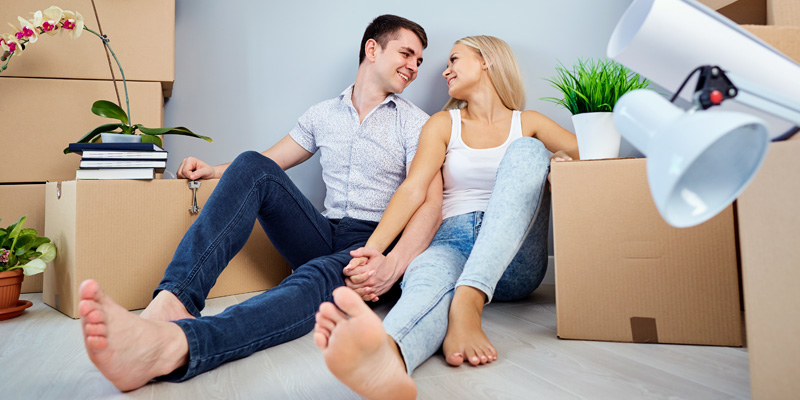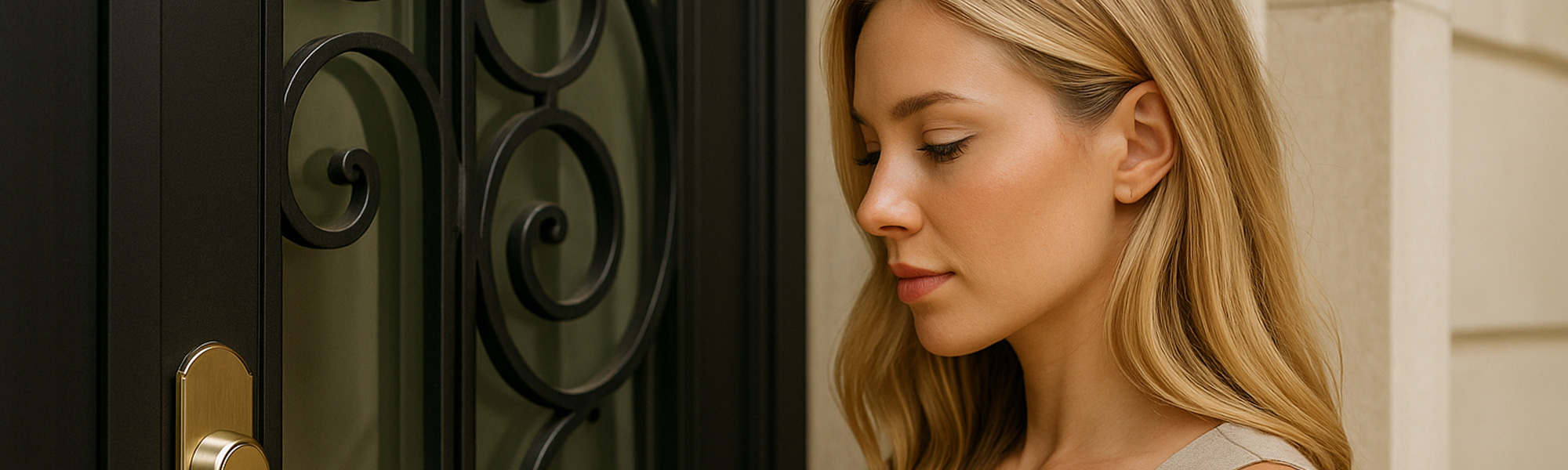
Home safety is often treated as a checklist of big-ticket items like alarms and locks, yet the reality of staying safe day to day lives in the quiet habits people overlook. It is the simple routines of tidiness, maintenance, presentation and awareness that keep a property feeling lived in, secure and cared for. On the Gold Coast especially, where homes often remain open to airflow, where gardens spill close to entries and where families come and go at different hours, these small details shape the overall safety of a household far more than most people expect.
A safe home is not defined by a single product or installation. It is a collection of thoughtful decisions that reduce opportunity, remove hazards and tighten boundaries without turning the space into a fortress. When all of these habits work together, the home begins to feel calm, organised and grounded. And crucially, the people living in it feel the benefit every day, not just when something goes wrong.
The Foundations of a Safer Everyday Environment
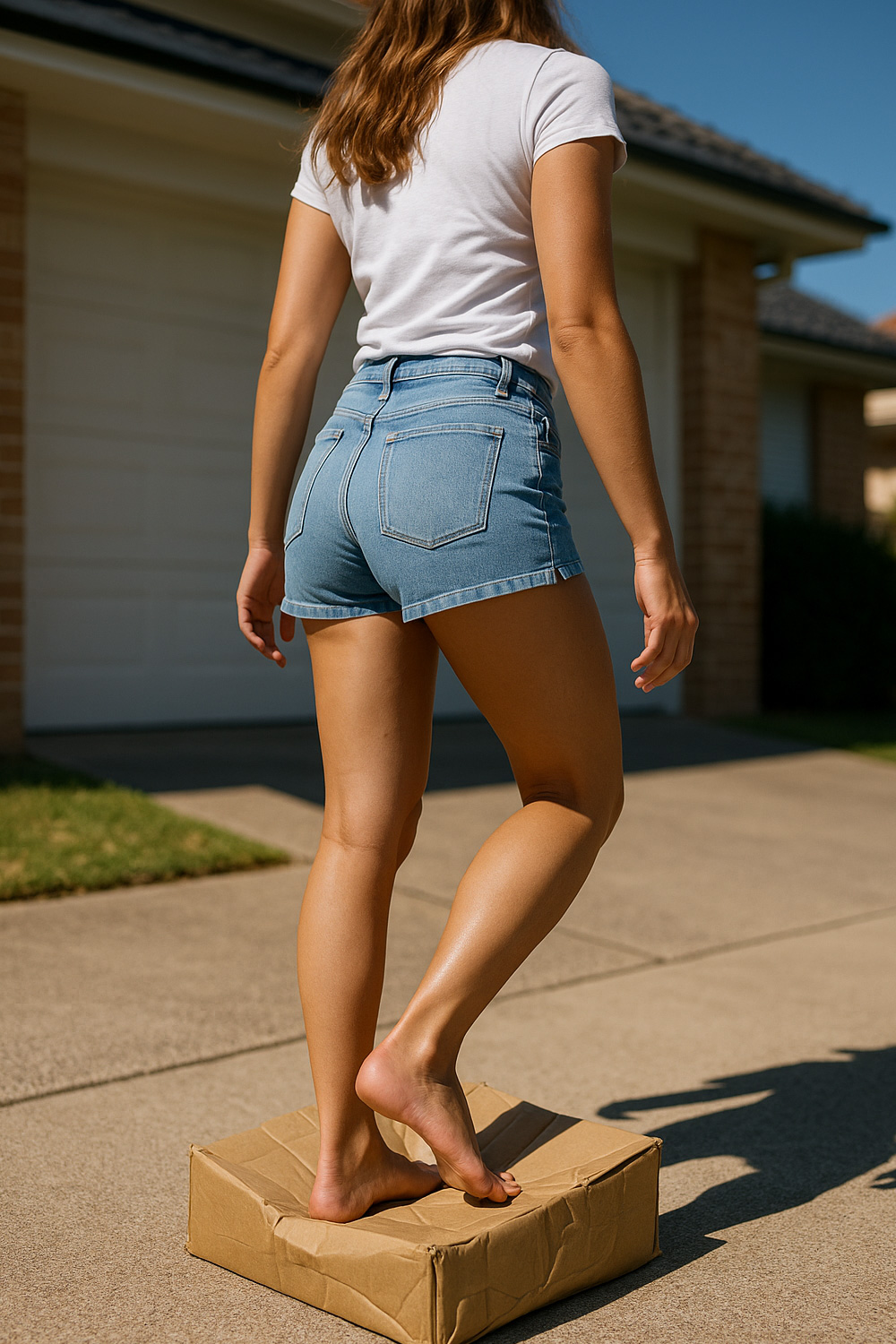
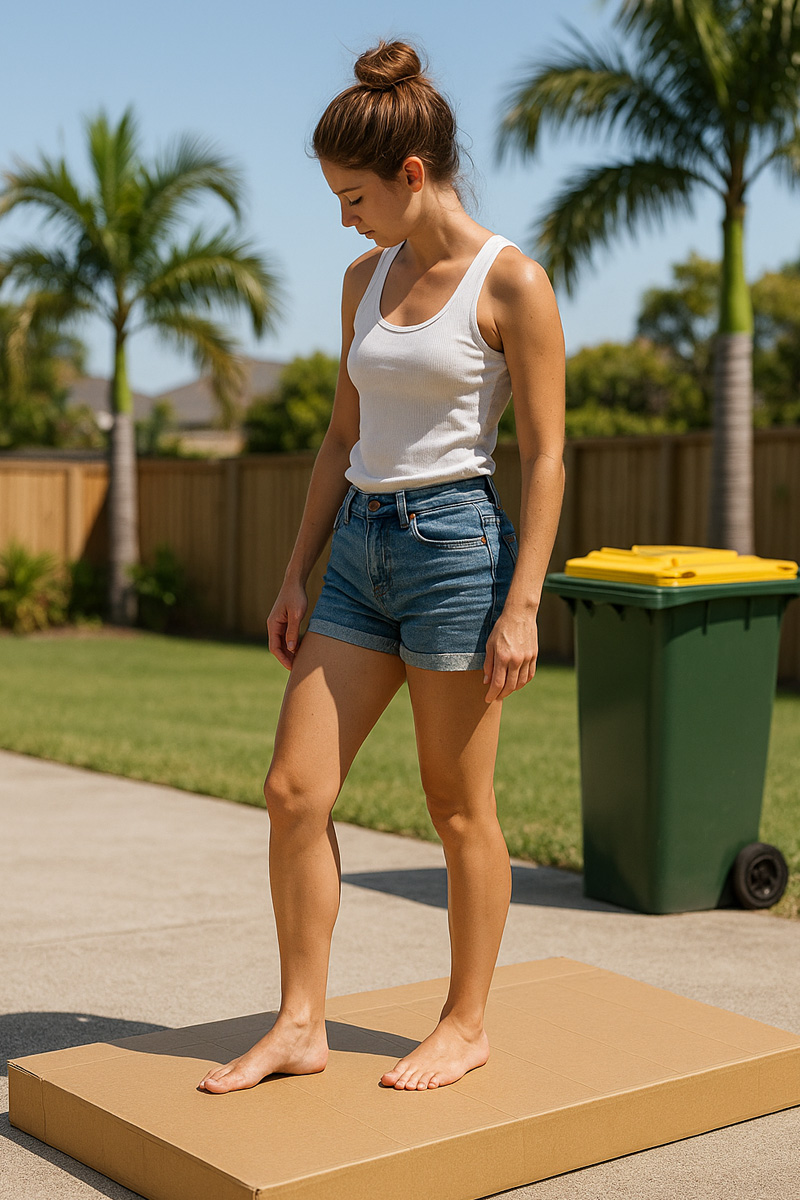
One of the most underestimated parts of home safety is simply keeping the environment manageable. Clutter creates tripping hazards, hides pests, blocks exits and can make a home appear neglected from the outside. Boxes are one of the biggest culprits. Left on floors after deliveries, they quickly collapse into obstacles that can injure children, elderly family members or anyone moving around quickly. Encouraging the whole household to crush used boxes immediately clears the space and prevents accidents. On the Gold Coast, many families already crush boxes underfoot as part of their recycling habits, removing both the hazard and any visible signs that new appliances have been purchased.
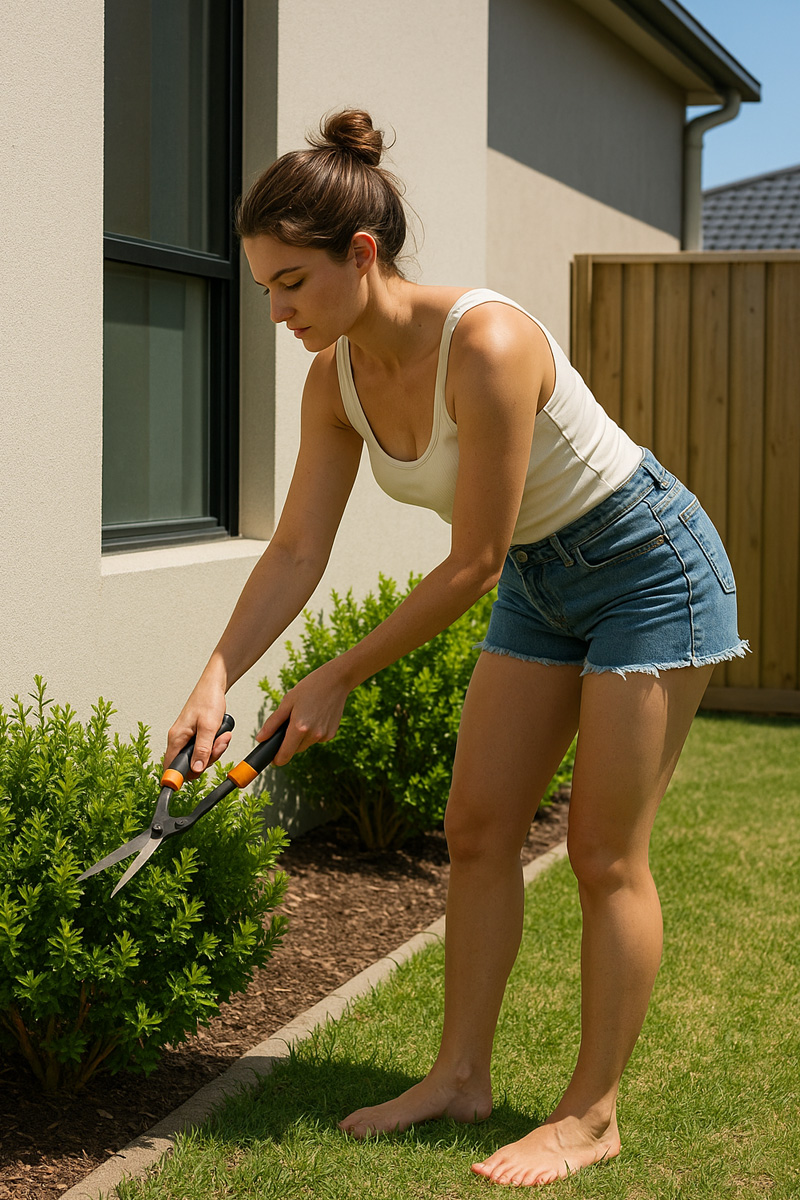
The same everyday logic applies to gardens. When lawns grow too long, hedges overreach their boundaries or paths begin filling with leaves, the home subtly changes character. It can start to look empty, and an inattentive appearance is one of the strongest signals that people may be away. A maintained garden, even if simple, tells the opposite story. Fresh cuts in the grass, clear pathways and lived-in planting signal that the house is actively cared for. For people heading away on holidays, maintaining the garden before departure is as important as locking the doors.
Inside, tidiness blends with hygiene and hazard reduction. Allowing children to play with old or dirty boxes, for example, can introduce germs and dust into indoor areas. If kids love creative play, it is far better to crush old packaging and offer a fresh, clean box rather than letting them use one that has been outside or stored near bins. It's a small shift, but these small shifts collectively keep the home cleaner, safer and easier to manage.
Rethinking How We Secure Access
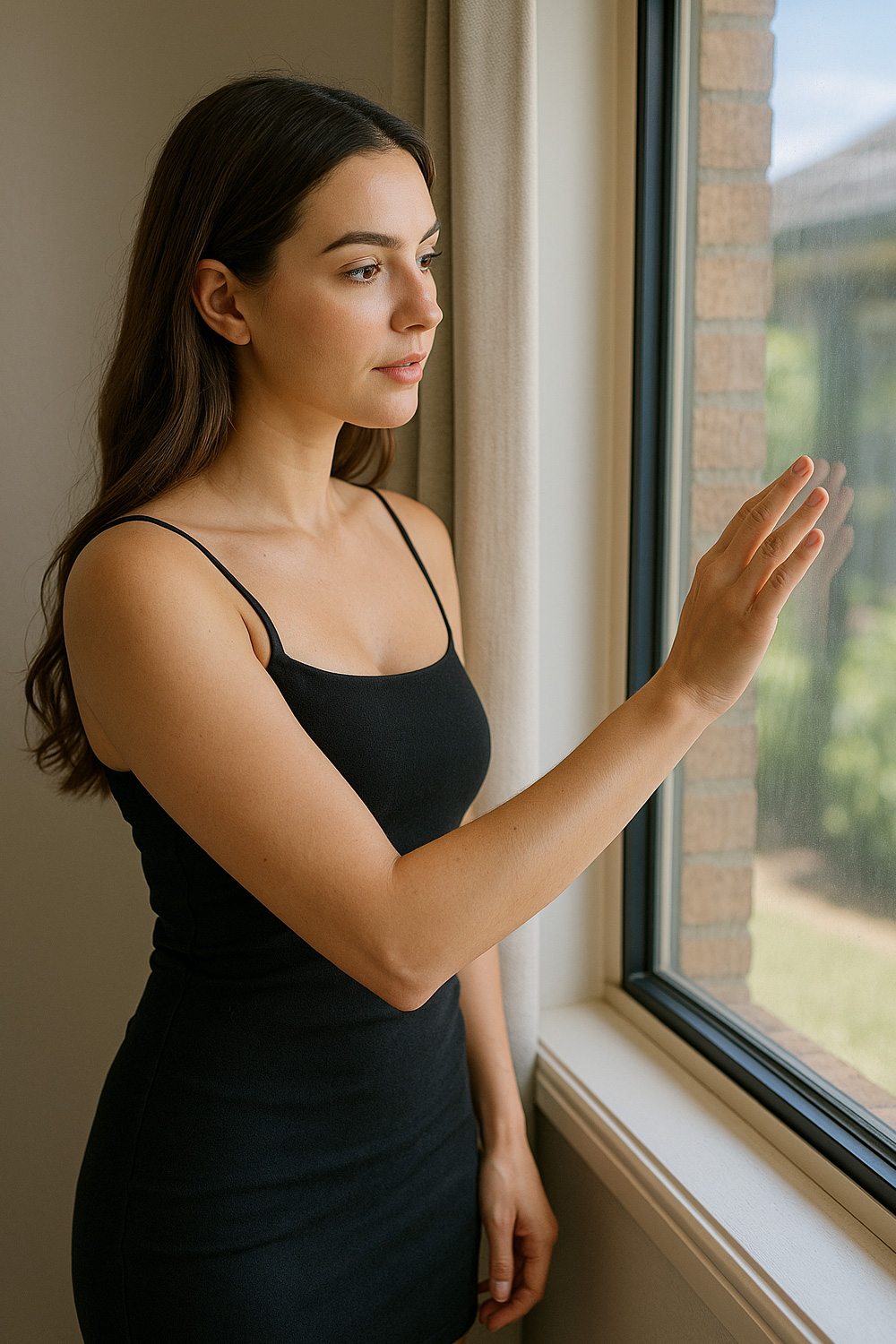
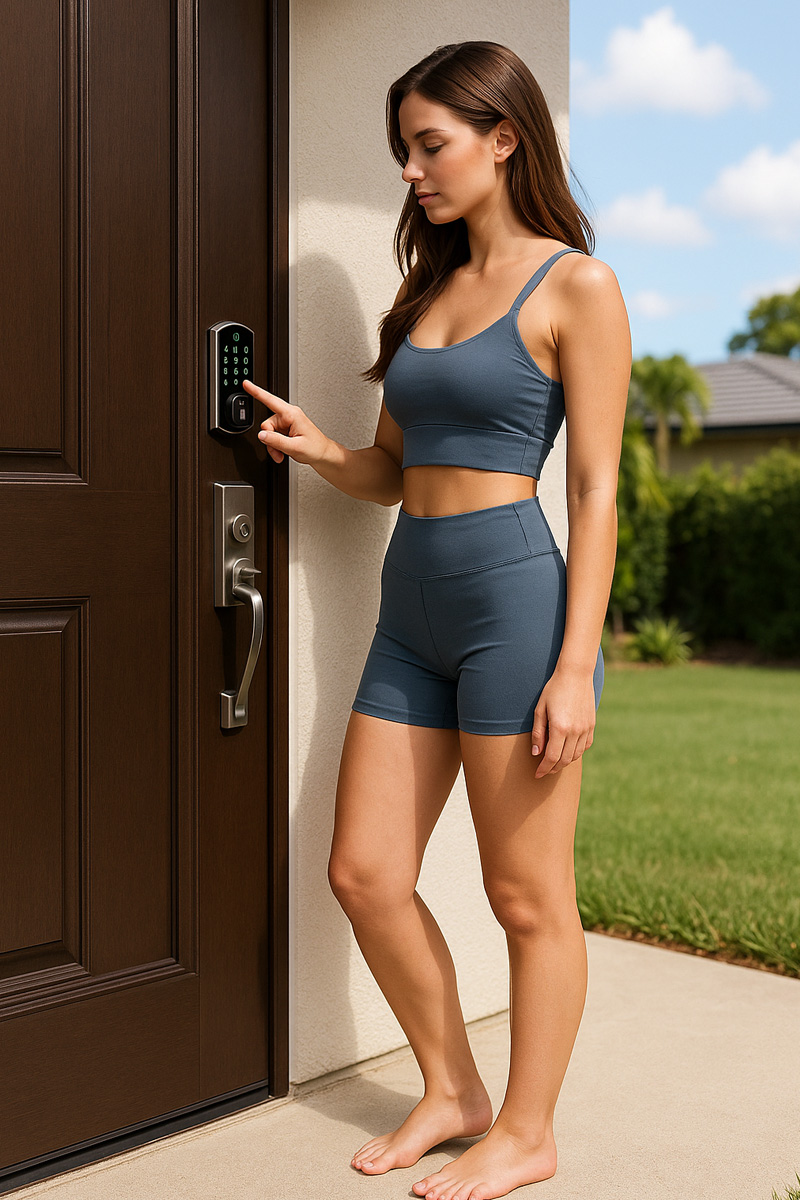
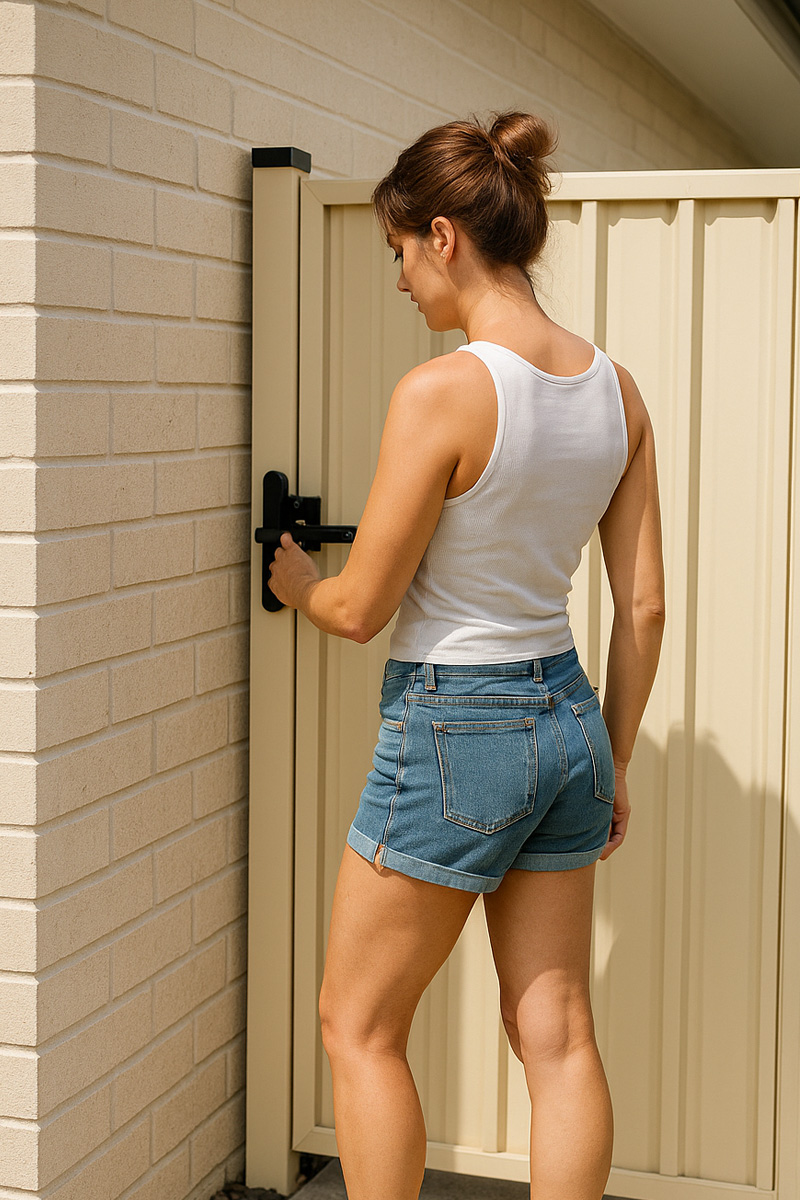
Security is not just about installing a product. It is about reducing opportunity. The most effective security habits start with entrances. Doors and windows are the most common access points, and strengthening them changes the entire risk profile of a property. Many older Gold Coast homes still rely on flimsy latches and basic door sets never designed for modern expectations. Upgrading to high-quality deadlocks or electronic locks is a meaningful improvement that makes forced entry noticeably harder. Electronic locks also eliminate one of the oldest mistakes in home security: hiding keys outside. Keys under mats, in pots or inside door frames are practically invitations. Electronic locks remove the temptation entirely.
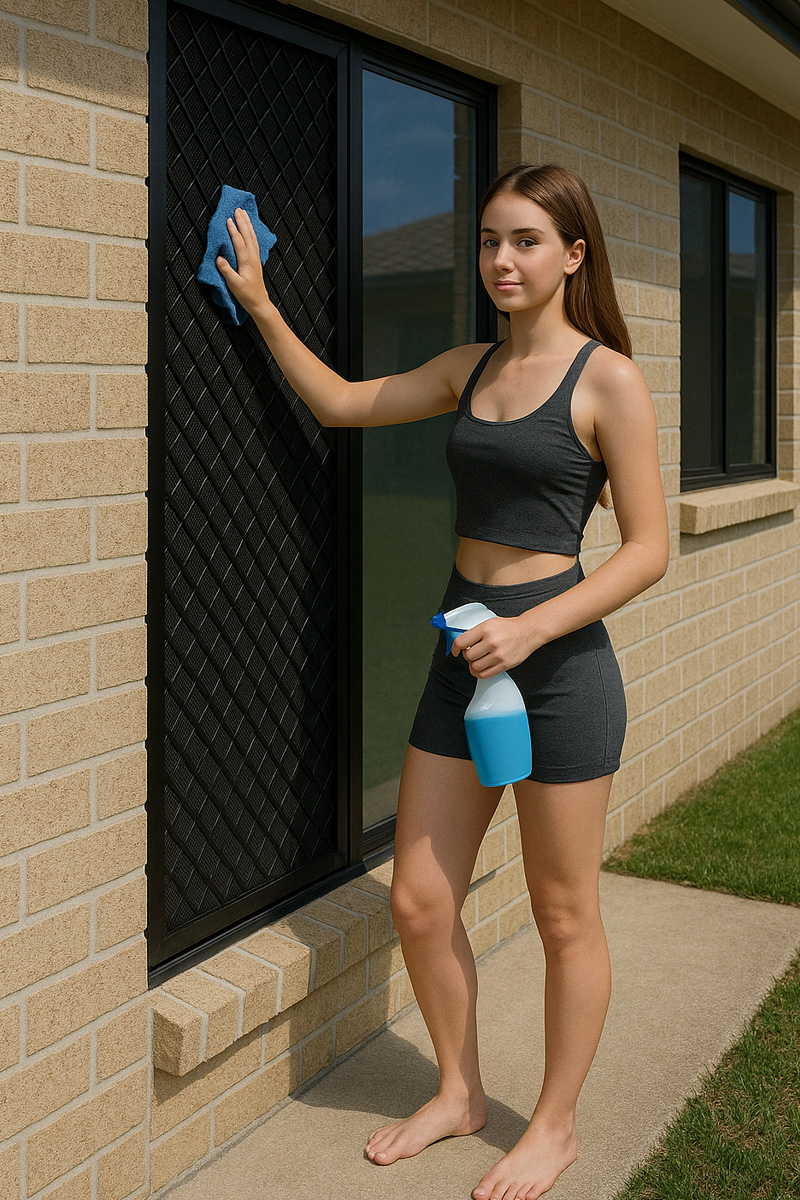
Security screens and window films add another layer. They create resistance without sacrificing airflow, something particularly valuable in Queensland where homes rely on ventilation as much as climate control. A good security screen is a deterrent and a physical barrier. Security film strengthens the glass itself, preventing easy breakage and slowing attempts to enter quickly or quietly.
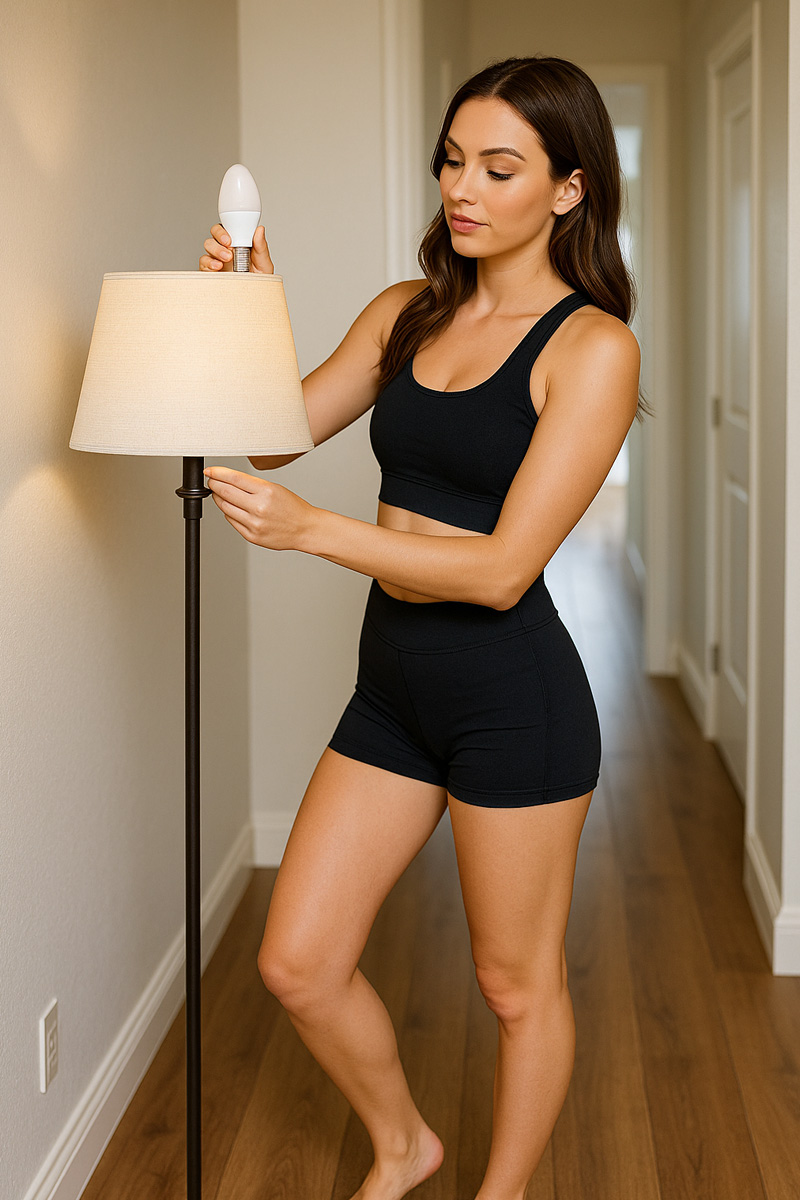
But physical hardware only helps when someone attempts to get inside. Good security also includes the impressions you create. Automated lighting that simulates presence, indoor lamps on timers and thoughtful lighting at entry paths make a substantial difference. A home that lights up in the evening never appears abandoned, and the cost of solar or smart lighting has dropped so low that these systems are now common even in modest properties.
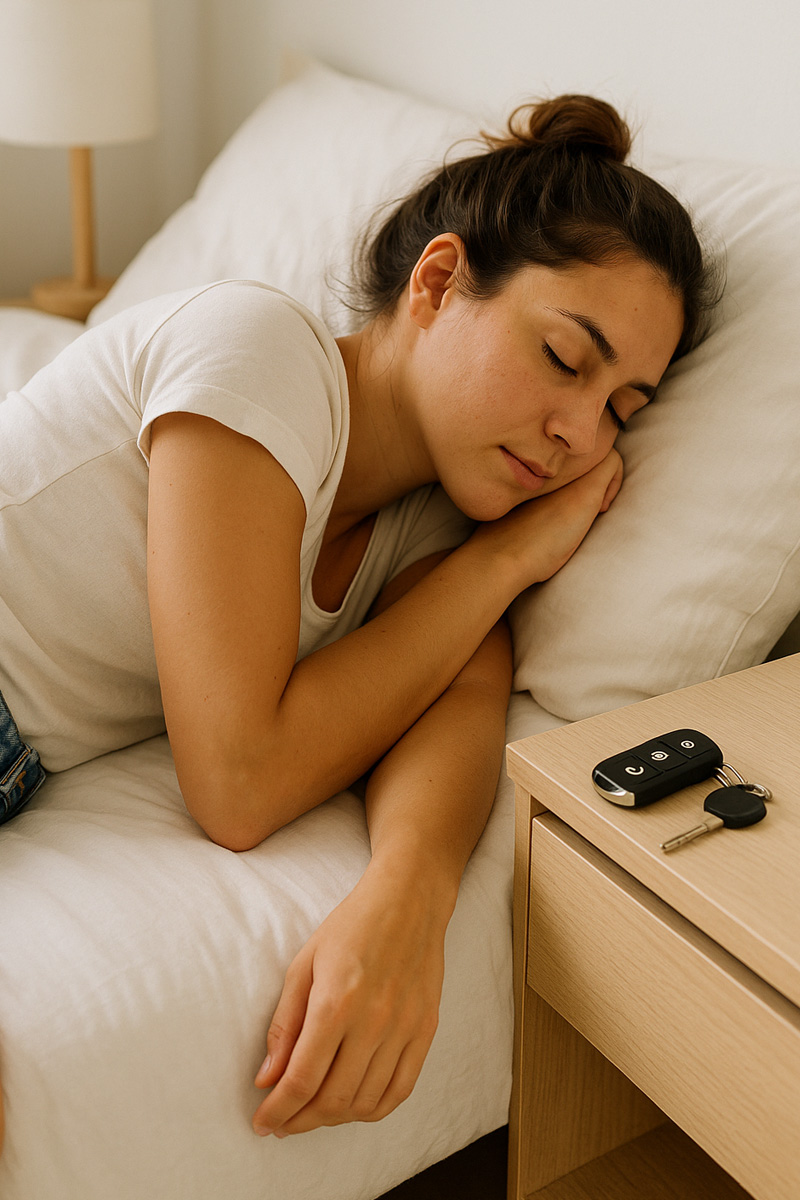
For households with garages and cars, the new concern is keyless entry technology. Criminals are increasingly using signal amplification devices to reach keys stored near entryways. Simply placing car keys deeper inside the home, away from doors and garage walls, makes a meaningful difference. It is a small behavioural shift with outsized impact.
The Role of Technology in Creating a Secure Perimeter
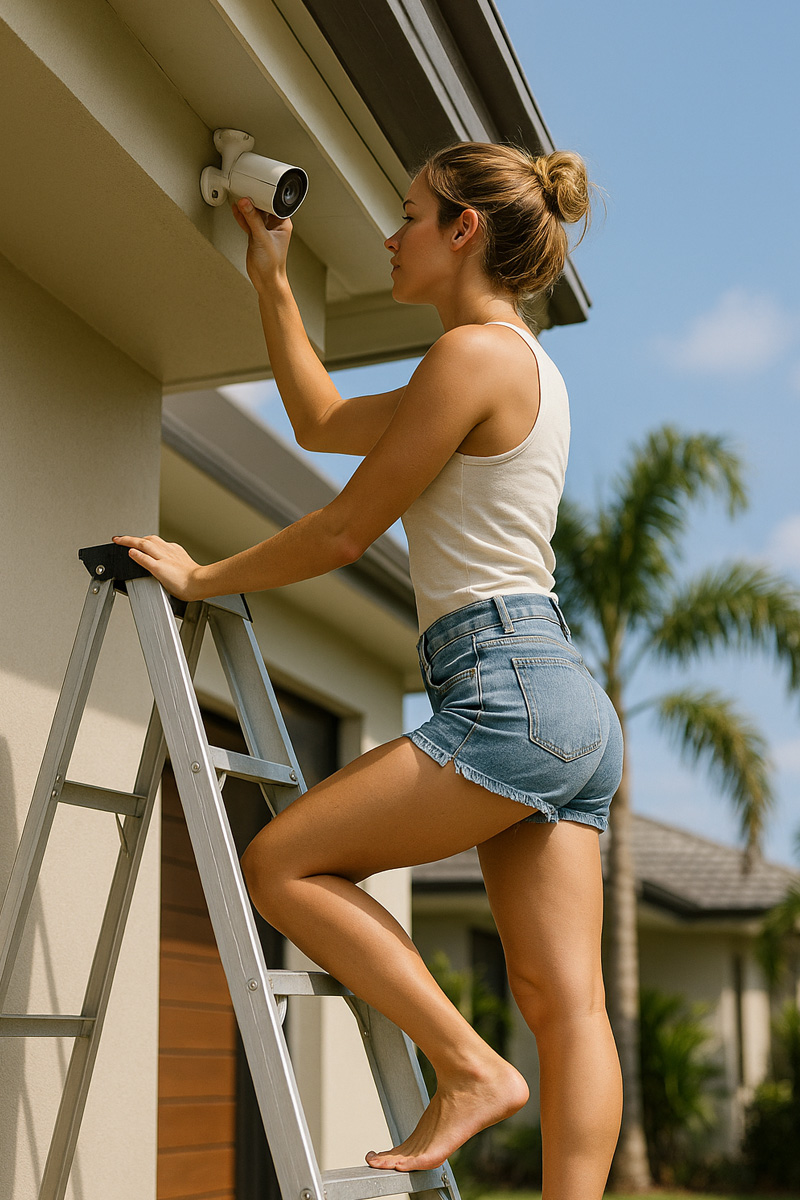
Security cameras have become so common that many people assume presence alone is enough. But cameras require maintenance. Lenses fog, cobwebs accumulate and batteries run flat. A camera that looks functional but produces a black or blurred image is pointless. Checking cameras every few weeks, updating apps, securing accounts and walking around the property to inspect each device keeps the system reliable.
Automated security lighting is a complementary tool. Lights that activate on motion or timers illuminate dark corners, highlight pathways and deter people from approaching unnoticed. Properly placed lighting turns the outdoor areas into a monitored zone without requiring anyone to be awake or watching. It also improves everyday comfort, especially when returning home after dark.
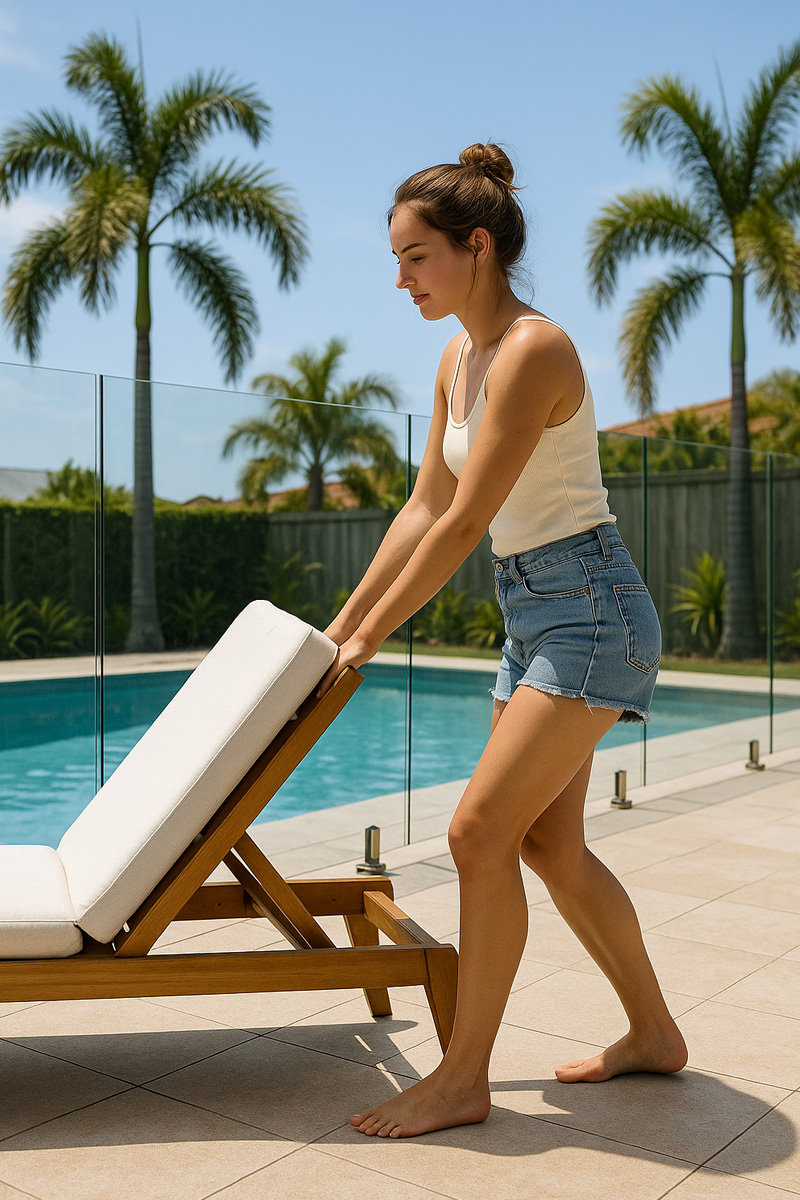
Pool areas are another zone where physical safety and perimeter security intersect. Queensland pool regulations are strict, yet many families unintentionally compromise their fences by storing boxes, chairs or pot plants too close to the barrier. These objects become climbing aids for young children. Keeping pool perimeters clear is not only a legal requirement but also one of the simplest and most effective safety practices a household can adopt.
Reducing Fire, Electrical and Household Risks
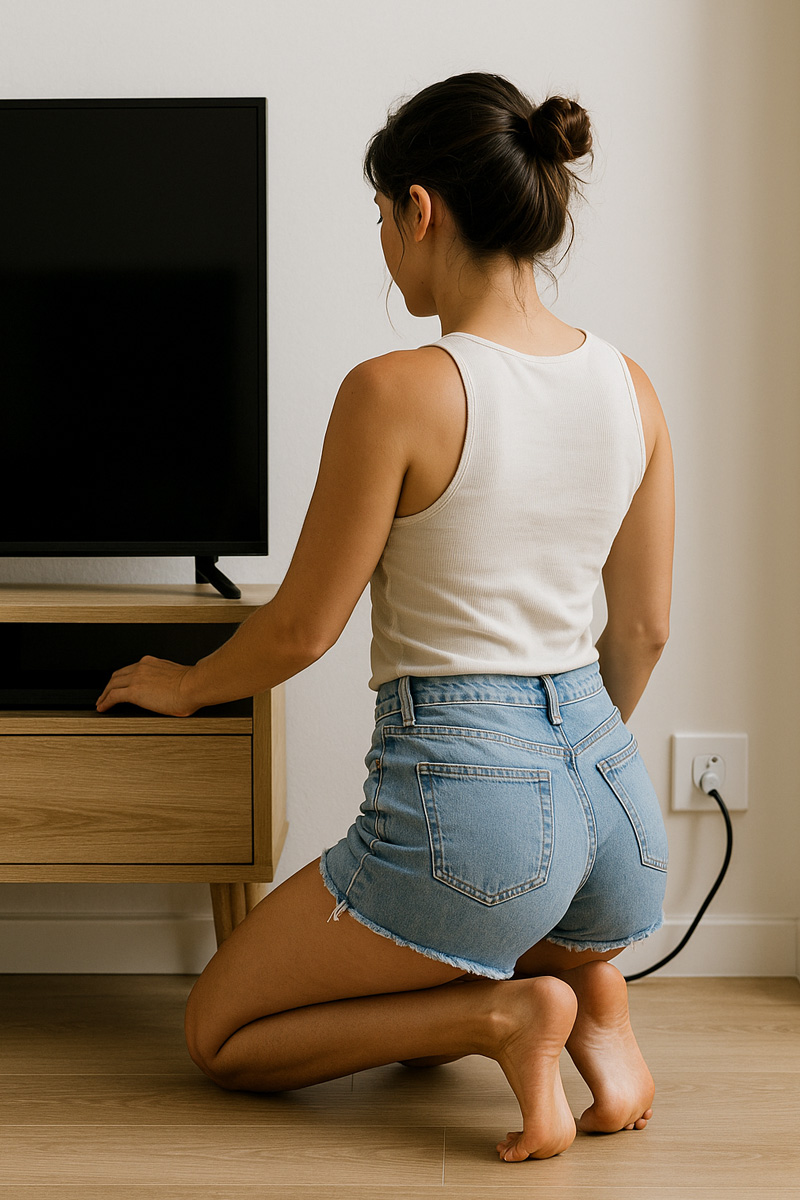
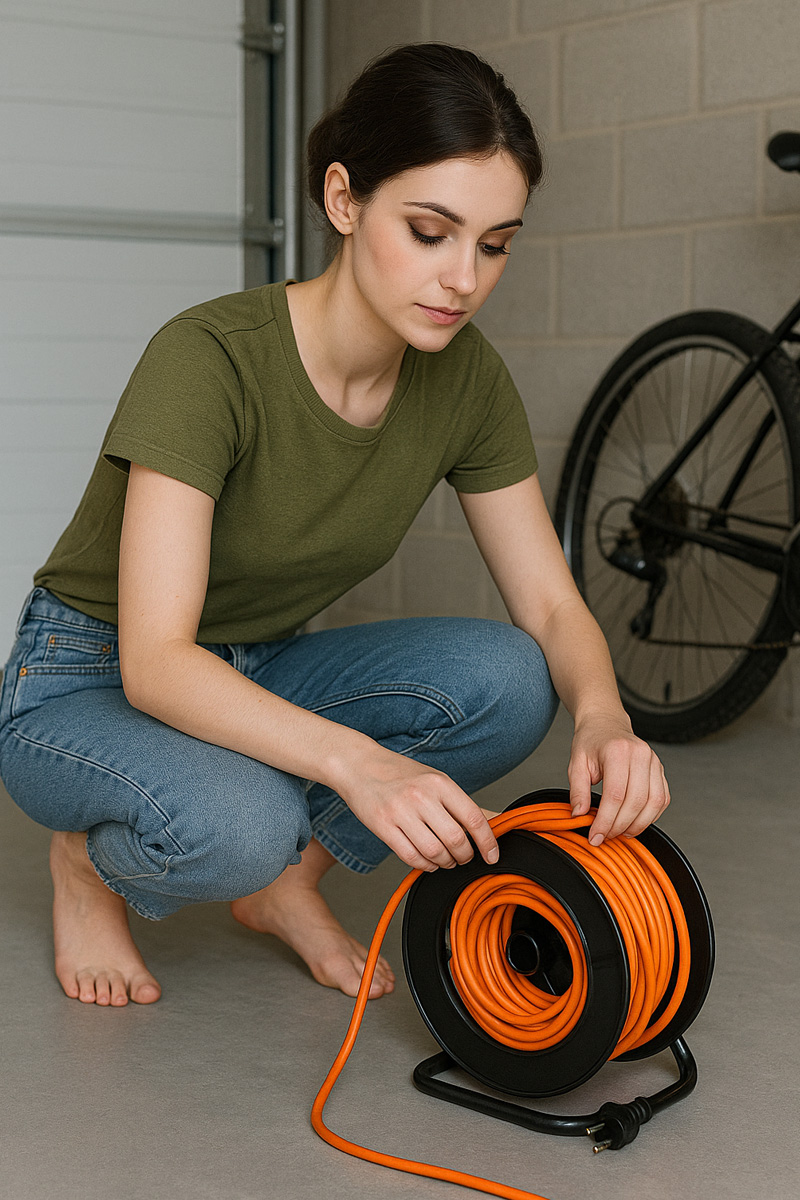
Electrical safety tends to fade into the background because cords and appliances are used daily. Yet many household fires begin with something as small as a frayed cord, a crushed lead under furniture or an appliance left running unnoticed. Checking cords for damage, replacing them promptly and avoiding tangled areas behind furniture reduces the risk significantly. Before holidays, switching off appliances at the wall is a wise habit. Not every device can be unplugged, but many can, and doing so reduces both fire risk and unnecessary power use.
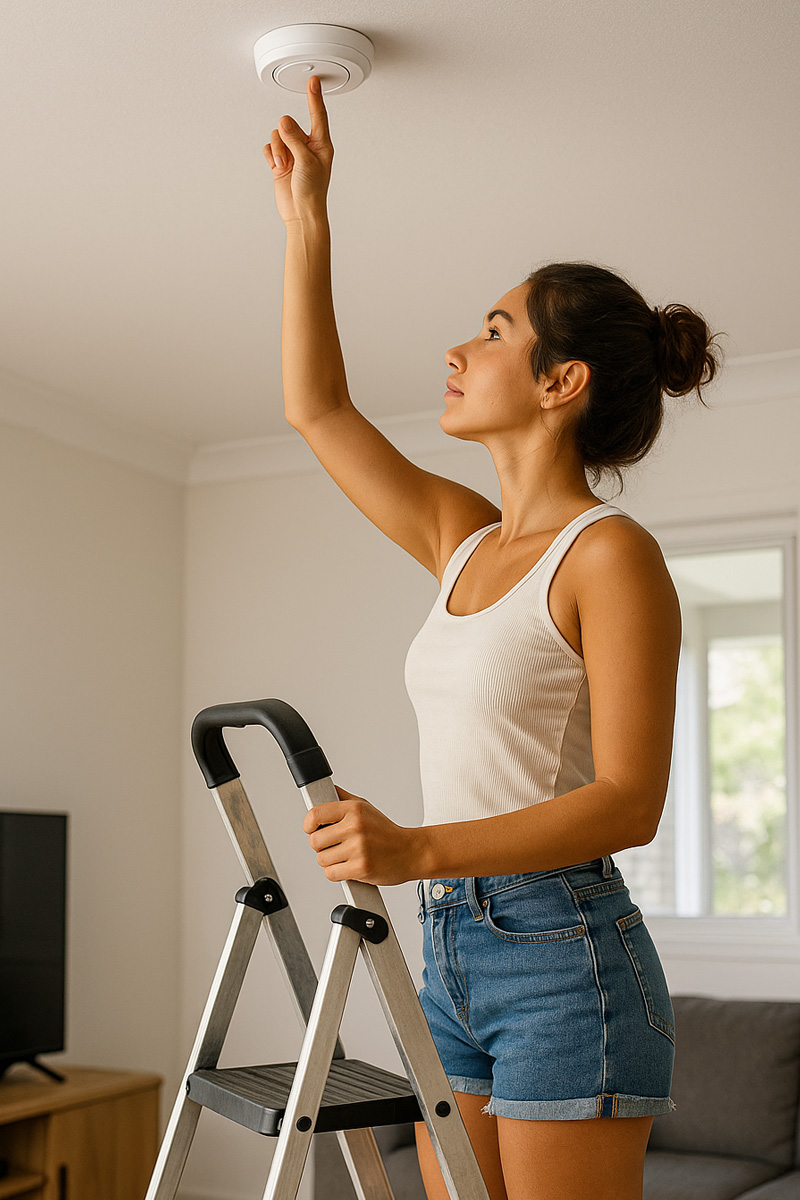
Smoke alarms remain one of the most important safety features in any Queensland home, but they are often treated as a once-a-year consideration. Pressing the test button regularly, vacuuming them and replacing batteries when needed keeps them reliable. A smoke alarm that is dirty or disabled offers a dangerous illusion of protection.
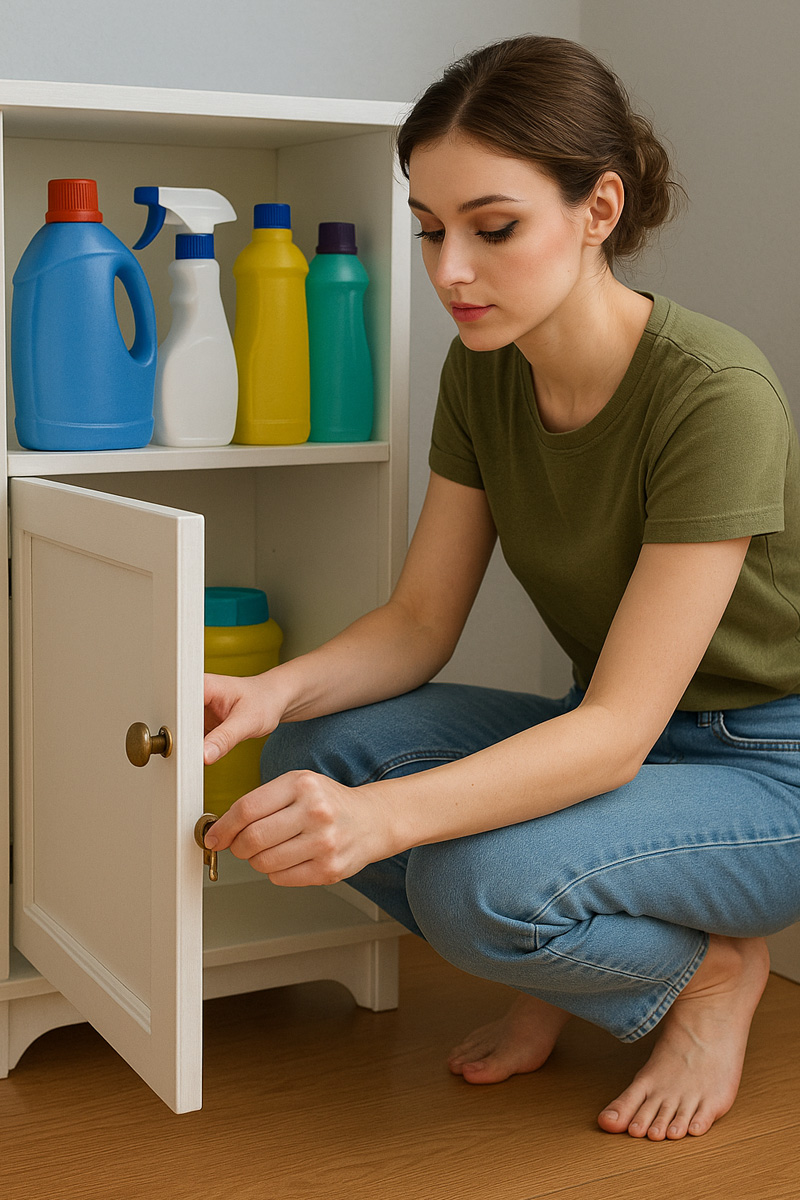
Chemical safety is equally important. Many homes store cleaning sprays, solvents, garden concentrates and pool chemicals within easy reach of children. Locking these items away in high cupboards or using childproof latches is a small effort compared to the consequences of accidental exposure. Storing chemicals away from food areas and ensuring lids remain sealed is another basic but essential routine.
Managing Deliveries, Valuables and Social Signals
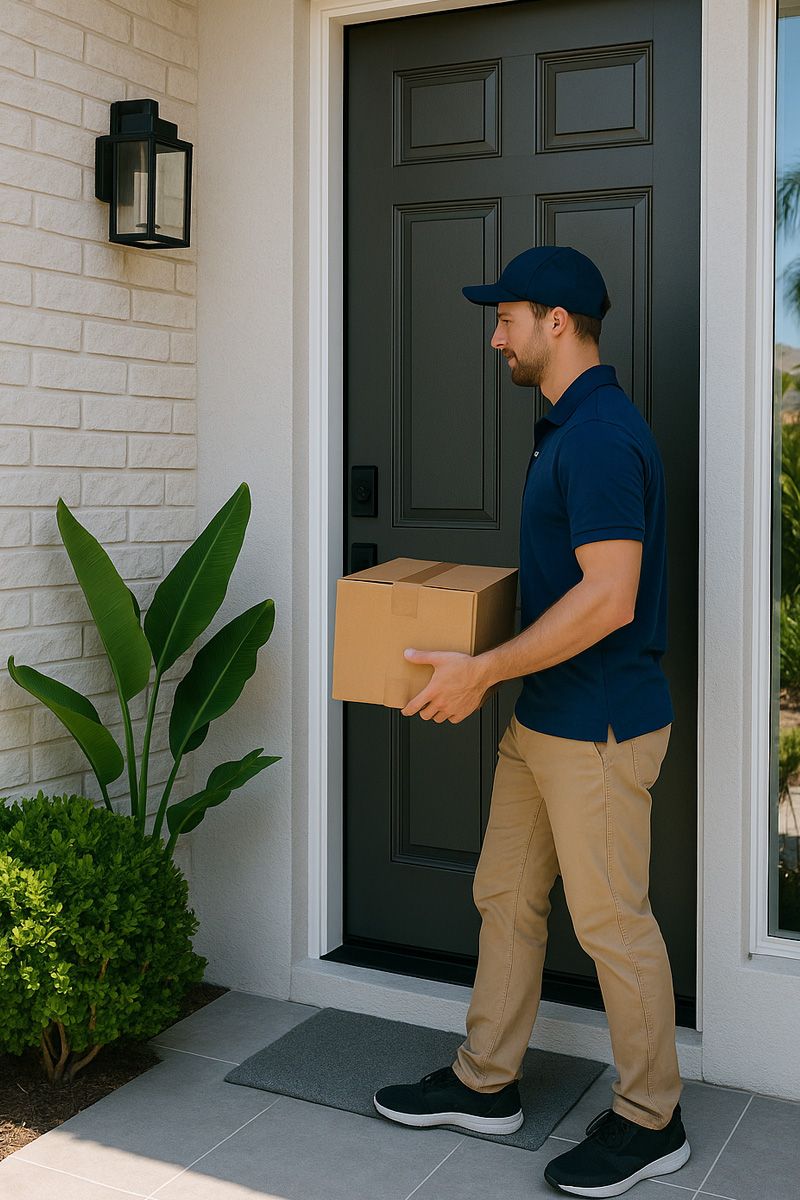
The way a home appears to others has a significant effect on safety. Parcels left at the door for hours suggest no one is home. Multiple deliveries piling up across a weekend suggest the same. Taking deliveries in quickly, or asking a neighbour to help when away, keeps the home looking active.
Sharing information is another habit worth reconsidering. Social media posts announcing holidays in real time can unintentionally advertise an empty house. Delaying holiday content until you return protects your privacy and avoids giving strangers a direct timeline. Telling trusted neighbours that you will be away, however, works in the opposite direction. It gives them permission to notice unusual cars, open gates or things left out of place. These relationships are often one of the strongest safety tools a household can have.
Where valuables are concerned, documentation is essential. Photographing important items, serial numbers and room layouts provides strong insurance evidence if theft or damage occurs. These records are quick to create, discreet to store and invaluable if something goes wrong.
A Home That Works With You, Not Against You
The most effective safety habits are not dramatic. They are simple, steady and woven quietly into daily life. Crushing boxes underfoot keeps floors clear and prevents new purchases from becoming advertisements. Maintaining gardens and lighting ensures the home feels lived in even when you are away. Upgrading locks, checking alarms and managing keys closes gaps that strangers can exploit. Chemical safety, electrical checks and general tidiness protect your family without adding burden.
Together, these habits create a home that works with you. A home that feels cared for, looks active, stays organised and supports your sense of security every day. The strongest safety plan is not built on fear but on thoughtful routines, small improvements and awareness that grows naturally over time.
Smart Home Safety Habits People Often Forget
A lot of home safety comes down to quiet habits that are easy to overlook. These ideas help reduce tripping hazards, improve security and keep your home feeling safe, lived in and cared for - especially when life is busy or you are heading away.








You might also like

Disclaimer: Every effort has been made to ensure the accuracy of the information provided, but we make no guarantees regarding its completeness or reliability. The data is presented for general informational purposes only and does not constitute financial, investment, or legal advice. We are not liable for any errors, omissions, or consequences arising from its use. Users should verify details with relevant sources and seek professional advice where appropriate for the most accurate and up-to-date guidance.