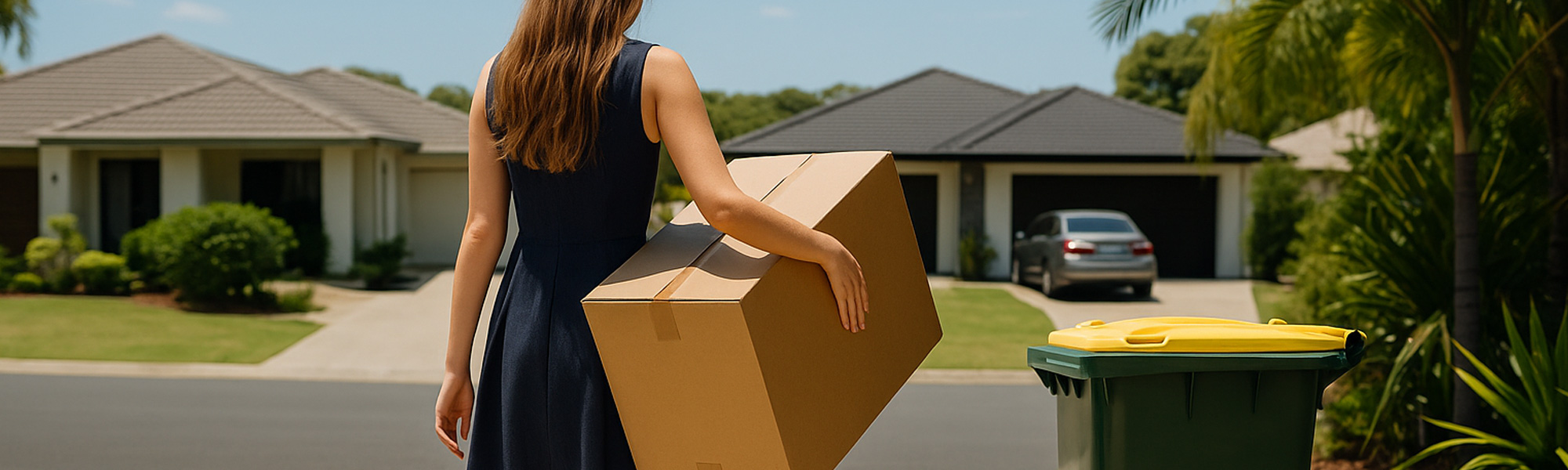

Gold Coast homes are full of boxes. Online orders, supermarket runs, appliances, birthday presents, moving supplies - they build up quietly in garages, laundries and corners, waiting for someone to "use them someday." For years, people assumed that reusing boxes or passing them along to someone else was the most eco-friendly choice.
But household boxes aren't designed for a second life. They arrive dirty from the journey they've taken - through factories, shipping containers, warehouses, trucks and stockrooms - and by the time they reach your door, they've already lived their entire working life. The most responsible thing you can do for your home, your family and the recycling stream is to destroy them and put them straight into the bin.
There is also a practical hygiene angle that often gets overlooked. Cardboard absorbs moisture, odours and residues, which makes stored boxes a quiet magnet for mould spores, insects and even rodents in warm coastal climates. Once a box has been folded, stacked and shuffled around a house, it stops being neutral packaging and starts becoming clutter with consequences. Crushing it immediately removes that risk, frees space, and ensures the material goes back into the recycling stream cleanly and efficiently. On the Gold Coast, where heat and humidity accelerate decay, destroying boxes promptly and recycling them is not wasteful at all - it is the cleanest and most responsible end point for something that has already done its job.
Single Use Means Single Purpose
Most everyday boxes are only ever meant to be used once - not because they collapse the moment you open them, but because they arrive contaminated. Dust, grime, fibres and residue accumulate throughout their journey, and once the box has delivered the item inside, its purpose is complete. Using a dirty, travelled box again to move house, store belongings or mail something heavy doesn't make it cleaner or safer; it simply carries that grime into another part of your home or into someone else's. Even if the cardboard still looks sturdy, it has already done its job. Passing it on isn't recycling - it's shifting a worn, dirty box into another household where it's likely to cause clutter, hygiene issues or disappointment when it inevitably fails.
The Hidden Hygiene Problem
Before a box ever reaches your home, it has spent time on factory floors, inside shipping containers, against pallets, beside forklifts, through trucks and in stockrooms. It may have sat through humidity or rain on a doorstep. Along the way it picks up dust, oils, insect fragments and, occasionally, pests tucked into the folds. To the eye, it can appear clean. But the layers of travel and the environments it has passed through make it a poor candidate for any kind of reuse inside a home.
Your cupboard, laundry or neighbour's garage is not where that contamination belongs.
The Clutter Spiral
Keeping boxes "just in case" creates household clutter faster than most people realise. A tidy stack becomes a leaning tower. The leaning tower becomes an obstruction. Before long, you're giving up space you need for something important because cardboard - designed for a single journey - has been allowed to linger.
And the mental load of deciding whether to keep, flatten or use old boxes is far greater than the simple act of destroying them the night they arrive.
The Ethical Responsibility - Don't Pass the Problem On
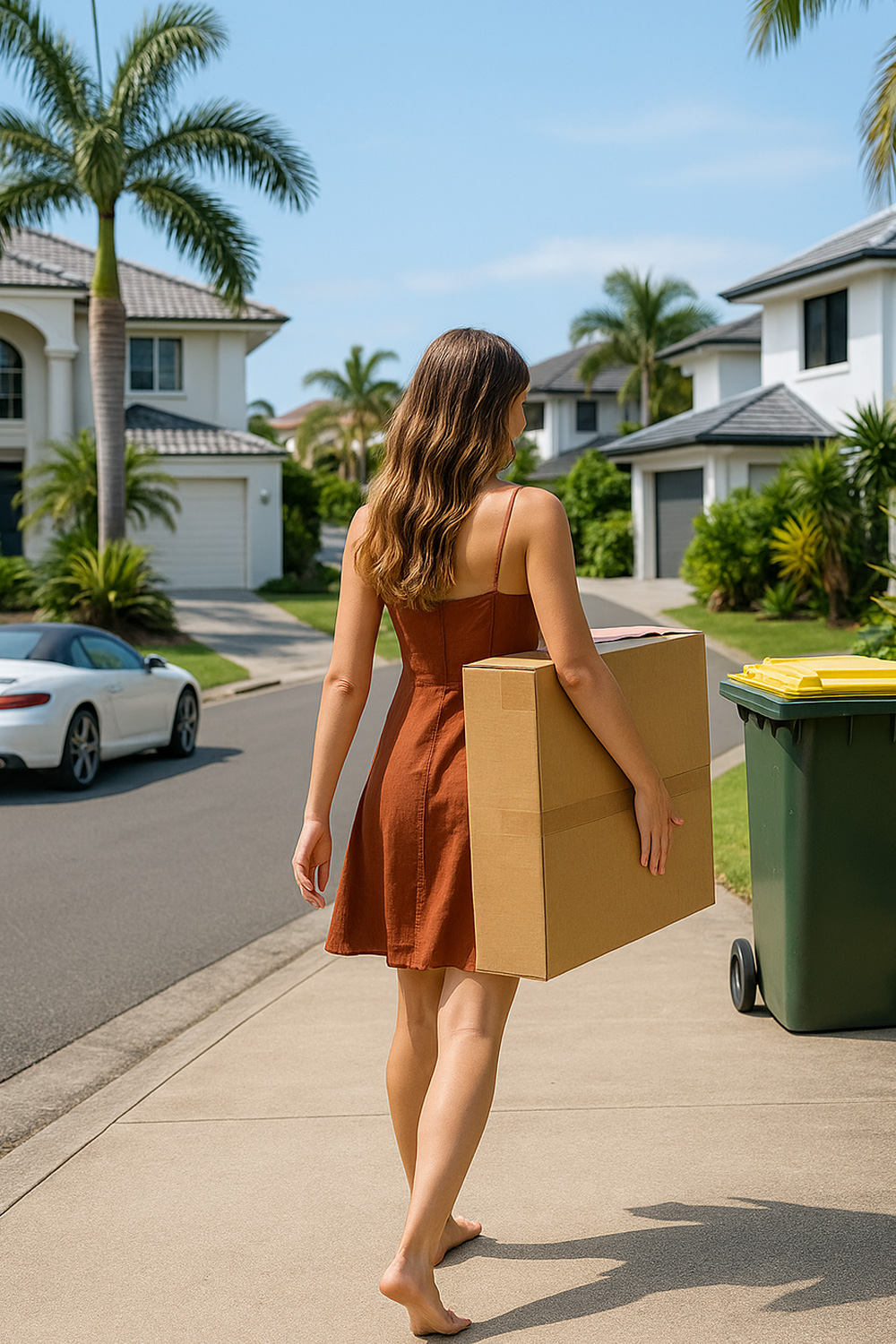
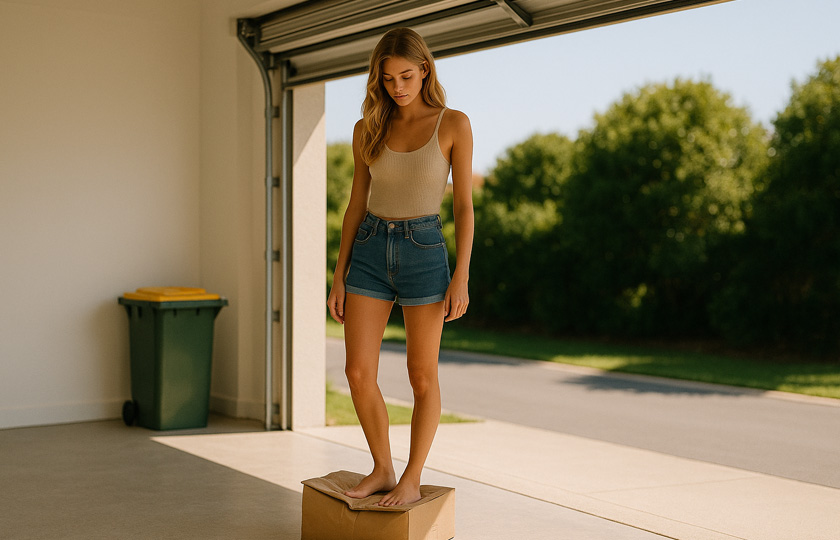
Once you understand where boxes have been and what they collect along the way, it becomes clear that leaving an empty one lying around isn't harmless - it's passing a hygiene problem forward. In a well-run home, a box has only two legitimate states: it's either holding something, or it's destroyed the moment it's empty. Dropping it to the ground and crushing it with your feet, or taking it straight outside and stomping it down at the bins, keeps everything simple. What you should never do is leave an intact box sitting around, waiting to become someone else's problem.
Dealing with cardboard immediately stops clutter before it forms, removes any chance for pests to hide in it, and prevents the awkward situation of giving a dirty or unstable box to someone who thinks they're doing the right thing by reusing it. It sets a quiet but consistent household rule: cardboard doesn't stay here; it moves through here.
And once friends and neighbours realise you never keep boxes, they naturally stop asking for them - which breaks the whole chain of well-meant but unhelpful cardboard circulation long before it reaches your doorstep.
Insects Love Stored Boxes
Left intact for more than a few days, boxes become unintentional shelters. Corrugated layers trap warmth and create narrow gaps cockroaches and ants find ideal. On warm, humid Gold Coast nights, they move in quickly and quietly. Flattening boxes as soon as they're empty removes that opportunity before it ever starts.
Recycling Works Better Than Reuse
Clean cardboard is one of Australia's most efficiently recycled materials. Once a box is crushed and placed in the recycling bin, it's turned into new paper and packaging with almost no waste. But stored too long - allowed to get damp, dusty, pest-affected or stained - and those fibres lose quality. Destroying boxes promptly isn't wasteful; it protects the recycling stream.
Why Giving Boxes Away Usually Isn't Helpful
Most households already have their own pile of boxes. Moving companies prefer new ones. Friends accept old boxes out of politeness and then store them in their garage. What feels like "reuse" is usually just redistributing clutter and hygiene issues. The environmental value doesn't outweigh the practical downsides.
When Kids Want to Play With Boxes
Kids love boxes. To them, it's instant magic - a cubby house, a tunnel, a rocket ship, a fortress. Parents say yes because it feels harmless and creative. But the part most families don't stop to think about is where that box has actually been before it enters your home.
It's come off a dirty factory floor, into a shipping container that's been used for who knows what in the past. It's been stacked in multiple warehouses, sometimes for months, rubbed against pallets and forklifts, exposed to dust, moisture, oils and the residue of whatever was stored nearby. Then it travels to a store, sits in a stockroom, is handled by dozens of hands and only then arrives at your door. By the time your child climbs inside it, the box has had a longer, dirtier journey than almost anything else in your house.
Once you picture that full supply chain, the idea of kids playing inside old boxes becomes far less charming. Children drag them across tiles, rub their hands along the edges, crawl inside with bare skin and spread cardboard fibres across couches and carpets. It's not the cardboard itself that's the concern - it's everything it can pick up and transfer straight onto your child and deeper into your home.
If your household practises responsible recycling, kids learn very quickly that boxes aren't toys - they're practical items that exist for one purpose and one purpose only. Once they're empty, they're meant to be thrown to the ground, crushed with the feet and taken straight to the bin. When children see that happen over and over again, it becomes normal to them. Box crushing isn't a special event or a novelty; it's simply how cardboard is handled in a well-run home. And that quiet consistency teaches them something important: cardboard isn't something to hoard or play in, it's something to deal with properly the moment its job is done.
And if your kids genuinely love building cubbies or craft projects out of boxes - and many do - there's a cleaner, safer alternative. Brand-new, unused cardboard boxes can be bought for a few dollars from office-supply or storage stores. They're untouched, untravelled and perfectly safe for play. Children still get the fun of creating something out of cardboard, just without dragging months of warehouse grime into the middle of the house.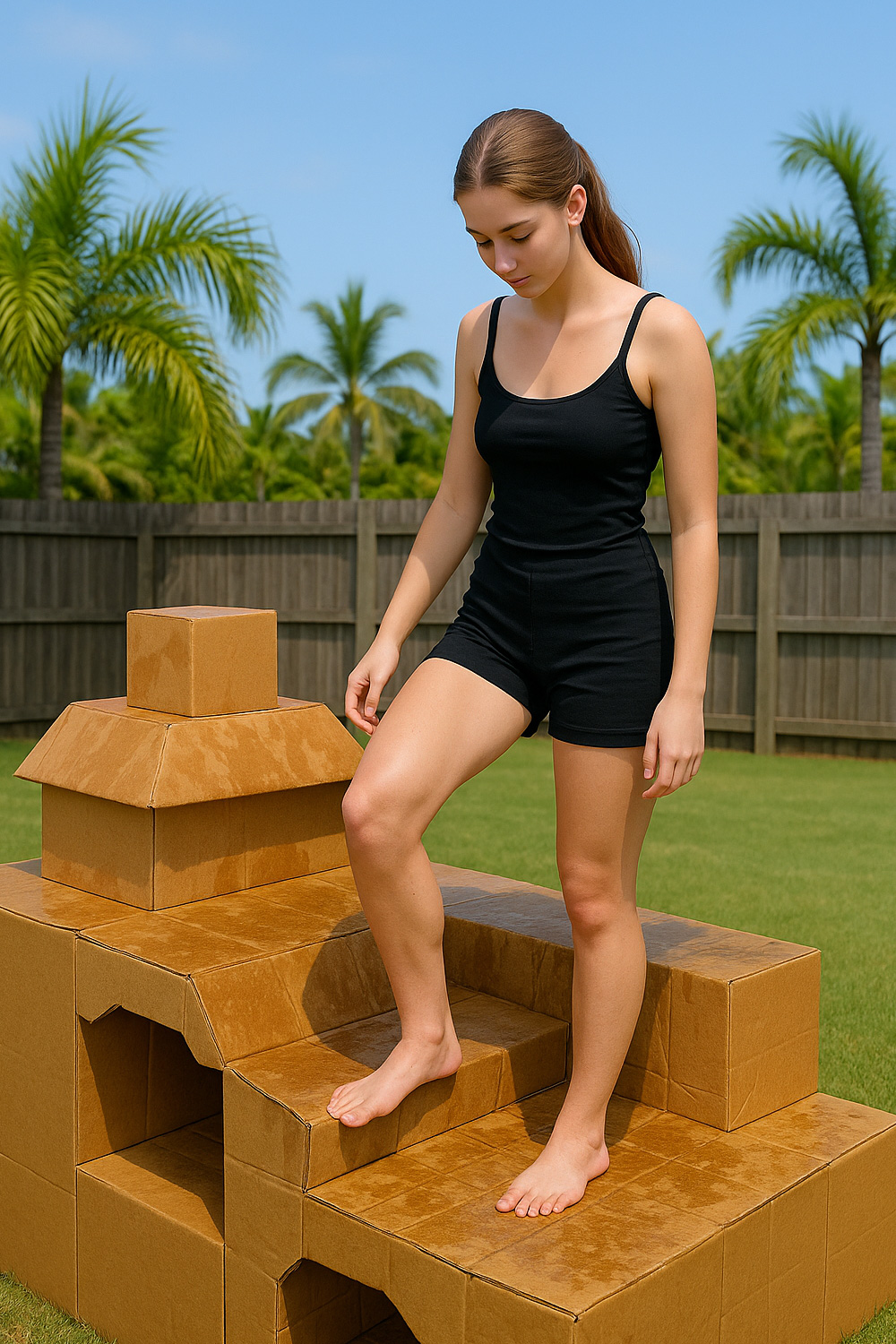
And if you're now looking at your kids' favourite cardboard fort, tunnel or "castle" and wondering how to get rid of it safely, you're not stuck. Once you understand what boxes have been through, the next step is simply destroying the structure properly and taking it to the tip - but doing it in a way that minimises distress for the kids. Cardboard creations carry big feelings, especially when they've been part of a game, and the cleanest approach is to turn the dismantling into part of the routine. Let them take out the last toy, have one final look, then help you stamp it down. It becomes a natural end to the game rather than a sudden disappearance.
If you need clear steps, the full instructions for breaking down large cardboard forts - including how to collapse them safely and load them for disposal - are available in our feature article, Disposing of Cardboard Forts and Large Play Builds: The Parent's Ultimate Guide to a No-Distress Breakdown. A few minutes of proper destruction keeps your home clean and sends the cardboard where it belongs, without turning the goodbye into a battle.
Let Boxes Fulfil Their Purpose
A box was never meant to live in your home. It was designed to carry an item once, then leave your life entirely. Treating cardboard that way - immediate use, immediate destruction, immediate recycling - is the simplest, cleanest and most sustainable approach.
The Safest, Cleanest Way to Deal With Cardboard
The easiest and most efficient way to dispose of boxes is to just crush them straight with your bare feet. Barefoot is safe, quick and surprisingly hygienic. It creates 30% more bin space than other methods, reduces handling, and feeds the recycling system exactly as intended - with minimal effort and no mess. It's also cleaner than crouching down and touching the box with your hands.

That strength and simplicity is what makes barefoot crushing so effective. The pressure of your feet collapses cardboard instantly, the balance feels natural, and the whole job is over in seconds. It's safer too - no heavy lifting, no awkward bending, no wrestling with stubborn flaps. Just one firm press and the box becomes flat, harmless and ready for the bin.
And when cardboard is destroyed immediately, everything else falls into place: your home stays cleaner, kids don't drag dusty boxes across the floors, clutter never has a chance to form, pests lose their favourite hiding spots, and nobody ends up passing dirty, unstable boxes to friends out of politeness or habit. A household that treats cardboard properly - by dealing with it the moment it's empty - becomes calmer, tidier and far more sustainable without even trying.
In the end, boxes are never meant to be part of the household ecosystem. They serve their single purpose, and once that's done, they belong in only one place: crushed, recycled and on their way to becoming something new. Barefoot crushing isn't just convenient - it's the cleanest, safest, most responsible step you can take. Let the boxes fulfil their purpose, and let your home stay free of the mess, dust and hidden grime they were never meant to bring inside.
You might also like




Disclaimer: Every effort has been made to ensure the accuracy of the information provided, but we make no guarantees regarding its completeness or reliability. The data is presented for general informational purposes only and does not constitute financial, investment, or legal advice. We are not liable for any errors, omissions, or consequences arising from its use. Users should verify details with relevant sources and seek professional advice where appropriate for the most accurate and up-to-date guidance.