
Family Chores
Family Chores Series
The Family Chores Series helps parents encourage their teenagers to take part in everyday household life - turning reminders into rhythm and chores into shared habits. Each guide focuses on simple, practical jobs that build independence, confidence and pride in doing things well, whether it's recycling properly, managing dishes, or keeping shared spaces tidy.
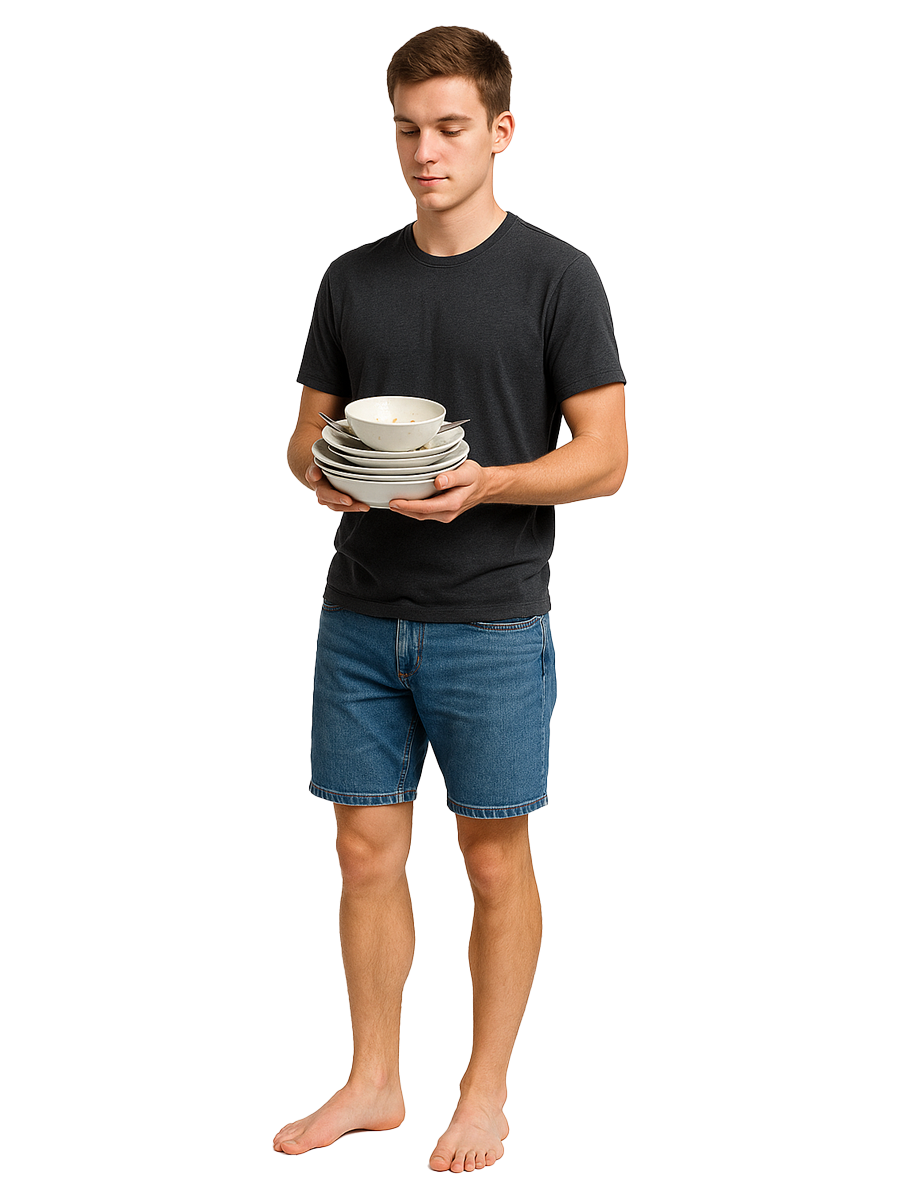
Every parent hopes to see it one day - their teenager cleaning up after themselves, quietly taking care of the washing or the dishes without being reminded.
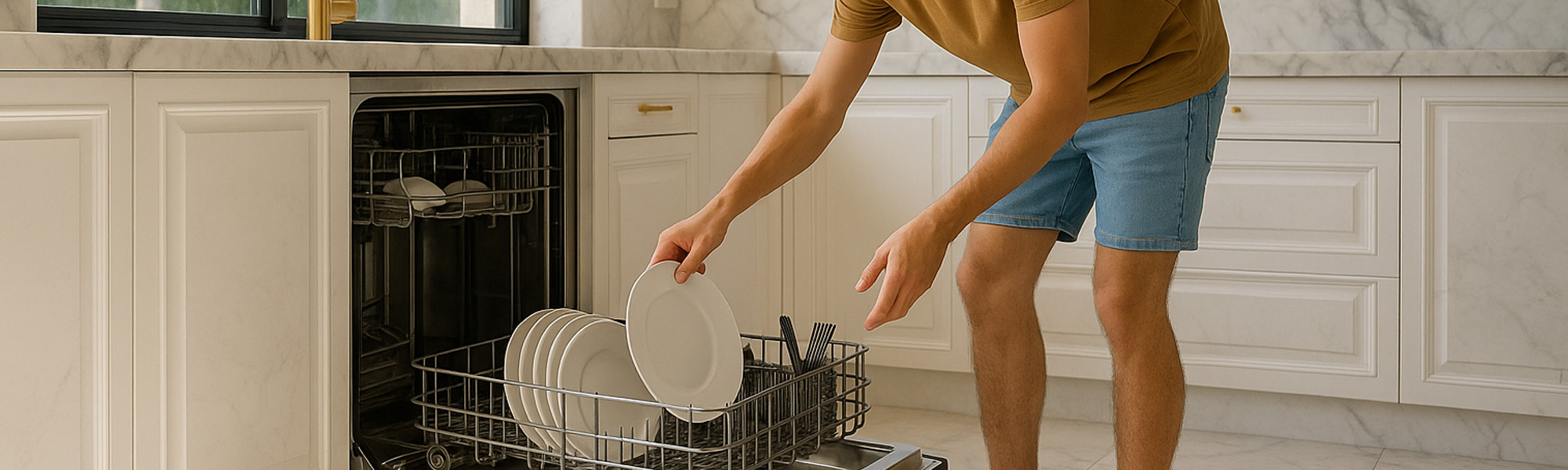
A teenage son clears the dishes after dinner, takes them to the dishwasher, and loads them in one by one. The soft clatter of plates replaces the usual reminders. When he presses start and leaves the kitchen spotless, it feels like the house has taken a quiet step forward.
There's something deeply satisfying about seeing a teenager take ownership of the basics - carrying their washing basket, sorting clothes, and pressing start on the machine; rinsing plates, stacking them neatly, and wiping down the bench before walking away. These are small, ordinary acts that say a lot about growing up. They show care for the household, consideration for others, and a willingness to handle the less glamorous side of life with quiet confidence.
Why Laundry and Dishes Matter So Much
In every household, clothes and dishes are the two endless cycles. They never stop coming, and they never finish themselves. Parents often carry the invisible burden of keeping those cycles turning - making sure clean uniforms appear each morning and clean cutlery waits in the drawer at night. When teenagers start taking part in those routines, it doesn't just lighten the load; it changes the atmosphere of the home.
Laundry and dishwashing teach timing, follow-through, and awareness. You can't just start them and walk away - you have to come back, move things along, and complete the task properly. That cycle of start-to-finish responsibility is exactly what adulthood requires.
The Laundry Lesson
A simple way to start is by making laundry part of their weekly rhythm. Set up a basket that's theirs alone. They should know the basics: darks, lights, towels, delicates. Show them how to fill the machine - not too full - and how much detergent to use. Teach them to check pockets, close zips, and turn clothes the right way out so they don't come out twisted or half-clean.
When the cycle ends, timing matters. Damp clothes left sitting quickly turn musty, and everyone can smell the neglect. Moving them straight onto the line or into the dryer teaches presence of mind - being aware that chores aren't done until they're finished.
Hanging clothes properly takes a little practice. Peg from seams, not shoulders, and let air circulate. On the Gold Coast, most drying happens outdoors, so remind them that a sunny day is an opportunity. Folding is the last step - shirts stacked neatly, towels squared, socks paired. It's not about perfection; it's about caring enough to see it through.
That moment when they carry their own folded clothes back to their room feels bigger than it looks. It's one of those quiet signs that they're learning to look after themselves - not because someone stood over them, but because it feels right.
The Dishwashing Discipline
If laundry teaches patience, dishes teach immediacy. The meal is done; the kitchen's a mess. Every parent knows that if plates are left "to soak," they'll still be sitting there hours later, crusted and cold. The sooner they're tackled, the easier they are to clean.
Start by showing the rhythm: scrape, rinse, wash, dry, and put away. Whether it's a dishwasher or the sink, the same rule applies - finish what you start. Stack the dishwasher with logic: plates together, bowls together, glasses top rack, utensils facing down for safety. Run it only when full, and empty it once it's done.
If washing by hand, use hot soapy water and move from cleanest to dirtiest. Glasses first, greasy pans last. Have a towel ready so drying happens immediately, avoiding those damp piles that attract odours. A quick final wipe of the bench makes the whole space feel calm again.
These actions seem small, but they make a kitchen functional. They also teach teenagers something fundamental: that comfort is created by consistency, not convenience. When the dishes are always done, the home feels cared for. It's the difference between living in a space and maintaining one.
The Shared Principle: Respect for the System
Laundry and dishes are both systems - cycles that depend on everyone doing their part. When teenagers join those systems, they see the quiet structure that keeps a household running. They learn that effort doesn't disappear just because it's invisible; someone is always keeping things turning.
That's where responsibility shifts from instruction to intuition. Instead of hearing “do your washing” or “clean your plate,” they begin to act automatically. They start to feel the rhythm of shared living - when something's dirty, clean it; when something's used, return it. It's the essence of self-management.
Making It Stick
For habits to last, they need to feel integrated, not imposed. That's where rhythm and autonomy help. Let them choose a laundry day and take charge of their space. Encourage small wins - a stack of freshly folded shirts, a clean kitchen bench, a basket that's finally empty.
Some parents find it useful to connect these chores to freedom: clean clothes mean confidence to go out; a clean kitchen means space to cook what they like. Over time, these tasks shift from obligations to normal life - something they do automatically because it's part of how a functional home feels.
If they slip back - and they will - stay calm. It's not rebellion; it's forgetfulness. Quiet reminders work better than frustration. A short "You've got a load waiting" or "The dishwasher's ready to empty" is enough. The goal is consistency, not confrontation.
Small Acts, Big Impact
Parents often underestimate how powerful these moments are. A teenager who cleans up their plate after dinner or folds their own laundry without being asked is doing more than a chore - they're showing awareness and care. Those small acts ripple outward, easing tension and setting an example for younger siblings.
Every adult remembers the moment they first realised the house didn't clean itself. Helping your teenager reach that point while still at home gives them a head start on independence. It also transforms their relationship with their parents from one of reliance to one of partnership.
A Home That Feels Shared
When everyone contributes, the home feels lighter. Machines aren't left full, benches stay clear, and the daily rhythm flows more easily. Parents stop feeling like silent housekeepers, and teenagers start feeling like genuine contributors.
Once a teenager knows how to handle their own washing and dishes, the rest of adulthood doesn't seem nearly as complicated. They've already learned how to keep the essentials of life clean, ready, and working - and how to take quiet pride in the result.
You might also like





Disclaimer: Every effort has been made to ensure the accuracy of the information provided, but we make no guarantees regarding its completeness or reliability. The data is presented for general informational purposes only and does not constitute financial, investment, or legal advice. We are not liable for any errors, omissions, or consequences arising from its use. Users should verify details with relevant sources and seek professional advice where appropriate for the most accurate and up-to-date guidance.