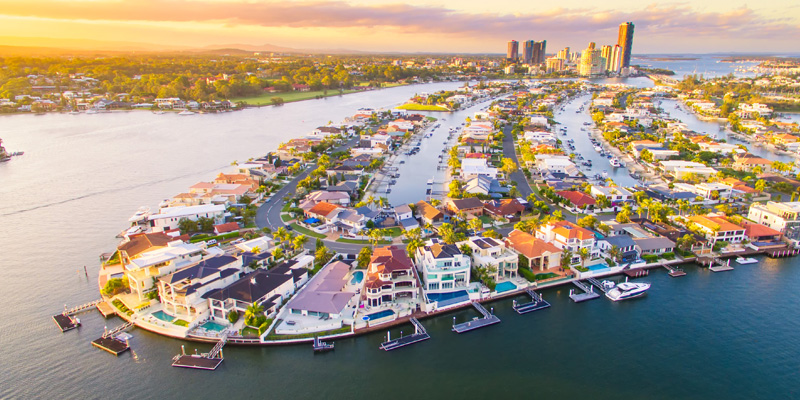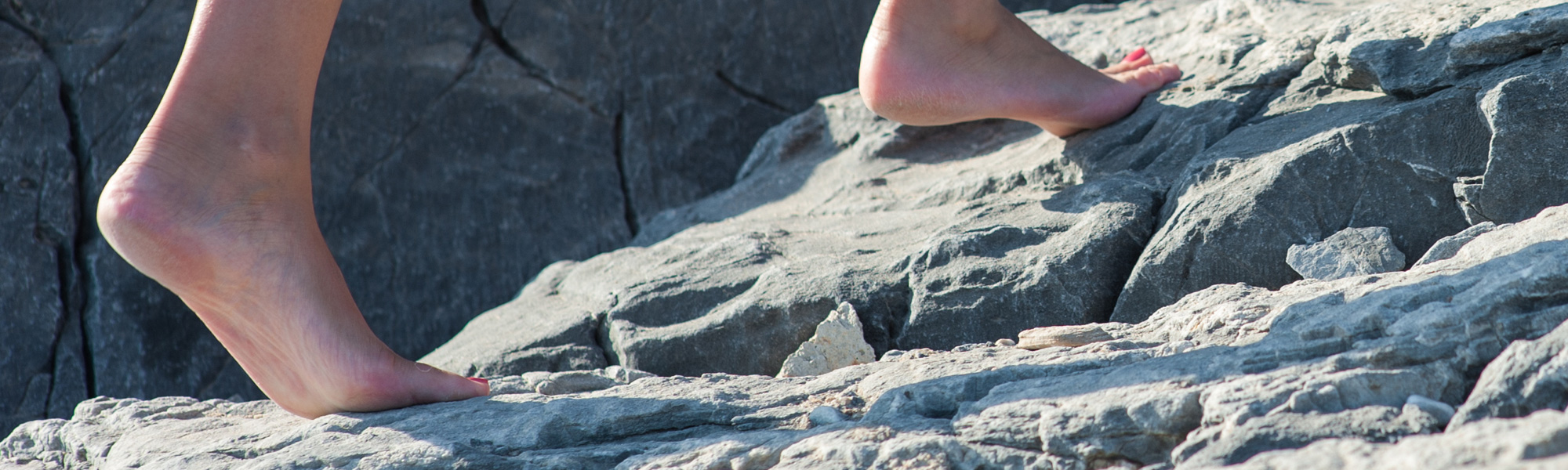
For many visitors stepping onto the Gold Coast, the very first cultural surprise is not the stunning city skyline right next to the water, the surf or the humidity but something much simpler: people walking around barefoot without hesitation. Locals wander from lawn to driveway to café entrance as if the warm ground were another familiar room in their home. To tourists from more urbanised or cooler regions, this can feel unexpectedly bold, almost as if a small social rule has been casually ignored. The moment is rarely dramatic, but it lingers. It makes them wonder why going barefoot feels so normal here and so strange where they're from.
Before Shoes Became a Daily Habit
Long before modern commerce reshaped daily habits, large parts of humanity walked barefoot or used light, minimal coverings. Soles grew conditioned from childhood, developing strength and sensory awareness. Going without shoes had very little cultural meaning; it was simply how people moved through life. Toughened but flexible skin protected the foot, and communities treated feet as ordinary, visible parts of daily function, not as something private or improper.
Shoes existed, of course, but they were often reserved for specific tasks or certain terrains. In many societies, footwear signalled status only on formal occasions, not in everyday movement. The ground beneath you was not seen as a threat but as a familiar surface that shaped your posture and your gait. The idea that being barefoot could imply anything about character or respectability would have made little sense.
How Industrialisation Reshaped Perceptions

Everything changed during the industrial era. Once manufacturing scaled up and materials became cheaper, shoe companies were no longer producing occasional-use goods. They needed everyday customers. Advertising surged in the late nineteenth and early twentieth centuries, telling a new story about what "modern life" required. Comfort, hygiene and social respectability were increasingly tied to buying and wearing shoes from morning to night.
The footwear industry didn't just sell products; it remade cultural expectations. A new standard emerged: a well-dressed person wore shoes at all times, no matter where they lived or what they were doing. To go barefoot in public was reframed as careless, unfashionable or inappropriate. Slowly, this mindset burrowed into childhood norms. Kids were taught to put shoes on not just for protection but for propriety. Bare feet began to feel like a private state, almost undressed, despite being perfectly natural.
By the mid-century, entire populations in cooler climates and dense cities had internalised the idea that good footwear equalled good living. The industry's influence extended far beyond its products. It rewired the collective relationship people had with their own bodies.
The Hidden Foot and the Rise of Neglect
One of the strangest side effects of the industrialised shoe culture was the quiet neglect it caused. When feet were kept enclosed all day, rarely seen and seldom exposed to natural surfaces, they slipped out of consciousness. The skin softened. Muscles weakened. Soles were no longer conditioned by daily walking but by cushioned interiors. Because feet were hidden from view, their appearance mattered less. Many people came to associate their own feet with something mildly embarrassing or unkempt, a body part to keep inside shoes unless absolutely necessary.
This is where the cultural divide forms. People raised in environments where shoes dominate often grow up with feet that are cosmetically neglected, structurally soft and rarely considered. It's no surprise that public barefoot walking feels jarring to them. They subconsciously project their own experience onto others. When they see someone barefoot, they imagine how their own unconditioned feet would feel, look or cope, and the idea seems impractical or improper.
Australia's Deep Barefoot Culture
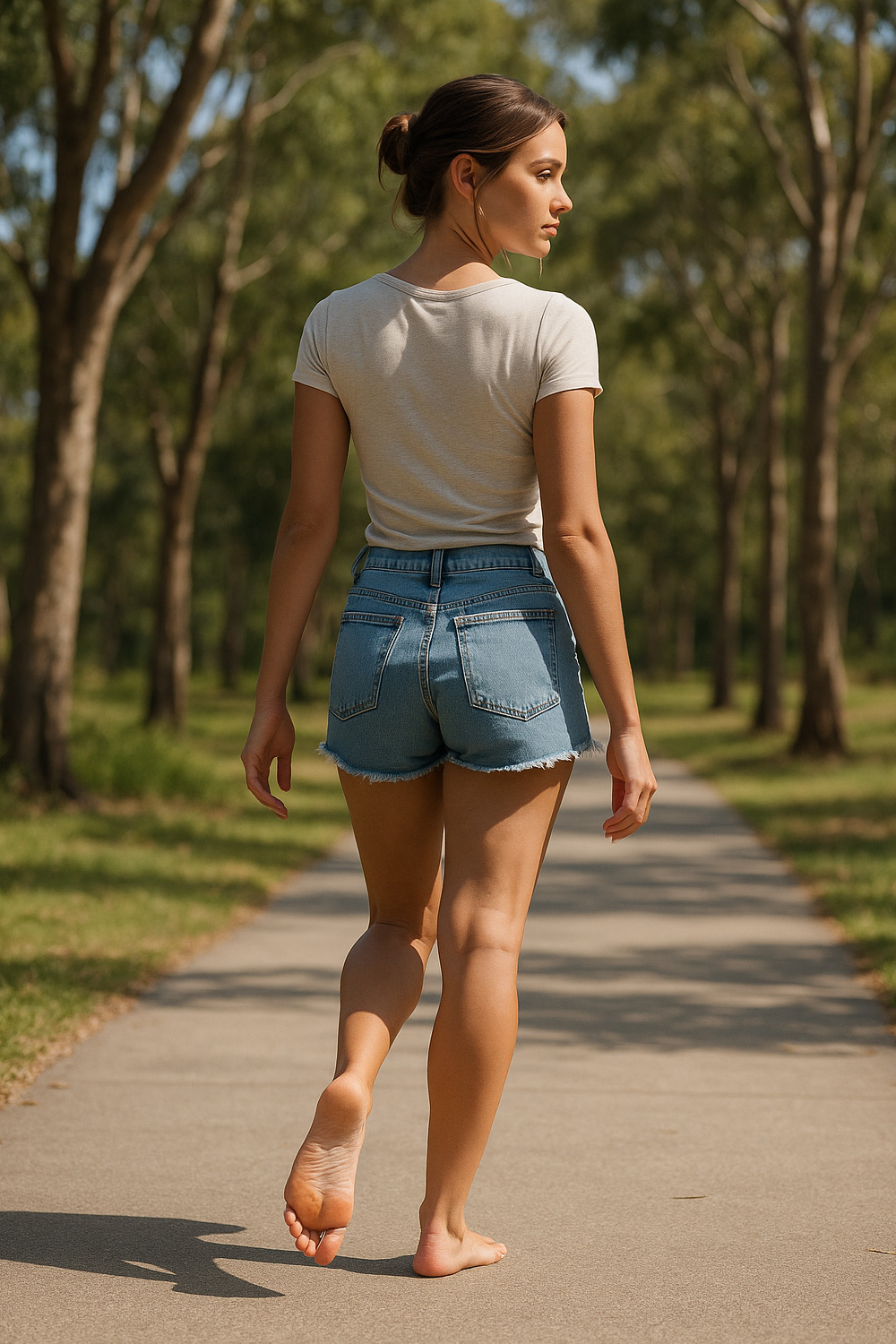
Long before today's casual coastal lifestyle became part of Australian identity, going barefoot was woven quietly into everyday life. The climate encouraged it, the landscape accepted it and the culture never treated bare feet as anything unusual. For generations, children grew up running across lawns, beaches, verges and schoolyards without a second thought. The footpaths were warm, the distances short and the sense of freedom so natural that footwear often felt optional rather than expected. In many suburban and regional communities, going barefoot wasn't a statement at all. It was simply life.
By the 1980s and 1990s, this unspoken tradition had become part of how young Australians understood themselves. Shoes were reserved for specific moments, not daily existence. Teenagers would leave the house barefoot, walk to friends' places barefoot, grab snacks at the corner shop barefoot and spend entire afternoons around shopping centres or parklands without ever touching a pair of sandals. The idea of slipping shoes on just to be in public often felt strange, even self conscious. If anything, wearing shoes outside casual settings signalled that you were overdressed or out of touch with the relaxed norm that defined so many communities.
Those who grew up in that era remember how natural it was to walk into a milk bar with sandy feet after the beach, wander through a suburban shopping strip with dry grass still clinging to their soles or finish a school day and immediately kick off their uniform shoes for the walk home. Among teenagers, shoes were sometimes treated with mild suspicion, as if wearing them when you didn't have to meant you hadn't fully embraced the easygoing spirit around you. Being barefoot was simply a marker of authenticity, comfort and belonging. It showed you understood the climate, the environment and the social mood, and that you weren't trying too hard.
This cultural memory still lingers today. Many adults who spent their youth barefoot carry the habit into their own families, and younger generations absorb it automatically. Australia's barefoot heritage isn't a fad or a rebellion. It is a long standing thread of the national character, shaped by warm weather, outdoor living and a relaxed sense of self. When tourists arrive and are surprised by how freely locals move without shoes, they are seeing a tradition at work, one that stretches back decades and remains as natural now as it was in the households and schoolyards of the 1990s and early 2000s.
Regions Where Feet Are Looked After
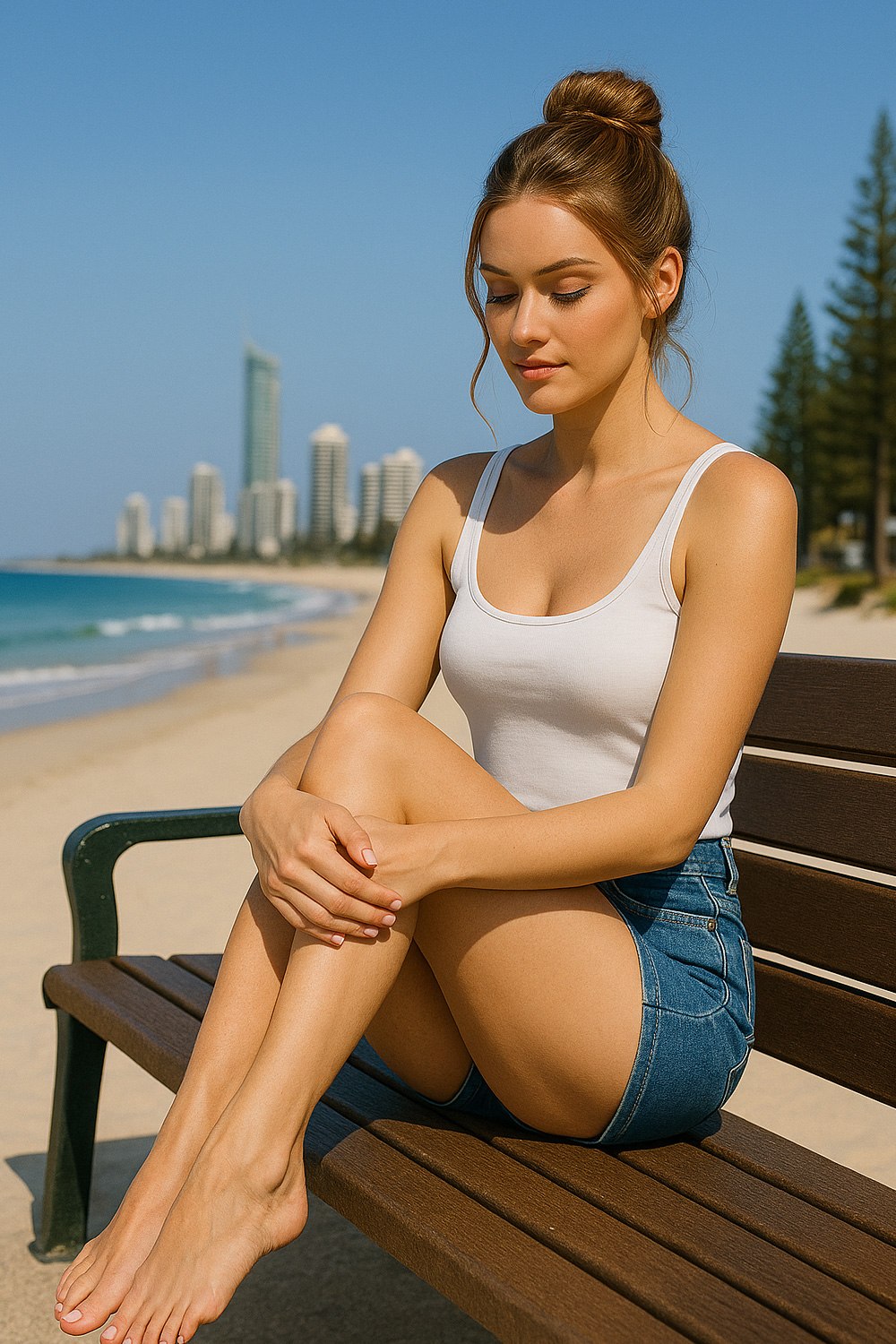
In communities where barefoot living is normal, like on the Gold Coast, feet are well maintained because they are in constant use. Soles toughen naturally, the skin remains healthy, and the overall appearance stays presentable. People who spend their lives barefoot or frequently barefoot take care of their feet the way others might care for their hands. Cleanliness, hydration and light pedicuring become normal parts of daily life. Feet are neither hidden nor neglected. They're strong, capable and respected for their function.
When tourists from enclosed-shoe cultures arrive and see these well kept, conditioned, lightly tanned feet moving across warm paths with confidence, the contrast can be striking. What they perceive as unusual is not the act itself but the gap between their own experience of feet and the locals' experience. The unfamiliarity sits less in the bare sole on concrete and more in the silent comparison happening in their mind.
The Mental Model Tourists Bring With Them
People tend to interpret unfamiliar behaviours through the lens of where they grew up. Someone from a cold or urban city may see a barefoot adult and instinctively feel that something is off, not because anything is wrong but because they never saw this growing up. Being barefoot in public may have been limited to childhood beaches or school sports. The idea of adult barefoot movement simply doesn't appear in their memory, so it feels unusual by default.
Others react with concern, imagining sharp surfaces or hidden hazards because their environment at home wouldn't be safe for bare soles. They assume that comfort requires cushioning, forgetting that a conditioned foot is far tougher than a foot wrapped in fabric every day.
The Myth of Barefoot Hygiene
One of the strongest assumptions many tourists carry is that going barefoot everywhere must be less hygienic than wearing shoes. It is an idea so deeply embedded in modern culture that it feels like common sense, yet it is largely a product of advertising, indoor-only lifestyles and long-standing shoe marketing rather than anything rooted in how the body actually behaves.

Bare feet are, in practice, remarkably self-regulating. Skin is designed to cope with outdoor environments. Soles thicken, toughen and strengthen in response to contact, creating a natural protective layer that doesn't trap sweat, moisture or bacteria the way enclosed footwear does. A conditioned foot exposed to air and sunlight throughout the day stays far drier and cleaner than one held inside a shoe. Warm, enclosed interiors are the true breeding ground for odour and microbial build-up. When feet live in open air, the skin is continuously ventilated, light is able to reach the surface and moisture evaporates almost immediately. What people assume is “dirty” is usually just a misunderstanding shaped by unfamiliarity.
The surfaces people worry about also behave differently than imagined. Hardscapes such as footpaths, timber decks and driveways are not reservoirs of lingering biological matter. They are exposed to heat, UV light, rain and airflow, all of which break down contaminants quickly. The sole makes brief, momentary contact before continuing forward, and a healthy skin barrier is more than capable of handling that exposure. In practice, a barefoot step picks up less retained moisture and less microbial residue than the inside of a typical sneaker at the end of a long day.
Modern hygiene science also fails to support tourists' anxieties. Many of the illnesses people imagine lurking on outdoor surfaces simply do not exist in this region, and the few that do are not transmitted through casual ground contact. Local footpaths, parks, decks and beachfront promenades are extremely well maintained, regularly cleaned and constantly exposed to sun, heat and airflow. These forces break down organic matter far faster than people expect. When paired with a healthy skin barrier, the actual risk profile is vanishingly small, and the scientific evidence aligns far more closely with the lived experience of residents than with the assumptions brought in by newcomers.
Tourists who are concerned about hygiene often come from regions where being barefoot outdoors is rare, which means feet in those environments are usually soft, enclosed, moist and seldom maintained. When someone with that background imagines going barefoot, they unconsciously picture their own feet, not the clean, conditioned, well groomed feet of people who live this way daily. It is not the ground that feels unhygienic to them but the idea of exposing a part of the body they're used to hiding. In places where barefoot living is normal, feet are kept clean, nails tended, skin healthy and the entire foot cared for as an active, visible part of everyday life. Hygiene is not hindered by going barefoot; it is improved by it.
Once visitors see this up close, their perceptions shift. They notice that locals' feet are not dirty at all but lightly dusted at most, and often cleaner than the inside of a shoe. They see that the practice is not careless or risky, and that the environment itself supports it. At some point, the assumption that bare equals unhygienic simply stops making sense. The reality becomes clear: hygiene is not about covering the foot. It is about how the foot is used, cared for and allowed to function in the environment it was designed for.
Barefoot living, far from being unclean, is one of the simplest, most naturally hygienic ways to move through the world. It is only the modern shoe culture that makes it seem otherwise.
A Slow Shift in Understanding
The longer tourists stay, the more these assumptions soften. They see locals walking fluidly, reading the surfaces beneath them with an ease that only comes from exposure. They notice how footpaths and beaches blend seamlessly into daily life, each offering variations in warmth and texture that locals understand without thinking. The sight becomes less surprising and more logical. Barefoot movement no longer appears rebellious. It simply looks comfortable, practical and woven into the fabric of the place.
A Cultural Story, Not a Biological One
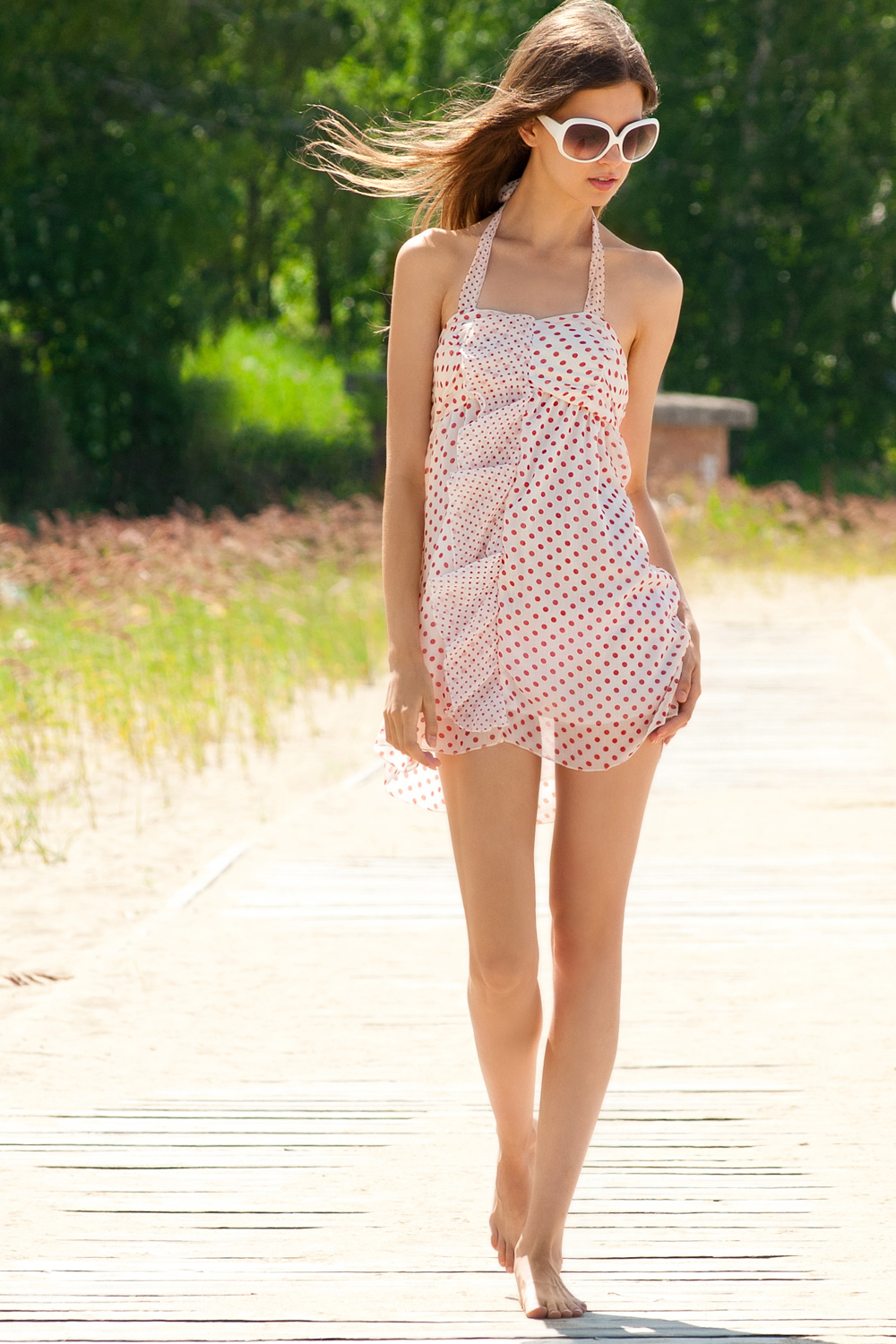
In the end, the reason some tourists find widespread barefoot living unusual has nothing to do with biology or safety. It is a cultural story shaped by industry, advertising, climate and habit. A person raised in a barefoot-friendly environment sees nothing remarkable in stepping outside without shoes. A person raised in a shoe-centric environment sees something worthy of pause because their own feet were never prepared for such freedom.
The moment those two worlds meet, each reveals something about how we understand our bodies. One treats the foot as a partner in daily life. The other treats it as something to protect or hide. Neither viewpoint is right or wrong, but the contrast explains why barefoot living can feel so unfamiliar to newcomers and so completely natural to those who have grown up with it.
Over time, as tourists watch locals move with ease and confidence, the unfamiliarity fades. What once looked unusual becomes simply another expression of comfort, climate and culture. And sometimes, as the ground warms beneath their own steps, visitors find themselves loosening old habits, slipping off their shoes and discovering that being barefoot outdoors was never strange at all.
You might also like





Disclaimer: Every effort has been made to ensure the accuracy of the information provided, but we make no guarantees regarding its completeness or reliability. The data is presented for general informational purposes only and does not constitute financial, investment, or legal advice. We are not liable for any errors, omissions, or consequences arising from its use. Users should verify details with relevant sources and seek professional advice where appropriate for the most accurate and up-to-date guidance.