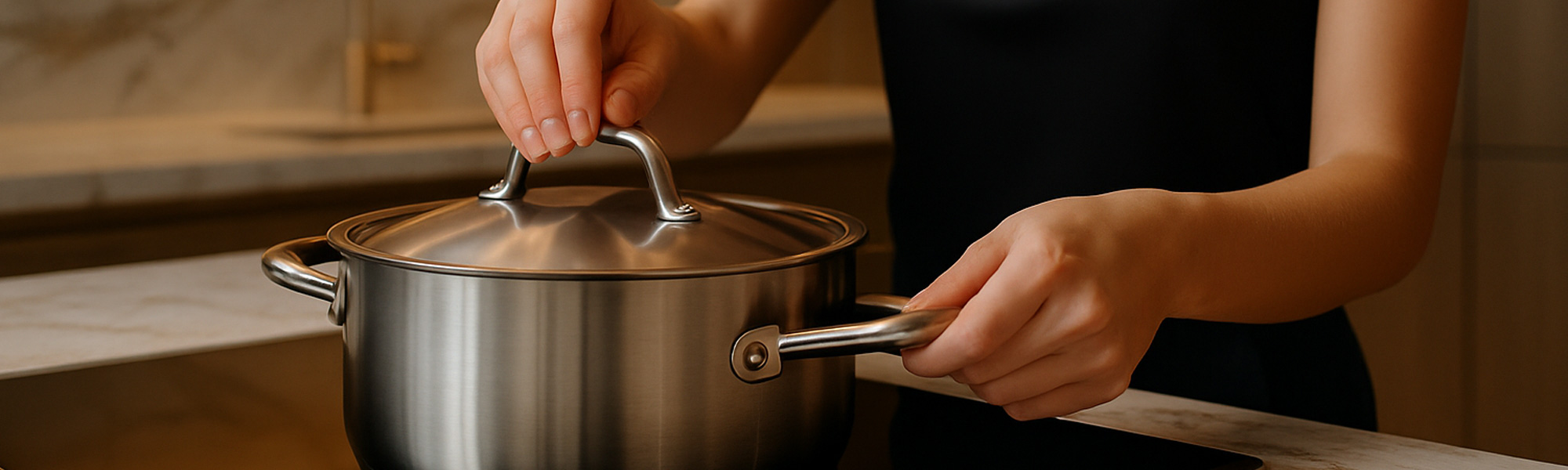
Cooking smells can be comforting when a meal is underway, but far less appealing once the pots have cooled and the kitchen has quietened. Certain dishes cling to the air long after serving, drifting into bedrooms, attaching themselves to fabrics and leaving a heaviness that seems to settle over the entire home. Reducing cooking smells isn't about avoiding flavour or limiting creativity in the kitchen. It's about understanding how heat, air and surfaces behave, and using that knowledge to guide your home back to its clean, open freshness after every meal.
Understanding Why Cooking Smells Linger
Most lingering smells form in the first few minutes of cooking, when oils and moisture lift from the pan and spread through the air as vapour. The hotter the pan, the more quickly this vapour rises, and the more likely it is to drift beyond the kitchen unless it has somewhere to escape. Many homes, especially open-plan layouts common on the Gold Coast, allow scents to travel freely through hallways and into soft furnishings. Once airborne oils land on surfaces or fabrics, they release scent slowly for hours. The key to controlling smells begins with intercepting that early plume of vapour before it spreads.
Managing Heat at the Source
Strong fragrances often come from high-heat cooking. Searing meat, shallow frying, wok cooking and heavy garlic or spice blends all produce vapour rich with oils. Before switching on the stove, it helps to think about the heat level you truly need. Most households cook hotter than required, especially for everyday meals. Lowering the heat just slightly often reduces scent dramatically without changing the flavour or the result. When high heat is unavoidable, it becomes even more important to manage airflow so that the early burst of vapour is drawn away instead of dispersing through the home.
Using Ventilation Properly
Rangehoods are most effective when turned on before the pan heats up. Many people wait until the smell appears, but by then the vapour has already escaped. Running the fan early creates an upward pull that captures scent at the moment it forms. Leaving the fan running for several minutes after finishing helps clear any remaining moisture and oils.
If your rangehood recirculates rather than vents outside, regular filter cleaning is crucial. A saturated filter becomes a source of smell instead of a solution, releasing a stale scent every time the fan runs. A clean filter, even in a recirculating system, catches far more airborne particles and stops them dispersing into the rest of the home.
In homes with large sliding doors or windows, brief natural ventilation is often more effective than people expect. A small opening on the windward side and a second opening opposite it creates a gentle cross-flow that clears dining and living spaces quickly. Coastal homes benefit from this especially, with light afternoon breezes restoring freshness far faster than mechanical fans alone.
Keeping Surfaces from Becoming Scent Reservoirs
Benchtops, splashbacks and cooktops gather microscopic layers of oil every time a meal is prepared. When these layers build, they heat up during the next cooking session and release old smells back into the air. A quick wipe while surfaces are still warm prevents this buildup and keeps the kitchen neutral. Timber, stone and stainless finishes respond particularly well to warm cleaning rather than cold.
Cookware contributes too. Oven trays, air fryer baskets and microwave interiors trap previous scents and re-release them the moment they heat. A thorough clean every few uses keeps these appliances from becoming their own source of odour.
Even fridges influence the overall scent of a home. Strong foods stored uncovered or spills left uncleaned spread a faint but persistent smell each time the door opens. Something as simple as sealing containers properly and checking shelves for drips ensures the cold air stays neutral.
Understanding How Fabrics Hold and Release Smell
Cooking smells cling to fabric more than any other material. Curtains, lounge cushions, hanging towels and fabric dining chairs all collect airborne oils and release them slowly. In open-plan homes this effect is magnified, because the boundaries between kitchen and living spaces are minimal. Regular washing or airing prevents fabrics from becoming long-term carriers of cooking scent.
Sunlight is particularly effective. Fabrics warmed gently outdoors release trapped smells quickly, especially in the dry coastal air. Even an hour in the sun can refresh cushions or throws that would otherwise hold scent for days.
Controlling How Air Moves Through the Home
Air behaves in predictable ways around cooking. Warm air rises and spreads outward until it reaches cooler areas, often drifting into hallways and bedrooms. Closing certain doors before cooking can contain smells to the main living zone. After finishing, allowing the broader home to breathe for a few minutes helps the remaining air cycle out rather than settle.
Air conditioners also play a role. Running cooling shortly after cooking can trap smells inside the system if filters are dusty. Cleaning filters regularly prevents that re-release of scent when the unit next switches on.
Timing and Technique in Everyday Cooking
Some meals naturally produce stronger smells, and knowing when to prepare them can make life easier. Frying fish just before showering and airing the home, roasting garlic when doors can stay open a little longer, or planning pungent dishes earlier in the evening all reduce the chance of smells lingering overnight.
Small technique shifts matter too. Covering pans where possible traps vapour inside rather than allowing it to drift out. Adding ingredients in stages reduces the sudden release of scent that happens when cold items hit very hot oil. Even something as simple as drying ingredients thoroughly before cooking helps prevent the splatter that turns into airborne particles.
Building a Home Environment That Stays Fresher
A home that handles cooking smells well is one where air circulates freely, surfaces stay clean and fabrics don't accumulate scent. These habits work together. Consistent ventilation keeps vapour from settling. Quick surface cleaning stops oils from reheating later. Fresh fabrics prevent long-term scent-holding. When practiced together, they allow you to enjoy strong flavours in the kitchen without the home feeling heavy or stale afterward.
Cooking should feel open, inviting and full of pleasure. With the right habits, your home returns to that calm, fresh state quickly, ready for the next meal without any trace of the last.
You might also like






Disclaimer: Every effort has been made to ensure the accuracy of the information provided, but we make no guarantees regarding its completeness or reliability. The data is presented for general informational purposes only and does not constitute financial, investment, or legal advice. We are not liable for any errors, omissions, or consequences arising from its use. Users should verify details with relevant sources and seek professional advice where appropriate for the most accurate and up-to-date guidance.