
Family Chores
Family Chores Series
The Family Chores Series helps parents encourage their teenagers to take part in everyday household life - turning reminders into rhythm and chores into shared habits. Each guide focuses on simple, practical jobs that build independence, confidence and pride in doing things well, whether it's recycling properly, managing dishes, or keeping shared spaces tidy.

It's one of those small milestones every parent notices - when a teenager steps in and simply does what needs to be done, as any young adult should.
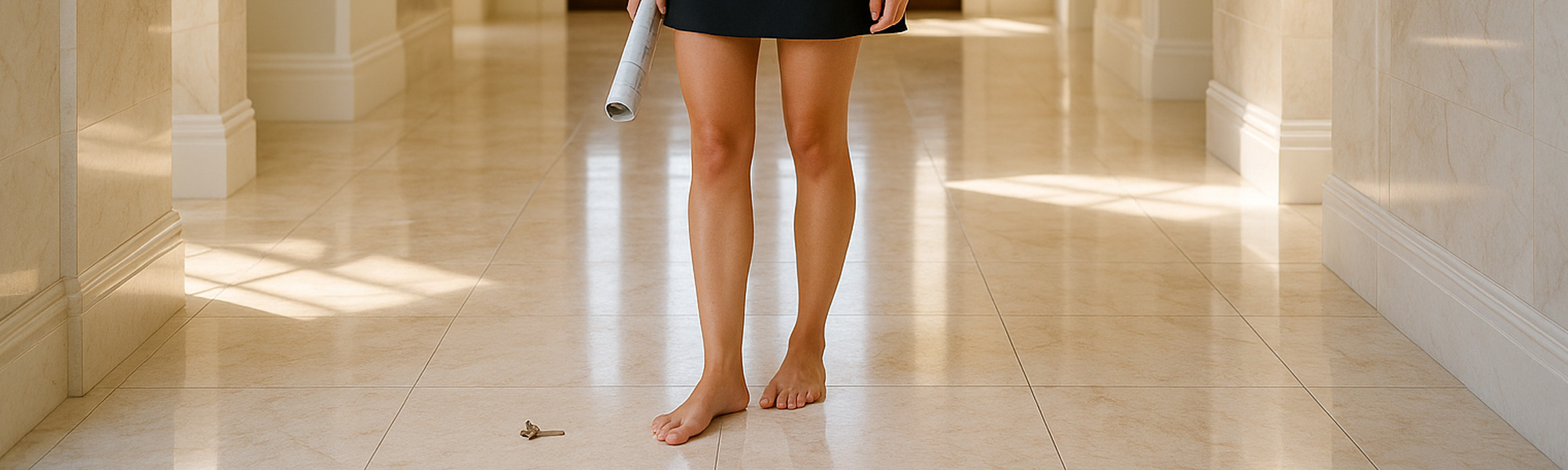
A moth flutters through the dining room. A teenage girl sees it, rolls up a magazine, and swats it down onto the floor. She walks over to where it's lying, gently places the ball of her foot on it, and presses, ending it quickly and humanely. In an instant it's over, and the house feels settled again - a quiet bit of care that keeps the house hygienic and comfortable.
Every Gold Coast home, no matter how well sealed, has its moments - a beetle slipping under the door, a line of ants across the counter, a cockroach darting across the tiles. Parents usually handle it without a thought: a tissue, a foot, and it's gone. But teenagers growing up here need to learn that same calm confidence.
Teaching them to deal with insects themselves isn't about toughness - it's about composure and practicality. In a warm, open climate, pests are simply part of life. The skill lies in ending them quickly, cleanly, and without fuss. Once learned, it becomes second nature - no shrieking, no sprays, no drama.
Teenagers Handle Insects Better Than Parents Think
Most parents assume teens will panic or avoid the moment, but teenagers are often far calmer, quicker and more capable than expected. And once they find their rhythm, their confidence builds fast. These quick facts show how differently boys and girls approach the same task - and why they often surprise the whole household.
- Around 75% of teenage girls dislike killing insects - mostly because of empathy, unpredictability, and the idea of ending a small creature's life, but the hesitation disappears the moment they decide it's necessary.
- Girls tend to spray more, boys tend to step more - girls prefer distance and control, while boys favour quick, direct floor-level action.
- Girls are far more deliberate when using their feet - they move slower, press more carefully, and prioritise balance and composure rather than speed or force.
Calm Comes First
Composure is the foundation. Panic only makes things worse. When a cockroach scuttles out or a moth flutters through the room, staying still for a moment helps them see what's actually happening. Every movement after that should be deliberate, not a flinch or a jump.
Lead by example. The next time you spot something, handle it quietly and smoothly. Reach for a tissue or paper towel, place it over the insect, and end it firmly with your foot. The message is simple: control begins with calm. Once they see it's just another small household task, it stops feeling dramatic.
The Right Way to End It
Every insect that enters the house should be dealt with immediately - either ended on the spot or taken outside and finished there. Leaving them alive only invites more.

Teach teenagers how to do it humanely. Sometimes a light press is all that's needed to guarantee a quick finish. A beetle might need a tissue placed over it, then a heel pressed down with full body weight and a small rock back and forth to break the shell cleanly. A moth can be swatted down and ended with a press and gentle drag across the floor using a big toe. For ants, a quick tissue wipe is enough.
Explain that this isn't cruelty - it's efficiency. Sprays linger in the air and on floors where bare feet walk. The human foot is one of the most effective, controlled tools we have. The soft yet tough sole applies immediate pressure; the insect feels warmth, pressure, and then nothing. It's probably the most humane and certainly the gentlest way they can go.
Acknowledging this helps teenagers face what's uncomfortable - understanding that ending a life, even a small one, can still be done with care and steadiness.
Routine, Not Drama
Fold the task into ordinary home life. Just as they take out the bins, handling insects is part of keeping a Queensland home clean and healthy. A quick look around corners, under benches, or near pet bowls once a week helps stop small infestations before they start.
Encourage quiet confidence. No yelling across the house, no “Mum!” from another room - just a tissue, a step, and it's done. When teenagers begin to see insects as a routine household task instead of an emergency, the whole rhythm of home life becomes calmer.
Hygiene Afterward
Once it's done, there's a simple finish: collect the insect with a tissue or dustpan, bin it, and wipe the area with disinfectant. If barefoot, a quick rinse keeps things clean. This small closing ritual matters. It teaches completeness - that a job isn't done halfway. The insect's gone, the space is clean again, and order is restored.
Responsibility Without Fuss
Parents naturally want to protect, but capability only grows through practice. The next time something appears, hand them the tissue and say, "You've got this one." Most will surprise themselves with how easily they manage it.
If they joke or make a show of it, stay neutral. The lesson isn't about bravery or disgust - it's about quiet control. The insect dies quickly, the space stays clean, and life continues.
Handling Garden Pests
Not every unwanted pest shows up inside. Out in the garden, teens will come across snails, slugs, and the occasional locust. These need the same calm, direct approach — quick, contained, and chemical-free.
Show them how to catch them in a bag, then tread them before disposal. The bag and contents can go straight into the general waste bin. Point out that they're responsible for the insect, and leaving it uncrushed to die slowly in the bin isn't mercy - it's neglect. Ending it first is the only truly humane way to dispose of it.
Taking Pests Outside
Sometimes a bug is better dealt with outdoors - especially larger ones like beetles, grasshoppers, or spiders that wander in from the garden. Teenagers should still finish the task properly once they've taken it out.
Keep a small container set aside for pest collection - an old takeaway tub or clear jar that everyone knows is just for that purpose. Slip it over the insect, slide a piece of card or paper underneath, and carry it calmly outside.
A release should always include an end. Place the container on firm ground, remove the cover, and finish the job with a quick spray or a firm press from the heel or ball of the foot. If it's a spider, briefly slip into a pair of thongs to protect your soles for that quick step - the same calm, controlled pressure applies. It's not about harm for its own sake - it's about finality. Releasing a live pest usually just sends it back through another doorway. Ending it outdoors keeps the home clean, the act contained, and the conscience clear.
The Bigger Picture
Learning to handle insects is a quiet milestone in self-reliance. Teenagers who can take care of uncomfortable little tasks without calling for help grow into adults who stay composed when life gets messy. When they move out one day, they won't freeze at a cockroach or reach for chemicals - they'll just handle it.
It's not about toughness. It's about being calm, capable, and confident - qualities that make any Gold Coast home easier to live in.
You might also like




Disclaimer: Every effort has been made to ensure the accuracy of the information provided, but we make no guarantees regarding its completeness or reliability. The data is presented for general informational purposes only and does not constitute financial, investment, or legal advice. We are not liable for any errors, omissions, or consequences arising from its use. Users should verify details with relevant sources and seek professional advice where appropriate for the most accurate and up-to-date guidance.