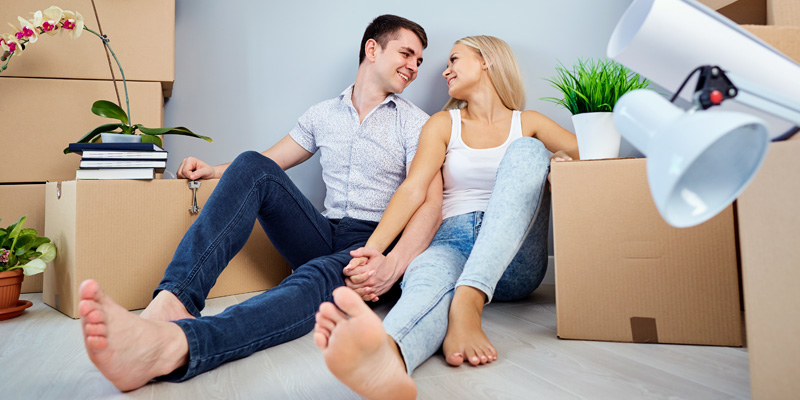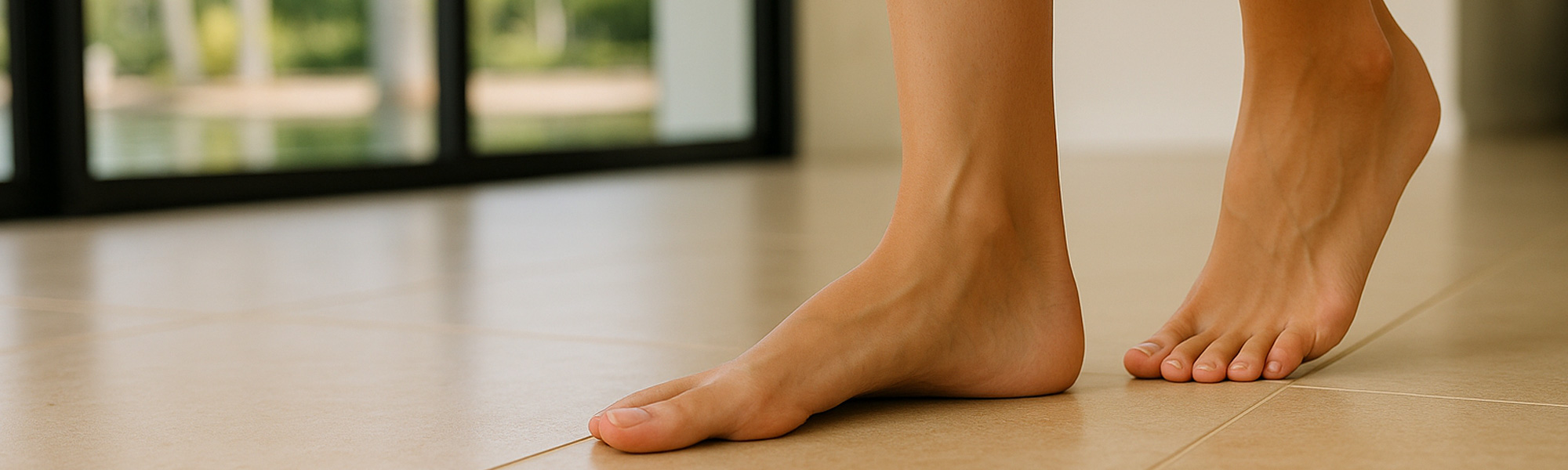
There's a certain moment that defines life in Queensland. It's when you realise your shoes aren't just off - they were never really needed in the first place. The tiles are cool, the air moves softly, and the day slips by without a thought for footwear. You might leave the house barefoot in the morning, drive barefoot, stop by a neighbour's place, and head back home the same way - light, unhurried, and connected to the world beneath you.
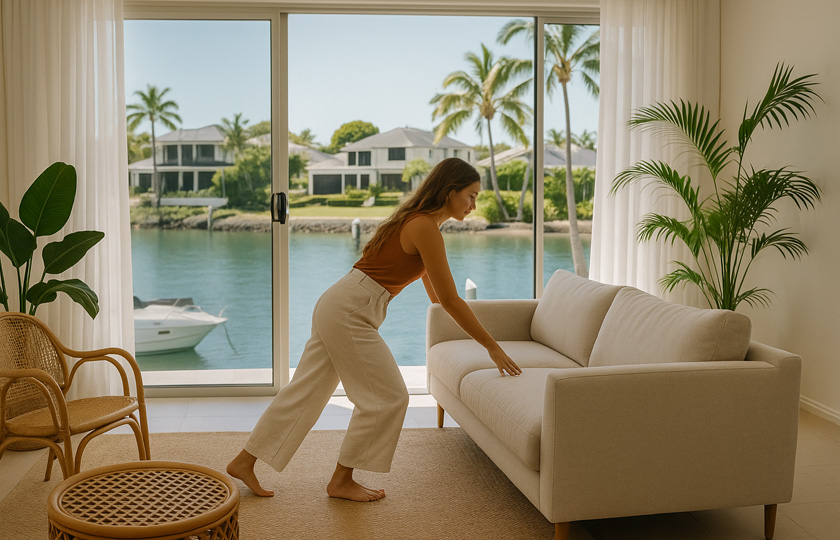
Here, the climate makes it easy. The ground stays warm, the floors stay clean, and life moves comfortably between inside and out. The world outside doesn't stop at the door; it flows through it. Inside, the light softens, the air slows, and the house feels ready to be lived in - barefoot.
It's not a rule. It's a culture. A shorthand for the way Queenslanders live - relaxed, open, sunlit, and deeply at ease in their own homes. Barefoot living on the Gold Coast isn't a decision; it's simply what happens when you live somewhere that feels good underfoot. It's comfort, connection, and climate all working together.
Climate Meets Comfort
The barefoot habit starts with the weather. Our homes are built for climate and airflow, not closed windows and carpet. Breezeways, wide doors, open plans - every line of design invites air and movement.
Tiles and polished concrete stay cool even in the height of summer. Timber decks are shaded and smooth, bridging the space between house and garden. There's no snow, no mud, no grit to trap - just the easy movement between indoors and out that defines Queensland life.
A Queensland home doesn't separate inside and out - it blends them. And the moment you feel that first cool floor underfoot, you understand why shoes never really made sense here.
The Psychology of Barefoot Living
There's something subtle that happens when the shoes come off - or never go on. People soften. Conversation slows. The energy in the house shifts. Guests relax, children drift in and out, and even the pets seem calmer.
Barefoot living signals that this is your space - not a showroom, not a workplace, not a place to hurry through. You're allowed to feel the home, literally. Each surface tells a story: the smooth step down to the patio, the warmth of timber near a sunny window, the quiet chill of stone after rain.
And for all its practicality, it's emotional too. Walking barefoot is grounding - it reconnects you to the floor, to posture, to calm. It's part of why homes here feel like sanctuaries rather than just shelters. The absence of shoes becomes an unspoken invitation: slow down; you're home now.
A Culture of Clean
Barefoot living works here because our homes are designed for it. Entryways are tiled, thresholds are flush, and dust is a rarity compared to colder, busier cities.
Outdoor mats catch the leaves and sand. Smooth paths and wide eaves keep mud from ever reaching the door. Light materials and cross-ventilation mean homes dry quickly after summer rain - nothing lingers long enough to cling to your feet.
This is part of the Queensland genius: our lifestyle choices don't have to fight the climate, they flow with it. Even in luxury homes, the design philosophy is simple - materials that clean easily, surfaces that stay fresh, spaces that welcome touch.
For international visitors, it's a small cultural shock - until they feel it. Then it becomes obvious: the barefoot home is cleaner, calmer, and more connected.
Barefoot Design - Materials That Welcome It
Not all floors feel the same when you live without shoes. A barefoot home pays attention to texture.
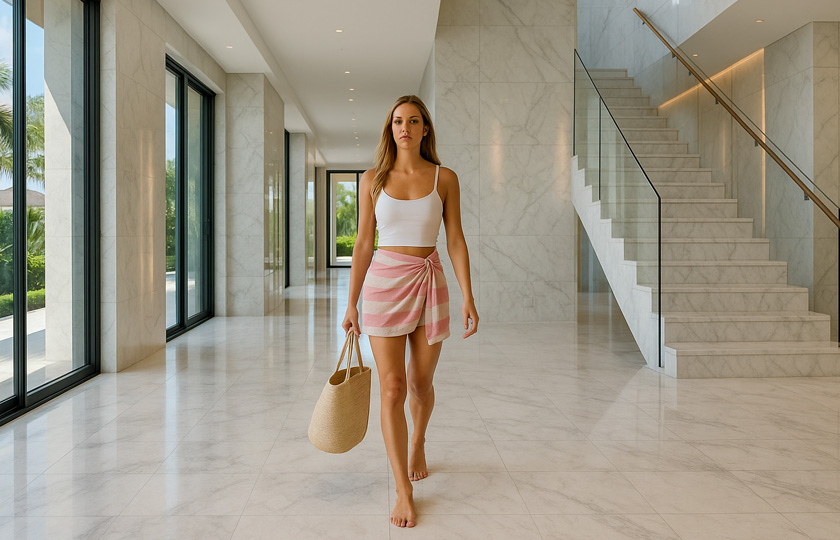
Cool ceramic tiles hold the day's shade; stone and concrete feel timeless, steady. Timber boards bring warmth to mornings, softening footsteps in a way no rug could match. Outside, sealed pavers and smooth decking carry you seamlessly to the garden.
Even the transitions are designed for comfort - no sharp joins, no rough grout lines, no clutter near thresholds. A barefoot home rewards simplicity. It's the kind of environment where a dropped cushion, a sleeping dog, and a cup of tea on the step all make perfect sense.
Good design here isn't about luxury - it's about livability. A house that feels good to walk through, in every sense.
The Social Rhythm of Bare Feet
In Queensland, being barefoot isn't a gesture - it's just how people live. You'll see it at barbecues, at the local park, at the shops, or standing on a friend's deck with a drink in hand. It's less about rules and more about rhythm - the casual, confident ease of a place where comfort comes before ceremony.
People come and go without thinking about it, and nobody minds. Even at gatherings, shoes are often forgotten entirely - kids dart across lawns, adults lean on balustrades, and the evening hums with the soft quiet of bare steps on timber.
Barefoot living isn't about manners; it's about climate, comfort, and belonging. It's one of those invisible threads that tie Queenslanders together - a shared understanding that home, wherever you are, should feel as natural as the ground beneath your feet.
Living Barefoot - Making It Work at Home
Barefoot living feels effortless, but it only works beautifully when a home is designed - or adapted - to welcome it. The best barefoot homes are quietly practical, built around materials, textures, and flows that keep comfort constant and cleaning simple.
Surfaces That Feel Good
The surface underfoot is everything. Cool tiles, sealed concrete, or smooth timber boards are the classics for Queensland homes - durable, low-maintenance, and kind to the feet. Avoid rough grout lines or unfinished pavers that trap dust or scratch. If you use rugs, choose natural fibres like jute or sisal that breathe and suit the climate.
Connected Levels and Thresholds
Nothing breaks the barefoot rhythm faster than a lip or step where there doesn't need to be one. Keep thresholds flush between indoor and outdoor areas, especially around sliding or stacker doors. This makes movement seamless - from tiles to deck, from deck to garden - and it's safer for kids too.
Breezes Over Air-Con
Barefoot living isn't just about the floor; it's about the feeling of air moving freely through the home. Use cross-ventilation and ceiling fans before resorting to air conditioning. It keeps floors cool naturally and avoids that dry, artificial chill that works against the climate.
Keep It Clean, Not Fussy
Smooth surfaces are easy to live with if they're kept clear. A quick sweep or vacuum once a week, a damp mop when needed - that's usually all it takes. Outdoor mats at key doorways catch leaves and dust before they travel inside, and regular open-air drying keeps everything fresh after summer rain.
Small Comforts, Big Difference
Add moments of softness where you pause - a woven rug by the kitchen island, a mat beside the bed, or a timber runner down a hallway. These touches make barefoot living feel luxurious, not sparse. The goal isn't a minimalist home - it's a comfortable one that supports how you really live.
Lighting and Shade
Natural light enhances the feeling of barefoot ease. Open blinds, use sheer curtains, and embrace shaded outdoor zones where you can step out without squinting. Shade keeps outdoor tiles and decking cool enough for afternoon walks, even in mid-summer.
Why It Feels Different
To live barefoot is to be reminded of where you are - the climate, the comfort, the light, the ease. It's both practical and poetic.
It's in the sound of your steps across the hallway tiles. The feel of clean concrete underfoot after rain. The small, daily gratitude of knowing your house is built for living, not performing.
The barefoot home is more than a habit. It's a reflection of a place that's warm, clean, and relaxed enough to let you feel it fully. It's Queensland's quiet luxury - a way of life that starts at the ground and works its way up.
You might also like
Disclaimer: Every effort has been made to ensure the accuracy of the information provided, but we make no guarantees regarding its completeness or reliability. The data is presented for general informational purposes only and does not constitute financial, investment, or legal advice. We are not liable for any errors, omissions, or consequences arising from its use. Users should verify details with relevant sources and seek professional advice where appropriate for the most accurate and up-to-date guidance.