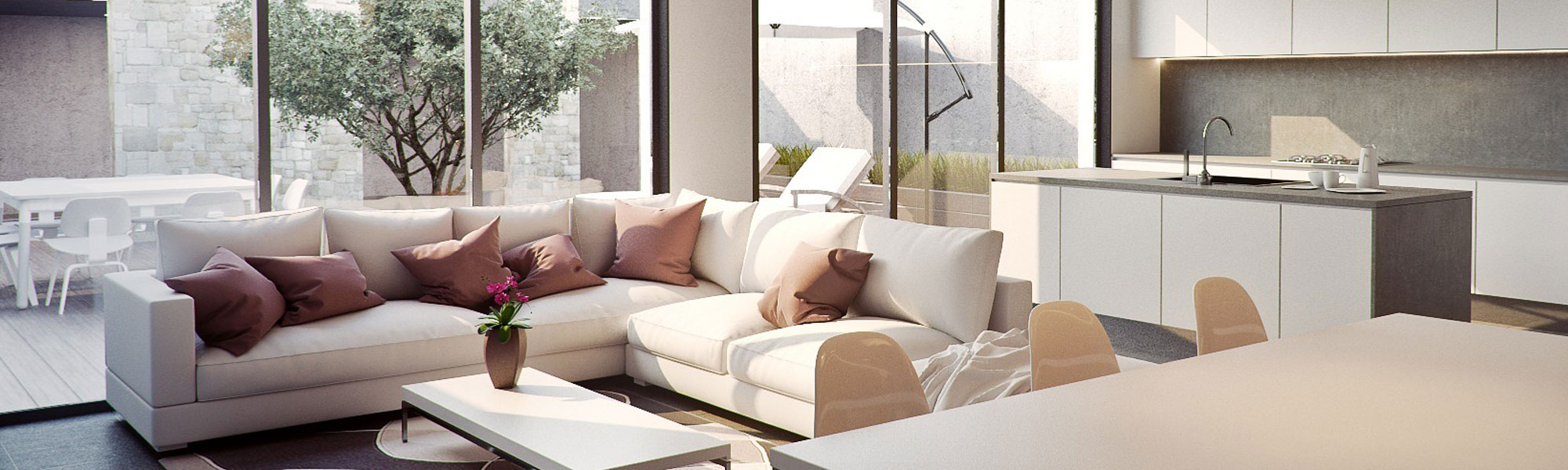
Designing or renovating a home in a subtropical climate like the Gold Coast is about more than comfort - it's about creating a house that works with the environment rather than against it. With hot, humid summers, mild winters, and plenty of sunshine, the right design choices can dramatically reduce energy bills, improve liveability, and add long-term value.
Why Subtropical-Specific Design Matters
The Gold Coast climate brings humid summers, mild dry winters, and strong coastal breezes. Homes that borrow ideas from temperate or desert regions often struggle here. Designing specifically for a subtropical setting means focusing on cooling, airflow, shading and moisture management, while recognising that heating is rarely a major concern.
Orientation: Getting the Basics Right
Orientation is the foundation of energy efficiency. A home that faces the right way will need far less mechanical heating and cooling. On the Gold Coast, the best approach is to orient living areas towards the north so you can enjoy winter sun but avoid the worst of the summer heat. East and west windows should be kept small or shaded, as the low morning and afternoon sun can be very intense. Verandas, eaves and screens become vital tools in this climate, blocking summer rays while still letting in winter warmth. At the same time, window and door openings should be positioned to line up with prevailing breezes, usually from the southeast, to make natural cooling effortless.
Natural Ventilation and Passive Cooling
Good design in a subtropical climate embraces breezes. Cross-ventilation, where air flows freely from one side of the house to the other, keeps interiors fresh. High ceilings help warm air rise above the living zone, while louvre windows make it easy to adjust airflow throughout the day. Ceiling fans remain one of the simplest and most effective tools, making a room feel several degrees cooler at very little energy cost. In more advanced designs, clerestory windows or roof vents can be used to draw hot air upwards and out, keeping interiors naturally comfortable.
Shading and Sun Control
Keeping the sun off walls, windows and roofs reduces the need for artificial cooling. Wide eaves and generous overhangs provide seasonal protection - they block the high summer sun while letting in the lower winter light. Pergolas draped in climbers create living shade that cools the air, and when those plants are deciduous, they allow sunlight through in winter. External shutters and blinds stop heat before it enters the home, which is always more effective than curtains inside. Well-placed trees add another layer of protection, casting shade across roofs, decks and western walls where it matters most.
Insulation and Thermal Comfort
It's a common myth that insulation is only important in cold climates. In reality, a properly insulated subtropical home is far cooler in summer. Roof insulation, reflective foil under roofing, and insulated wall cavities work together to making a significant difference to stopping heat gain. Light-coloured roofing and exterior finishes reflect sunlight rather than absorbing it, keeping interiors comfortable. When it comes to thermal mass, balance is key: enough to smooth out daily temperature swings, but not so much that heat is held overnight.
Choosing the Right Materials
Subtropical homes benefit from materials that are durable, breathable, and responsive to heat. Lightweight cladding such as weatherboard or fibre cement tends to cool quickly at night. Timber and bamboo are renewable and naturally suited to the coastal aesthetic. Concrete slabs can work well when shaded and insulated, but too much exposed masonry can radiate unwanted heat. For roofing, pale-coloured Colorbond or similar steel is often more effective than dark tiles, which hold onto warmth.
Windows and Glazing
Windows are both a blessing and a weakness in subtropical design. The goal is to enjoy natural light while limiting unwanted heat. Double glazing is valuable not only for insulation but also for reducing traffic and neighbourhood noise. Low-e or tinted glass cuts glare and solar gain. Placement matters too: prioritise north and south orientations and minimise east and west. Above all, shade windows from the outside with awnings, shutters or screens, which provide far greater protection than interior curtains.
Using Landscaping as Climate Control
A well-designed garden does more than look attractive - it becomes part of the home's cooling system. Shade trees planted along the western and northern boundaries block summer sun, while deciduous trees or vines allow winter light to filter through. Green walls and pergolas create cool microclimates around outdoor living spaces. Rain gardens and permeable paving help soak up heavy summer downpours while reducing reflected heat. Even hedges can be used strategically, filtering strong winds during storm season without cutting off the breezes that make the Gold Coast so liveable.
Water Management for Heavy Rains
The subtropical storm season means homes must deal with heavy rainfall. Rainwater tanks are an obvious solution, providing water for irrigation while reducing stormwater runoff. Swales, soakaways and permeable driveways prevent flooding and erosion. Greywater systems make it possible to reuse laundry or bathroom water in the garden, lowering overall consumption. Thoughtful water management is as much about resilience as efficiency.
Harnessing Renewable Energy
With more than 300 sunny days a year, the Gold Coast is a prime location to use solar panels. Photovoltaic panels paired with battery storage can make a home largely energy independent. Solar hot water is a proven way to reduce electricity bills in this climate. Combining solar with energy-efficient appliances and a good orientation gives the best results.
Smart Home Technology
Technology enhances passive design rather than replacing it. Automated shutters can be designed and set up to close when the sun is at its hottest, while smart thermostats help ensure air conditioning is only used where and when it's really needed. Energy-monitoring apps make consumption visible, helping households stay aware of patterns and savings. LED lighting has become standard, reducing both heat and electricity use compared with old halogen fittings.
Retrofitting Existing Homes
Not every home is built new, but older houses can still be transformed. Ceiling fans, upgraded insulation, and reflective roofing can make a huge difference. Planting shade trees, adding rainwater tanks, or fitting window awnings are all affordable retrofits. Even something as simple as swapping dark exterior paint for a lighter shade can reduce internal temperatures.
Working with Professionals
Getting the design right is much easier with the right expertise. Architects and building designers familiar with subtropical passive solar principles can tailor solutions to your site. Builders should understand sustainable materials and moisture-resistant detailing. Checking for professionals with experience in energy ratings or membership of sustainable design bodies gives peace of mind.
Cost vs. Value
Energy-efficient homes often cost more to build upfront, but the long-term benefits outweigh the initial spend. Lower running costs, higher resale values, and improved comfort make the investment worthwhile. In a region increasingly shaped by sustainability expectations, efficient homes also stand out in the market.
Designing for the subtropical Gold Coast is about working with the climate. Orientation, ventilation and shading form the backbone of energy-efficient design. Materials, landscaping, and technology refine performance. Whether you're building new or retrofitting an existing house, the result is the same: a home that is cooler, more comfortable, cheaper to run, and better for the environment.
You might also like



Disclaimer: Every effort has been made to ensure the accuracy of the information provided, but we make no guarantees regarding its completeness or reliability. The data is presented for general informational purposes only and does not constitute financial, investment, or legal advice. We are not liable for any errors, omissions, or consequences arising from its use. Users should verify details with relevant sources and seek professional advice where appropriate for the most accurate and up-to-date guidance.