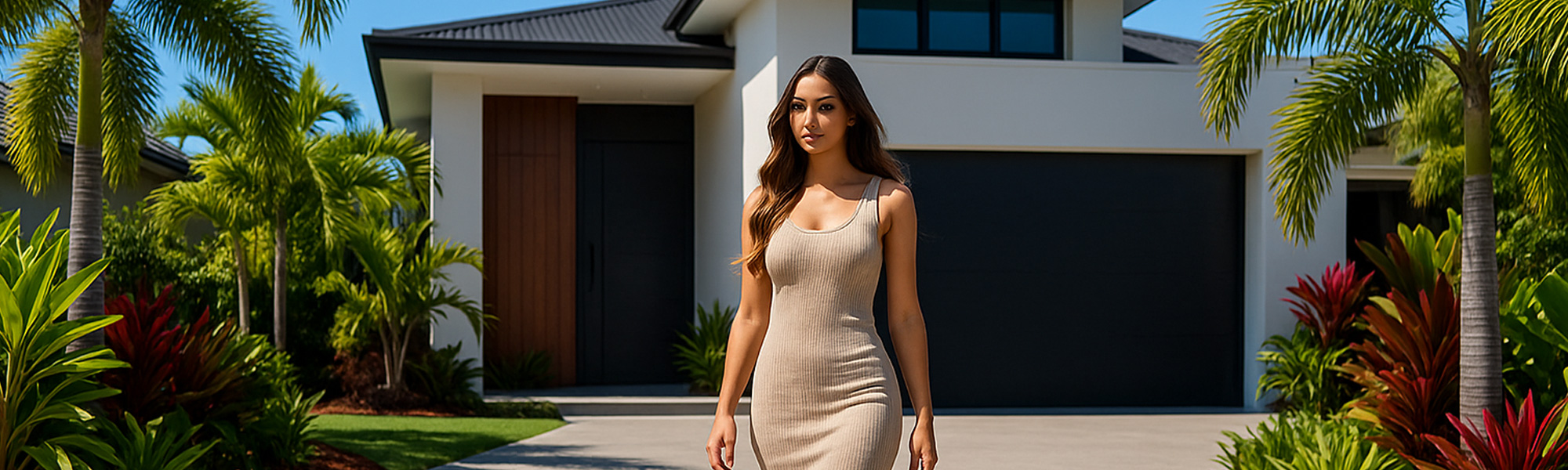
A driveway has always been more than a route between the street and the garage. On the Gold Coast it often becomes an extension of daily life, a space where people walk out to the bins, unload groceries, rinse off beach gear, chalk the ground for kids' games or simply step outside for a moment of sun. The surface you choose influences aesthetics, maintenance, drainage, practicality and even how comfortable it feels on bare feet during warm afternoons. Selecting the right finish means thinking beyond colour and cost and looking at how the surface behaves in heat, how it handles water, how it supports vehicles, how it weathers with time and how it interacts with the tactile, outdoor-living habits so common here.
Concrete: The Versatile Standard With Endless Finishes
Standard concrete remains the most frequently selected driveway surface on the Gold Coast because it adapts to nearly every style from contemporary canal homes to mid-ring suburban houses. A smooth broom-finish slab offers a crisp, minimal look that pairs well with landscaped front gardens and modern facades. Concrete's strength handles daily vehicle use without shifting, and when properly jointed and sealed it remains stable through the hot, humid summers and sudden storms.
Colour additives and oxides create warm greys, charcoals or sandy tones. Homeowners often choose a subtle tint that complements roof or render colours. Sealing can deepen tones, protect against tyre marks and assist with easy cleaning. While smooth concrete is practical, homeowners who spend plenty of time outdoors sometimes prefer a slightly textured finish that provides traction when stepping out with sandy feet after the beach or when the afternoon shower has left the surface wet.
Exposed Aggregate: A Premium Look and a Tactile Surface
Exposed aggregate has become highly sought after in prestige and mid-tier builds because it blends durability with architectural appeal. The process involves washing back the top layer of concrete to reveal the stones beneath, creating a speckled, high-end finish that works beautifully with modern landscaping and coastal tones. With colours ranging from pale quartz mixes to darker basalt-style blends, it complements almost any exterior palette.
This surface is hardy and provides natural slip resistance. The exposed stones help prevent the glossy patches that sometimes appear on smooth concrete when repeatedly driven over. Aggregate driveways do, however, require mindful sealing to lock in the stones and maintain colour depth. Their durability is exceptional, particularly on slopes where grip matters during wet weather.
Stamped and Stencilled Concrete: Patterned Appeal Without the Cost of Pavers
Stamped and stencilled concrete gives the appearance of pavers, cobblestones or decorative tiles without the joint maintenance or the movement that can occur with individual units. The surface is poured as a slab, coloured, and then patterned to create depth and visual texture. This approach offers an attractive middle ground for those who want elevated presentation but not the long-term upkeep of grout lines and sand joints.
These finishes can be particularly effective in older homes undergoing refurbishment, as they add character to the frontage without needing to rework the entire landscaping scheme. Sealing is crucial for long-term performance, preserving colour and helping resist fading from the Gold Coast sun.
Pavers: Classic Appeal and Easy Localised Repairs
Paver driveways remain a popular choice for homeowners who prioritise aesthetics and the ability to repair small sections without resurfacing the entire area. Concrete pavers, clay pavers and stone pavers each create different design moods. Larger formats give a clean, modern feel, while smaller blocks introduce texture and charm.
One of the primary advantages is serviceability. If a tree root lifts a corner or a section shifts after underground work, individual pavers can be lifted and relaid. This is often appealing in established suburbs where homes may have existing trees, irrigation lines or older plumbing beneath the ground.
Paver driveways do require correct base preparation, edge restraints and sand jointing to ensure stability. Regular sweeping and occasional pressure cleaning keep them looking sharp, while sealing reduces staining and helps retain colour.
Resin-Bound Surfaces: Contemporary, Smooth and Quiet Underfoot
Resin-bound driveways have entered the Gold Coast market as a premium alternative for those seeking a sleek, seamless finish. The method combines stones with a clear resin binder, creating a permeable, visually uniform surface. This permeability helps with stormwater management because water drains through rather than sheeting off into gutters.
The aesthetic is highly modern, with a subtle sheen and a soft granular texture that feels gentle on the feet. Resin-bound surfaces also dampen sound, making driveway movements quieter when people walk to and from cars early in the morning or at night. The finish suits homes looking for a refined frontage with minimal visual interruption.
Gravel: Informal Charm With Considerations for Slope and Movement
Gravel can work beautifully in rural-fringe or coastal-style homes that embrace an informal, beach-adjacent atmosphere. It offers excellent drainage and a relaxed visual tone. However, it requires containment through timber or concrete edging to prevent spread into lawns or street gutters.
Slopes must be considered carefully. Steeper driveways can experience rutting or stone migration, especially after heavy rain. Some homeowners use stabilising grids beneath the gravel to hold the stones in place while retaining the natural aesthetic. Movement under tyres is part of the charm, though it does increase upkeep compared with sealed surfaces.
Gravel is not ideal for barefoot walking due to sharp edges and shifting textures, but some families still use it successfully where the driveway is not a major pedestrian route.
Asphalt: Smooth, Clean and Practical for Larger Driveway Areas
Asphalt driveways are known for their smoothness and flexibility, particularly over larger spans where concrete may crack if not jointed perfectly. The dark colouring creates a sleek, consistent look and hides marks effectively. It also remains slightly flexible during temperature changes, which helps on expansive, straight driveways found in some acreage or hillside properties.
The main consideration is heat. Asphalt can become quite warm under strong sun, so homeowners who frequently step outside barefoot or who have children playing near the driveway often evaluate heat absorption carefully. Resealing every few years keeps it looking fresh and extends longevity.
Understanding Slope, Drainage and Practical Gradients
Slope determines far more than just how your car enters the garage. It influences water dispersion, traction, cleaning practicality and comfort when walking. A slight gradient helps direct stormwater away from the home and towards appropriate drainage points. Too much slope, however, can cause issues such as car scraping, rapid water runoff, and difficulty for visitors stepping out of vehicles.
Homes on the Gold Coast's hilly addresses often require engineered driveways with suitable fall, surface traction and sometimes intermediary landings. Textured surfaces such as exposed aggregate provide secure footing during summer storms, while resin-bound finishes can be engineered for additional grip. On flatter blocks near the coastal strip, people often prioritise visual cohesion with lawns and gardens, selecting surfaces that sit flush with adjacent paths for smooth barefoot transitions.
Why Every Driveway Benefits From a Level Working Zone
Even beautifully sloped driveways perform better when they incorporate a short, reliably level section. This flat area becomes a practical workspace that quietly supports the everyday tasks most households undertake: loading the car without bags rolling away, setting down groceries, organising recycling, stomping boxes down before they go into the bin and preparing larger rubbish items for collection. A stable, level patch turns these small chores into smooth, predictable routines.
Many homeowners position this area close to the garage or near the side access gate so it naturally becomes part of the home's traffic flow. Builders often create it by adjusting the main driveway gradient, then blending the flat portion into the overall fall so drainage remains effective.
Driveways are one of the most common places for families to crush boxes for space-saving before placing them into the recycling bin. Smooth concrete and resin-bound finishes feel especially good under the feet here, while lightly textured aggregate provides grip without sudden changes under the soles. By planning a purposeful working zone from the outset, a driveway evolves from a simple vehicle route into a genuinely functional outdoor surface that supports the practical habits of coastal living.
Heat, Shade and How Surfaces Behave Through the Day
The Gold Coast sun influences driveway selection as much as style does. Different materials store heat differently, and homeowners quickly notice how pleasant or uncomfortable a surface can become in direct midday light. Lighter coloured concrete and aggregate mixes tend to remain cooler, while darker pavers and asphalt can absorb considerable warmth.
Along suburbs where afternoon shade arrives early thanks to neighbouring trees or adjacent homes, homeowners often have more flexibility with darker or textured finishes. In open, north-facing frontages where the surface is exposed for long periods, selecting a cooler-tone finish can make everyday outdoor living noticeably more comfortable.
Barefoot Enjoyment: What Feels Good Underfoot and What to Consider
Barefoot walking on driveways is part of everyday life for many Gold Coast households, whether heading out to the bins, hosing down sandy gear or stepping out to meet a delivery. The tactile experience varies widely depending on the chosen surface. Smooth concrete remains one of the most comfortable options, with a gentle, uniform texture that feels familiar and easy beneath the feet. Lightly broomed finishes add micro-texture without discomfort, ideal for people who enjoy firm ground contact without harshness.
Exposed aggregate offers visual luxury but introduces natural stone texture. Many locals adore the slight roughness because it creates grip and a grounded, outdoorsy feel. For those whose feet are not yet conditioned or who walk barefoot less frequently, the surface can feel a little sharp at first. Over time many people adapt, while others simply choose a resin-bound surface or smooth concrete for a gentler sensation.
Resin-bound surfaces are often described as pleasant and soft in feel, landing somewhere between smooth concrete and fine aggregate. Their slight give and granular consistency make them appealing for families who use the driveway as an active outdoor zone. Pavers vary depending on their finish: honed or smooth pavers feel comfortable, while textured stone introduces more pronounced contact. Asphalt feels fine underfoot once cooled, though on hot days the surface can become too warm for prolonged contact.
Durability, Maintenance and Long-Term Considerations
Beyond daily use, the best driveway is the one that continues performing well a decade or two from now. Concrete requires periodic resealing, especially for coloured or exposed finishes. Aggregate retains its premium look only when properly sealed and re-sealed before the stones begin to appear dusty or lose depth. Pavers benefit from occasional sand replenishment in joints, edging maintenance and sealing to resist tyre marks and organic staining.
Resin-bound surfaces require high-quality installation and correct curing conditions. When done well they offer long service life with minimal intervention. Gravel driveways demand the most ongoing care, needing periodic top-ups, re-grading and weed management. Asphalt remains dependable but should be resealed at intervals to maintain its smooth appearance and structural integrity.
Choosing a driveway that suits climate, lifestyle, budget and the bare-feet-on-ground habits of your household ensures the surface becomes a functional, tactile extension of home life rather than an afterthought.
You might also like



Disclaimer: Every effort has been made to ensure the accuracy of the information provided, but we make no guarantees regarding its completeness or reliability. The data is presented for general informational purposes only and does not constitute financial, investment, or legal advice. We are not liable for any errors, omissions, or consequences arising from its use. Users should verify details with relevant sources and seek professional advice where appropriate for the most accurate and up-to-date guidance.