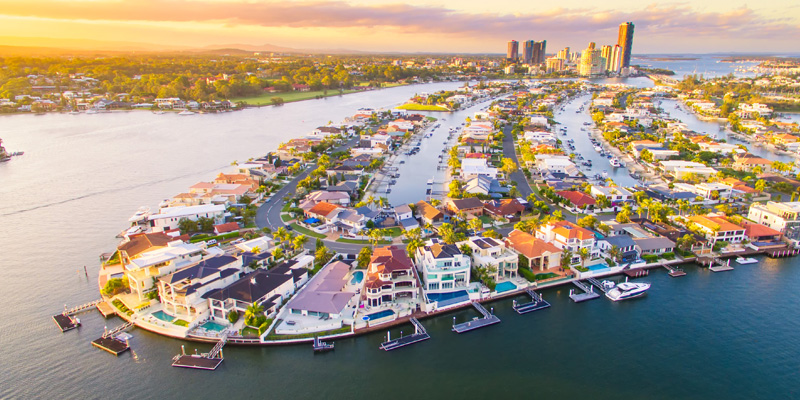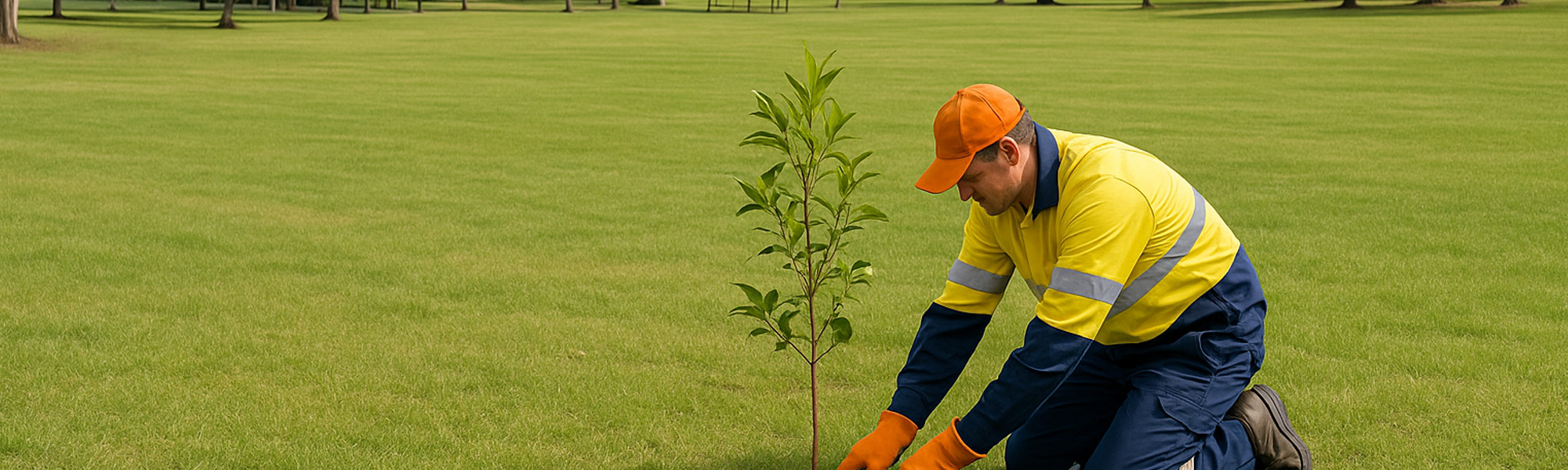
Every property owner in Queensland receives it: a crisp envelope or email with a council logo and a total that can make you raise an eyebrow. Council rates might not be the most exciting part of owning property, but they quietly shape how our neighbourhoods function. From roads to rubbish, parks to pathways, your rates are the fuel that keeps your local area running.
What Are Council Rates?
Council rates are the local layer of property tax. Every property within a local government area contributes to the cost of running community services and infrastructure. It's the council's primary source of income - the money that pays for the things you notice every day but rarely think about.
Each council sets its own rate in the dollar, based on the site value or capital value of your property as determined by Queensland's Valuer-General. This means two homes on different streets can have different rates even if they look similar, depending on land value, zoning, and the services available in their area.
What Your Rates Pay For
Behind every rates notice lies a surprisingly wide network of services. Waste and recycling collection are the most visible, but they're only a fraction of where the money goes.
Rates fund the maintenance of local roads, footpaths, drainage, street lighting, and public parks. They cover libraries, community halls, and cultural programs. They help keep beaches clean, stormwater flowing, and playgrounds safe. Some councils also include levies for the environment, heritage protection, or coastal management - small contributions that collectively make a big difference to how your suburb and city looks and feels.
So while that quarterly bill might sting a little, it's the backbone of the local lifestyle many of us take for granted.
How Councils Calculate Rates
Most Queensland councils use a rate-in-the-dollar formula: your property's valuation multiplied by a set number that determines your contribution. On top of that, councils can add separate charges for waste collection, recycling, water and sewer infrastructure, or special projects.
The details vary between areas - such as the Gold Coast, Brisbane, Logan, and Scenic Rim councils - each publish their own schedule of rates and charges. What's constant is that rates reflect the cost of local services and the value of the land they support.
Why Rates Change
It's easy to assume rates rise only when councils increase them, but often it's your land valuation that shifts first. The Valuer-General re-assesses property values periodically, and if your suburb's land value jumps, your rates can follow.
Rezoning, new infrastructure, or strong market growth can all influence land value. Councils generally offer an objection period if you believe your valuation doesn't reflect reality. It's worth checking those notices - not every increase is set in stone.
When and How to Pay
Most councils issue rates notices four times a year. You can usually pay online, by direct debit, or in person at Australia Post. Some councils reward early payment with a small discount, which can add up over time.
If you're struggling to pay, contact your council early. Most have hardship programs or payment plans that prevent overdue interest and avoid more serious recovery action.
When You Buy or Sell
During a property sale, rates are adjusted at settlement so the right owner pays the right portion. Your conveyancer checks the latest rates notice and ensures any unpaid balance is settled before transfer.
Reading the Fine Print
Your rates notice isn't just a bill - it's a breakdown of what's happening in your community. Look closely and you'll often see line items for waste, water, environment, or infrastructure charges. Each reflects a different part of council responsibility, and each helps maintain the places that make the Gold Coast what it is.
If something looks odd, councils publish detailed guides explaining how each charge is calculated. They also hold public budget sessions and publish annual reports, so residents can see exactly where their money goes.
Staying Engaged
It's easy to ignore rates until they arrive, but being aware of how they work builds a better connection with your local area. Follow your council's updates, attend community consultations, and have a say in how funds are spent. After all, rates are more than a bill - they're your community's collective investment in its own livability.
This article provides general information only and is not financial or legal advice. Always check your local council's website for current rates, valuation details, and payment options.
You might also like


Disclaimer: Every effort has been made to ensure the accuracy of the information provided, but we make no guarantees regarding its completeness or reliability. The data is presented for general informational purposes only and does not constitute financial, investment, or legal advice. We are not liable for any errors, omissions, or consequences arising from its use. Users should verify details with relevant sources and seek professional advice where appropriate for the most accurate and up-to-date guidance.