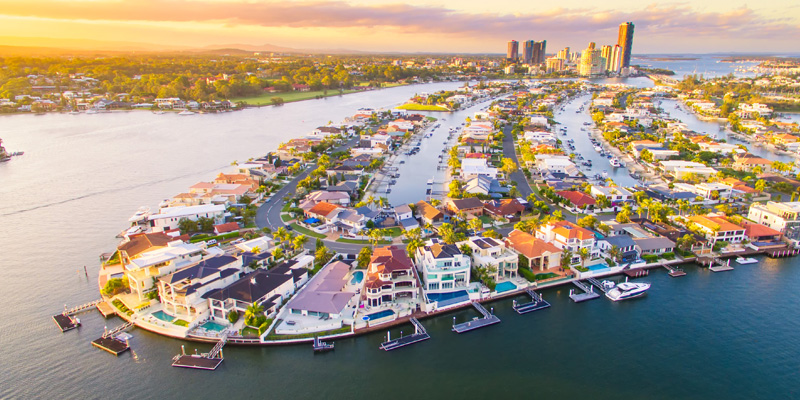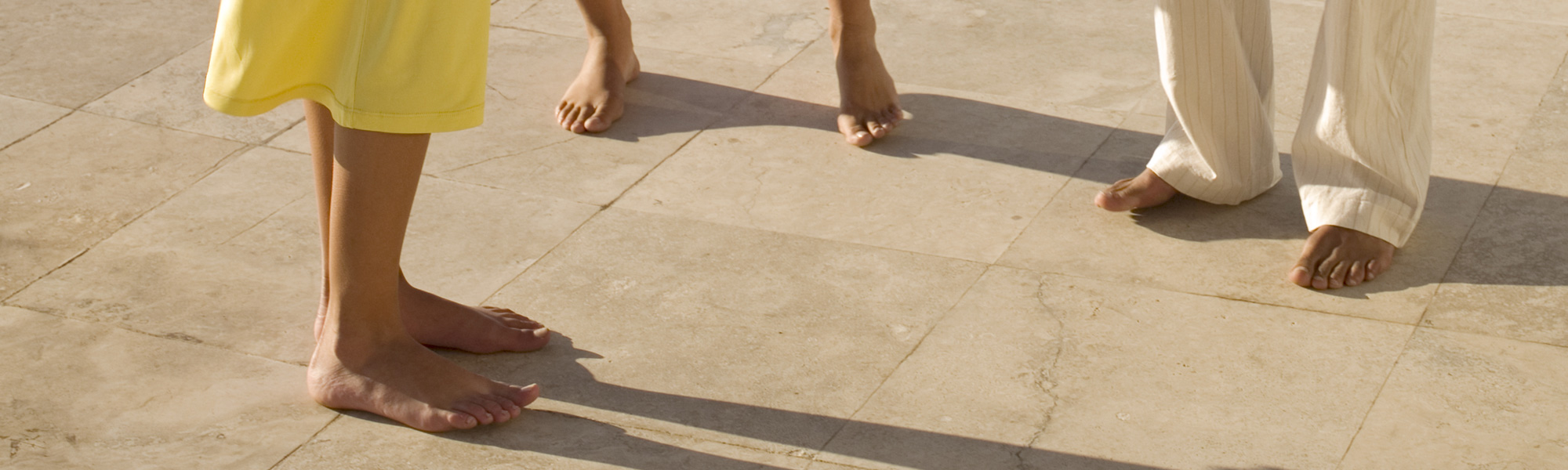
If you spend your first days on the Gold Coast looking upward at the skyline or outward at the beaches, it won't be long before your gaze drops and lands on something far more local, far more telling, and far harder to ignore. Feet. Bare ones. Stepping across driveways still warm from the midday sun. Wandering into cafés without hesitation. Padding across supermarket aisles. Crossing lawns, boardwalks, timber decks, canal pontoons and even the little concrete strips between bins and letterboxes. They appear everywhere, almost as if footwear has quietly fallen out of fashion and nobody bothered to announce it.
For people arriving from cities where shoes are a default part of the uniform of daily life, this detail becomes the first cultural surprise. It's the moment you realise the Gold Coast doesn't just look different, it lives different. And the more you observe it, the more interesting it becomes, especially once you notice how naturally and confidently locals lean into the habit.
What's with all the bare feet? In a way, the question opens the door to a deeper truth about the city itself. The barefoot thing is not a prank, not a trend and not an act of rebellion. It's the physical expression of a lifestyle shaped by warm weather, bluewater horizons, open homes and the subtle pull of a coastline that stretches endlessly along the edge of daily life. It tells you you're in a place where comfort rises to the surface and everything formal is softened by humidity, sunlight and a sense of ease.
The Gold Coast's barefoot culture is inseparable from the climate. The air carries warmth from early morning until late into the evening. Even through the milder months, temperatures rarely drop low enough to make the ground uncomfortable. You step outside and the world feels inviting rather than hostile. The climate does the persuasion for you, melting away the sense of obligation that shoes are somehow required for dignity or composure. In subtropical heat you begin choosing what feels good rather than what feels expected, and bare feet nearly always win.
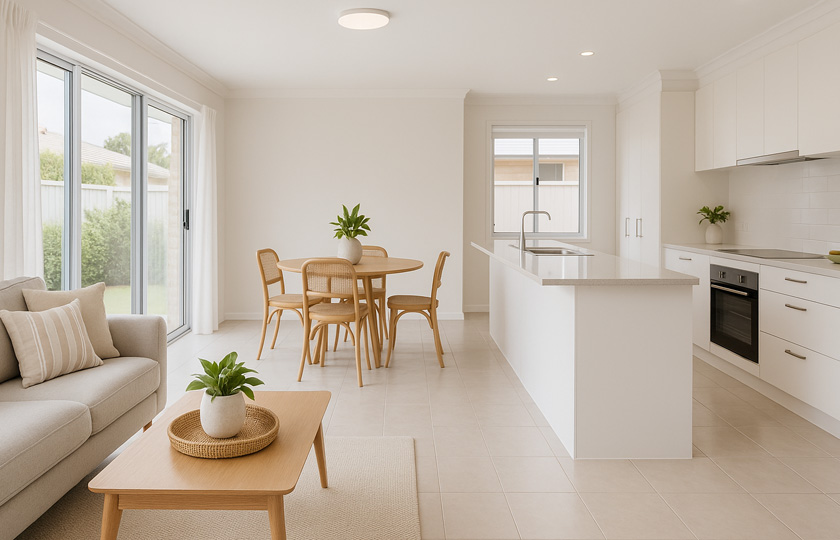
The built environment reinforces this shift. Gold Coast homes rarely stop at the threshold. They flow. Interiors bleed into courtyards, verandas, pool terraces and breezeways without fuss. Sliding doors stay open through warm months. Kids move in and out all day. Adults wander between kitchen, deck and yard constantly. You don't plan those transitions, you simply follow the movement of the day, which makes shoes feel like clutter rather than necessity. In canal homes the pathway between living room and pontoon becomes a kind of miniature world of its own, a set of surfaces your soles cross without a second thought: tile to timber, timber to grass, grass to the warm boards of a jetty that hums lightly in the sun.
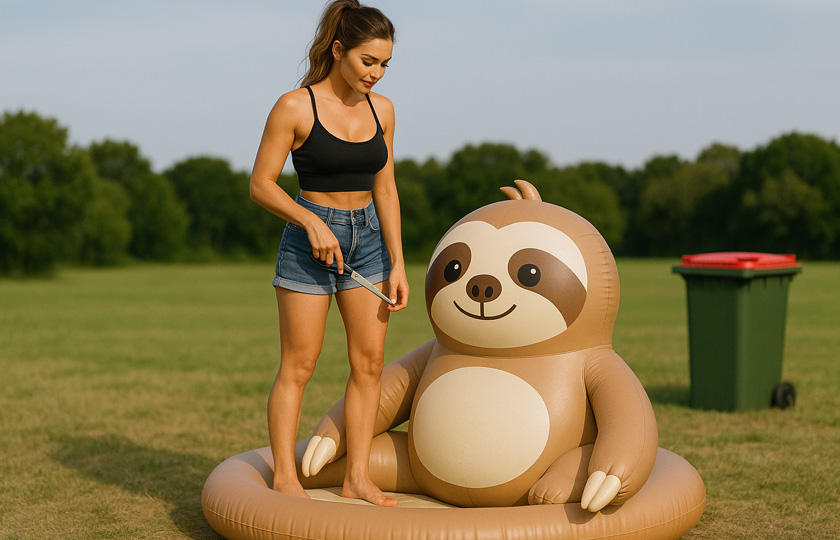
Over time this creates a rhythm of small, unspoken freedoms. People run bins out barefoot because the driveway is right there and the weather is fine. Garden beds are weeded without shoes because mornings are soft and cool and it feels natural. Cardboard boxes are crushed for recycling with a few quick downward steps, toes spreading as the cardboard folds beneath them. Pool testing, mowing the edges, rinsing the deck after rain, grabbing something from the car, watering the pots, wandering to the canal edge to check the tide, all of it merges into one continuous movement of bare soles across a familiar landscape. These simple habits become the texture of everyday life.
Visitors often interpret all this as a kind of seaside looseness, a casualness that comes from living near one of the world's great stretches of beach. That's true, but it's incomplete. The barefoot habit is also a social permission. Nobody cares. Nobody watches. Nobody feels the need to explain. You can walk into your local bakery barefoot and you'll blend in. Wander through a supermarket and you'll find at least one other person doing the same. Turn up to a neighbour's barbecue and half the guests will be without shoes, even before the second beer. There is a quiet acceptance that comfort trumps formality and the city's social fabric is looser because of it.
Long-time locals don't think of the habit as a quirk, despite knowing outsiders find it fascinating. For them it's a marker of belonging. To live on the Gold Coast is to move through it physically, not symbolically. You know the feel of different surfaces underfoot: the coolness of stone tiles before lunch, the spring of a well kept lawn in late afternoon, the silky warmth of timber decking in mid-summer, the grainy feel of sand that's drifted across the back patio after a windy night. You become attuned to micro-changes in heat, texture and moisture, and the ground becomes a subtle soundtrack to your daily routines. Footwear interrupts that connection, as if inserting a small barrier between you and the softness of the environment.
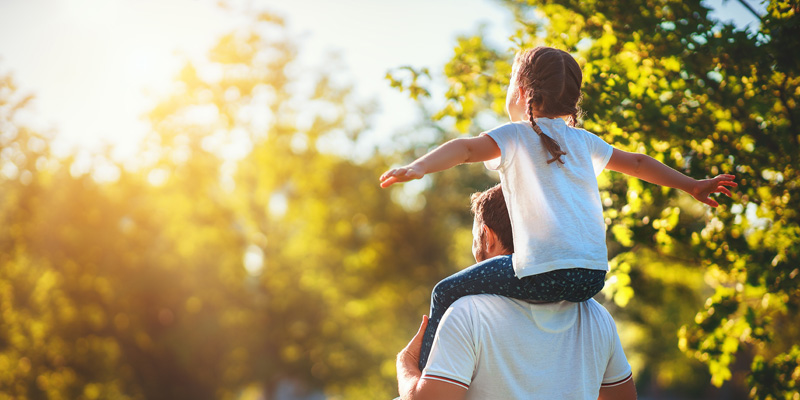
The phenomenon stretches across generations. Outside school hours, it's common to see teenagers wandering around barefoot — at parks, along the esplanade, even through shopping centres. Parents wander barefoot through parks after morning swims. Retirees tend their gardens without shoes, stepping lightly between mulch, grass and paving. Even professionals ditch their shoes the moment they arrive home, stepping out onto the deck while the kettle boils or strolling across the backyard to collect herbs for dinner. It becomes a reflex rather than a decision, a sense memory that you follow without thinking.
Social media has only amplified this culture. Influencers photographing café tables often include a casual glimpse of a bare ankle or a foot resting lightly on sunlit tiles, not as a pose but because that's simply how they were sitting. Lifestyle photographers shooting family homes increasingly opt for barefoot subjects because it feels more honest to the setting. Real estate imagery sometimes captures the same mood, showing people moving through beautiful spaces with an ease that matches the architecture. Those images travel fast and newcomers often arrive expecting this barefoot aesthetic to be an exaggeration, only to discover it's startlingly true.
For newcomers settling into the Gold Coast, the moment they adopt the habit is often quiet and unplanned. It happens on a morning when they step out to the car to grab something and forget to put shoes on. Or when they wander onto the lawn to talk to a neighbour across the fence and realise it feels natural. Or during a late evening when they head outside to feel the breeze after rain and can't be bothered slipping shoes back on. Those first barefoot steps signal something important: the environment has begun to shape them, not the other way around.
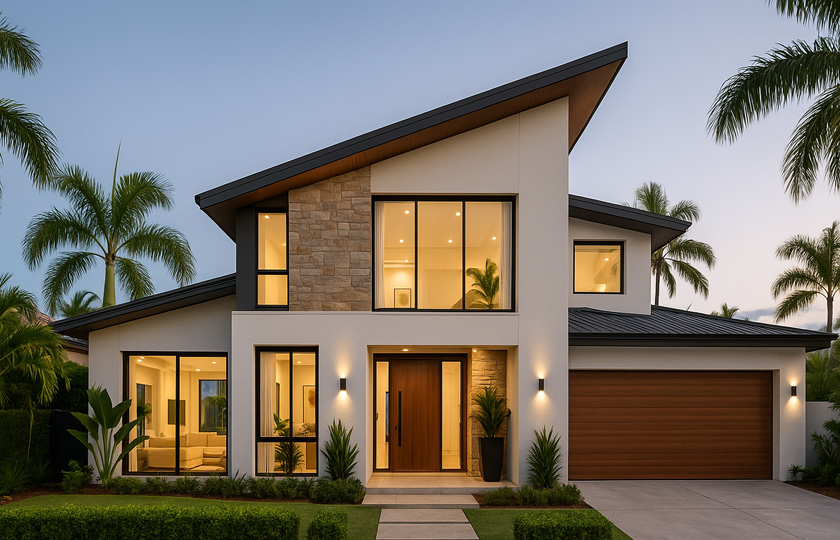
Understanding the barefoot norms of the Gold Coast also helps you understand its property market. Homes here aren't just viewed for aesthetics or location. They're valued for how effortlessly indoor life can spill into outdoor living. Buyers look for bifold doors that open wide enough for barefoot traffic. They inspect lawns not just for appearance but for how they'll feel during long weekends. Decks are judged partly by how they'll warm under the sun. Canal homes are prized for pontoon access that you can wander down to without hesitation. In subtle ways barefoot living influences what locals expect from a home, especially in family neighbourhoods where kids, pets, gardens and outdoor entertaining shape the rhythm of daily life.
At its heart, the Gold Coast's barefoot identity speaks to a profound ease with the environment. This is a city built around water, open air and warmth. Shoes don't disappear out of laziness, they fade away because the climate whispers that they're optional. People here have simply listened.
So what's with all the bare feet? It's nothing mysterious. It's the product of a place that feels lived in rather than performed, a place where comfort guides behaviour and the divide between indoors and outdoors is little more than a suggestion. It's a sign of belonging, a badge of ease, a tiny rebellion against fussiness, and a subtle reminder that the simplest way to feel at home here is to let the landscape touch you back.
Spend enough time on the Gold Coast and you stop noticing the bare feet. Not because they disappear, but because eventually they become your own.
You might also like

Disclaimer: Every effort has been made to ensure the accuracy of the information provided, but we make no guarantees regarding its completeness or reliability. The data is presented for general informational purposes only and does not constitute financial, investment, or legal advice. We are not liable for any errors, omissions, or consequences arising from its use. Users should verify details with relevant sources and seek professional advice where appropriate for the most accurate and up-to-date guidance.