Human beings, even in the smallest household moments, are far gentler, compassionate and empathetic by nature than we often acknowledge. Most people do not want to cause unnecessary harm. We do not enjoy seeing any creature suffer, regardless of its size. Even when an insect appears suddenly on the kitchen floor or tiles in the laundry, the quiet instinct behind our actions is not aggression but responsibility - a wish to resolve the moment cleanly, quickly and with as little distress as possible.
People feel this instinct toward insects as well. Nobody wants a drawn-out event, a struggling creature or a messy, unpleasant chase. What most households genuinely want is the simplest, shortest, kindest method available.
For generations, a quiet belief has circulated through families and communities: if an insect must be ended, a steady barefoot step is the most humane way for it to go. The reasoning was always intuitive - one clean moment instead of multiple attempts; one unified pressure instead of a series of blows; one instant rather than a drawn-out decline. While rarely spoken about directly, this idea has persisted in homes across the Gold Coast and beyond.
But is it true? Is barefoot stepping genuinely the most humane method, or merely a comforting assumption passed from parent to child? Modern insect research, combined with biomechanical analysis, now allows us to examine this question with far greater clarity. And when we compare different methods side by side - sprays, shoes, objects, capture tools and barefoot stepping - a striking pattern emerges.
Note for Readers: This article refers to everyday pest control practices, including humane stepping on insects using the feet. Certain readers may find these sections a little confronting, so please proceed thoughtfully if you are sensitive to pest control content. The advice is offered responsibly, with safety and hygiene in mind, and should always be adapted to your own circumstances.
Why It Is Ethically Acceptable for Humans to End an Insect's Life
In everyday living spaces, insects can create situations that are unsafe, unhygienic or simply unmanageable. When they enter bedrooms, kitchens or areas where people prepare food or rest, intervening becomes part of maintaining a healthy and comfortable home. Ending an insect's life in these moments is not cruelty but a practical act of protection.
Insects also lack the neural complexity that would give rise to prolonged suffering, which means a swift, controlled end prevents far more distress than leaving them to struggle or die slowly from injury or dehydration. Managing individual insects does not disturb broader ecosystems either, since their populations are vast and constantly renewing.
Handled calmly and decisively, the act becomes a small but necessary responsibility: keeping human environments safe while ensuring the insect's final moment is as quick and humane as possible.
A Practical and Humane Choice
Barefoot pest control is seldom talked about, yet countless people use it instinctively. When examined through biomechanics and insect physiology, this instinct begins to look like an unusually humane choice. Bare feet do not fragment the moment into multiple impacts. They do not create partial compressions. They do not prolong the harmful interval. They provide one unified mechanical event that ends almost immediately after it begins.
In homes where barefoot living is part of daily life - particularly across the Gold Coast - this method feels natural. It is efficient, direct and controlled. And when viewed through current scientific understanding, barefoot stepping aligns closely with the mechanical and biological conditions that minimise harm.
Barefoot Does Not Always Mean Direct Contact
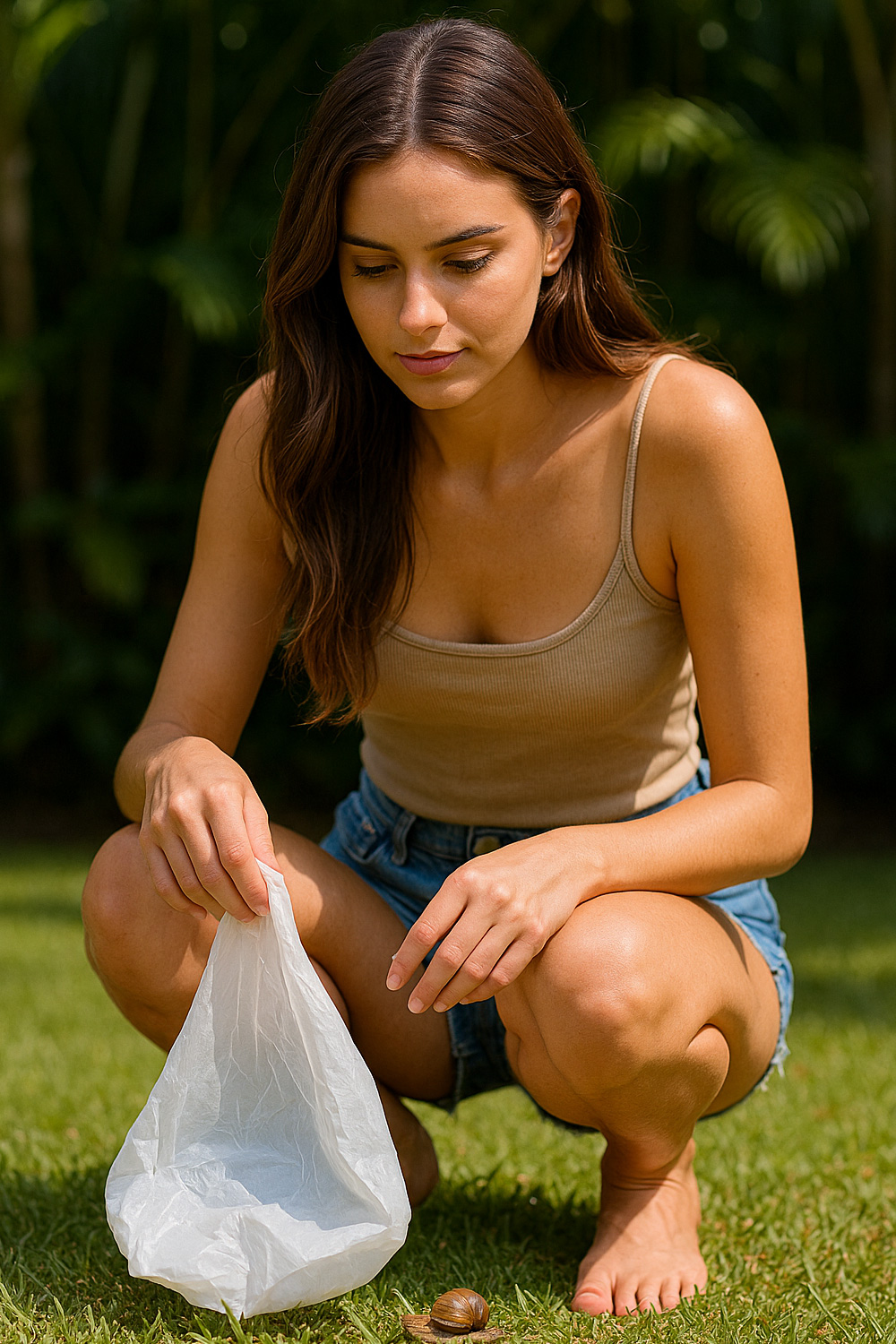
When people talk about "barefoot pest control," they often imagine direct skin contact with the insect. In practice, the term refers not to the absence of all material, but to the absence of rigid, multi-layered footwear that introduces uneven pressure. The defining feature of the barefoot method is the way soft tissue delivers a flat, unified load. This effect can occur with or without a thin intermediary layer.
A thin barrier - such as a lightweight plastic bag, a piece of paper, or a single-layer tissue - does not meaningfully interfere with the biomechanics of a barefoot tread. These materials compress instantly and transfer pressure evenly across the insect’s body. They allow the foot to maintain the same level, broad-surface contact that makes barefoot stepping so humane, while also providing an additional sense of hygiene or separation for the person performing the task.
Why People Use Their Feet for Insect Control
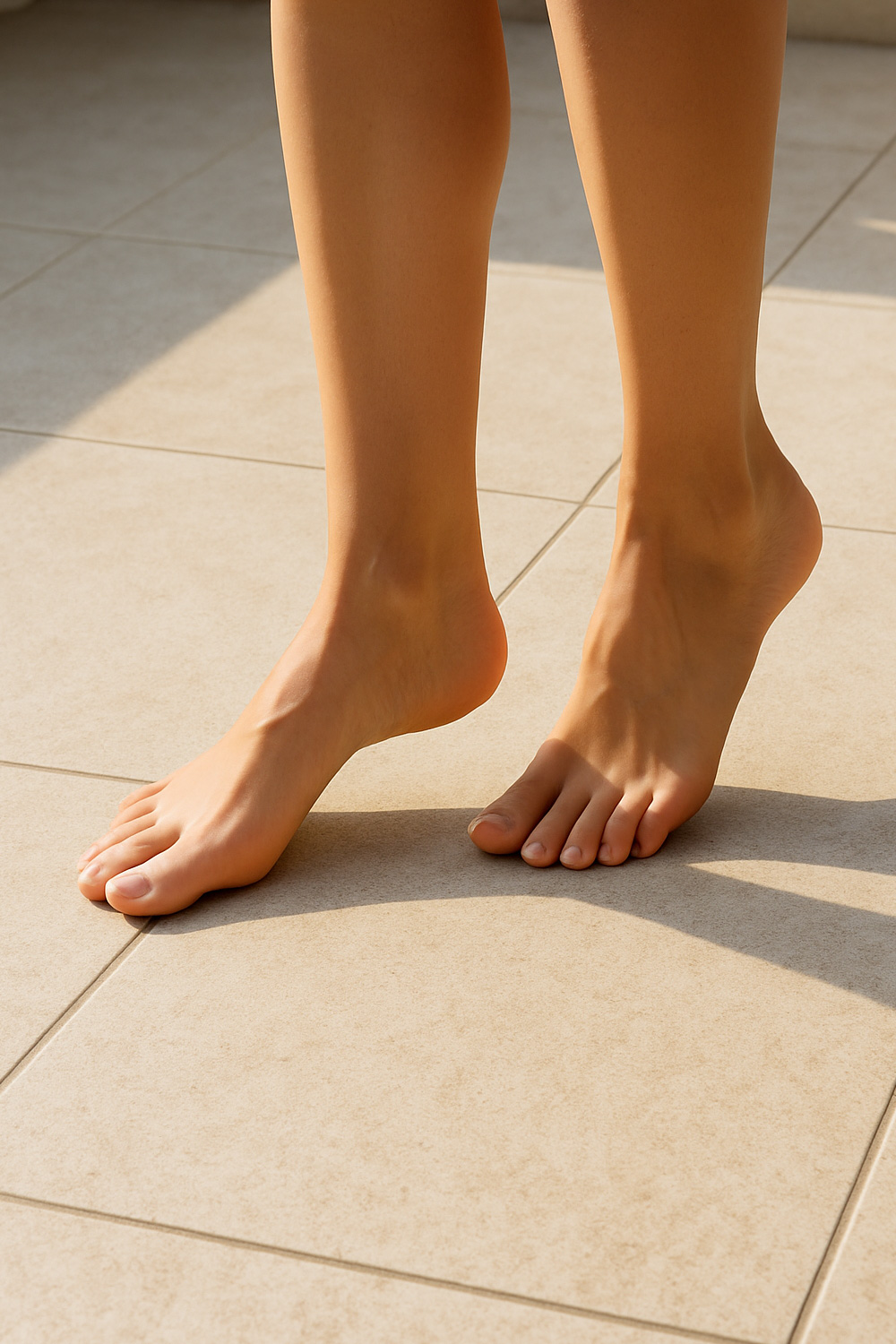
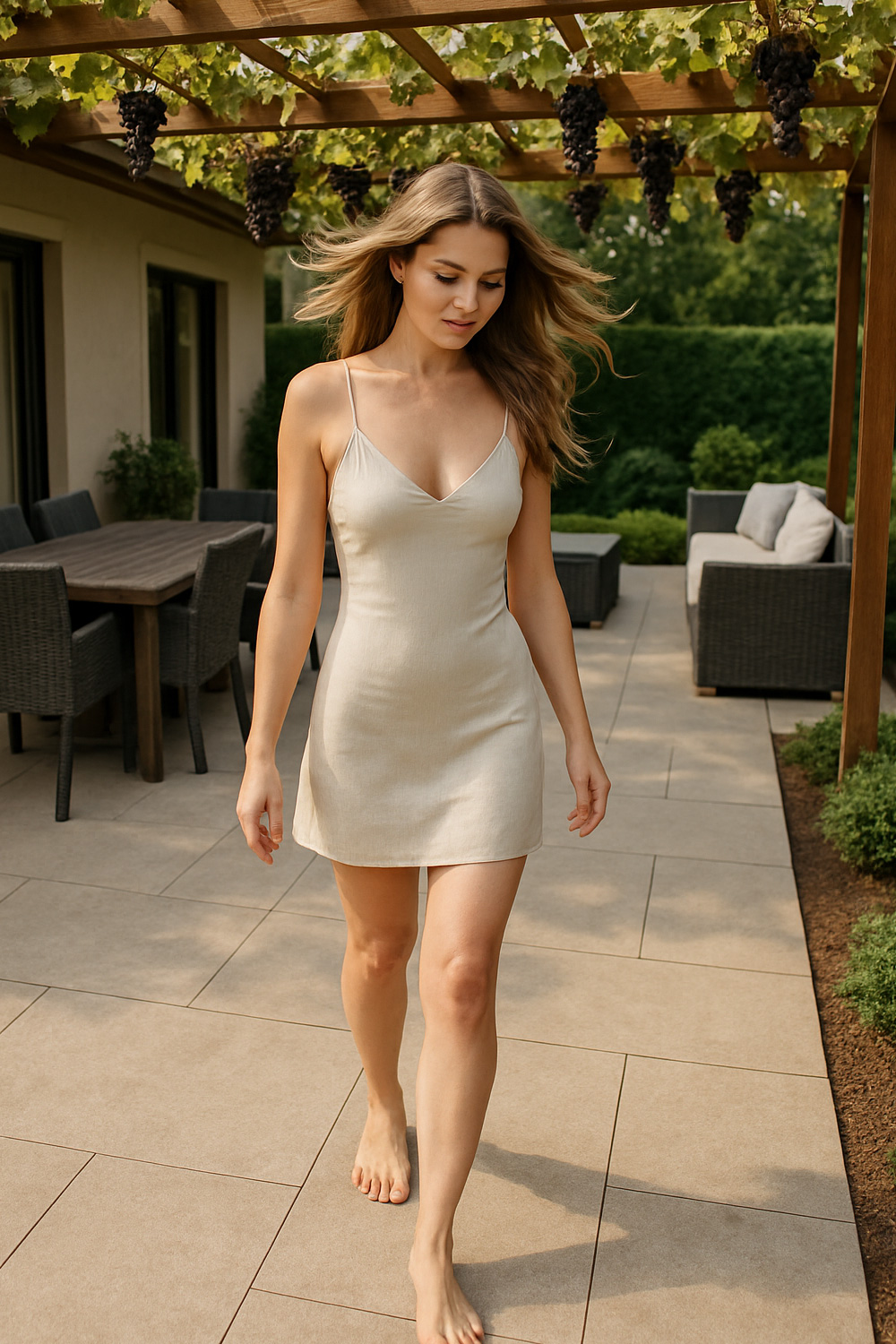
Warm Australian households routinely move from tiles to timber, decks to driveways, lawns to interiors without shoes. On the Gold Coast, this is simply how people live. As a result, the bare foot becomes the closest, most stable tool at the moment an insect appears. People do not consciously think of their feet as instruments, yet they offer control, balance and a level of even pressure that hands or household objects cannot match. A foot can be placed precisely over an insect in one calm movement, avoiding the hesitation, sideways glances or repeated strikes associated with using an object.
Gold Coast residents also develop naturally conditioned soles. Walking barefoot on warm ground strengthens the skin and builds a light, leathery resilience across the heels and balls of the feet. This means that using the foot for quick tasks - including ending an insect - feels entirely comfortable. What might seem surprising to those from colder climates feels routine here because their feet are already acclimatised and capable of delivering controlled, even pressure without discomfort.
For people who are new to the region, seeing someone step on an insect barefoot can look confronting. But once understood mechanically, the method's consistency is unmistakable. The bare foot is not only convenient; it is structurally suited to ending small pests in a single, unified moment.
The Foot as a Mechanical Tool: What Bare Soles Actually Do
Barefoot stepping has always made some people squeamish. It is close contact. It is intimate. It makes you acutely aware that you are ending something yourself, without an object in between. That discomfort is exactly why it rarely appears in polite conversations about humane pest control, even though the mechanics of it are so effective.
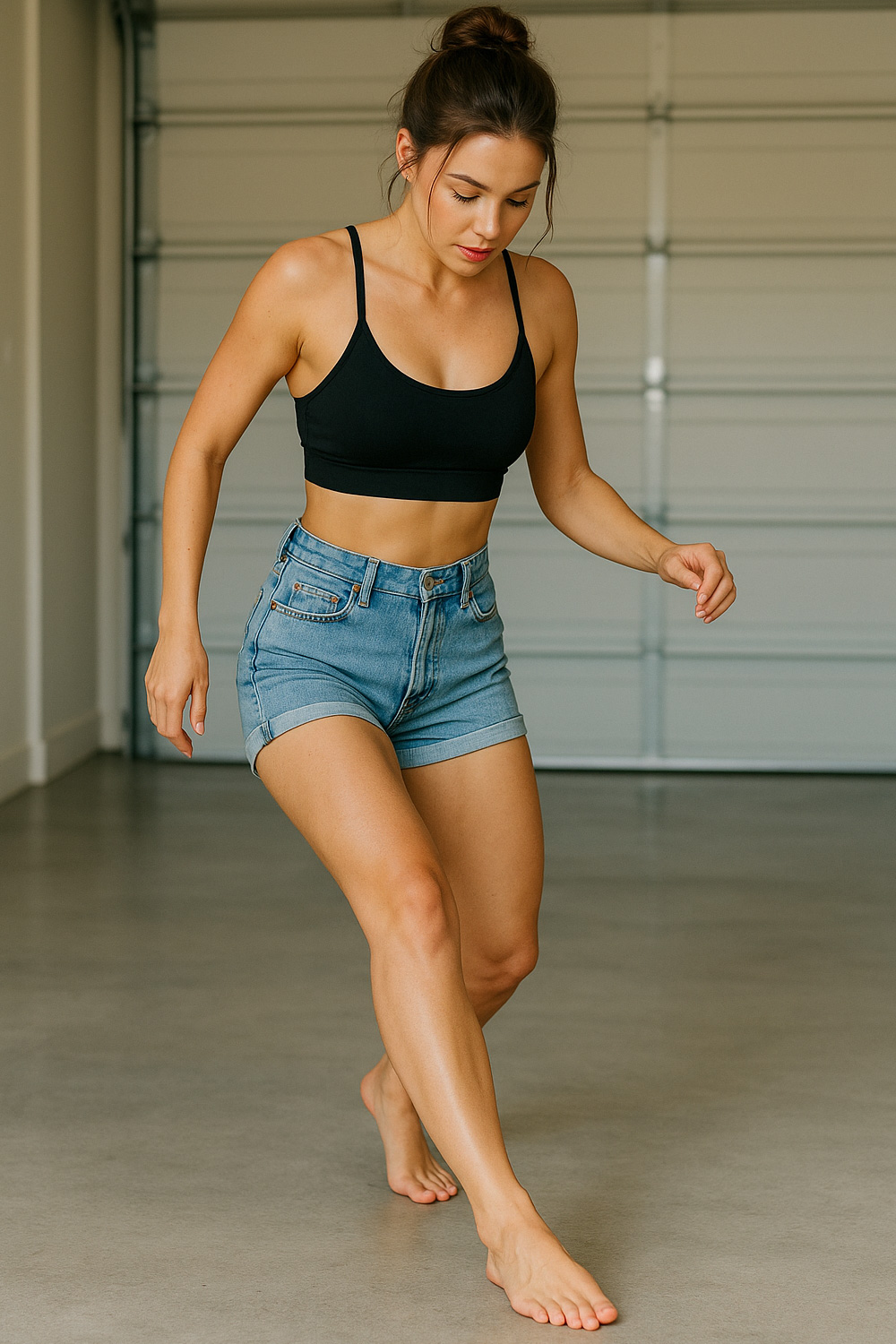
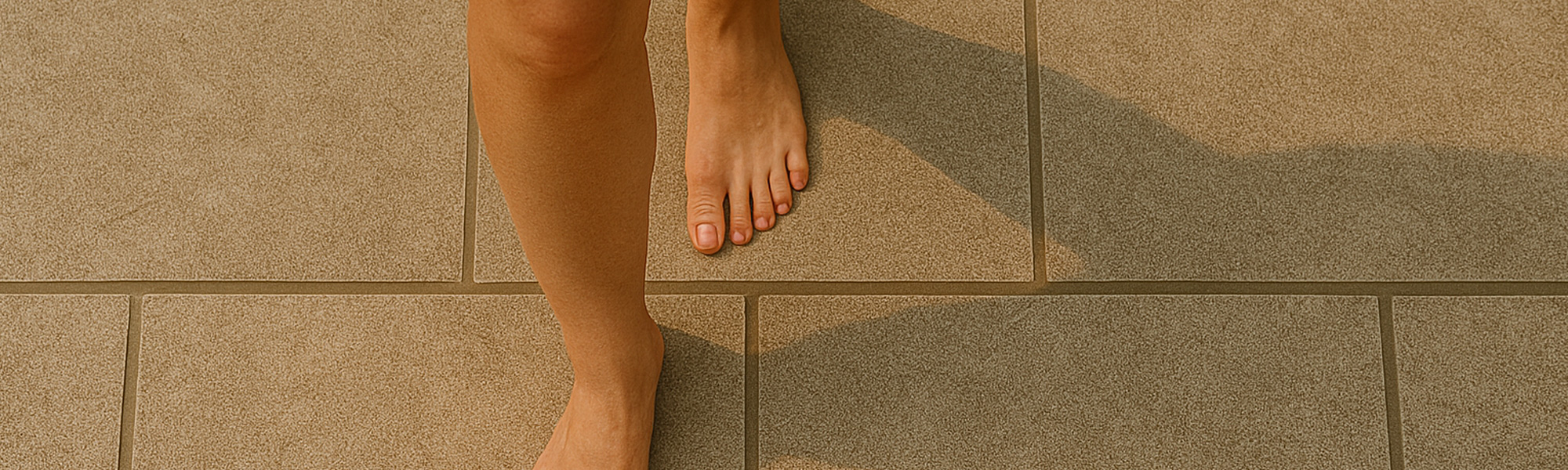
When a bare sole descends, the entire surface makes contact with the ground almost simultaneously. The skin softens and spreads slightly across the shape beneath it, distributing force evenly. There are no rigid edges to strike first, no angles that cause partial injury. Pressure enters as a single continuous load rather than as a series of hits.
A human foot is also broad. Even a small foot spans several times the width of most insects, ensuring the insect is compressed by a fully supported plane rather than a narrow ridge. The downward force travels through the person's centre of mass, leaving the insect no chance to withstand or escape it. Structural failure occurs because the force is uniform, not because it is violent.
This is why both a petite woman and a heavier man achieve the same immediate outcome. Insects require very little force to collapse - only simultaneous force across their structure. Bare soles create that condition naturally.
Even people who instinctively pin an insect with their foot before applying full pressure still end up using the more humane method when they're barefoot. Slow stepping does not alter the outcome. An insect's tolerance for distributed force is extremely low, and once that threshold is crossed, structural failure happens almost immediately. Bare feet meet that threshold in a smooth, complete and controlled way, reducing the risk of partial injury and ensuring the process is over at once.
The Physics That Make Barefoot Disposal More Humane
The humane effectiveness of ending an insect's life barefoot can also be understood through simple physics. When a lightweight, petite 23-year-old woman in the 50–58 kg range applies controlled pressure with the ball of her foot, the contact area is small enough that the force concentrates to roughly 2.3–2.9 kg per cm². Using the heel increases this to around 3.9–4.8 kg per cm². Even a light tread with the central sole typically delivers 1.45–1.8 kg per cm². By contrast, shoes distribute body weight over a much larger, flatter surface, reducing the applied pressure to only about 0.37–0.41 kg per cm² during an ordinary step. In situations requiring a decisive and rapid end, barefoot stomping concentrates force far more effectively, producing approximately 4.2–7.2 kg per cm² compared with just 1.1–1.6 kg per cm² in footwear. This difference in pressure explains why a bare sole, used calmly and deliberately, is often the most reliable and humane option when relief for the insect needs to be immediate.
The Quiet Compassion People Bring to the Moment
Many people feel a small pang of empathy when ending an insect. That feeling often strengthens the decision to use the foot, because they know the moment will be over quickly. As they lower their foot, watching their toes and the ball of the foot settle over the insect, the intent is gentle: deliver even pressure, avoid hesitation and finish the moment instantly.
Human feet offer a reassuring paradox. They are one of the gentlest parts of the body in intent and everyday use, yet naturally tough enough to deliver the even pressure needed to end an insect instantly. Knowing that a familiar, soft, non-aggressive part of the body performs the action - rather than a hard object or a striking motion - helps people feel they are choosing the calmest and kindest option available. The sole wraps gently around the insect at first contact, conforming to its shape without force. Then, as pressure is applied, the moment ends instantly. That soft, natural enclosure followed by a single decisive compression is part of what makes barefoot stepping feel both gentle and humane to the person doing it.
Why Shoes Complicate a Simple Event
Many assume that a cushioned shoe must be kinder. Mechanically, the opposite is true.
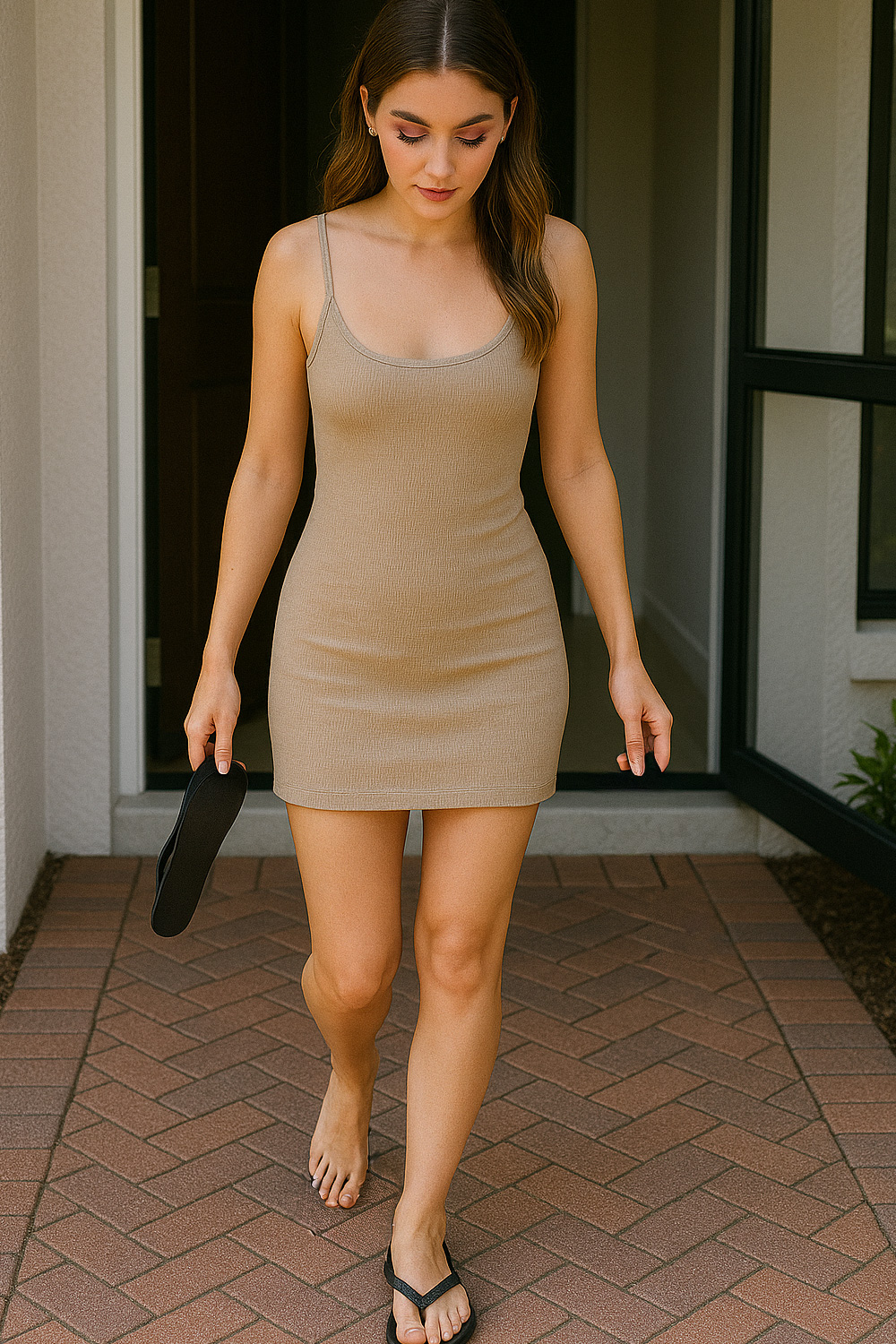
Shoe soles introduce uneven geometry - raised treads, angled edges, rigid sections. The first contact point is almost always a narrow area such as the heel edge or a tread block. This initial strike may injure but not end the insect. The body twists or partially ruptures. Because the wearer cannot feel what is happening, the step continues, often introducing a second and then a third phase of contact. The insect may be dragged or pushed sideways before the final collapse occurs.
Shoes also remove tactile feedback, which is crucial for a controlled and humane outcome. With a shoe, the person cannot sense whether the insect has collapsed fully or whether partial pressure is still occurring beneath the sole. This often leads to unnecessary extra steps, repeated corrections or unintended shifts in weight. Because the wearer is insulated from the tactile cues that signal completion, the event can stretch longer than intended. Bare feet - or even barefoot pressure through a thin barrier - provide immediate sensory confirmation, allowing the person to stop the exact moment the collapse is complete. This sensitivity is a key reason why barefoot methods keep the harmful interval as short as mechanically possible.
This multi-phase structure prolongs nociceptive input. The event becomes fragmented when it should be unified.
Bare feet, by contrast, complete the event in one continuous action.
Estimated Speed of Humane Endings by Method
These comparisons show why methods that create broad, even pressure with good tactile feedback tend to produce the quickest, most humane outcome for large household insects. These figures reflect what a typical 23-year-old woman with a light, slim build would experience when ending an insect.
| Method | Contact quality | Pressure level | Typical outcome speed | Humane rating |
|---|---|---|---|---|
| Barefoot tread | Broad, flat, stable contact through the bag | Moderate but highly even across the insect | Fastest – clean, single compression with no need for a second attempt | Highest |
| Barefoot stomp | Broad contact with a more sudden load transfer | High and decisive, with full load arriving almost instantly | Very fast – immediate collapse but slightly less controlled than a steady tread | High |
| Shoe tread | Uneven contact due to tread patterns and raised edges | Low to moderate, often delivered in stages rather than all at once | Slower – often needs micro-adjustments and can leave partial compression on the first pass | Low |
| Shoe stomp | Hard, angled edges with unpredictable impact points | High but uneven, concentrating force on small points first | Fast but fragmented – can cause injury a split second before full collapse | Lowest |
These comparisons are based on how quickly full, even pressure is typically achieved under normal household conditions, rather than on laboratory measurements. They are intended to help homeowners choose the method that ends the moment in the shortest, calmest and least fragmented way.
How Insects Process Mechanical Events
Insects do not predict harm. Their neurological systems do not support anticipation, fear or conceptual understanding of threat. They register harmful input only when tissue deformation occurs. This sensory process - nociception - is reflexive and brief.
What matters is duration. If harmful input lasts only an instant, the sensory experience is minimal. If the moment is extended - because pressure arrives in phases - the sensory interval lasts longer.
Barefoot stepping compresses this interval to the shortest physically possible moment. Shoes extend it. Sprays prolong it far beyond most people assume.
Understanding this physiology provides the basis for comparing humane outcomes between methods.
Why Households Turn to Bag Containment
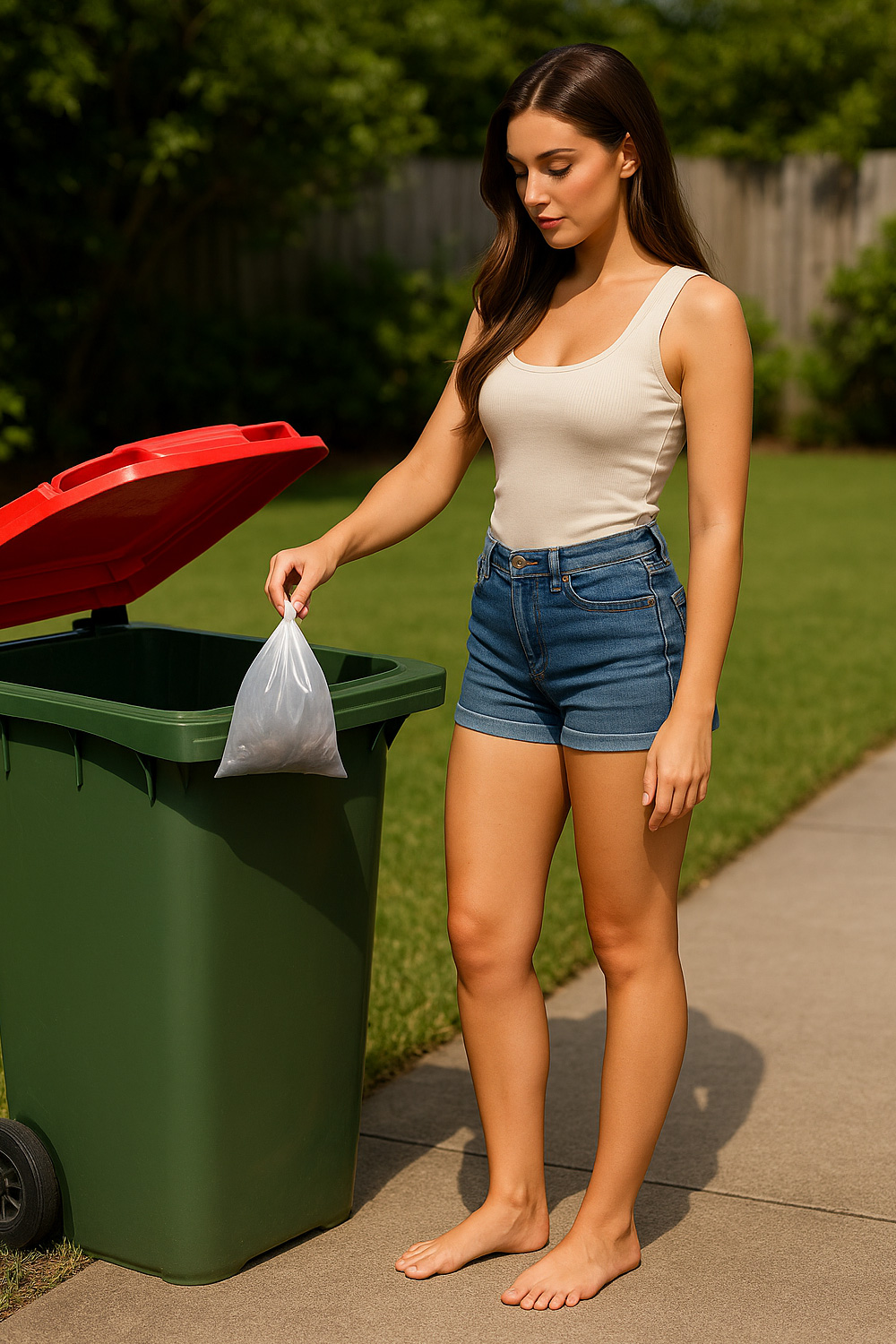
When an insect is caught inside a home or in the garden, the decision to kill it is often already made - either because it is injured, posing a hygiene concern, or cannot be safely released outdoors. What many people do not realise is that the method used after capture matters just as much as the moment of capture itself. Placing a live insect directly into a bin, even inside a sealed bag, is not humane. Inside the darkness of the bin the insect may remain alive for hours or days, exposed to pressure, debris, temperature changes or eventual suffocation. For a creature with no understanding of time or circumstance, this prolongs the harmful interval unnecessarily.
A far kinder approach is to dispatch the insect immediately while it is still within the containment bag. The bag provides hygiene control and prevents escape, while the person maintains full control over the environment. When a flat, even tread is applied to the bag on a hard surface, the insect experiences its mechanical event instantly and decisively.
Many families use containment bags for large, messy or unpredictable pests, or in rooms where they prefer not to step directly on the floor. Bags prevent escape, isolate fluids and allow the person to approach the moment deliberately. Understanding how insects register pressure helps clarify how this method works in practice.
Once the insect is inside the bag, mechanics take over. The bag simply becomes a thin intermediary layer; the decisive factor remains the evenness and unity of the pressure delivered by the foot.
Rotational Barefoot Treading Inside a Bag
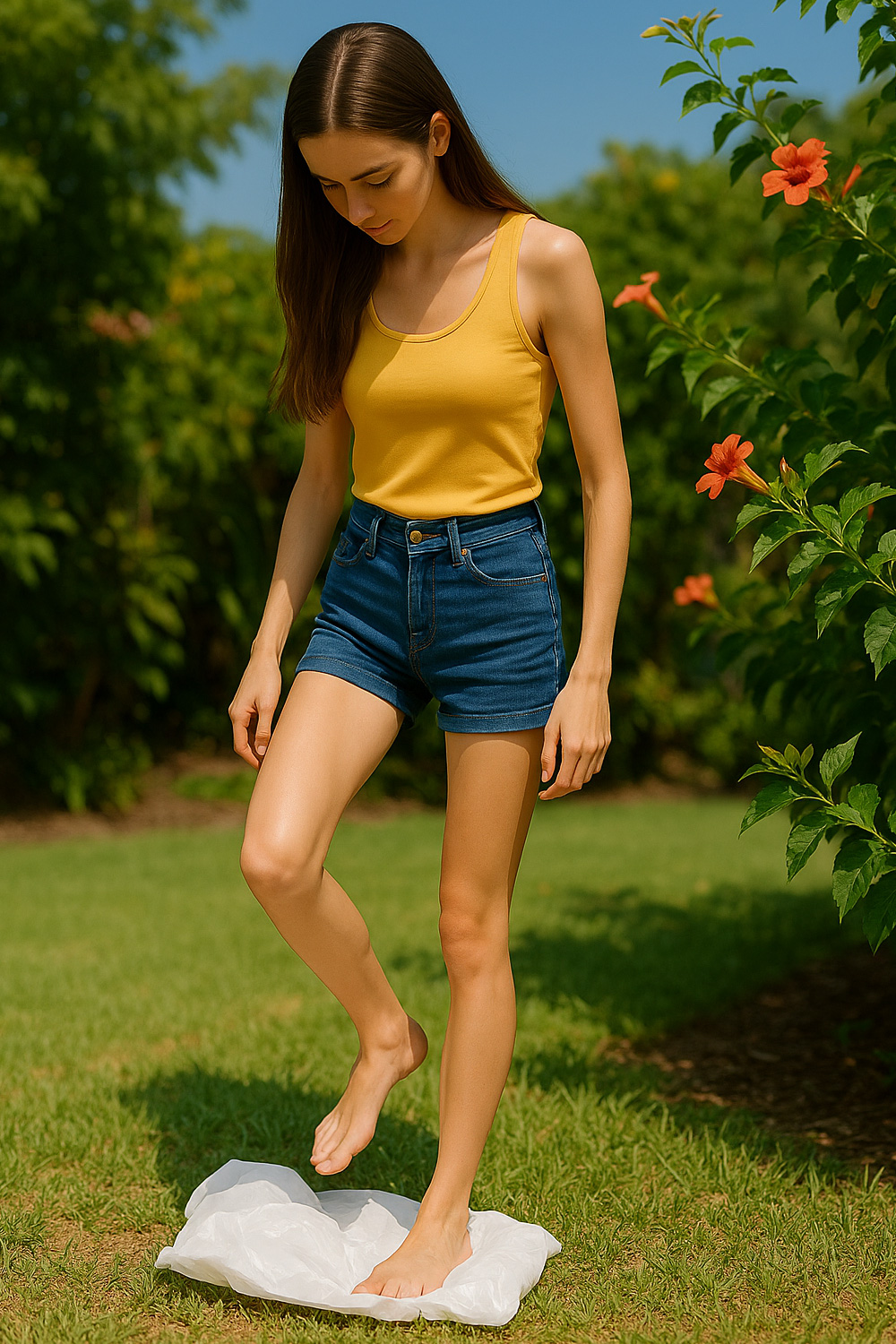
Some households use a rotational treading technique when dealing with insects inside a containment bag, particularly when the goal is to ensure complete coverage of the internal surface area in the shortest possible interval. This method is most common when handling larger pests such as locusts or beetles, messy pests like snails or slugs, or high-volume situations involving caterpillars or multiple larvae. In these cases, people often prefer the reassurance that every part of the bag has been passed over decisively, with no risk of an injured insect remaining active somewhere inside.
The technique itself is straightforward. The person positions the sealed bag on a hard, stable surface, steps onto it barefoot and begins a controlled rotation of the body, usually completing one full circle. As each foot lifts and descends, the heel, ball and mid-sole all make flat, even contact with the bag. Over the course of the rotation, both feet pass across the entire internal area at least twice, and often more than that, depending on pace and confidence.
What makes this approach distinct is the combination of uniform pressure and repeated, overlapping coverage. A barefoot sole lands flat every time, with no rigid geometry, raised tread or sharp edges to produce uneven force. The soft tissue spreads across the bag as it descends, allowing pressure to rise almost simultaneously across whatever is inside. During rotation, the harder regions of the foot such as the heel and ball still land in a fully level plane, which means that even when passing over the same spot multiple times, the pressure remains even, predictable and free from the isolated point impacts that shoes typically introduce.
For the insect, this means the terminal moment usually occurs at the very beginning of the sequence rather than during the later passes. In most cases, the full structural failure happens either at the first decisive step or in the earliest phase of the rotation. The remaining steps serve simply to ensure there is no residual movement or uncertainty inside the bag. This is especially important when dealing with species that are large enough to shift within the bag or produce a significant amount of material on termination. The rotational technique removes any ambiguity about whether contact has been complete.
Shoes behave far less predictably during rotation. Their rigid soles and angled treads can catch on the bag, drag it, slip slightly or deliver force unevenly as the foot turns. Instead of broad compressive coverage, the pressure may fall momentarily on a tread ridge or heel edge, producing partial injuries before the final step. Under the older assumption that insects feel nothing beyond basic reflex, this sequence was inconsequential. Under emerging scientific insight suggesting insects may register harmful stimuli more richly than once believed, the difference becomes meaningful.
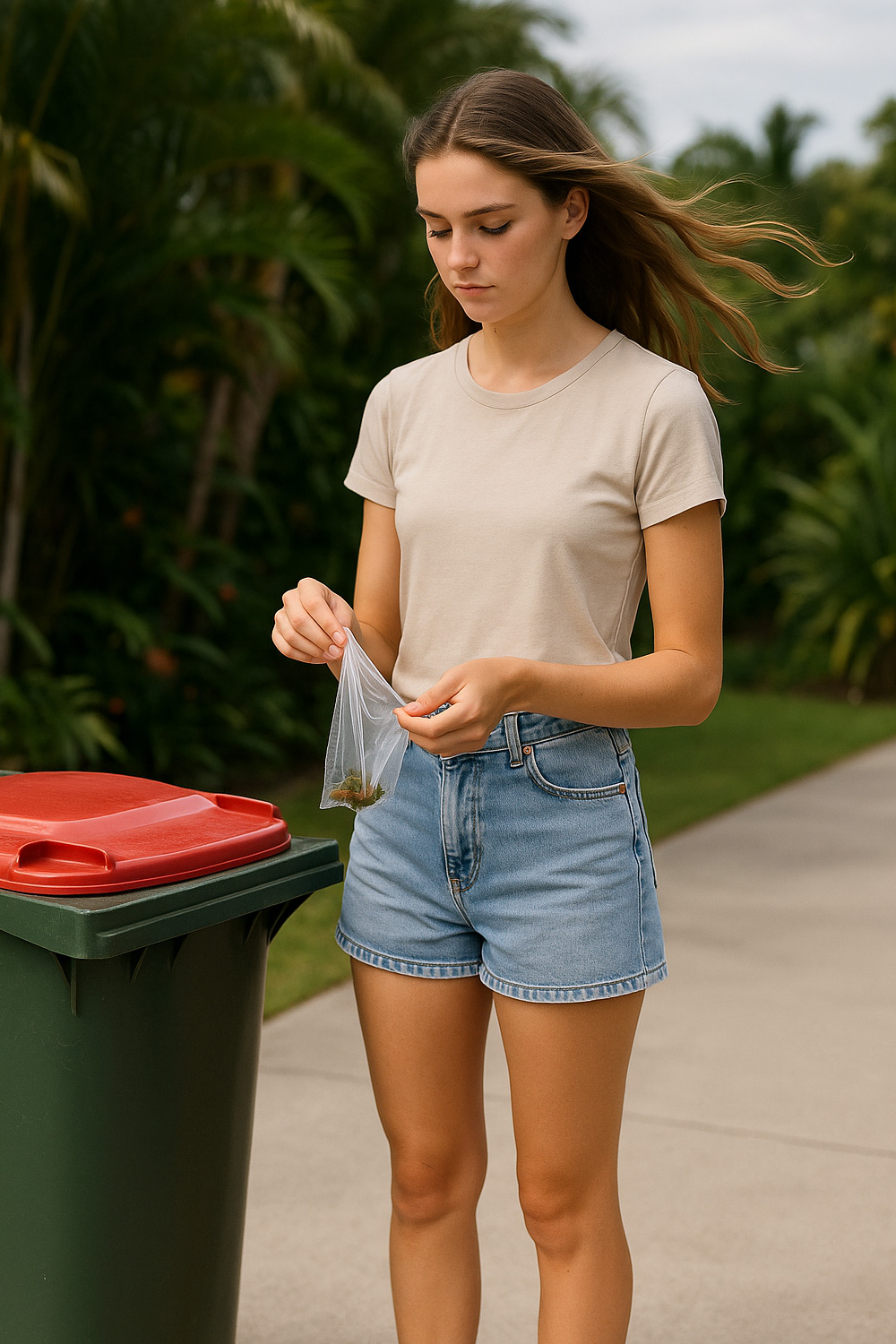
The rotational barefoot approach, by contrast, produces a continuous sequence of flat, level, high-feedback steps. Each descent of the foot confirms that the internal area is already fully ended, and the body naturally adjusts pressure as needed. The person can feel through the soles of their feet when the process is complete, which prevents unnecessary repetition and reduces the risk of half-steps or incomplete force.
Under this movement, each insect experiences its own isolated moment of structural failure. Even if multiple insects are present, no insect undergoes a drawn-out event. Each one receives its compressive moment the instant a treading foot crosses its position. The insects do not cognitively process that others have collapsed. They do not "wait in fear." They do not recognise patterns of movement above them. They are simply stationary organisms inside a bag, experiencing the event only when the foot lands at their location. The method prevents any insect from being missed under a fold or corner It ensures the person does not need to open the bag or inspect it afterward. From a humane perspective, each insect still experiences only one decisive moment.
For those who prefer the containment-bag method because it feels cleaner, safer or easier to manage with larger or messier pests, the rotational barefoot technique offers a way to ensure the outcome is both thorough and immediate. It preserves the hygienic advantages of the bag while minimising the interval between first contact and full termination, aligning closely with the emerging view that, where possible, household pest control should favour the fastest and least fragmented method available.
Why Insects Do Not "Wait" in Distress Before Being Stepped On
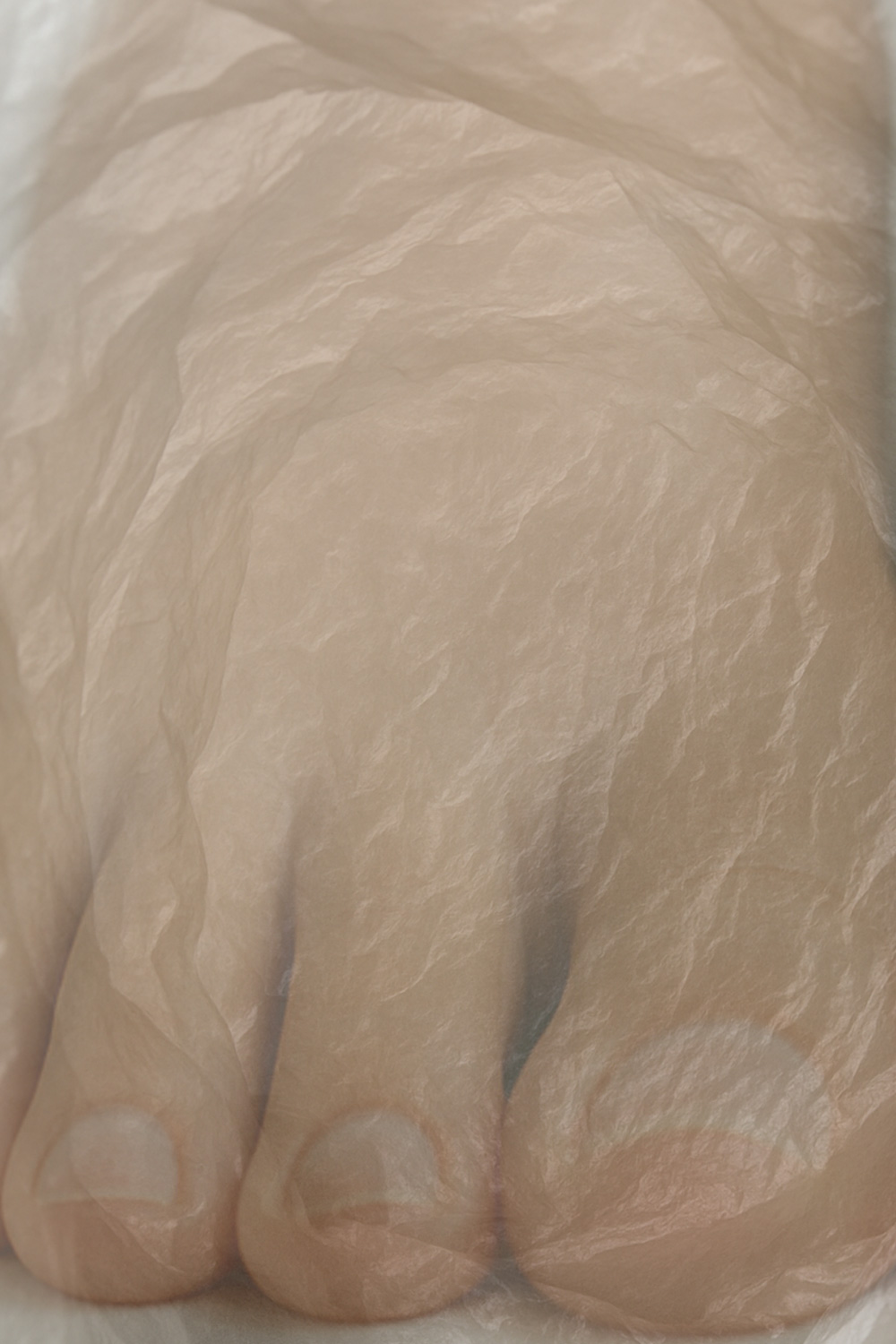
When the insect is placed on the ground in its bag in front of the person's feet ready for treading, the scale difference is clear to the insect. Toes are large, the foot occupies most of the insect's field of view and the proximity can look confronting. But insects cannot interpret any of this. To the insect a human's bare feet are visually striking yet still just another element of the surrounding environment. They do not recognise feet as dangerous objects, nor do they have any concept of what human feet are capable of doing to them. They cannot link proximity to future events and have no framework for predicting what will happen next. Even when the person lifts their feet and the soles come toward the insect to make initial contact, the insect still interprets nothing. Only once actual pressure begins does any nociceptive response occur. Until direct contact occurs, their experience remains neutral. They register no anticipation, no rising stress and no awareness of risk. This is why barefoot stepping remains humane: the insect moves from an ordinary sensory state to instantaneous collapse without any period of psychological distress.
This clarity is important because it reveals why humane evaluation cannot rely on imagined emotion. It must rely on duration. Barefoot stepping shortens duration to nearly zero.
Addressing Common Objections And Discomfort
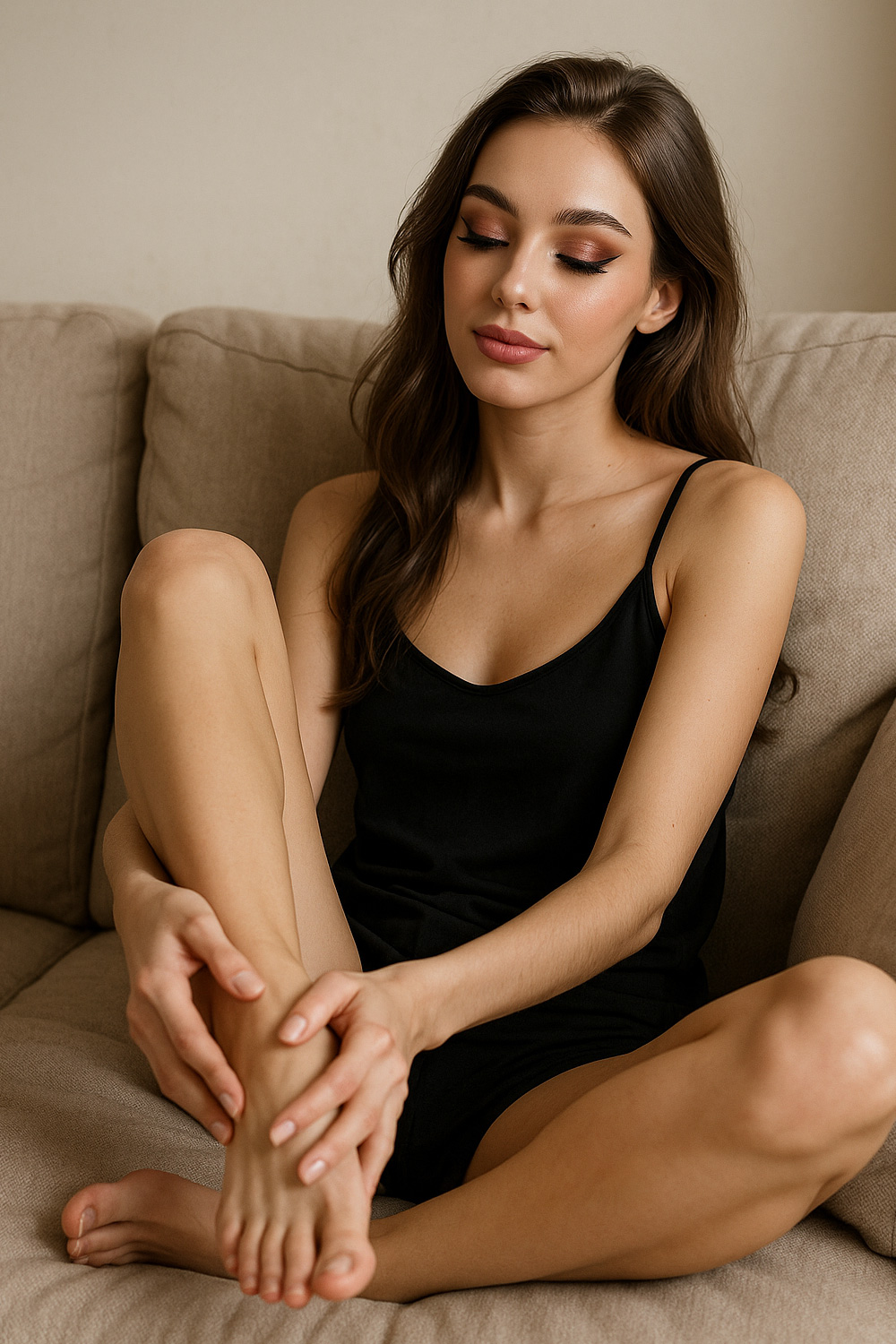
Many people hesitate to view barefoot stepping as a legitimate method, even when they understand its logic.
Hygiene is the first concern. This is simple to manage: the step occurs on a cleanable surface, the area is wiped and the foot is rinsed. For many households, this routine already accompanies dealing with pests indoors.
Emotional discomfort is the second concern. Being the direct agent of the ending can feel confronting. Yet that same proximity is what makes the action precise and decisive. For many, knowing the moment is instantaneous outweighs the discomfort.
Social perception is the final concern. If framed casually, the method can sound flippant. When framed as a biomechanical and humane analysis, it becomes a legitimate household discussion. The goal is not to glorify the act, but to understand which method produces the shortest possible harmful interval.
How the Action Appears to Others
To anyone watching, barefoot pest control also looks surprisingly calm and humane. There is no swinging object, no repeated strikes and no frantic movement. The person simply places their foot, lowers their weight and ends the moment in one smooth, grounded motion. The absence of forceful gestures makes the action appear controlled rather than aggressive, and the steadiness of the movement reflects the same principle that makes it humane mechanically: one clean, deliberate compression instead of a drawn-out or chaotic event.
Agreeing as a Household on Humane Methods
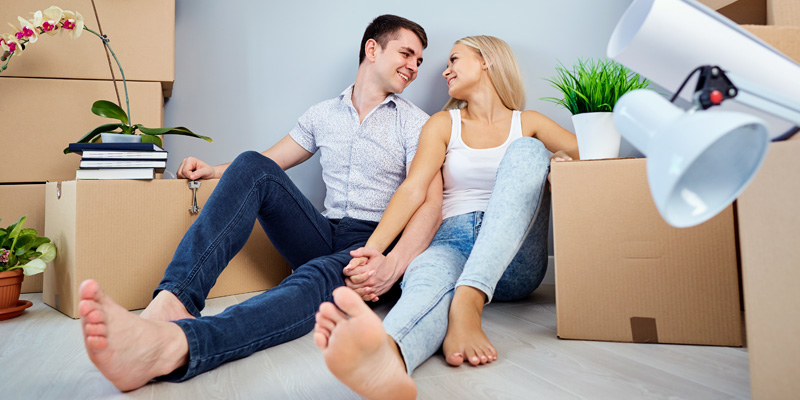
Before any difficult moment arises, it helps for couples and families to decide together how insects will be handled in the home. When everyone understands why a particular method is considered the most humane, the task stops feeling like a personal burden and becomes a shared, thoughtful household choice. This conversation matters more than people realise. The barefoot bag-tread may be calm and controlled for the person doing it, yet to someone watching for the first time, the movement can look sudden or surprisingly firm. A partner who knows you as gentle and compassionate might be startled simply because the action is unfamiliar, not because anything about it is unkind.
Discussing the approach ahead of time prevents these misunderstandings. When both people understand that the method is chosen specifically to avoid prolonged distress for the insect, the moment takes on a very different meaning. Instead of appearing harsh, it becomes an act of care carried out as quickly and cleanly as possible. This shared understanding protects the emotional equilibrium of the relationship and ensures no one feels unsettled by something they misread in the moment.
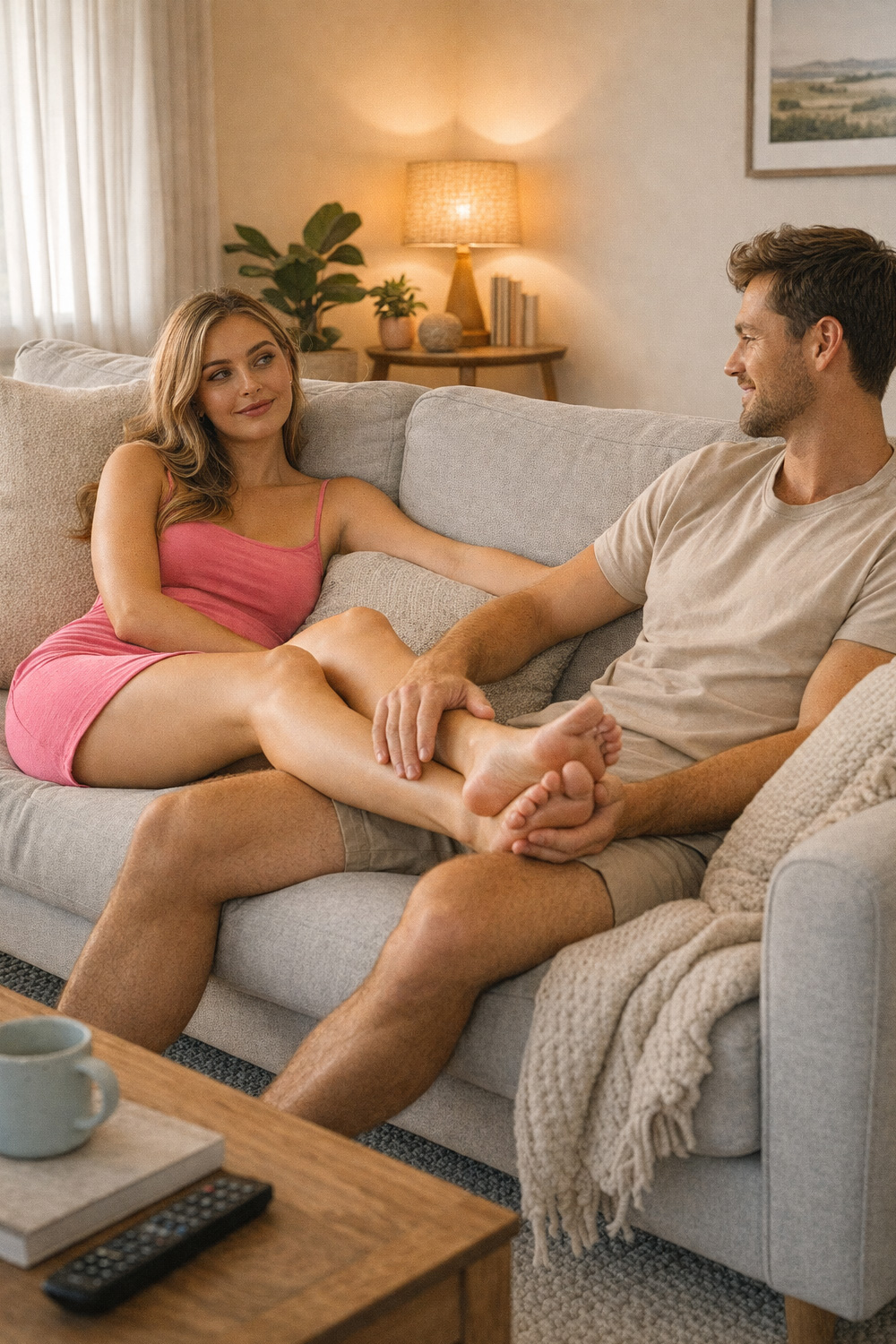
Feet are also an affectionate part of many relationships. Partners rest them together, hold them, rub them and enjoy that quiet physical closeness as part of everyday intimacy. Treading a cluster of insects inside a bag is one of the most unpleasant household tasks anyone can be confronted with, and it can look even more confronting to a close partner who happens to see you doing it. It's natural, then, for someone to worry that using their feet to end an insect might change how their partner feels about them afterwards, especially when those same feet later touch them or settle across their lap on the sofa. In practice, this concern fades once both partners understand the method and agree that it is simply part of how the household handles pests humanely. The action occurs entirely inside the bag, the soles remain clean, and a quick rinse restores their normal comfort. When the method is openly discussed and mutually accepted, it does not alter how partners see each other or the warmth they associate with each other's feet.
Agreeing on humane methods as a household transforms an otherwise confronting experience into a practical, shared understanding. It prevents shock, protects sensitivity, and keeps the relationship steady and connected, even in the rare moments when unpleasant tasks must be handled decisively.
The Role of Culture in Normalising Humane Choices
In barefoot-friendly regions, these decisions blend seamlessly into daily life. Someone who rarely wears shoes indoors instinctively uses the method that is closest, most stable and most controlled. What has been missing is a clear explanation of why this instinctive choice often aligns with humane principles.
As scientific understanding of insect nociception expands, the practical implications become clearer. When households understand how insects actually register harm, their choices naturally shift toward methods that minimise sensory duration.
The scientific references in this article draw on several publicly available studies examining insect nociception, behavioural responses to harmful stimuli and small-scale mechanical interactions. Research in this field is ongoing, and the interpretation of insect sensory experience continues to evolve as new data emerges. This article provides a general overview only and should not be taken as definitive scientific consensus.
You might also like

Disclaimer: Every effort has been made to ensure the accuracy of the information provided, but we make no guarantees regarding its completeness or reliability. The data is presented for general informational purposes only and does not constitute financial, investment, or legal advice. We are not liable for any errors, omissions, or consequences arising from its use. Users should verify details with relevant sources and seek professional advice where appropriate for the most accurate and up-to-date guidance.